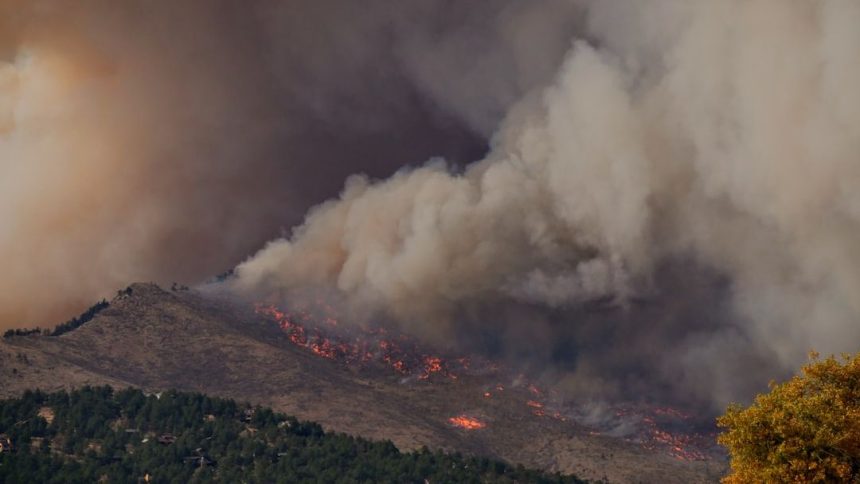
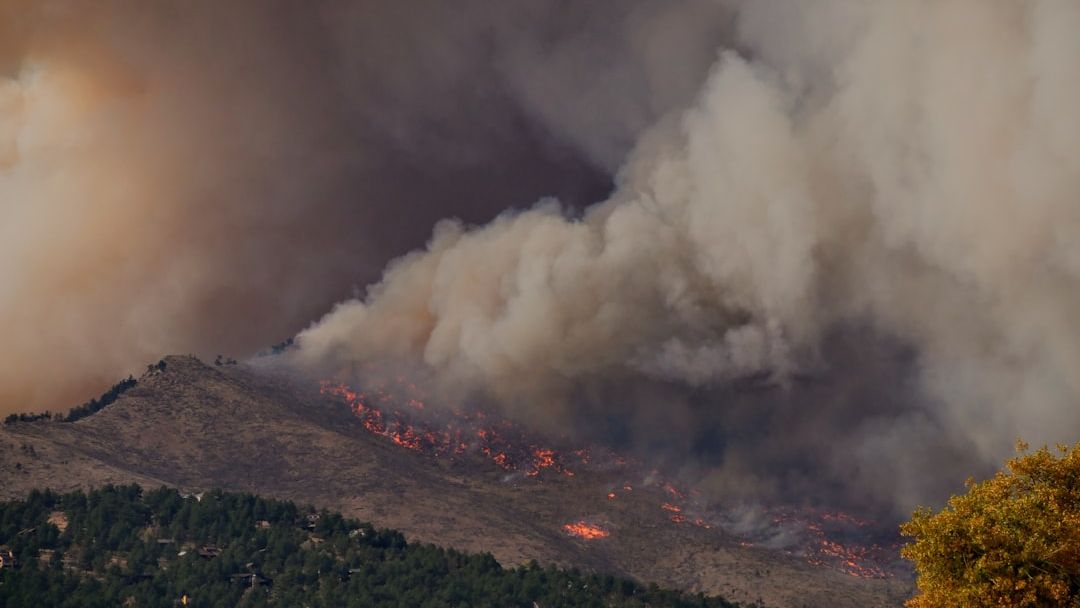

Prescribed Burns and Forest Thinning Averted Millions of Tons of Emissions and Billions in Damages – Image for illustrative purposes only (Image credits: Unsplash)
Western forests have grown increasingly vulnerable to intense wildfires in recent years. A University of California, Davis study now quantifies how deliberate efforts to reduce excess vegetation have already delivered measurable benefits across the region. Researchers tracked the outcomes of prescribed burns and mechanical thinning projects and found clear reductions in carbon releases, health impacts, and economic losses.
Quantifying the Avoided Harm
The analysis focused on fuel-reduction work completed in the Western United States. It showed that these treatments stopped an estimated 2.7 million tons of carbon dioxide from entering the atmosphere. At the same time, the projects prevented nearly 60 premature deaths linked to wildfire smoke and avoided roughly $2.8 billion in total damages. These figures represent direct, documented results rather than projections. The study compared areas that received treatments with similar untreated zones to isolate the effects. Researchers accounted for both immediate fire behavior changes and longer-term changes in vegetation density.
Partner offer

Why These Treatments Matter
Excess flammable material in forests has long been recognized as a driver of larger, more destructive fires. When that material is removed through controlled methods, flames burn at lower intensity and spread more slowly. The UC Davis findings illustrate how such steps translate into fewer emissions and fewer health consequences for nearby communities. The work also highlights the dual role of these treatments. They limit immediate fire damage while reducing the amount of carbon that would otherwise be released during a blaze. This combination addresses both environmental and public-health concerns in one set of actions.
Looking Ahead
The study provides a concrete benchmark for evaluating future forest-management decisions. It shows that investments in fuel reduction can produce returns measured in avoided emissions, lives preserved, and dollars saved. Continued application of these methods will depend on sustained funding and careful planning across public and private lands. As wildfire seasons continue to test Western landscapes, the documented outcomes offer a clear reference point. The results underscore the practical value of proactive vegetation management in limiting the broader costs of fire.
Partner offer
Planning a trip to Vegas?
Compare hotel rates and show tickets on VEGAS.com.