There is something quietly thrilling about a cultural trend resurfacing after years of supposed irrelevance. Right now, across fashion runways, record stores, and social media feeds, a collective hunger for the past is reshaping what feels fresh and exciting. TikTok has become a playground for retro trends, with hashtags like #throwback, #nostalgia, and #vintage seeing a 130% year-over-year growth, proving that users crave content that reminds them of the past. The forgotten is becoming the fascinating again, and some of the most dismissed pop culture moments of recent decades are quietly staging their most compelling returns yet.
Y2K Fashion: From Cringe to Cultural Currency
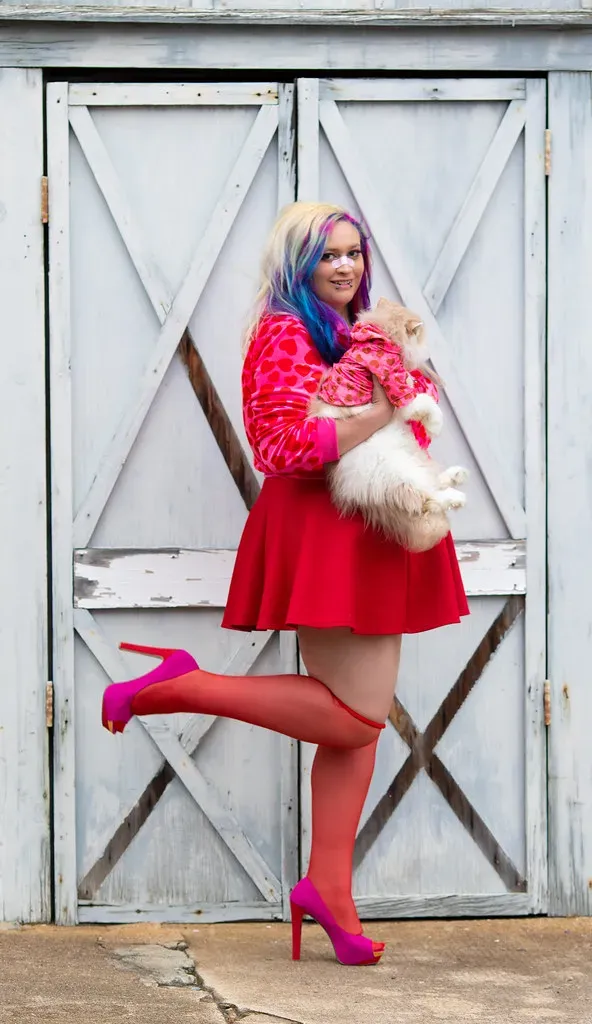
As we settle into the mid-2020s, Y2K fashion, once dismissed as gaudy, kitschy, and over-the-top, has made a triumphant return to the mainstream. What was once a guilty pleasure of rhinestone logos, low-rise denim, and velour tracksuits is now a strategic, emotionally resonant revival embraced by Gen Z and Millennials alike. The speed of its resurrection is genuinely staggering. The revival of butterfly clips, Juicy Couture tracksuits, low-rise jeans, and Naked colour palettes is not just about style, it is about storytelling. According to Edited, Y2K fashion references appeared in over 73% of Gen Z-targeted brand campaigns in the first half of 2025.
Low-rise jeans are experiencing a 40% year-over-year growth in 2025 as a key Y2K element. The numbers are hard to ignore. Levi’s, a 90s staple, saw an 89% sales spike in 2024 from nostalgia-driven campaigns, leaning into vintage-inspired collections like high-waisted jeans and graphic tees. Luxury brands are not far behind, with Balenciaga’s Le City Bag campaign reimagining Y2K paparazzi shots with Paris Hilton, tapping into Gen Z’s archival obsession. What once felt embarrassing has become a badge of honor, and the generation wearing it today is doing so with full self-awareness and confidence.
Vinyl Records and Cassette Tapes: Analog’s Glorious Defiance
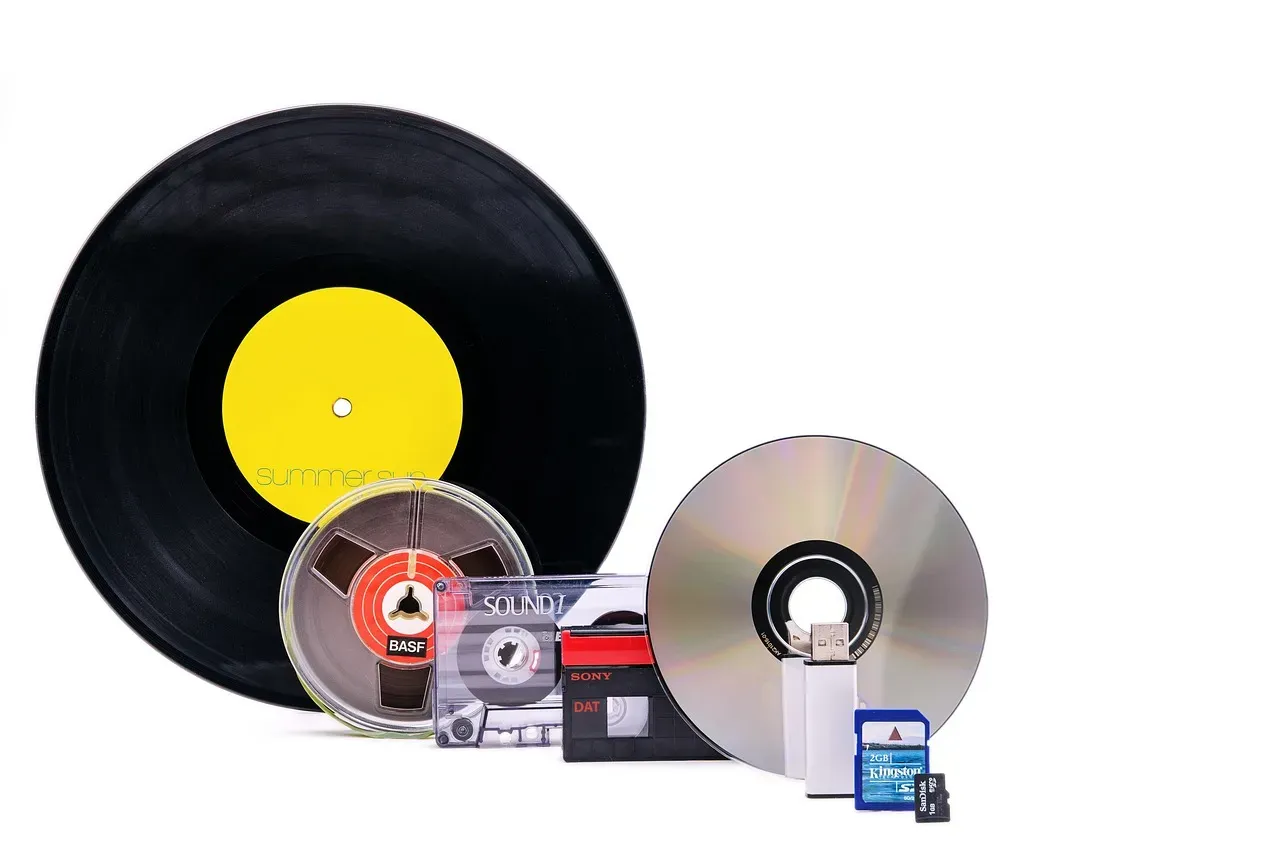
LP sales reached 43.6 million units in 2024, driven largely by Gen Z’s interest in analog experiences, aesthetic appeal, and artist support. With no end to the trend currently in sight, vinyl music sales are projected to grow through at least 2035. That is not a niche hobbyist statistic. Gen Z buying vinyl accounts for 27% of all vinyl purchases in 2024, making them the largest demographic driving this trend. These digital natives, born between 1997 and 2012, are choosing analog music formats for reasons that extend far beyond sound quality.
Cassette tapes are telling an even more dramatic story. Cassette tape sales jumped by 204.7% in the first quarter of 2025, hitting 63,288 units, while CD sales fell 2.6%. This dramatic comeback of the once-outdated format shows a major shift in how people buy music. Major artists are increasingly releasing music on cassettes to tap into this trend and connect with collectors. Sam Fender had the biggest-selling physical release in Q1. Other big names releasing cassettes include Ariana Grande, Kendrick Lamar, and Lady Gaga, showing the format’s growing recognition. There is something deeply intentional about choosing a tape over a playlist, and younger listeners are making that choice deliberately.
Pop-Punk and Emo Music: The Sound That Never Really Left
Artists like Olivia Rodrigo, Machine Gun Kelly, and YUNGBLUD are channeling that early 2000s pop-punk sound everyone remembers fondly. There is something about those crunchy guitars and sassy lyrics that take listeners right back to high school. The revival is not merely nostalgic either. It has genuine creative momentum. Olivia Rodrigo is one of the most prominent young artists today who is at the forefront of reviving the 2000s pop-punk and emo sound. Her music, particularly hits like “good 4 u” and “brutal,” channels the angst and energy of the early 2000s with a fresh and modern perspective.
In music, the retro boom is equally strong. Vinyl sales reached a 30-year high in Q2 of 2025, and cassette tapes, once obsolete, are finding niche popularity again. Sound aesthetics like lo-fi, hyperpop, and pop-punk, all reminiscent of early-2000s media, are trending among Gen Z creators. Rodrigo’s “good 4 u” music video references iconic 2000s films including Jennifer’s Body and The Princess Diaries. Rodrigo has openly cited inspiration from artists like Hayley Williams of Paramore and Avril Lavigne, bringing the genre into the modern age for a new generation of fans. The emotional rawness of that era feels especially resonant in a time of social media performance and curated online identities.
Early 2000s Reality TV: Unscripted Drama With a New Audience
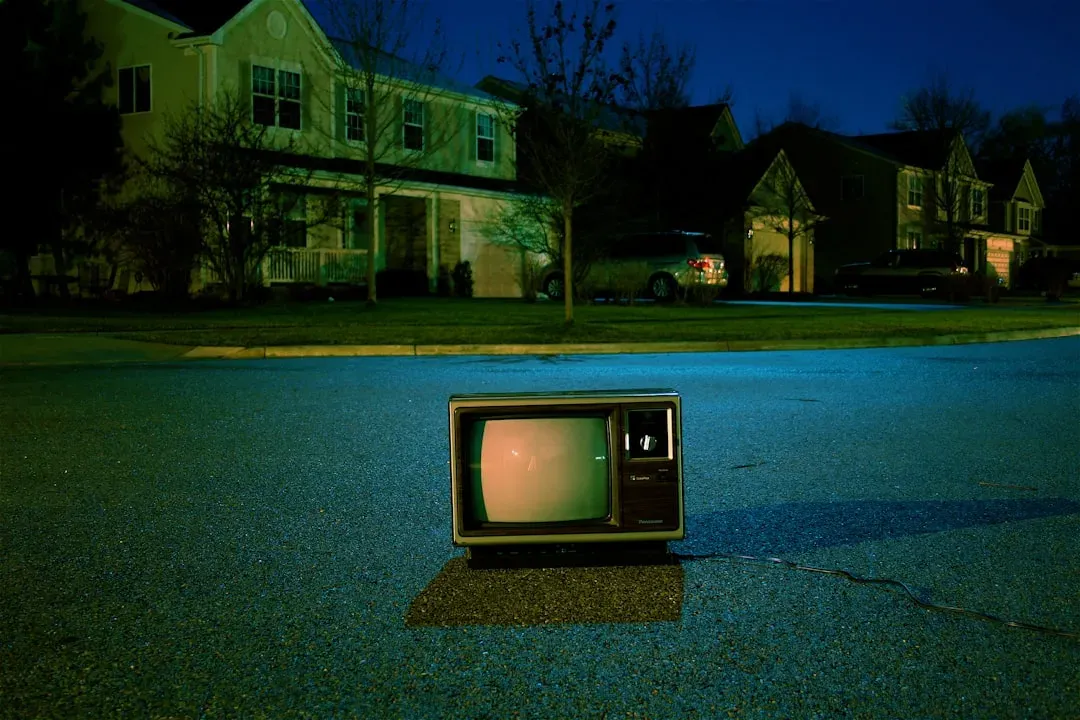
Reality TV has somehow managed to revive itself again. We are seeing remakes of shows like The Osbournes, The Simple Life, and Cribs. The return of The Bachelor franchise feels like the ultimate throwback to a time when audiences all pretended to care about someone’s love life as they went on dates in a mansion. The appetite for this kind of television is clearly not fading. Streaming platforms have been digging deep into 90s and early 2000s nostalgia. Shows like Friends, The Fresh Prince of Bel-Air, and Full House are being rebooted or getting spin-offs.
Streaming platforms like Netflix and Disney+ are betting big on reboot IP because the economics make sense. A Nielsen report from July 2025 showed that nostalgia-led series generated 22% higher average watch time than originals without legacy IP. Those numbers tell a clear story about what audiences actually want to watch, regardless of what critics might prefer. Gen Z reacted strongly when Sex and The City landed on Netflix, sparking a new wave of obsession with Carrie Bradshaw and her iconic, 90s New York. The younger generation is not just consuming these relics; they are building their identities around them.
Polka Dots and Maximalist Patterns: The Timeless That Keeps Returning
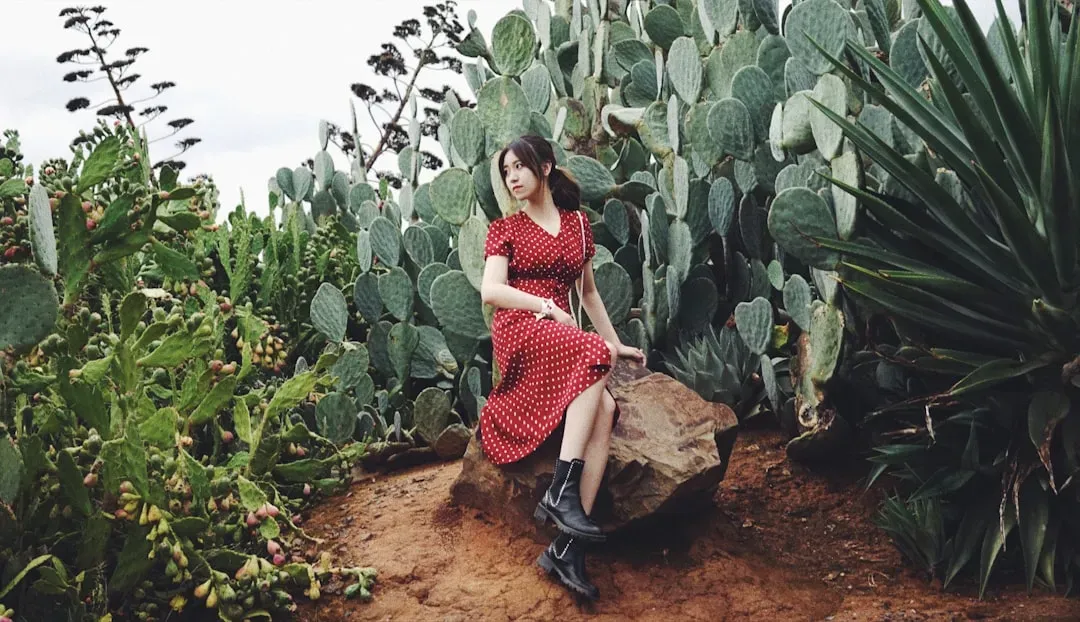
Patterns and traditional Y2K silhouettes have enjoyed a comeback, evolving past their former associations with outdated styles. Polka dots, peplum tops, and 6-panel skirts have become key players in 2025’s fashion scene, appearing in streetwear, festival looks, and everyday outfits. The numbers behind polka dots specifically are almost absurd in their enthusiasm. Searches for “polka dot aesthetic” surged by 699%, with related terms like “polka dot French tip nails” rising by 1,157% and “polka dot scarves” by 940%, reflecting Gen Z’s embrace of eclectic patterns.
New York Fashion Week showcased predictions for Spring 2025 trends, including vibrant hues, unconventional layering of fabrics, and fringe dresses. Polka dots are making a comeback, having been viewed through a contemporary and sophisticated lens. Gen Z’s maximalist street style in 2025 is defined by bold aesthetics, sustainability, and nostalgia-driven elements. Key trends include polka dots, patchwork layering, Y2K revivals, and gender-fluid streetwear. The maximalist impulse is a direct reaction to years of quiet luxury and minimalism dominating the cultural conversation, and it is clearly winning.
The Psychology of the Comeback: Why We Keep Going Back
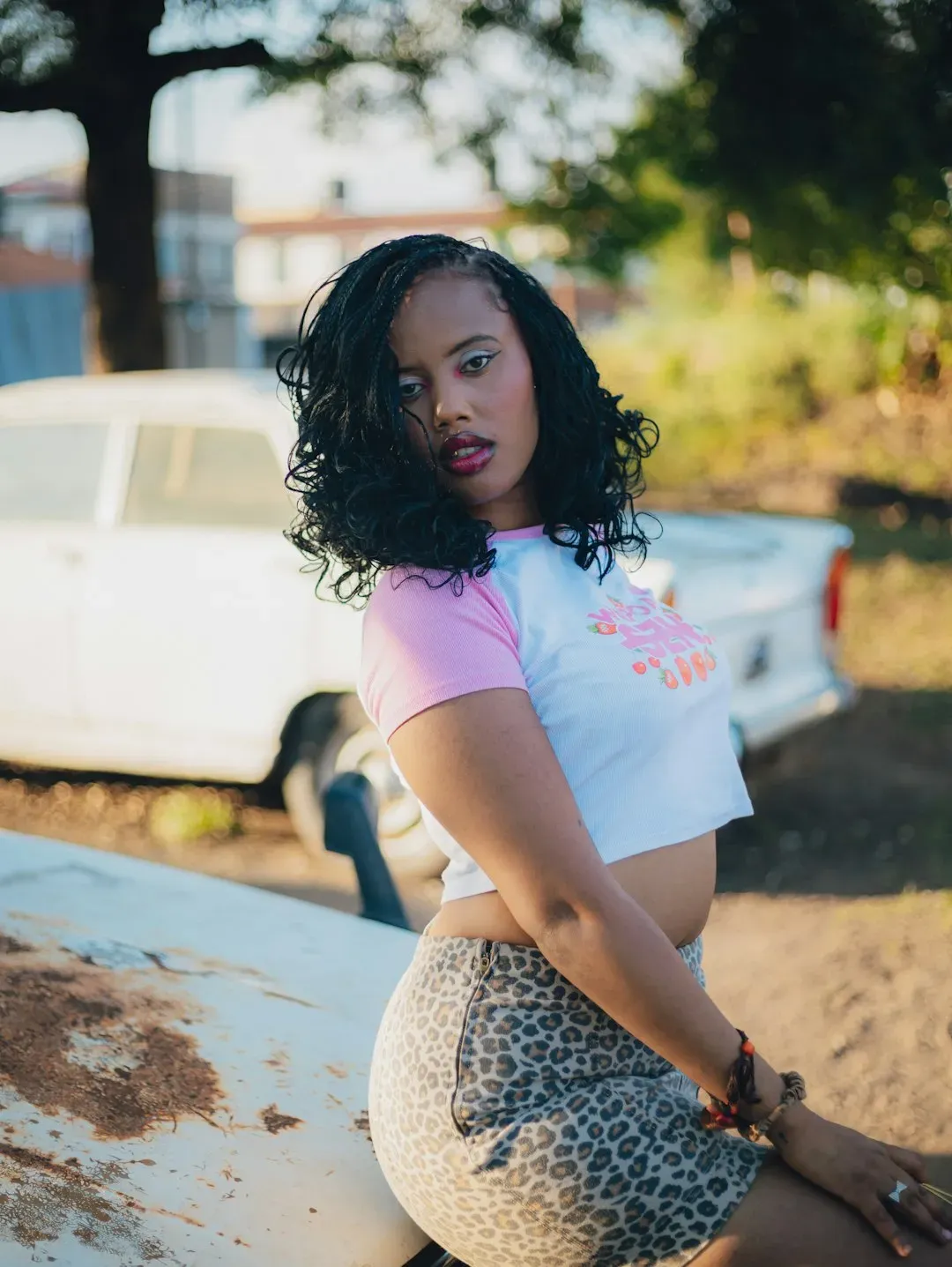
A 2024 Pew Research study shows 70% of Gen Z engage with nostalgia-driven content daily, craving escapism amid global uncertainty, including pandemics, climate crises, and digital overload. This is not random nostalgia. It is something more deliberate. For both generations, nostalgia acts as a psychological buffer in turbulent times. Economic precarity, climate anxiety, and global instability have defined much of their formative years. Studies show that nostalgia enhances mood, increases optimism, and fosters social cohesion.
Young people are the ones driving this fascination with the past. Right now, 90s and early 2000s throwbacks are deeply resonating with Millennial and Gen Z groups, whether or not they were alive to witness their chosen cultural reference first-hand. Together, the people who love these eras are fueling the economy. McKinsey reports a 24% increase in repeat purchases after retro re-releases, like the return of Pepsi Blue or Dunkaroos. These products remind consumers of younger years, and that emotional connection translates into action. Nostalgia, it turns out, is not just sentimentality. It is one of the most powerful forces in modern culture, and it shows no signs of releasing its grip anytime soon.