When we think about protest movements that changed the world, names like the Civil Rights Movement or Women’s Suffrage immediately come to mind. Yet history is filled with countless other uprisings, strikes, and demonstrations that have been quietly erased from our collective memory. These forgotten movements weren’t any less important; they just didn’t get the same spotlight.
Here’s the thing: some of the most transformative moments in social progress happened because ordinary people decided enough was enough. They risked everything, faced brutal opposition, and often didn’t live to see the fruits of their labor. Let’s dive into some of these overlooked campaigns that deserve recognition.
The Coal Creek War: When Miners Took Up Arms
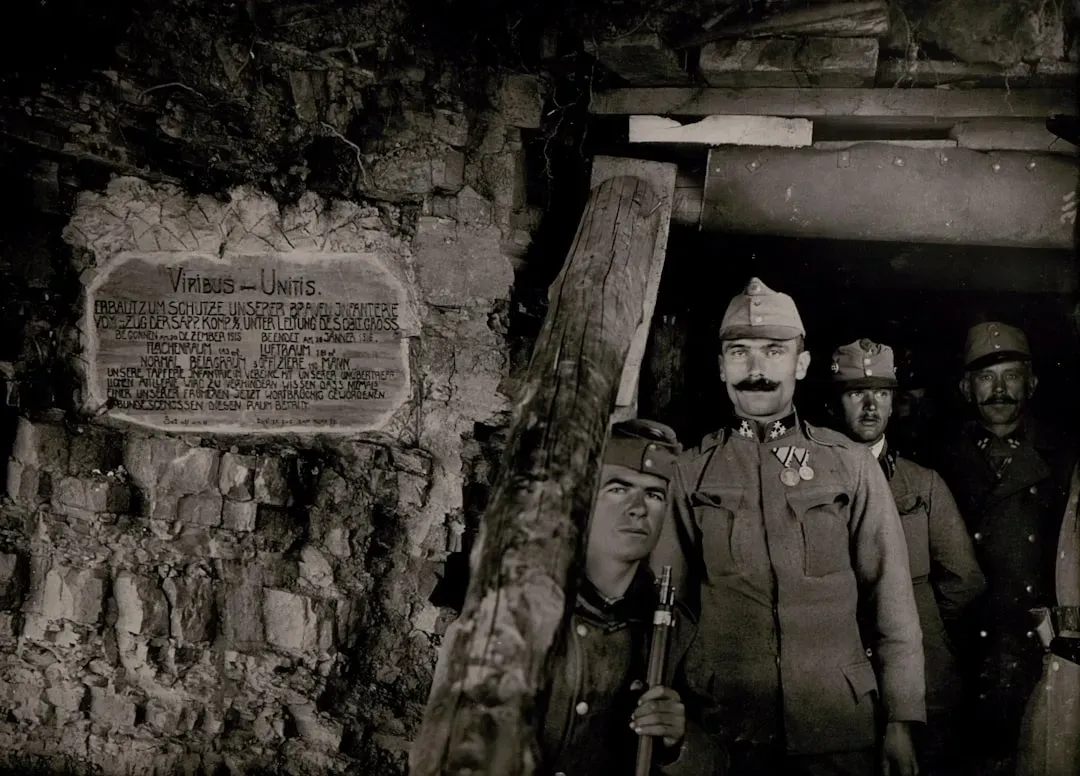
In the early 1890s, coal miners in Tennessee fought back against a system that replaced them with convict labor. Mining companies leased prisoners from the state and forced them to work in dangerous conditions for essentially nothing. Free miners suddenly found themselves jobless while convicts did their work for pennies.
The Coal Creek miners didn’t just complain. They armed themselves and literally freed hundreds of prisoners from the stockades, sending them back to the state penitentiary. This happened multiple times between 1891 and 1893. Eventually, the state militia got involved, but the miners’ resistance led Tennessee to abolish its convict lease system.
I think what makes this movement remarkable is how it showed solidarity between different groups of workers. The miners weren’t angry at the convicts; they were furious at a system that exploited everyone.
The Seattle General Strike of 1919
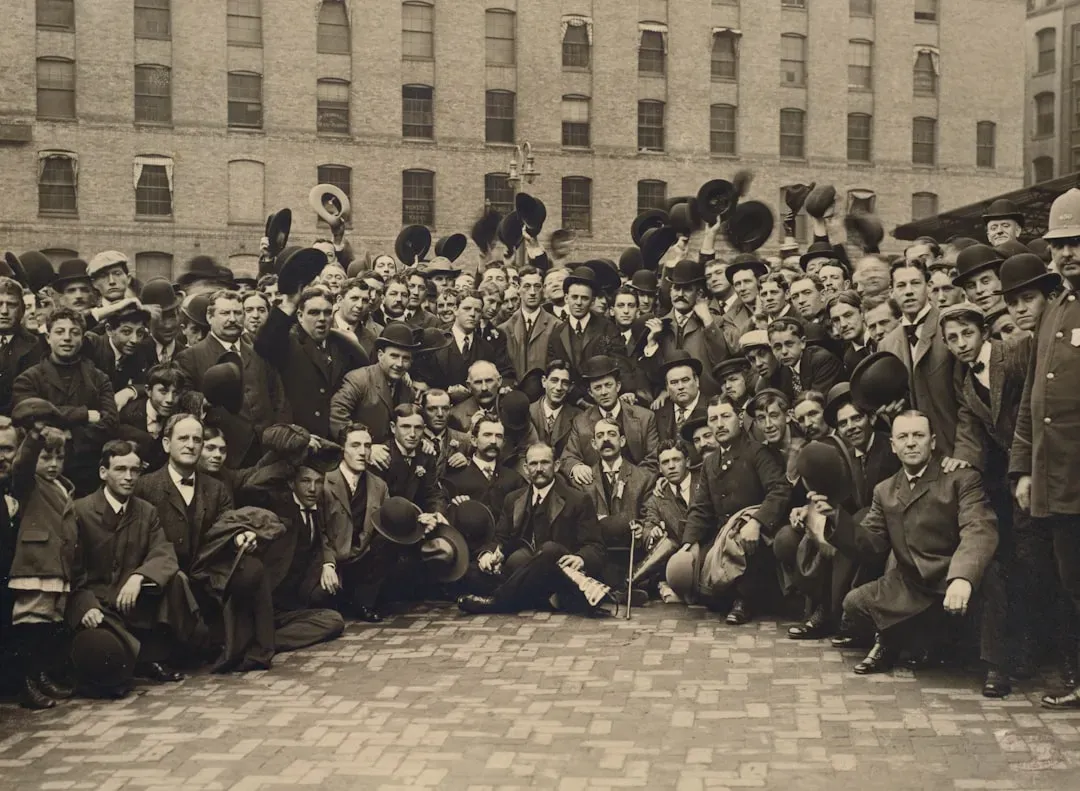
Roughly about 65,000 workers in Seattle walked off their jobs in February 1919, bringing the entire city to a standstill. Shipyard workers initially went on strike for better wages, but soon everyone from streetcar operators to musicians joined in. For five days, Seattle was run entirely by workers’ committees.
The strike was remarkably peaceful and well-organized. Workers set up their own cafeterias, arranged for milk delivery to babies, and maintained essential services. Yet the media painted them as dangerous revolutionaries trying to start a Bolshevik uprising in America.
Though the strike ended without achieving its immediate wage demands, it demonstrated the power of coordinated labor action. It inspired workers nationwide and contributed to the growth of union membership throughout the 1920s.
The Combahee River Collective Statement
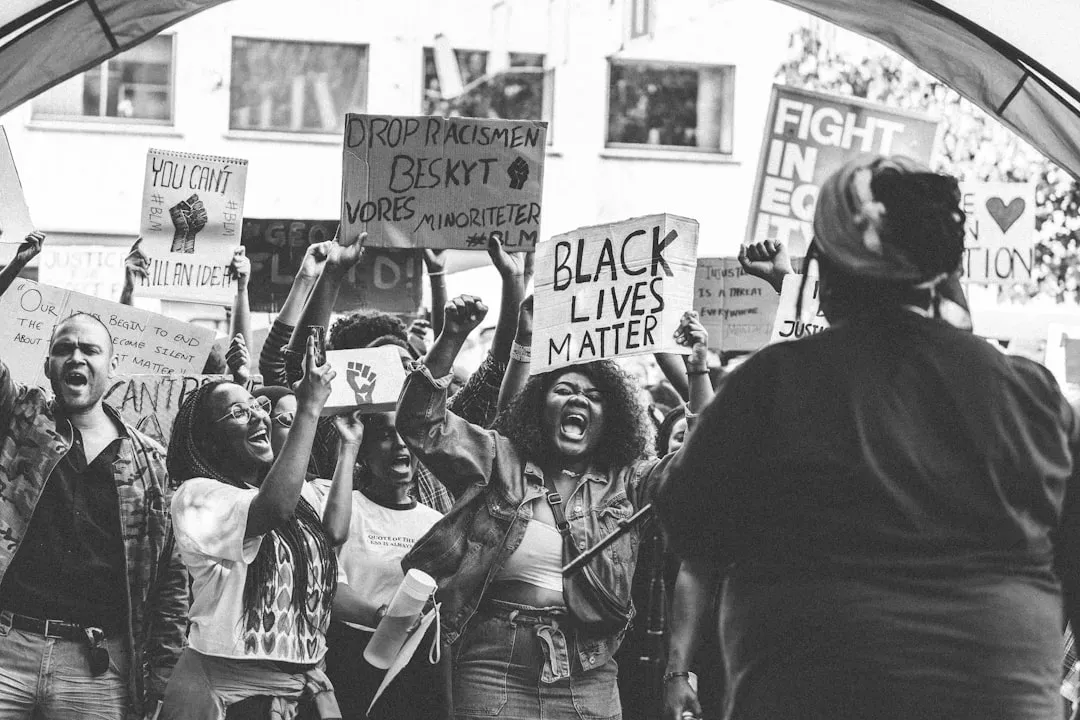
In 1977, a group of Black feminist lesbians in Boston released a statement that would fundamentally reshape how we understand intersectionality, even though that term hadn’t been coined yet. The Combahee River Collective argued that you couldn’t separate race, gender, class, and sexuality when fighting for liberation.
This wasn’t a street protest with signs and chants. It was intellectual activism that challenged both mainstream feminism and the male-dominated Black liberation movement. They pointed out that Black women faced unique forms of oppression that neither movement fully addressed.
The Collective’s ideas seem obvious now, but back then they were revolutionary. Their work laid the groundwork for modern discussions about identity and justice. It’s hard to say for sure, but contemporary activism would look completely different without their contribution.
The Dodge Revolutionary Union Movement
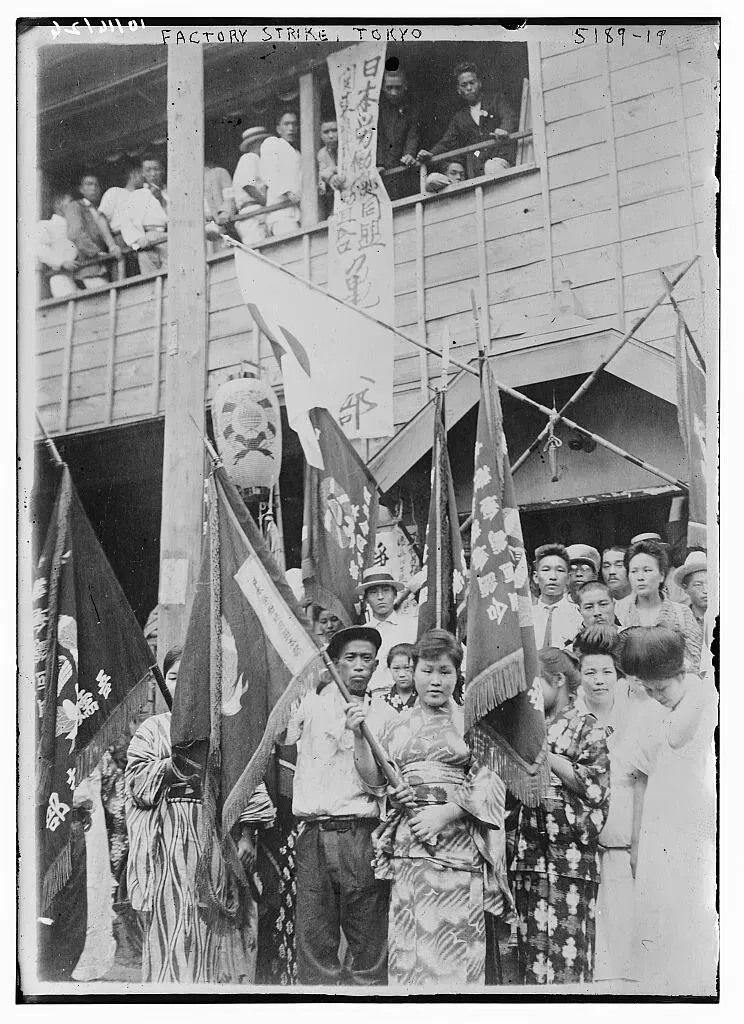
Detroit’s auto plants in the late 1960s were segregated workplaces where Black employees got the most dangerous jobs and virtually no path to advancement. In 1968, Black workers at Dodge’s main assembly plant formed DRUM (Dodge Revolutionary Union Movement) to fight back against both company discrimination and a union that ignored their concerns.
DRUM organized wildcat strikes that shut down production and cost Chrysler millions. They published newsletters exposing racist practices and connected workplace struggles to broader Black liberation movements. Their tactics were confrontational and unapologetic.
Within a couple of years, similar Revolutionary Union Movements formed at other auto plants across Detroit. Though DRUM itself was relatively short-lived, it forced both corporations and unions to address racial inequality in ways they’d previously avoided. The movement showed how workplace organizing could be a form of civil rights activism.
The Delano Grape Strike and Filipino Farmworkers
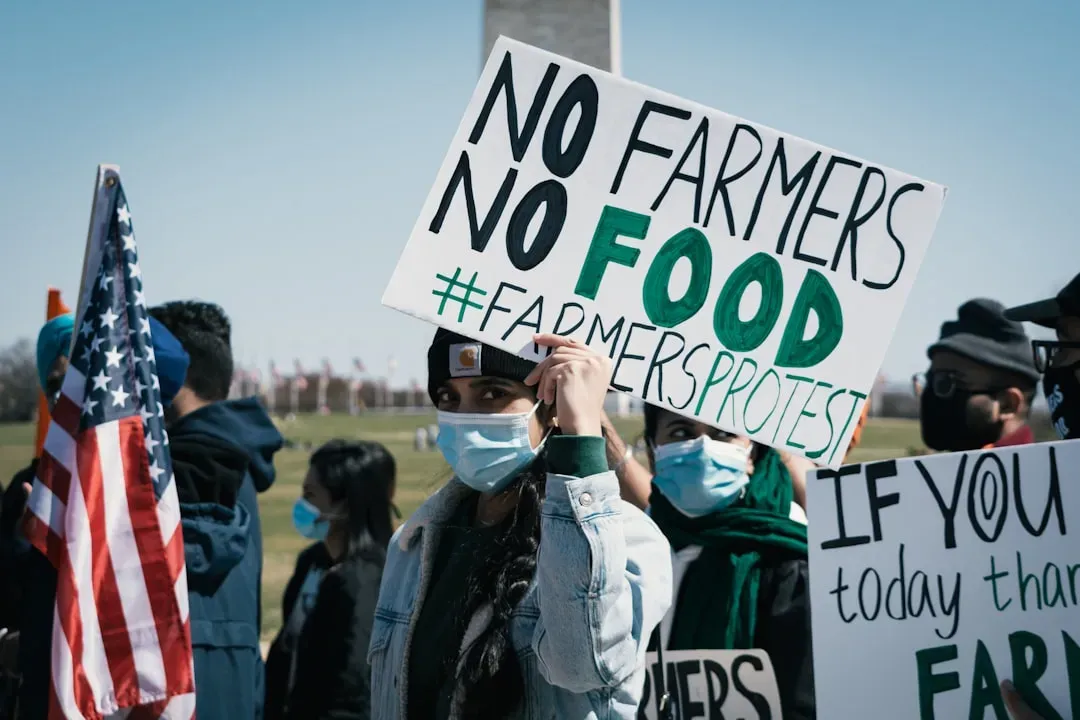
Everyone knows about Cesar Chavez and the United Farm Workers’ grape boycott. Fewer people realize that Filipino farmworkers actually started the strike. In September 1965, members of the Agricultural Workers Organizing Committee, led by Larry Itliong, walked out of Delano grape fields demanding better wages.
Chavez and the mostly Mexican-American National Farm Workers Association joined the strike a week later. The two groups eventually merged, but history often credits only the Latino organizers. Filipino workers were equally essential to the movement’s success.
The strike lasted five years and involved a nationwide grape boycott. It succeeded in getting contracts that guaranteed better pay and working conditions. Yet Larry Itliong and other Filipino leaders have been largely written out of the narrative, which says something about whose stories we choose to remember.
The Ghanaian Women’s War of 1929
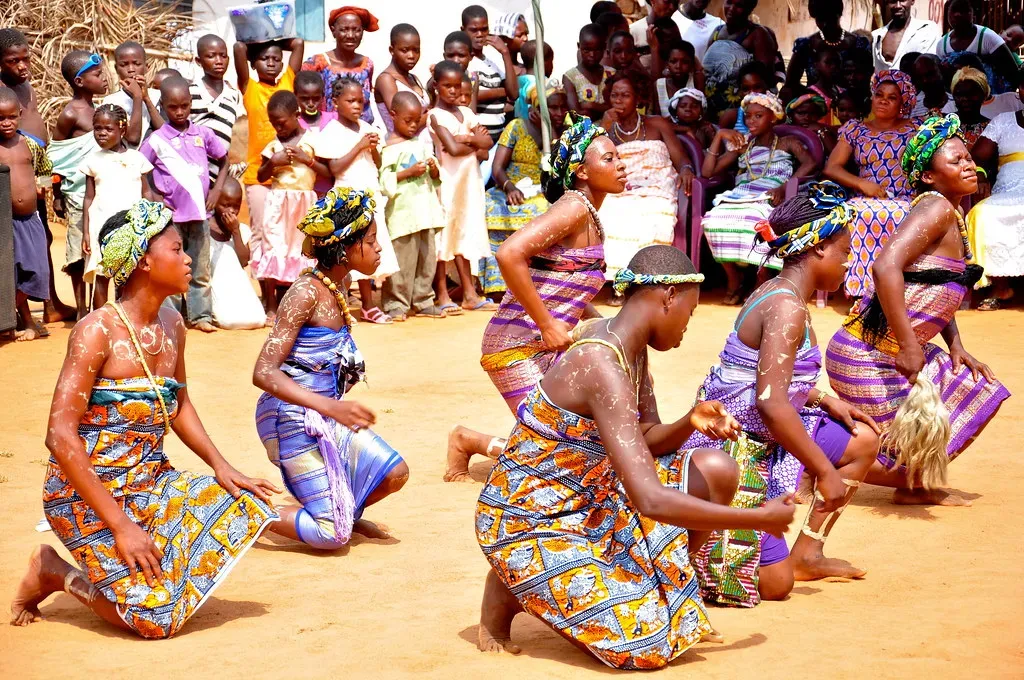
When British colonial authorities tried to impose a tax on market women in southeastern Nigeria (then part of the British colony that included Ghana), tens of thousands of women rose up in what became known as the Women’s War. They used a traditional practice called “sitting on a man,” where groups of women would gather at someone’s home, singing and dancing mockingly until their demands were met.
This wasn’t just singing, though. Women attacked Native Courts, freed prisoners, and in some cases burned down administrative buildings. British troops fired on protesters, killing dozens, but the women didn’t back down.
The uprising forced the colonial government to drop the tax and reform its administrative system. It demonstrated that seemingly powerless groups could challenge imperial authority through coordinated resistance. The Women’s War inspired anti-colonial movements throughout Africa.
The Memorial Day Massacre and Republic Steel Strike
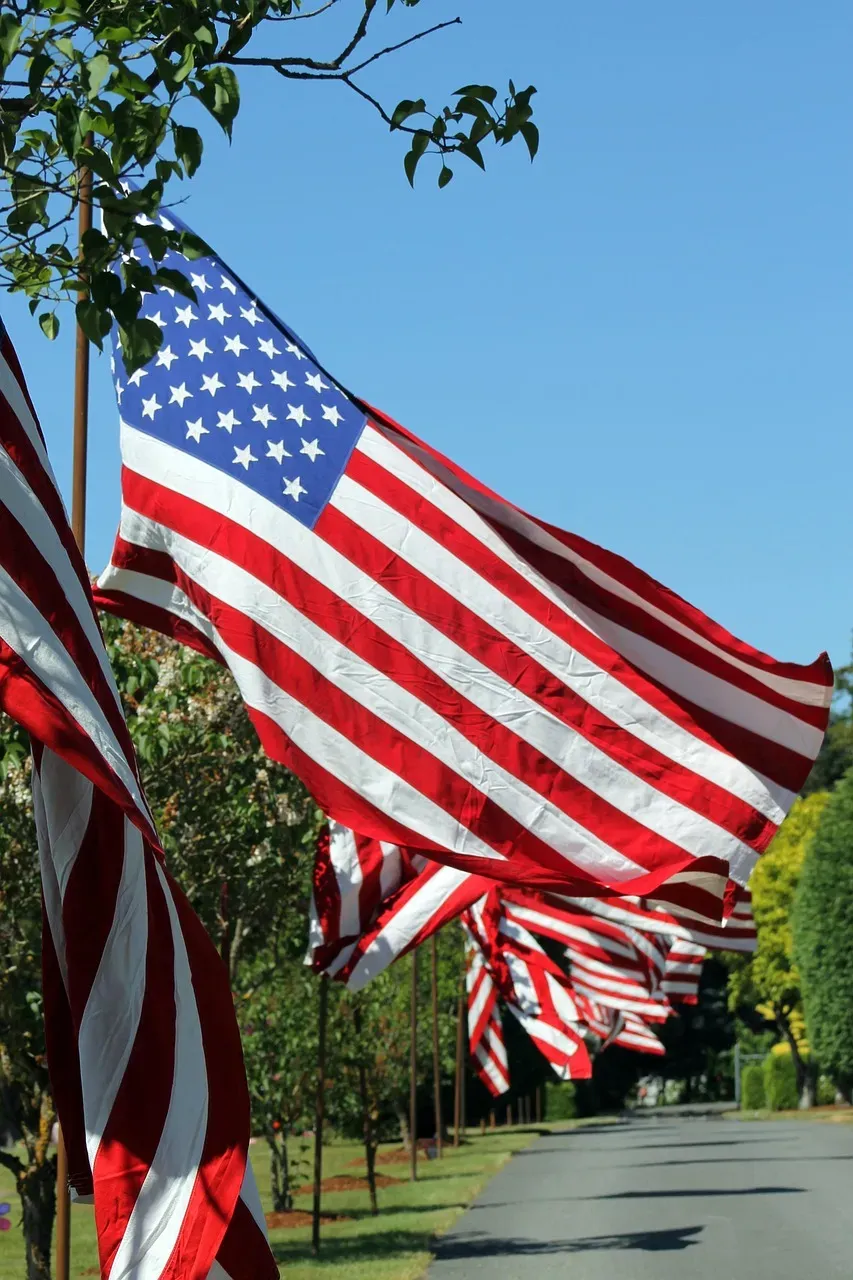
On May 30, 1937, Chicago police opened fire on striking steelworkers and their families during what was supposed to be a peaceful gathering. Ten people died, and dozens more were wounded. Newsreel footage showed police shooting people in the back as they fled.
Workers had been striking against Republic Steel for union recognition. The company hired private security forces and worked with local police to break the strike. The Memorial Day Massacre shocked the nation when the footage finally aired, though initially it was suppressed.
Republic Steel eventually signed a union contract in 1941, though not directly because of this strike. The massacre became a rallying point for labor organizing and exposed how far corporations would go to prevent unionization. It remains one of the deadliest incidents of labor violence in American history.
The Conclusion: Remembering Is Resistance
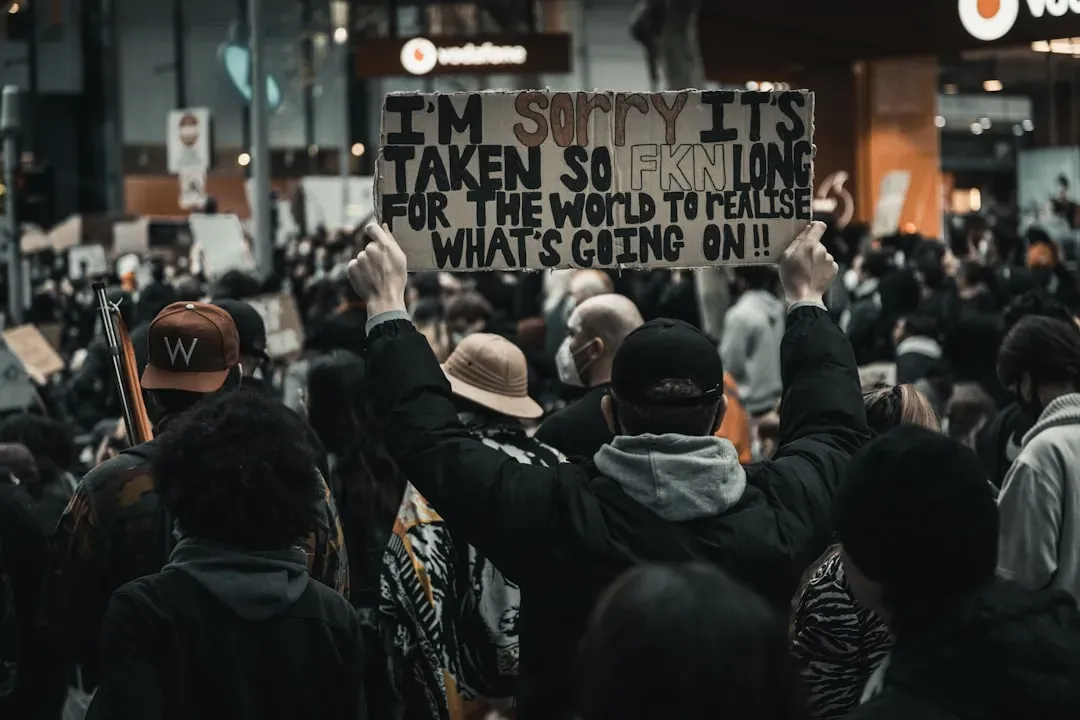
These movements share something important: they were all dismissed, minimized, or deliberately erased from popular history. Some failed to achieve their immediate goals. Others succeeded but got credited to more palatable leaders or causes. All of them involved ordinary people taking extraordinary risks for changes they might never see.
Let’s be real, the movements we remember versus those we forget says a lot about whose stories we value. Acknowledging these forgotten campaigns doesn’t diminish the ones we already celebrate. It enriches our understanding of how change actually happens, messily and collectively.
Every right we take for granted today exists because someone, somewhere, decided to fight for it. They faced ridicule, violence, and poverty. Most didn’t become famous. Their movements remind us that transformation rarely comes from waiting patiently or asking nicely.
What do you think about these overlooked movements? Tell us in the comments.