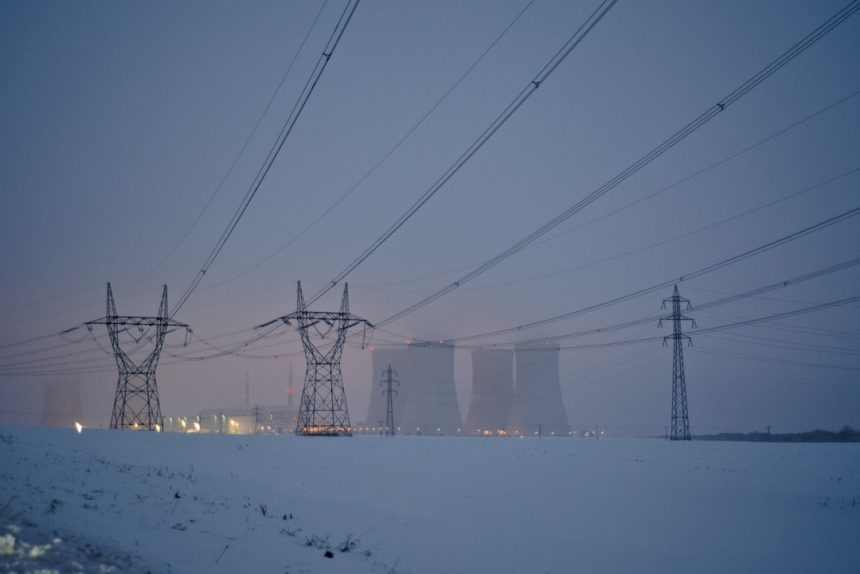
Storm Unleashes Deadly Cold (Image Credits: Unsplash)
A powerful winter storm swept through the northeastern United States last week, blanketing communities in more than a foot and a half of snow while plunging temperatures to dangerous lows.
Storm Unleashes Deadly Cold
Residents faced extreme conditions as heavy snowfall crippled roads and infrastructure. Power outages spread across multiple states, leaving thousands without heat during the coldest hours. Emergency services reported rising deaths linked to the harsh weather, underscoring the vulnerability of modern grids to such events.
People shoveled out vehicles and homes amid relentless flurries. Transportation ground to a halt, and officials urged residents to stay indoors. Yet, reliable energy sources made the difference between survival and tragedy.
Reliable Power from Traditional Sources
Fossil fuel-based power plants ramped up operations to meet surging demand. Natural gas facilities, in particular, delivered steady electricity when conditions worsened. These plants operated continuously, unaffected by the weather that hampered other generation methods.
Grid operators credited fossil fuels for preventing widespread blackouts. Homes stayed warm, hospitals remained operational, and essential services continued. Without this backbone, the toll could have escalated dramatically.
Contrasts with Intermittent Alternatives
Renewable sources like wind and solar struggled under the onslaught. Frozen turbines and reduced sunlight limited their output at critical moments. Past storms revealed similar shortcomings, where backups proved insufficient.
Proponents of rapid decarbonization often overlook these realities. Extreme weather tests energy systems, and dispatchable power from fossil fuels consistently performs.
Policy Debates Heat Up
Politicians pushing to phase out fossil fuels face renewed scrutiny. Calls for net-zero emissions ignore the need for baseload power during crises. Balanced approaches, including advanced nuclear and natural gas with carbon capture, gain traction.
Experts emphasize diversified portfolios. Over-reliance on weather-dependent tech risks future vulnerabilities. Recent events highlight the stakes.
- Fossil fuels provided uninterrupted power amid peak demand.
- Storm dumped record snow, causing outages and fatalities.
- Renewables faltered, exposing grid weaknesses.
- Balanced energy mix essential for resilience.
- Policy shifts must prioritize reliability.
Key Takeaways:
- Reliable fossil fuel plants prevented catastrophe.
- Extreme cold persists despite warming narratives.
- Energy security demands practical solutions.
This storm serves as a stark reminder: affordable, dependable energy saves lives. As debates continue, prioritizing what works could safeguard communities against nature’s fury. What steps should leaders take next? Share your views in the comments.