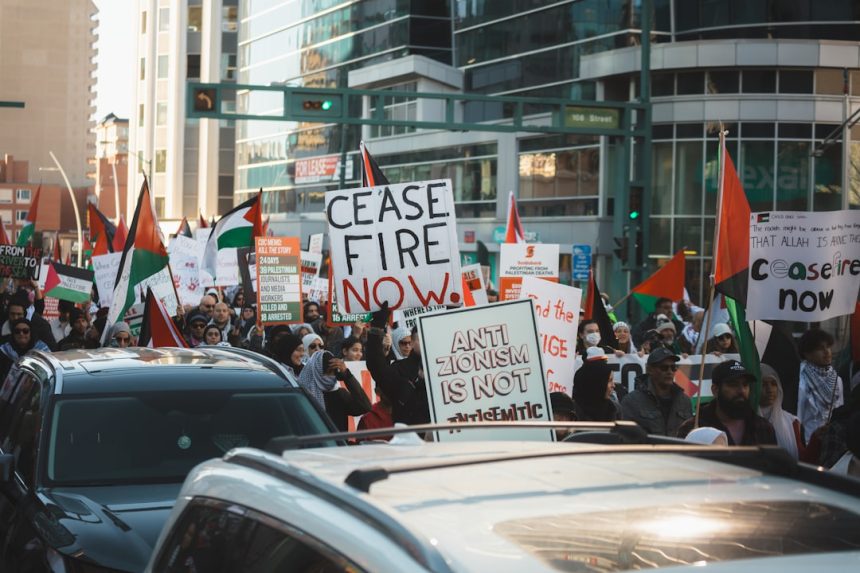

A High-Stakes Deadline Averted (Image Credits: Unsplash)
The United States, Israel, and Iran announced a tentative two-week ceasefire on April 7, 2026, just hours before a U.S. deadline that threatened massive retaliation.[1][2] President Donald Trump pulled back from vows to obliterate Iranian civilization, opting instead for a diplomatic pause brokered by Pakistan.[3] U.S. Vice President JD Vance labeled the deal a “fragile truce,” cautioning that its success hinged on good-faith negotiations.[4][5]
A High-Stakes Deadline Averted
Tensions peaked as Trump set an 8 p.m. ET ultimatum, demanding Iran fully reopen the Strait of Hormuz for safe shipping passage.[2] The strait, vital for global oil flows, had become a flashpoint in the conflict that erupted over a month earlier.[6] Iran responded with a 10-point peace proposal, which Trump described as a workable foundation for talks.[2]
The agreement halted major U.S. offensive operations against Iran, though defensive measures persisted.[1] Israel signaled support but clarified the truce excluded its campaign against Hezbollah in Lebanon.[7] Pakistan, the key mediator, confirmed the ceasefire took effect immediately, with formal discussions slated for Islamabad as early as Friday.[1]
Vance Issues Stern Warning from Budapest
Speaking in Hungary, Vice President Vance emphasized the truce’s vulnerability during a press conference.[8] He urged Iran to negotiate “in good faith” and warned against any deception, stating Tehran would discover President Trump was “not one to mess around” if the deal collapsed.[4]
Vance highlighted recent communications with Pakistani intermediaries and expressed optimism for a broader resolution.[9] His remarks underscored U.S. leverage while acknowledging internal Iranian skepticism about the truce’s terms.[10] The vice president positioned the pause as a critical window for de-escalation amid the war’s disruptions to energy markets.
Sporadic Attacks Test the Agreement
Even as announcements circulated, reports emerged of continued hostilities. Iran launched missile barrages toward Gulf states, including the United Arab Emirates, shortly after the deal.[11][1] Israel detected incoming threats and pressed forward with strikes inside Iran and Lebanon.[1]
Uncertainty swirled over whether these incidents would derail the truce. U.S. officials noted the military’s shift to defense-only posture, but Gulf allies reported fresh impacts.[12] Pro-regime crowds gathered in Tehran, waving flags in apparent celebration, yet Iranian officials insisted on retaining control over Hormuz tolls and uranium enrichment.[6][13]
Core Elements of the Ceasefire Deal
The agreement outlined several immediate steps to build trust. Here are the key provisions as reported:
- Iran commits to complete, immediate, and safe reopening of the Strait of Hormuz.[2]
- U.S. suspends bombing and offensive strikes for two weeks.[14]
- Israel pauses direct actions against Iran, excluding Lebanon operations.[7]
- Pakistan-mediated talks commence in Islamabad by Friday.[1]
- Both sides claim initial victories in the standoff.[15]
Disagreements lingered over Hormuz management and broader concessions like nuclear activities.
Global Ripples and Path Forward
The war had already spiked oil prices and strained alliances across the Gulf.[16] With the truce, markets awaited signals of sustained Hormuz access. Netanyahu’s office reaffirmed backing for the U.S.-led pause while prioritizing Hezbollah threats.[17]
Vance’s role loomed large, with reports of his potential involvement in direct Islamabad talks.[18] Observers watched for compliance amid dueling narratives from Tehran and Washington.
Key Takeaways:
- The ceasefire offers a narrow diplomatic opening but faces tests from ongoing skirmishes.
- Strait of Hormuz reopening remains central to economic stability.
- Vance stresses good-faith talks to prevent collapse.
This fragile pause represents a pivotal moment in the Iran conflict, balancing escalation risks with negotiation hopes. Markets and allies hang in suspense as the two weeks unfold. What do you think will happen next? Tell us in the comments.