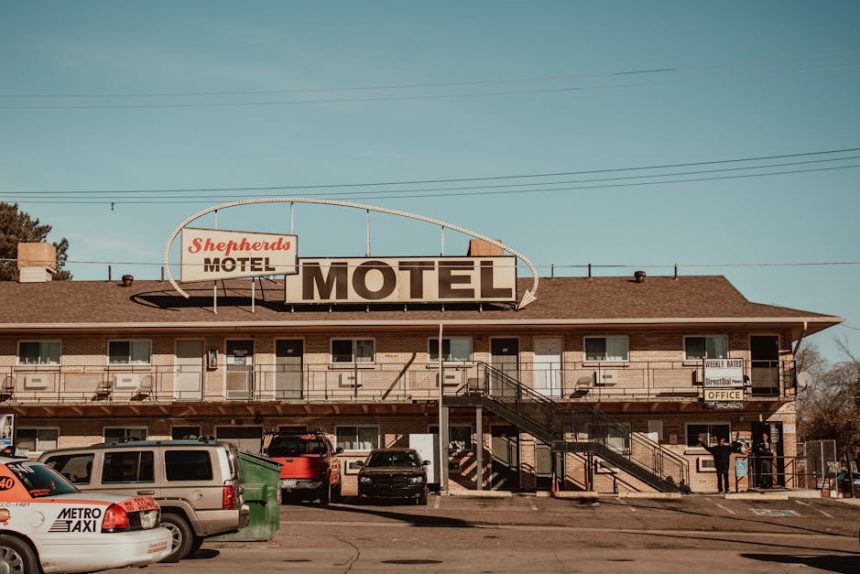

From Revival Dream to Urban Decay (Image Credits: Pexels)
Las Vegas – Crews have torn down a string of mid-century motels along the north side of Fremont Street, erasing structures that embodied both the grit and glamour of old Vegas. These properties fell into disrepair after the 2020 death of their owner, Zappos co-founder Tony Hsieh, who had envisioned them as part of a downtown renaissance. Fires, squatters, and vandalism turned the sites into persistent eyesores, prompting their estate and managers to opt for demolition over restoration.[1][2]
From Revival Dream to Urban Decay
Tony Hsieh poured $350 million into downtown Las Vegas through his Downtown Project, snapping up neglected parcels including several aging motels between 11th and 14th streets. He transformed some, like the Fergusons complex into a bustling retail and dining hub, but left others shuttered. Acquired around 2012 and 2013, the motels stood idle, their cartoonish plywood coverings a stark reminder of unfinished ambitions.[3]
Hsieh’s sudden death in a Connecticut house fire left his vast portfolio in probate under his father’s management. City records soon documented mounting issues at the sites. Vagrants slipped through fences, trash piled up, and graffiti marred walls. Officials labeled them public nuisances, ordering cleanups, secure barriers, and removal of offensive odors.[2]
Chronic Fires and Squatters Seal Their Fate
Problems escalated quickly after 2020. In 2021, inspectors found squatters entering the former Valley Motel from a rear alley. A 2022 blaze at the neighboring Gables Motel spread damage, while a 2023 break-in shattered windows and plywood at the same site. By 2024, the fire-ravaged Valley Motel posed a hazard to children, harboring ongoing vagrant activity.[1]
These incidents compromised structural integrity, according to DTP Companies, Hsieh’s former venture managing the properties. Concrete block construction resisted total collapse but suffered hidden weaknesses. Experts noted that fire repairs would demand compliance with modern codes, often making full teardowns more practical than costly rehabs.[3]
- Alicia Motel
- The Gables (originally Las Gables Court, opened 1942)
- Valley Motel
- Travelers Motel (two buildings)
- Lucky Motel
- Las Vegas Motel (dating to 1944)
- Star View Motel
City demolition permits arrived in mid-December 2025. Work began in January 2026, with the Lucky Motel partially razed as recently as March 18.[2]
Preservation Push Falls Short
Local voices decried the loss. Nevada Preservation Foundation executive director Paige Figanbaum called the demolitions “devastating” and “disappointing,” arguing the motels could have anchored a heritage tourism corridor. Developer J Dapper echoed that sentiment, saying, “They could have been pretty cool,” and questioning the wisdom of adding more vacant lots to downtown’s landscape.[1]
Others envisioned alternatives. Veterans advocate Shalimar Cabrera proposed homeless housing. Developer Sam Cherry pictured hipster renovations with food and drink spots. The city had added retro signs via its 2018 Project Enchilada program – those for Star View, Las Vegas, Lucky, and others remain preserved for potential reuse.[4]
Landlord David Charron captured the dilemma: “The more they sit, the more dilapidated they get.” DTP prioritized safety, stating it chose to “raze the motels to help make the community safer and more attractive to residents, business owners, patrons and future developers.”[3]
Empty Lots Signal Uncertain Future
Las Vegas favors bold reinvention over nostalgia, imploding icons for glitzier successors. These sites now sit cleared between Maryland Parkway and 14th Street, primed for whatever comes next – or nothing at all. Nearby businesses like PublicUs cafe hope for vibrancy, with some owners suggesting bars or restaurants to draw crowds.[4]
| Motel | Opened | Key Issue |
|---|---|---|
| The Gables | 1942 | 2022 fire spread |
| Las Vegas Motel | 1944 | Squatters, debris |
| Lucky Motel | Vintage | Partially razed March 2026 |
Hsieh’s estate has sold other holdings for nearly $47 million, but these lots await buyers. UNLV engineering professor Neil Opfer highlighted renovation hurdles, tilting the scales toward demolition.
Key Takeaways
- Demolitions addressed years of fires, squatters, and code violations that made sites unsafe.
- Retro signs from Project Enchilada survived, hinting at possible nods to history.
- Debate persists: lost heritage versus cleared path for modern development.
The razing closes a troubled page in downtown’s story, trading blight for blank canvases. Yet it underscores Las Vegas’ relentless evolution – where yesterday’s relics pave tomorrow’s possibilities. What should fill these Fremont Street lots? Tell us in the comments.