When the Charts Welcome Movie Music
Film soundtracks are breaking onto the Billboard 200 in ways we haven’t seen in years, with releases like Wicked and Twisters climbing into the top 10 during 2024. It’s honestly refreshing to see movie music getting proper recognition alongside traditional album releases. Wicked made history by achieving the highest debut for a big-screen adaptation of a stage musical ever, landing at number two on the Billboard 200.
The streaming numbers tell an even wilder story. Wicked scored 2024’s biggest streaming week for any soundtrack, marking the largest streaming week ever for a stage-to-screen musical film soundtrack. Physical sales haven’t been left behind either, proving that fans still crave tangible connections to the music that moves them through cinema’s most memorable moments.
The Streaming Surge Nobody Expected
Let’s be real, when a song appears in a major film, something magical happens on streaming platforms. Research shows that placement in blockbuster releases creates immediate momentum for artists, both established and emerging. Films essentially function as global promotional vehicles, introducing tracks to audiences who might never have discovered them otherwise.
The Barbie soundtrack debuted at number two on the Billboard 200 in August 2023, opening with 126,000 album-equivalent units driven by both streaming and physical sales. That’s massive for what’s technically a compilation album. The connection between visual storytelling and musical discovery has never felt more symbiotic than it does right now.
Barbie’s Pink-Hued Chart Domination

Barbie the Album became the first soundtrack to have three songs simultaneously in the Top 5 of the UK Singles Charts, with tracks at positions three, four, and five. Think about that for a second. A movie soundtrack didn’t just place well, it basically owned the upper reaches of the charts. The film itself became the second highest-grossing release of 2023 worldwide, earning $1.2 billion, and the music rode that pink wave all the way to commercial success.
Multiple artists benefited from the compilation’s success, from established superstars to rising talents. The strategic curation of diverse sounds meant something for everyone, expanding each song’s potential audience exponentially.
From Stadium Tours to Silver Screens
There’s this fascinating pipeline developing between live concert culture and film music placement. Studios increasingly tap artists with massive live followings to attract younger demographics who prioritize authentic musical experiences. It’s strategic, sure, but it also reflects how intertwined concert culture and cinema have become in shaping popular taste.
Concert films themselves are blurring these boundaries even further. These releases create theatrical experiences centered entirely on musical performance, validating music as the primary draw rather than just supporting element. The success of these hybrid formats suggests audiences crave immersive musical experiences regardless of traditional category definitions.
The Academy Finally Pays Attention
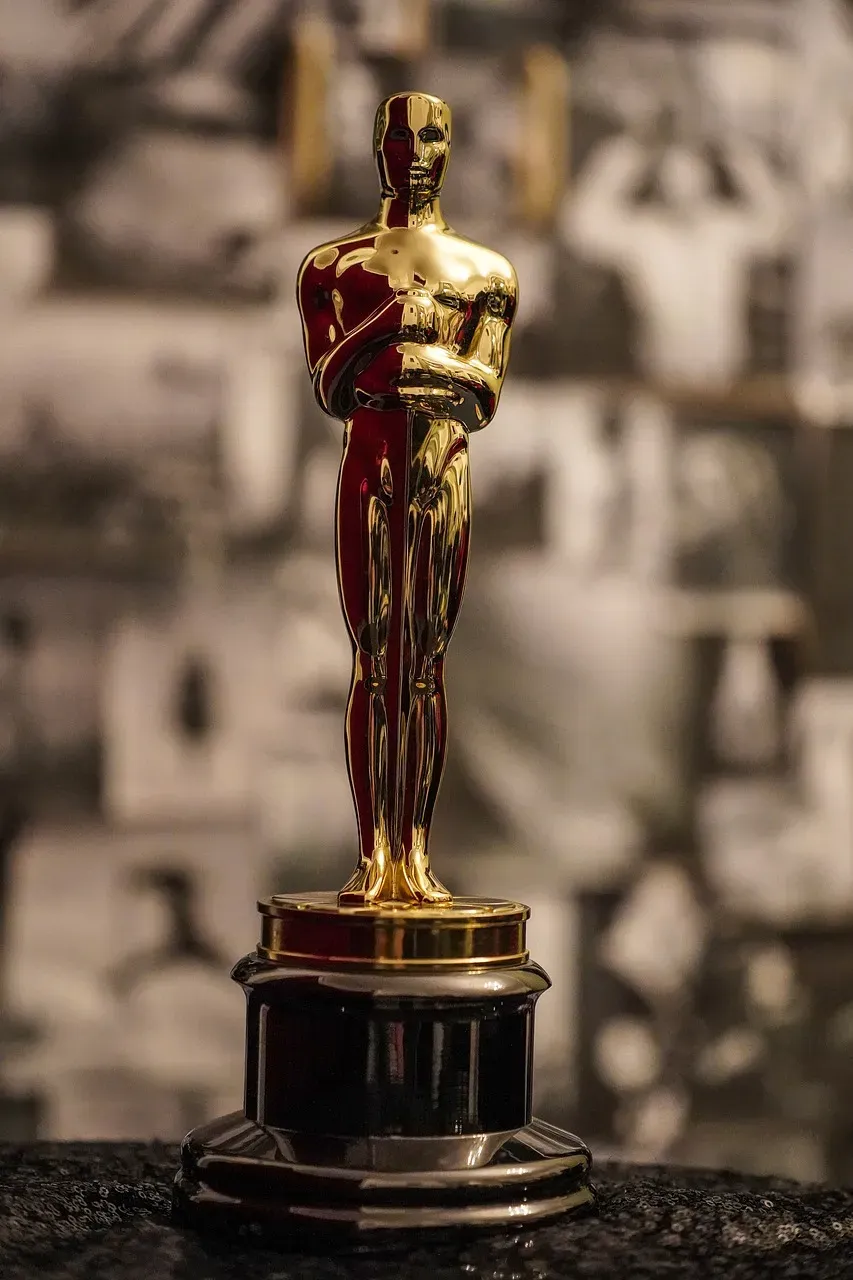
Award recognition matters, and the film industry knows it. The role of popular music in cinema scoring continues expanding beyond traditional orchestral approaches, prompting institutional shifts. Recognition from prestigious bodies validates soundtrack work as legitimate artistic achievement, not mere commercial product.
Oscar rules changed in 2020 to require 60% original music, with sequels needing 80% new material, though this was later adjusted in 2021 to lower the minimum from 60% to 35%. These evolving standards reflect ongoing debates about what constitutes original film music in an era of sampling, adaptation, and franchise dominance.
Soundtracks as Steady Revenue Streams
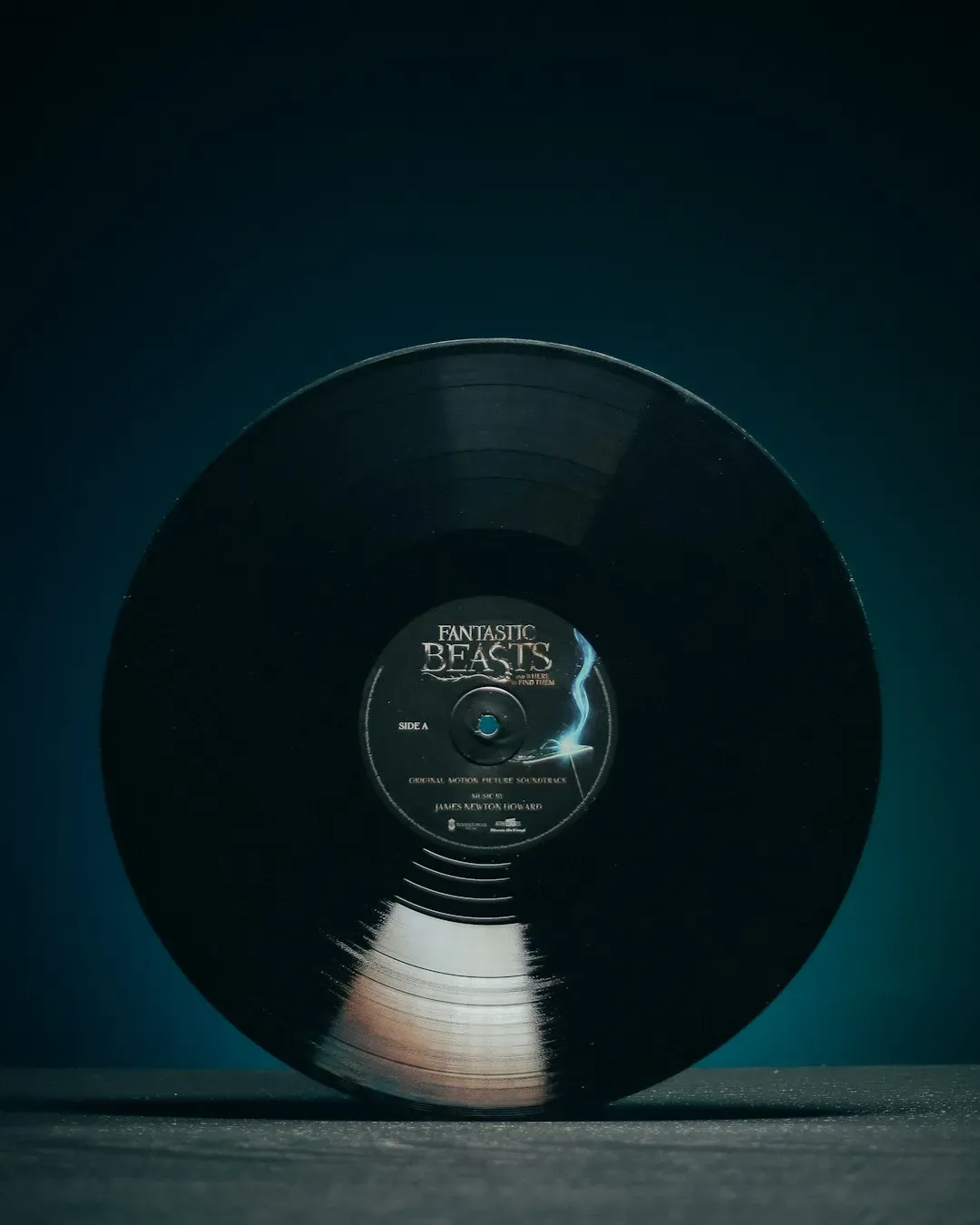
While traditional album sales face challenges, soundtrack releases remain surprisingly stable revenue generators. Digital markets particularly favor these compilations, which offer curated listening experiences across multiple artists and styles. For record labels and streaming platforms, soundtracks represent lower-risk investments with built-in promotional engines through theatrical releases.
Physical formats haven’t disappeared either. The Barbie soundtrack opened with the biggest vinyl numbers for a theatrical film soundtrack since electronic tracking began in 1991, moving 33,000 copies. Collectors value soundtrack releases as cultural artifacts, driving demand for special editions and variant pressings that extend profitability beyond digital streams.
Music That Makes Scenes Unforgettable
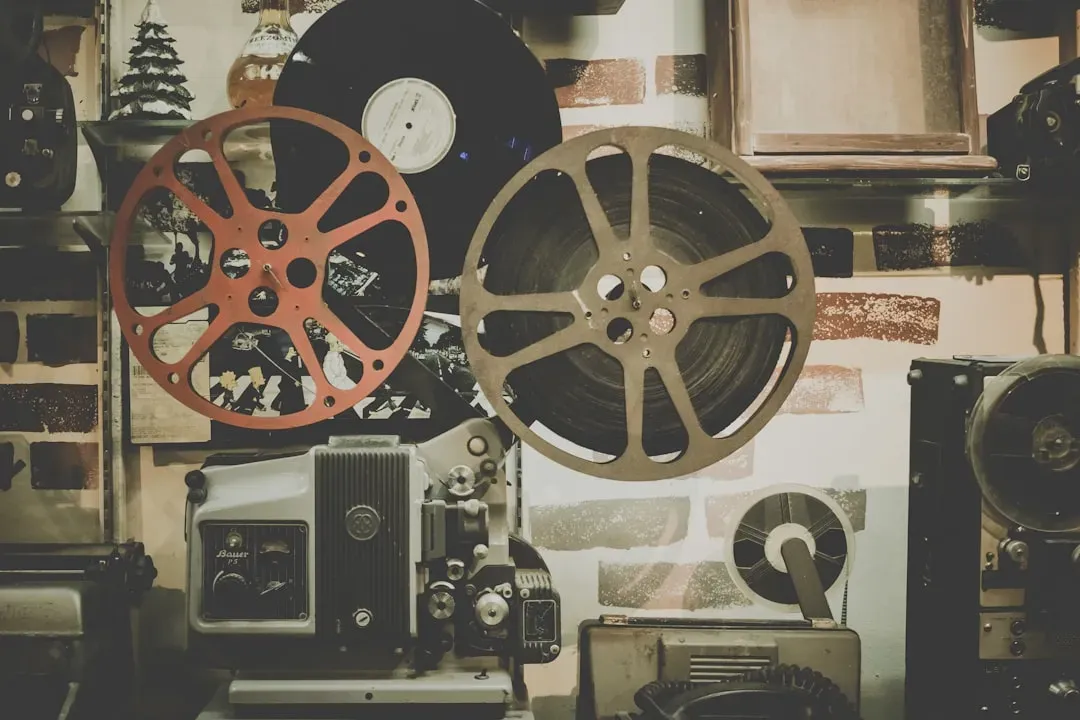
Here’s the thing about film music: it fundamentally alters how we remember what we watch. Neuroscience research demonstrates that musical accompaniment strengthens emotional memory formation during visual storytelling. Songs become permanently linked to specific scenes, characters, and narrative moments in viewers’ minds.
This enhanced memory increases the likelihood of repeat viewings and sustained engagement with film franchises. When audiences can hum a theme or recall a soundtrack highlight, they maintain active connections to movies long after leaving theaters. Music transforms passive viewing into lasting cultural touchstones.
When Concerts Become Cinema Events

Concert films have emerged as legitimate theatrical releases commanding serious box office attention. These productions validate musical performance as primary content worthy of big-screen presentation and premium ticket prices. Taylor Swift’s Eras Tour film grossed hundreds of millions globally, proving that audiences will pay theatrical prices for recorded concert experiences.
Director Sam Wrench, who helmed both the Eras Tour film and Laufey’s Hollywood Bowl concert movie, has become synonymous with translating live performance to cinematic format. The technical sophistication of these productions elevates them beyond simple documentation, creating viewing experiences that rival traditional narrative filmmaking in production value and audience engagement.
Studios Commission Music First Now
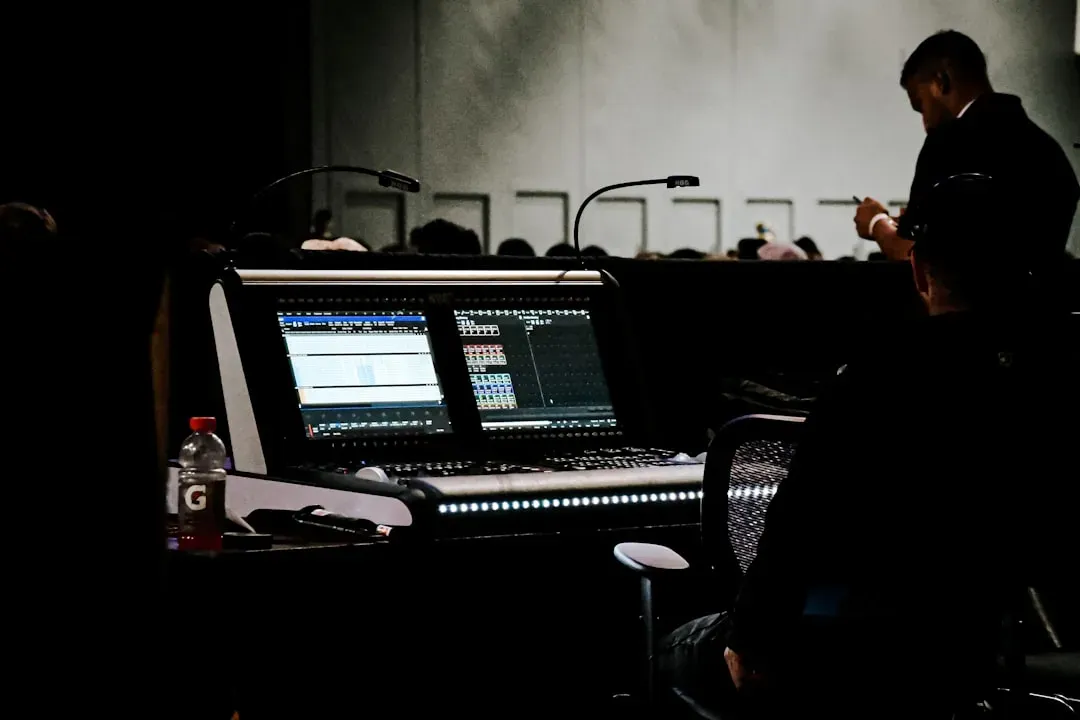
The production timeline for film music has fundamentally shifted. Rather than treating soundtracks as post-production afterthoughts, studios now commission music during pre-production or even development phases. This elevation recognizes music as core storytelling infrastructure, not decorative enhancement.
Early musical development allows composers and music supervisors to collaborate intimately with directors throughout filming. Scenes can be choreographed or edited to accommodate specific musical cues, creating tighter integration between visual and auditory elements. This approach treats music as foundational to cinematic language rather than supplementary dressing.
What Comes Next for Movie Music
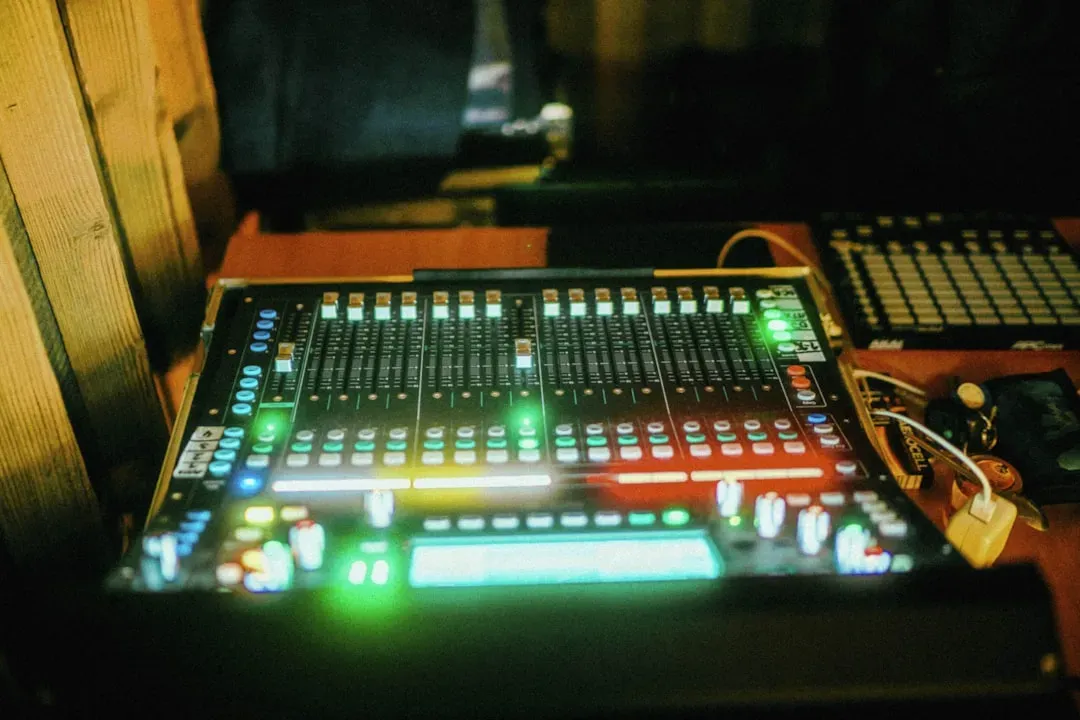
The trajectory seems clear: music will continue gaining prominence as central rather than supporting film element. Streaming platforms provide unprecedented data about which songs resonate with audiences, informing both soundtrack curation and broader musical trends. Artists increasingly view film placements as essential career milestones, not merely ancillary opportunities.
Technological advances in audio production and theatrical sound systems enable more immersive musical experiences that justify premium theatrical attendance. As home viewing options proliferate, the unique sonic impact of theatrical presentation becomes a key differentiator. Music provides one of cinema’s most compelling arguments for leaving the couch behind.