There is something electric about the moment a band nobody has heard of suddenly fills every playlist, every coffee shop speaker, every gym soundsystem all at once. In the streaming era, that kind of overnight recognition is no longer the exclusive property of major-label machines. A single song, the right thirty seconds of audio, and a platform willing to share it can rewrite a band’s entire future. The road from garage rehearsals to global stages has never been shorter, and the stories of how some acts got there are stranger and more compelling than any publicist could invent.
The New Gatekeepers: How Platforms Replaced the Old Music Industry Machine
A staggering 84% of songs entering the Billboard Global 200 in 2024 had a viral moment on TikTok prior to charting, indicating that TikTok virality is now a significant predictor of chart success. That single statistic reframes everything we thought we knew about how bands break through. Labels, radio programmers, and tastemaker magazines once held the keys. Now, an algorithm and a billion scrolling thumbs decide who gets heard. Roughly three quarters of TikTok users discover new songs on the platform, making it the number one place for music discovery worldwide.
TikTok’s discovery mechanism is driven by user-generated content and participatory trends, allowing music to spread rapidly through community interaction, unlike traditional radio play or curated streaming playlists. That shift has handed real power to unsigned and barely-signed bands who previously would have spent years waiting for a label’s green light. For independent artists, TikTok success often sparks chart hits, increases streams, and unlocks touring opportunities well beyond the app itself. The old dream of the garage band making it big hasn’t died. It just moved online.
Glass Animals and the Slowest Rocket in Chart History
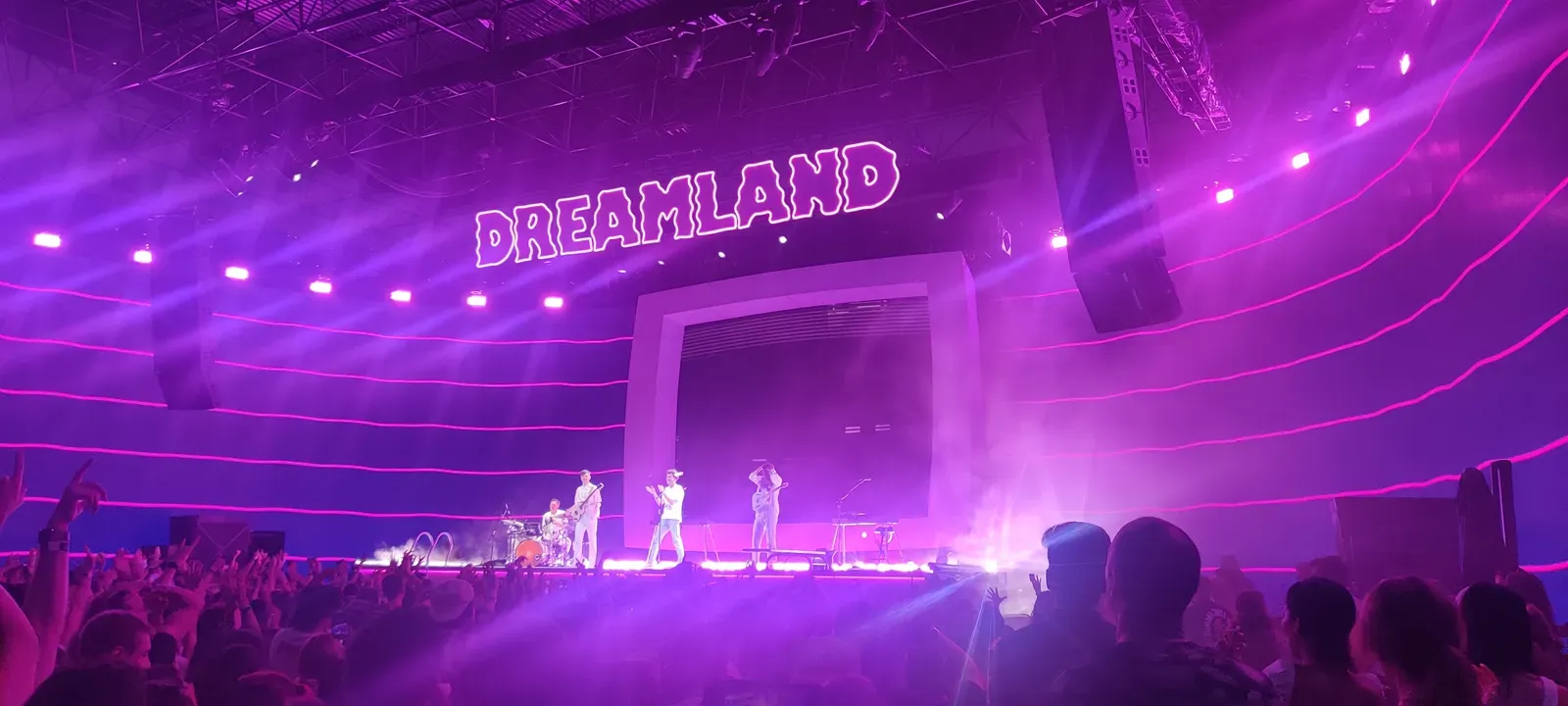
“Heat Waves” is a song by British indie rock band Glass Animals, released as a single from their third studio album Dreamland on June 29, 2020, and after initially gaining little attention, it went on to be the band’s signature song and biggest hit to date. What followed was one of the most improbable chart journeys in modern music history. Heat Waves reached the summit of the Billboard Hot 100 after 59 weeks on the chart, setting a record for the longest climb to number one in US chart history.
Instead of a fast, extreme viral spike, virality proved it doesn’t have to be so quick. “Heat Waves” spread slowly over multiple bumps, one from a fanfic trend in late 2020, one from seasonal appropriateness in mid-2021, and one from a remix trend on TikTok later that year. In addition to reaching number five on the UK Singles Chart and being a top-five hit in several other European countries, it reached number one in Australia, Canada, and the United States, and at 91 weeks became the longest charting song on the Hot 100 of all time, surpassing “Blinding Lights” by The Weeknd. By June 2024, the song had accumulated more than three billion streams on Spotify.
Chappell Roan: From Shelved Debut to Breakout Phenomenon
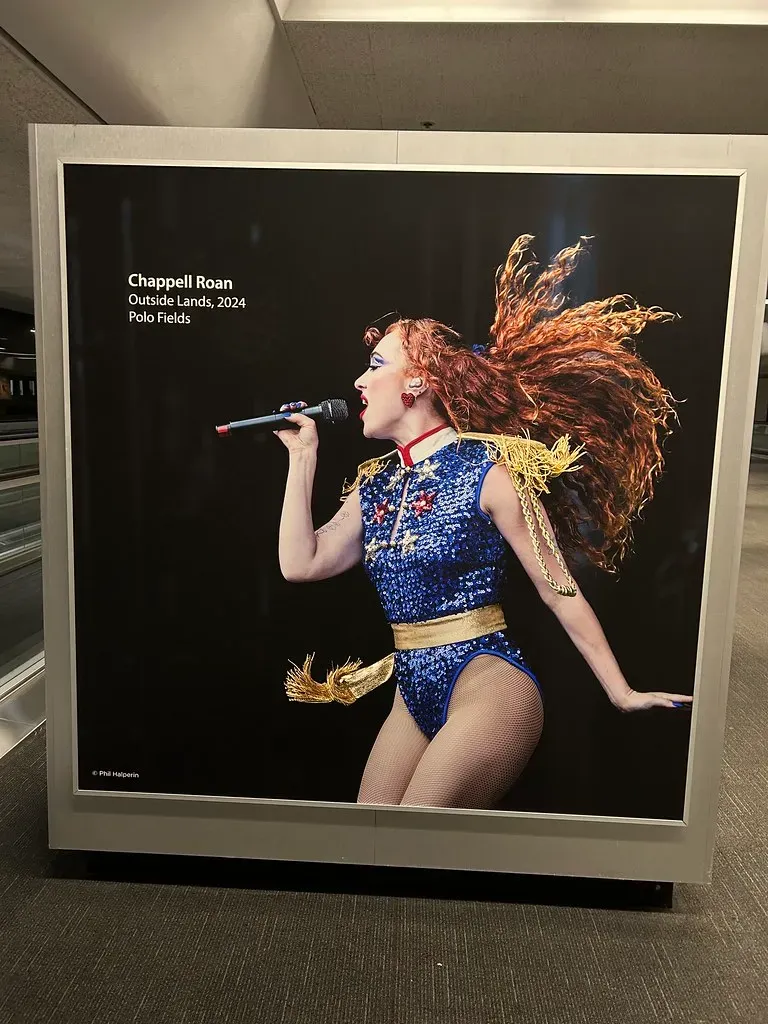
Going into 2024, you could understandably be forgiven for not knowing who Chappell Roan was, but exiting the year you’d be hard pressed to find someone who doesn’t. Not unlike fellow pop songstresses Tinashe and Charli XCX, Roan spent years working toward her dream of success in the music industry with little success. Her story is a textbook example of how a platform can resurrect a stalled career and transform it into something genuinely massive.
The case of Chappell Roan exemplifies TikTok’s influence. Despite releasing her debut album in 2023, Roan’s breakthrough came in 2024 when her songs went viral on TikTok, sparking trends and propelling her to become the third most-streamed female pop artist in the US by September. Her theatrical aesthetics and campy pop sensibility turned out to be perfectly engineered for short-form video, even if she hadn’t engineered them that way. TikTok and Luminate’s Music Impact Report singled out Chappell Roan as one of the artists who benefitted most significantly from TikTok virality in 2024.
Tinashe’s Second Chance and the Dance That Changed Everything
Despite the fact that Tinashe was clearly putting in the work and the time, mainstream success proved elusive after she dropped her 2014 debut album “Aquarius.” Thankfully for Tinashe, a viral TikTok by user “Nate Di Winer,” which featured “Nasty” dubbed over its original audio, went massively viral. It is a remarkable case of a band-level artist with years of craft behind her finally catching a wave she had no part in creating. The viral dance trend that emerged gained further traction once Tinashe herself responded to it, sending “Nasty” to the Billboard Hot 100, the singer’s first appearance on the chart since a decade earlier.
Tinashe had been a music industry presence for a long time, and in fact “Quantum Baby,” the album that “Nasty” appears on, is actually her seventh studio album. A decade of work, seven records deep, and it took a stranger’s TikTok to finally make the mainstream listen. It’s a story that highlights both the cruelty and the strange generosity of the algorithm. A track doesn’t require a big-budget push to blow up. A single video, an emerging wave, or a catchy hook on repeat might launch a song worldwide by morning.
The Jawsh 685 Blueprint: A Bedroom Beat Goes Global

The New Zealand producer born Joshua Stylah was 17 when he released a minimalist piano-horns-drums beat made with FL Studio software in 2020. “Laxed (Siren Beat)” went viral on TikTok as the Culture Dance, and celebrities from Jimmy Fallon to BTS posted some of the 55 million-plus videos set to the song. From there, the track evolved into “Savage Love” with Jason Derulo, and became one of the defining international hits of that year. The song’s catchy beat, derived from Jawsh 685’s viral instrumental “Laxed – Siren Beat,” combined with Derulo’s smooth vocals, made it a favorite on social media, leading to chart-topping success worldwide, and the track’s success highlights the growing influence of TikTok in shaping music trends and launching global hits.
What makes this story so resonant is its pure DIY origin. No label. No publicist. No industry connection. Just a teenager in New Zealand with a laptop and a gift for melody. Research from Duetti’s Music Economics Report found that even amongst the less than 1% of tracks that go viral on TikTok, only roughly 15% experience long-term streaming growth on platforms like Spotify and Apple Music. Jawsh 685 landed squarely in that rare top tier, and his story remains one of the clearest illustrations of what the viral era can offer a completely unknown act.
The Broader Pattern: Virality as a Career Launchpad, Not Just a Moment

In 2020, it took an average of 340 days for a song to hit 100,000 TikTok posts. By 2025, that number dropped to just around 50 days. Faster virality no longer means bigger success, though, as TikTok fame now burns brighter but shorter, with fewer viral songs translating into lasting Spotify streams. That tension between a flash moment and a genuine career is what separates the bands who make it from those who become footnotes. Artists like Sombr and Ravyn Lenae have parlayed TikTok virality into streaming success and a growing radio embrace, demonstrating themselves as likely stars in development rather than one-moment wonders.
TikTok drives massive awareness and can catapult a song to the charts, but it doesn’t necessarily create the kind of deep listener engagement that sustains careers. The platform excels at creating viral moments, and whether those moments convert to long-term fans remains an open question. The bands that navigate this successfully tend to be the ones who treat the viral song as an introduction rather than a destination. In 2025, TikTok and its community of over a billion music fans proved once again that music starts on TikTok, with the platform providing the launchpad for the careers of a host of new artists including Alex Warren, Ravyn Lenae, Sombr, and Lola Young. The garage is still where the work happens. The algorithm just decides when the world gets to hear it.