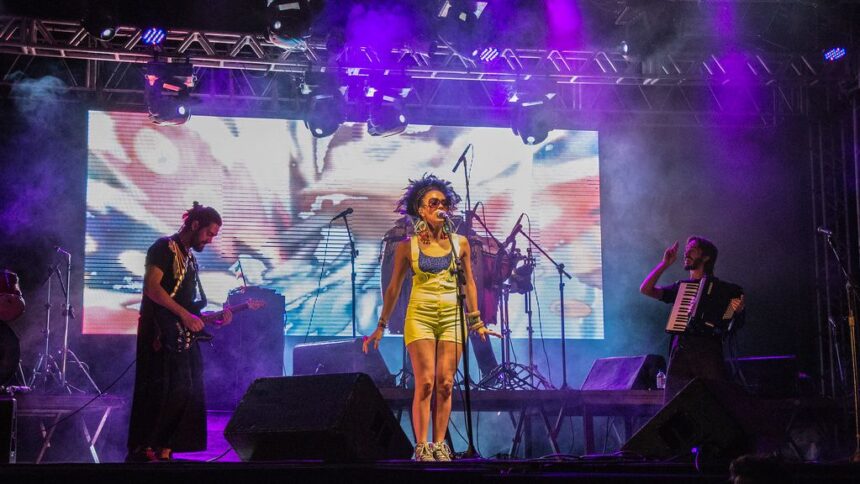
Music has this wild way of starting in the most unexpected places. What begins in a dimly lit basement or a cramped warehouse can suddenly explode across the planet, reshaping entire cultures. These underground movements often emerge from frustration, rebellion, or pure creative necessity, far removed from commercial ambitions. Yet somehow, they punch through the noise and become defining sounds of their generations, proving time and again that authenticity can overpower even the most polished marketing campaigns.
Hip-Hop’s Journey From the Bronx to Global Domination

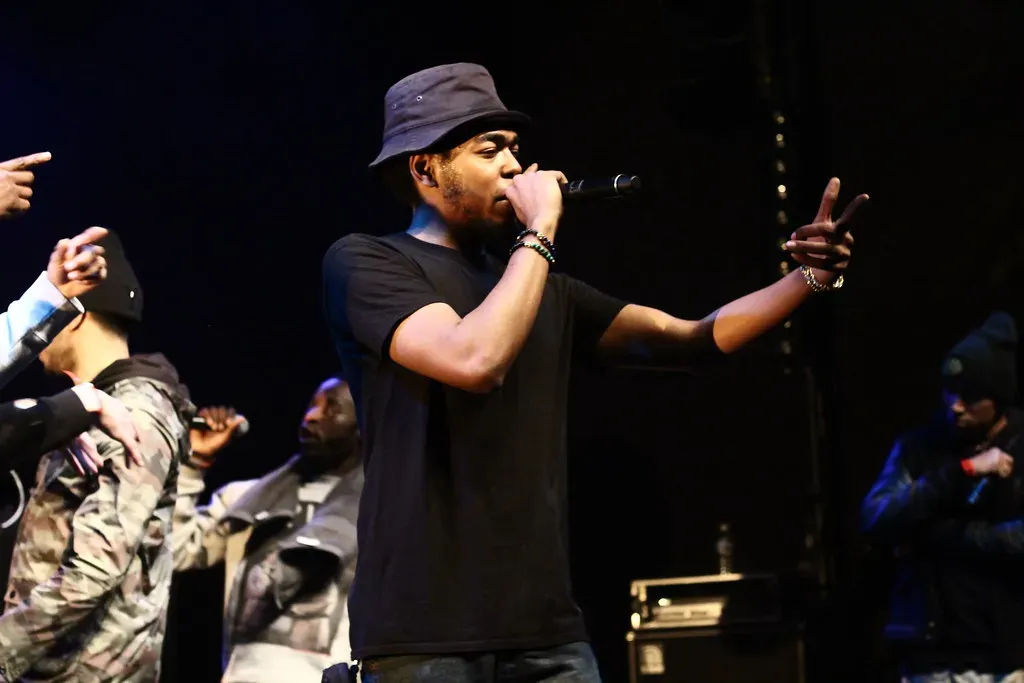
The 1980s and 1990s were pivotal decades for hip-hop, marking its shift from an underground movement into a global mainstream phenomenon. From his self-started label, merging the transgressive energy of punk and hip hop, Rubin almost single-handedly provided the platform for hip hop to transition from an underground phenomenon to the best-selling music genre in the world. MTV’s show Yo! MTV Raps helped bring hip-hop into mainstream American culture in the 1980s, and it would make national stars of rappers whose work had been largely ignored by mainstream media.
Several key factors contributed to this transition, including the rise of music television, the influence of crossover artists, and increasing corporate involvement through endorsements and brand partnerships. The cultural shift didn’t happen overnight, yet once hip-hop found its footing on MTV and through major label deals, there was no turning back. What started as block parties with turntables became stadiums packed with devoted fans across every continent.
Punk Rock’s DIY Revolution Changed Music Forever

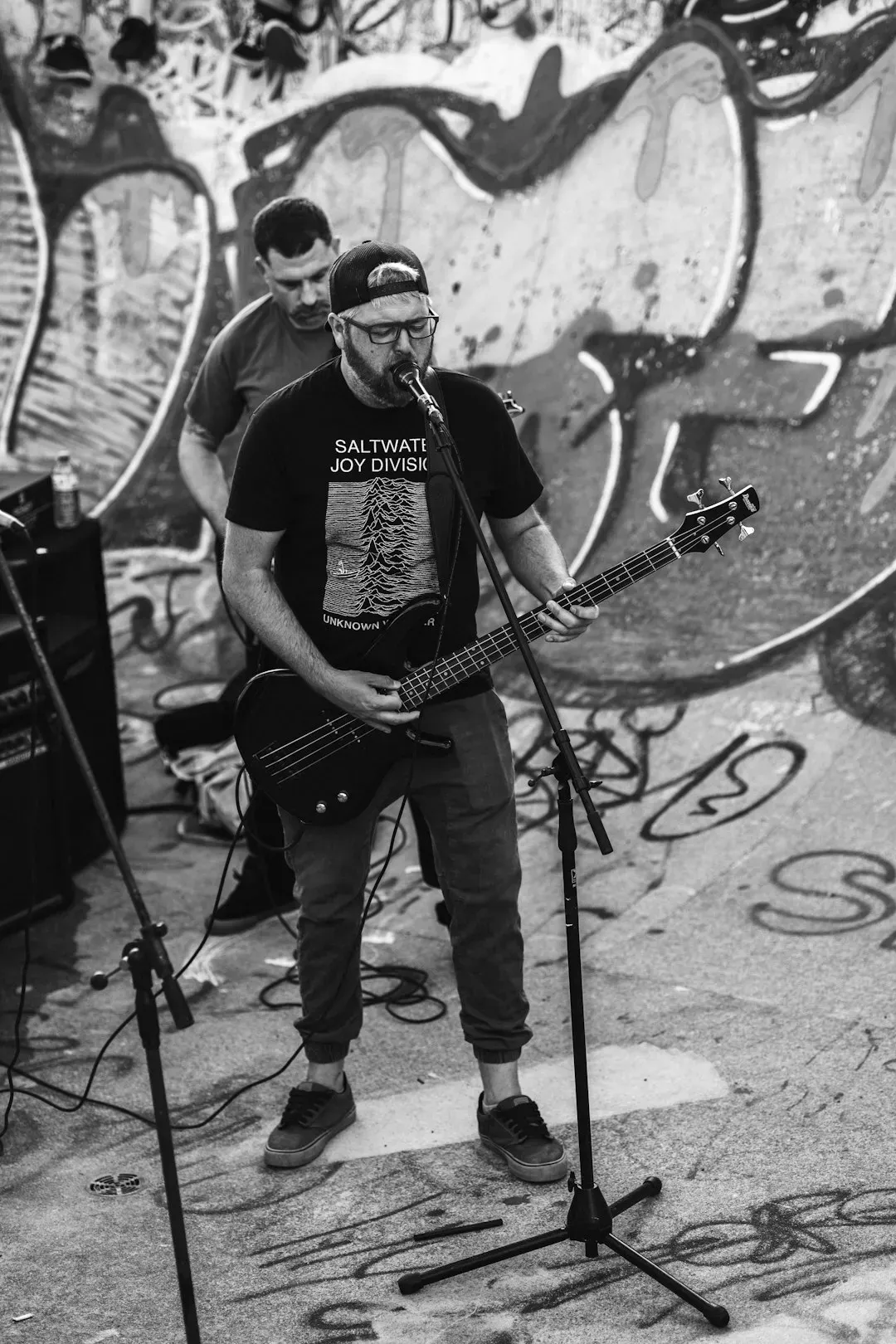
Punk bands rejected the overproduction and corporate nature of mainstream rock music, typically producing short, fast-paced songs with rough stripped-down vocals and instrumentation and an anti-establishment theme, artists embrace a DIY ethic with many bands self-producing and distributing recordings through independent labels. In early 1977, Mancunian band Buzzcocks changed the musical landscape forever when they self-released their debut EP, Spiral Scratch. This decision took all the power away from record label executives, putting creative control entirely in the hands of artists.
This very self-sufficiency was arguably the central tenet of fiercely independent imprints established during the 80s and 90s, among them anarcho-punk stronghold Crass and Washington, DC-based hardcore punk label Dischord, both of whom successfully produced all their own albums and sold them at discount prices without financial input from major distributors. Punk’s rawness became its power, creating a blueprint still used today by independent artists worldwide who refuse to compromise their vision.
Electronic Dance Music’s Evolution From Warehouse Raves to Festival Mainstages

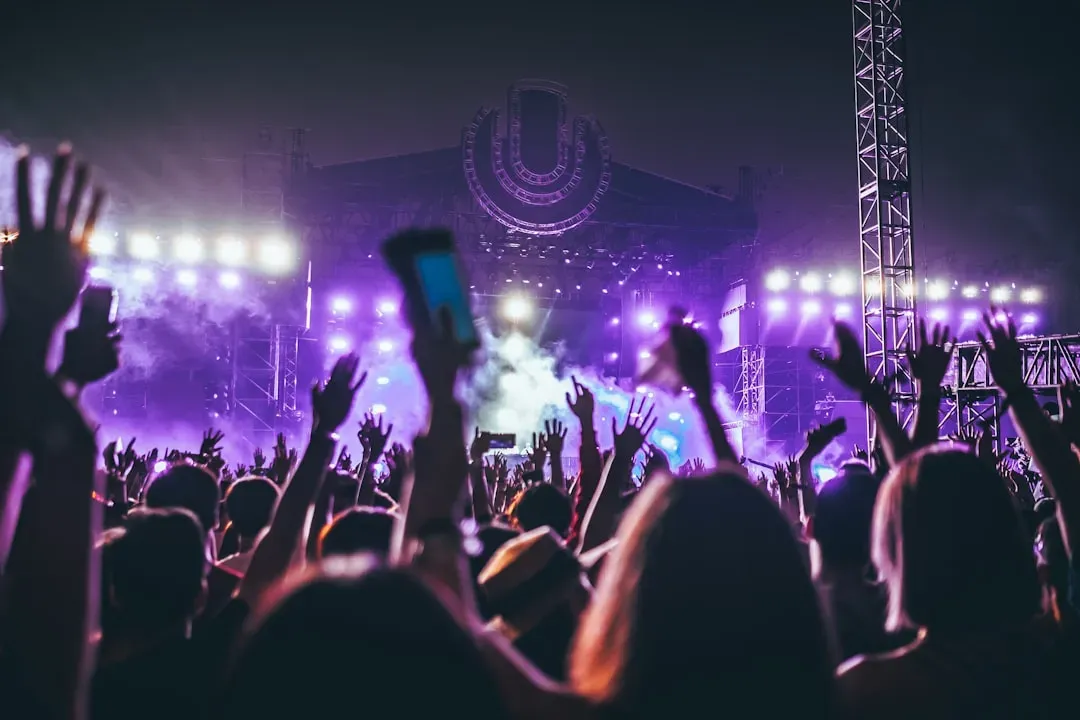
In the 1980s, electronic dance music was often played at illegal underground rave parties held in secret locations, for example, warehouses, abandoned aircraft hangars, fields and any other large, open areas. In the 1990s and 2000s, aspects of the underground rave culture of the 1980s and early 1990s began to evolve into legitimate, organized EDM concerts and festivals. EDM largely started underground in the early 1980s as a part of party and rave culture, but by the late 2000s, it had been embraced by mainstream audiences.
The transformation seemed almost unlikely at times. By 2015, EDM’s global value was estimated at around $6.9 billion, and at the height of its powers, the moment its demise began to feel like a hard fact was August 6 of that year. Still, the genre proved resilient, continuously reinventing itself through subgenres and regional variations that kept fans engaged and curious about what came next.
Grunge Exploded Out of Seattle and Redefined Rock Music


The early grunge movement revolved around Seattle’s independent record label Sub Pop and the region’s underground music scene, with local bands such as Green River, the Melvins, and Mudhoney playing key roles in the genre’s development. Grunge broke through into the mainstream in the early-to-mid-1990s, led by Nirvana’s Nevermind in 1991, and followed by other crossover successes including Pearl Jam’s Ten, Soundgarden’s Badmotorfinger, and Alice in Chains’ Dirt.
When Nirvana’s signature hit, “Smells Like Teen Spirit,” first impacted in 1991, the music industry barely knew what hit it. After a decade during which popular music was dominated by synthesizers, big hair, and excessive production techniques, deliverance had finally arrived in the shape of three outsiders from Seattle spearheading what the press had dubbed grunge music. This single decade, from roughly 1987 to 1996, completely altered rock’s trajectory, proving that angst and distortion could dominate just as fiercely as any polished arena rock anthem.
Reggaeton’s Rise From Caribbean Streets to Worldwide Charts

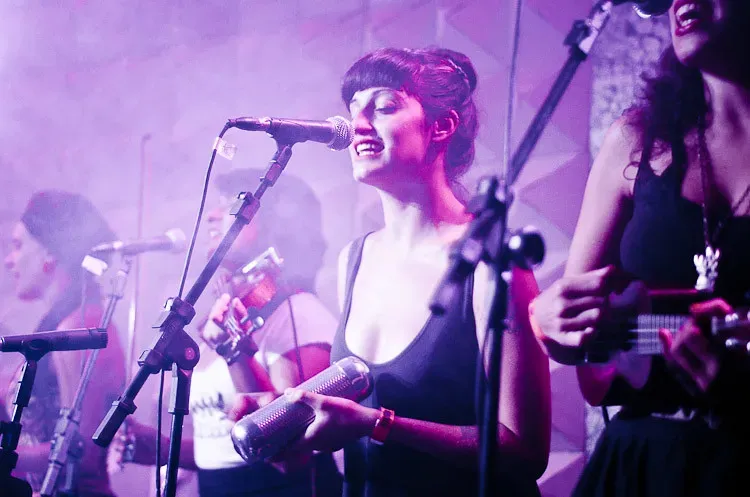
In 2023, three of Spotify’s top 10 most streamed songs in the world released that year came from the updated Regional Mexican scene, with traditional Mexican guitar ballads given an internet-filtered reggaeton/rap reboot. The three tracks were from artists who have all blown up over the last year – Eslabon Armado, Yng Lvcas, and Grupo Frontera, and in addition, Peso Pluma, Junior H, Carin Leon, and Fuerza Regida have become worldwide superstars singing in Spanish.
In the fourteenth consecutive year of revenue growth, recorded music revenues in Latin America rose steeply in 2023 by 19.4%, once again outpacing the global growth rate. There were double-digit percentage climbs in revenues in Brazil and Mexico, the region’s largest markets. The genre’s infectious rhythms and bilingual appeal shattered language barriers, demonstrating that English was no longer the sole passport to global success.
Afrobeats Breaks Through on the Global Stage
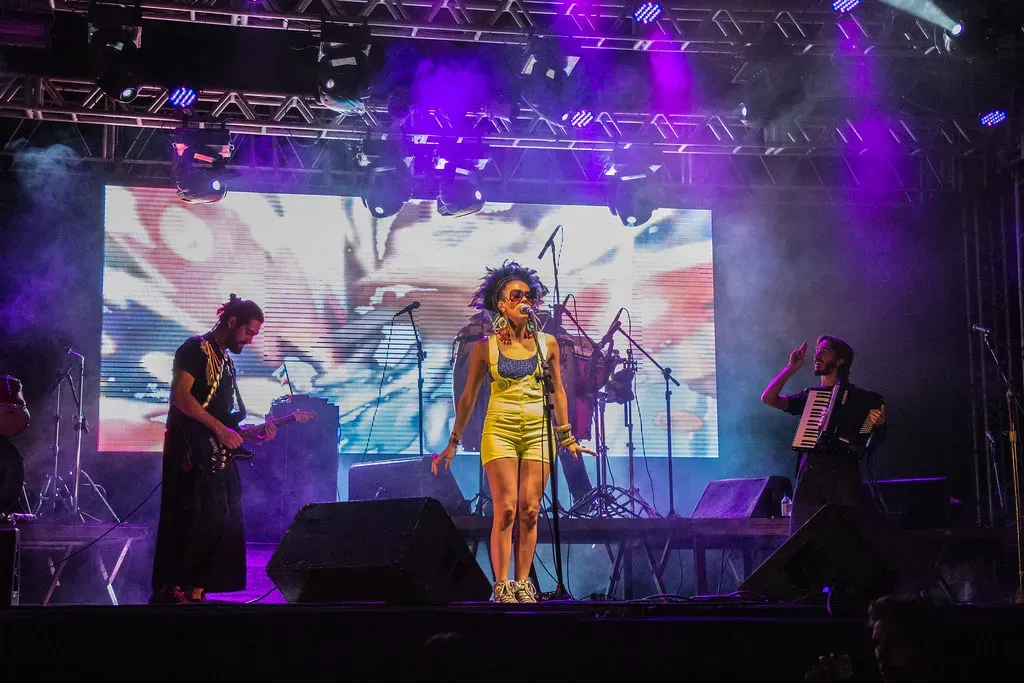
Afrobeats has experienced remarkable growth, with African artists gaining unprecedented visibility on international platforms. In 2023, Sub-Saharan Africa saw a remarkable 24.7% growth in music revenues, the highest among all global territories. This significant upsurge is not just a numerical triumph; it signals a burgeoning landscape ripe with opportunities for artists worldwide. Streaming platforms have been instrumental in amplifying voices that traditional media often overlooked.
Artists from Nigeria, Ghana, South Africa, and beyond have cultivated devoted followings far beyond their home countries. The genre’s blend of traditional African rhythms with contemporary production has resonated deeply with listeners seeking fresh, vibrant sounds that feel both familiar and excitingly new.
Streaming Platforms as Catalysts for Underground Sounds

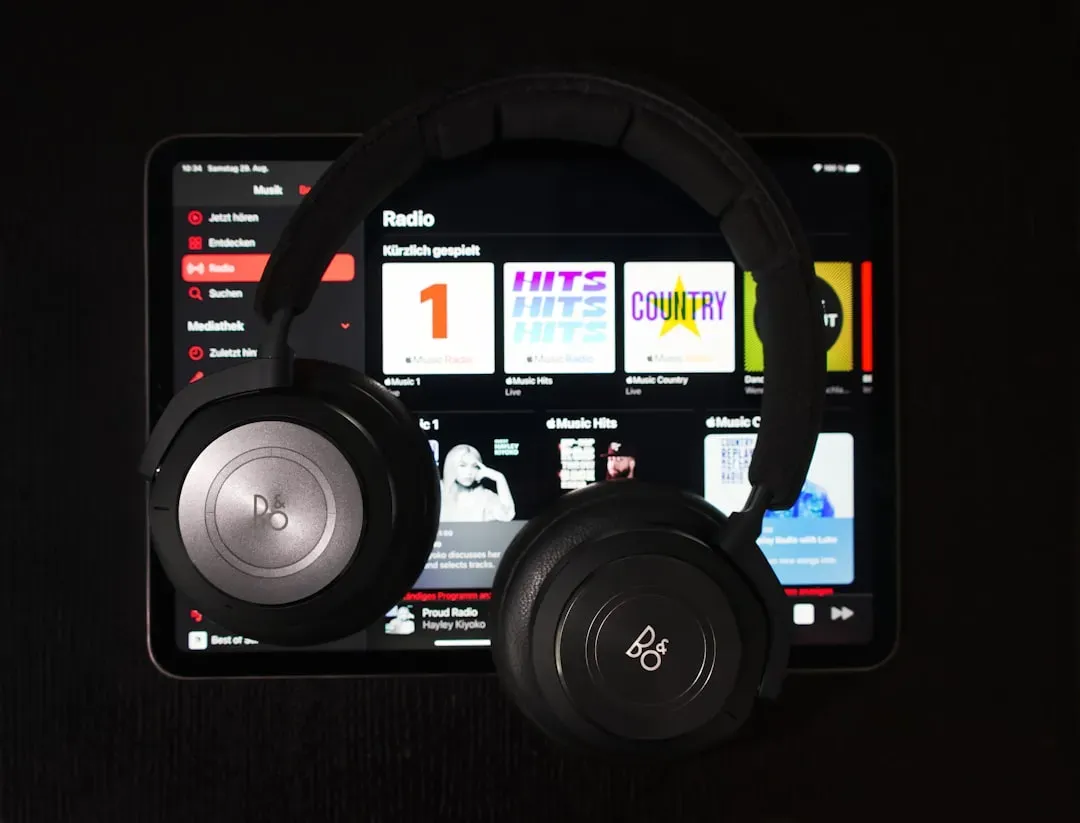
Digital revenues have increased steadily over the past few years and streaming continued to be the dominant format globally, accounting for 69.0% of global recorded music revenues after increasing by 9.5% in 2024. The democratization of music distribution fundamentally altered how underground genres reach audiences. No longer did artists need radio play or major label backing to find their fans.
Independent artists could upload tracks directly to platforms, bypassing gatekeepers entirely. This shift empowered niche movements to cultivate global communities almost overnight, with algorithms sometimes amplifying obscure sounds to millions of curious listeners. The barriers that once kept underground music underground have largely crumbled.
Independent Labels and the Power of Grassroots Distribution
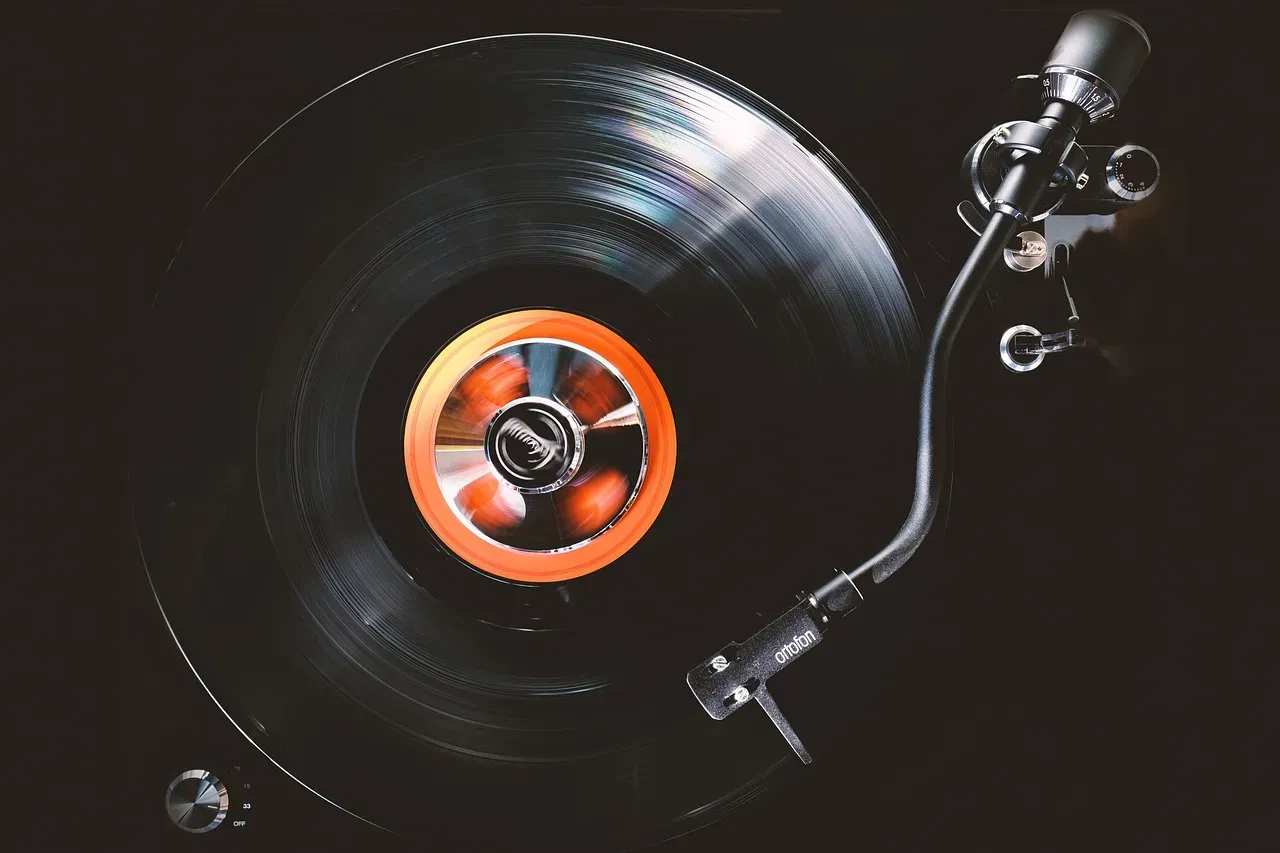
Bob Last claims that he founded his Fast Product record label after picking up Spiral Scratch: “I had absolutely no idea there’d been a history of independent labels before that. Spiral Scratch turned my head around.” In the wake of Spiral Scratch, small DIY record labels sprang up across the U.K. These independent operations became crucial incubators for genres that major labels considered too risky or uncommercial.
Independent labels operated on passion rather than profit projections, willing to take chances on raw talent and experimental sounds. They nurtured entire scenes, from post-punk to electronic subgenres, proving that small-scale operations with authentic connections to their communities could rival corporate machines in cultural impact, if not always in revenue.
The Role of Youth Culture and Social Movements

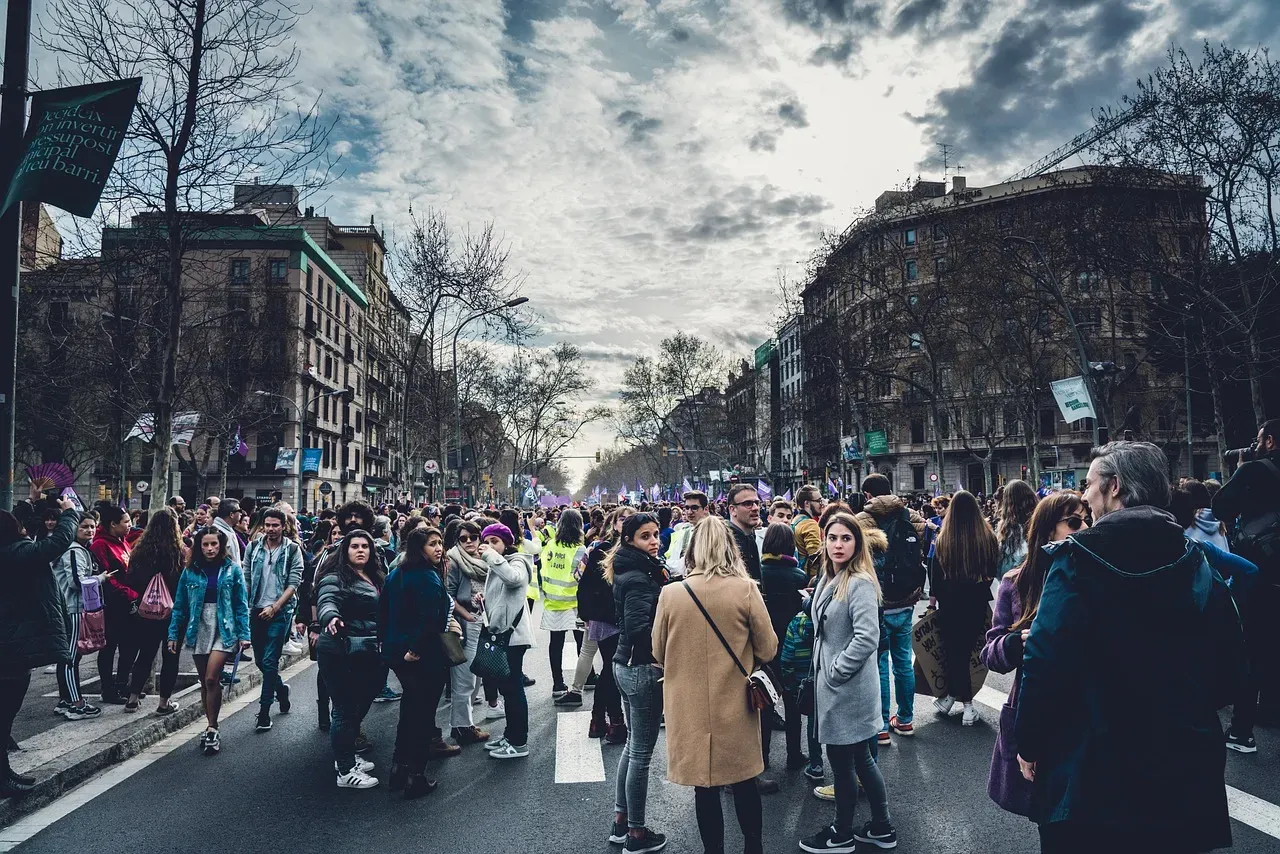
Music movements rarely exist in isolation from broader cultural shifts. Hip-hop emerged alongside discussions about race, inequality, and urban life in America. Punk responded to economic stagnation and political disillusionment in the UK and US. Each movement carried messages that resonated beyond mere entertainment, giving voice to communities that felt unheard.
Young people gravitated toward these sounds because they articulated feelings of alienation, frustration, or hope that mainstream culture ignored or sanitized. The music became soundtracks to broader social conversations, amplifying demands for change and creating spaces where like-minded individuals could connect and organize.
When Underground Goes Mainstream: Authenticity vs. Commercialization


The transition from underground to mainstream always involves tension. Purists worry that commercial success dilutes the original spirit, that major label involvement strips away the rawness that made the music compelling in the first place. These concerns aren’t entirely unfounded – many movements have seen their edges softened for broader appeal.
Yet mainstream success also validates the artists who poured everything into their craft when nobody was paying attention. It brings resources, wider audiences, and the potential to influence culture on a massive scale. The challenge lies in maintaining artistic integrity while accepting that growth inevitably changes what something is and means. What do you think about it? Did your favorite underground movement stay true to its roots, or did it transform into something unrecognizable?