There’s something happening in dimly lit venues across Las Vegas and beyond. People who once crowded into record shops now fill poetry readings. The same folks who obsess over rare pressings and liner notes are suddenly memorizing stanzas. It’s not a trend anyone saw coming, yet here we are.
Music and poetry have always been cousins, sure. But lately they’re acting more like twins. Maybe it’s the stripped-down intimacy both offer in our overstimulated world. Or perhaps we’re all just tired of scrolling. Whatever the reason, vinyl collectors are discovering that poems hit different when you actually hear them out loud. Let’s dive in.
The Rhythm Connection Nobody Talks About

Music lovers already understand rhythm instinctively. They feel the pocket, recognize syncopation, know when a beat lands just right. Poetry operates on that same wavelength. The iambic heartbeat of a sonnet mirrors a steady bass line. Free verse flows like jazz improvisation.
Vegas spoken word nights have exploded in the past couple years. Places like The Writer’s Block downtown host weekly slams where the audience snaps instead of claps. The performers often cite musicians as influences, not other poets. One regular told me she structures her pieces like hip-hop tracks, complete with hooks and bridges.
When you’ve trained your ear to catch subtle changes in tempo or key, you naturally pick up on poetic devices. Alliteration becomes percussion. Enjambment creates suspense like a held note. The translation feels effortless because the brain’s already wired for pattern recognition.
Album Art Meets Book Covers

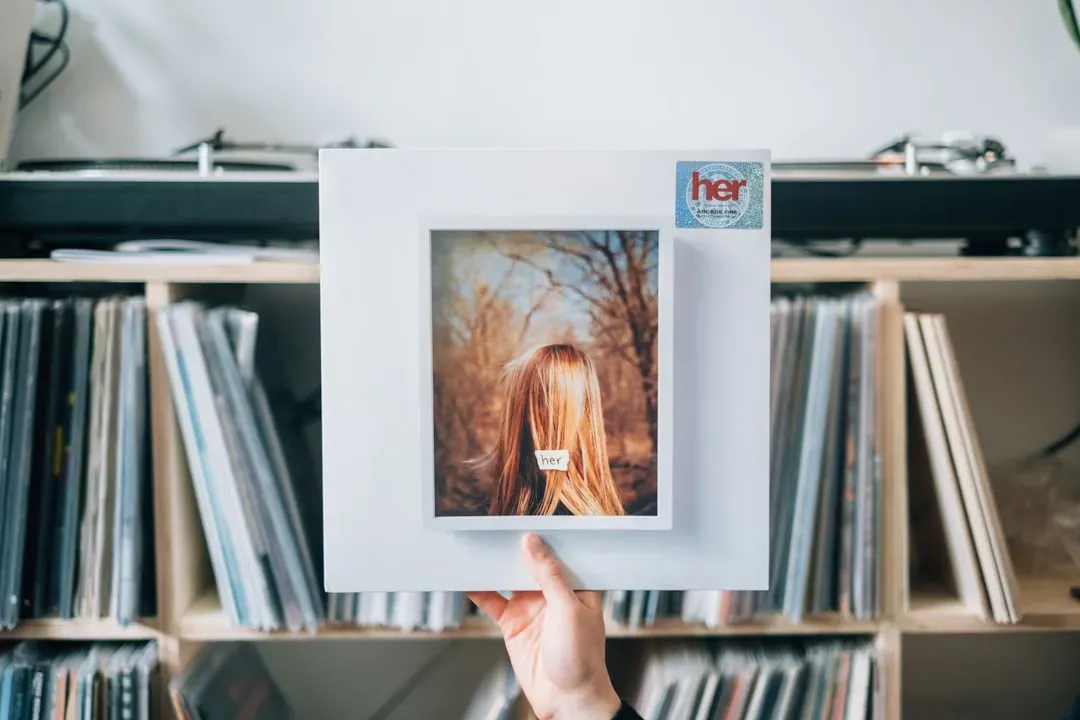
Anyone who collects vinyl knows the ritual. You pull the record from its sleeve, admire the artwork, read the credits. Poetry collections offer a similar tactile pleasure. Independent publishers now design books with the same care labels put into album packaging.
Small presses like Copper Canyon and Graywolf treat their poetry volumes like limited edition releases. Embossed covers, quality paper stock, thoughtful typography. Some even include liner notes from the poet explaining their creative process. The physical object matters again.
I’ve noticed this firsthand at local bookstores. The poetry section, once a dusty corner nobody visited, now gets prime real estate. Readers photograph their stacks for social media the same way they’d show off new vinyl hauls. It’s about curation, about building a collection that says something about who you are.
The Return of Live Performance
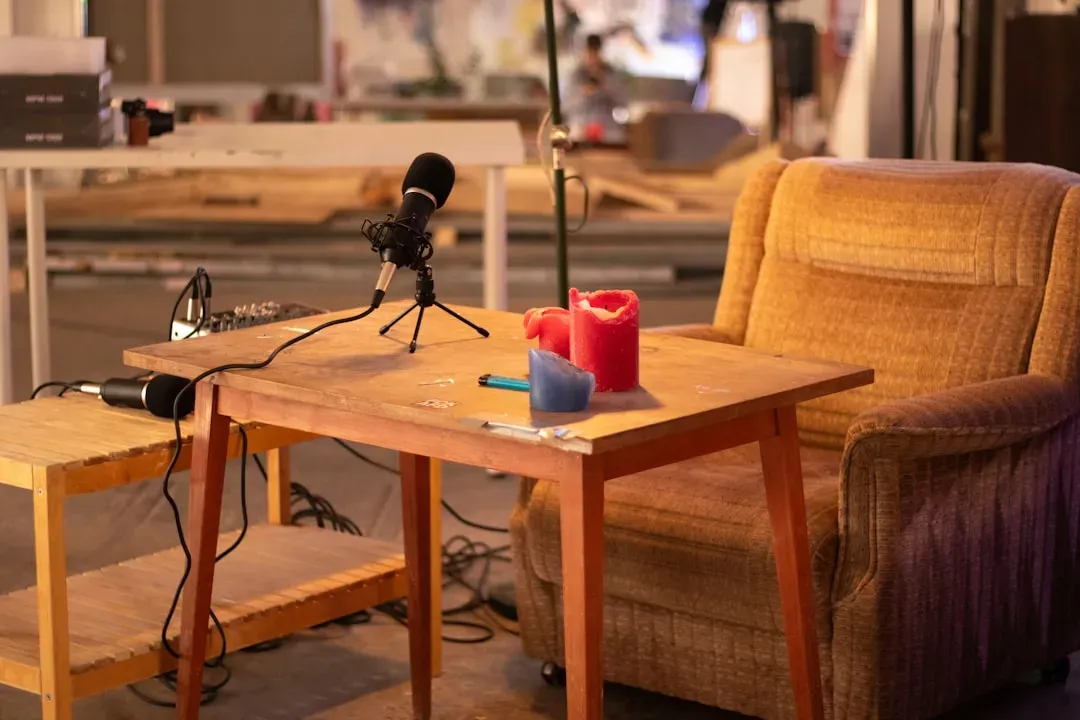
Streaming killed something essential about music consumption. You don’t experience it together anymore, not really. Poetry readings bring back that communal energy. Everyone’s in the same room, breathing the same air, reacting in real time.
Vegas has always been a performance town, but poetry slams add something concerts can’t quite match. The audience judges the work immediately. Performers feed off crowd energy, adjusting their delivery on the fly. There’s no production between artist and listener, no sound engineer tweaking levels.
At a recent event I attended near the Arts District, a poet performed a piece about desert isolation that had people literally gasping. The silence afterward felt heavy, meaningful. You don’t get that scrolling through Instagram poems with sunset backgrounds. The live element changes everything.
Lyrics Aren’t Enough Anymore
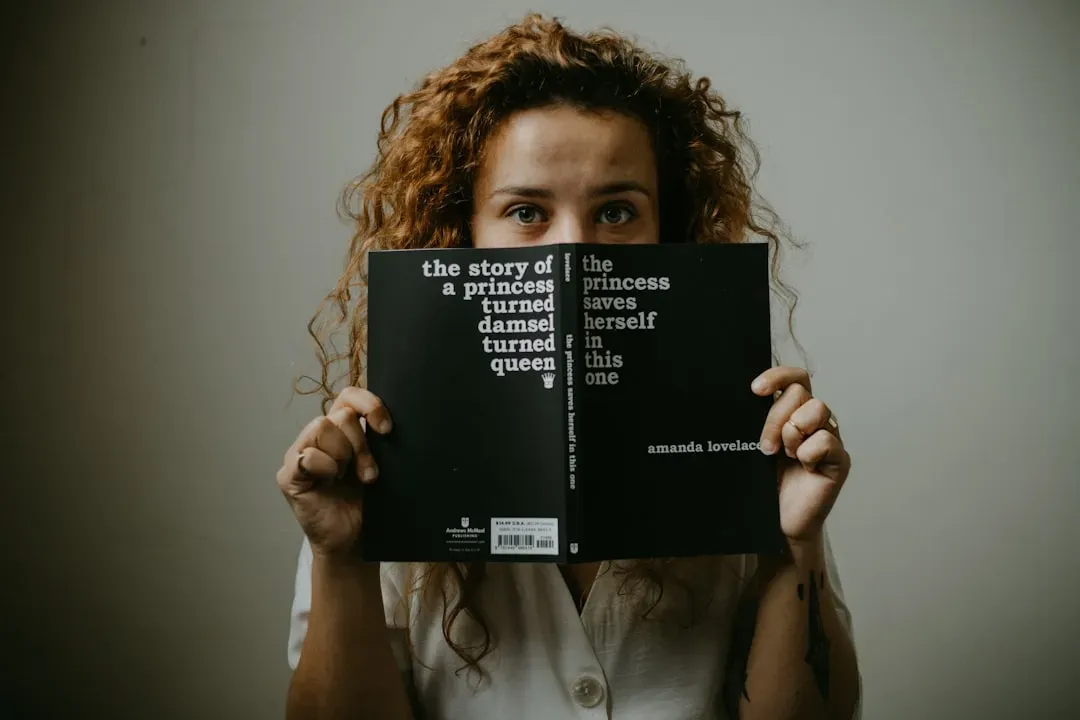
Here’s the thing. Music lovers have always been closet poetry fans, they just didn’t know it. Anyone who’s ever dissected Bob Dylan or Joni Mitchell or Kendrick Lamar was already doing literary analysis. But at some point, lyrics alone stopped scratching that itch.
Modern production can bury words under layers of sound. Auto-tune smooths out the raw edges. Poetry strips all that away. It’s just language and delivery, nothing to hide behind. For people who want to sit with words and really chew on them, poems offer that space.
A DJ I know who spins at several Vegas clubs started hosting a monthly poetry night at his apartment. He said music feels too polished now, too produced. Poetry has the imperfection he craves. The occasional stumble, the nervous pause, the way a voice cracks on an emotional line. That’s the human element he’s been missing.
The Instagram Effect Nobody Expected

Social media was supposed to kill poetry, make it into bite-sized greeting card nonsense. Instead it created a massive new audience. Younger folks discovering Rupi Kaur or Warsan Shire often want more substance. They graduate from Instagram posts to actual books.
Vegas writers have built serious followings online, then translated that into packed readings. The digital presence doesn’t replace the physical experience, it enhances it. People see a poem they love online, then show up to hear the poet perform it live. The cycle feeds itself.
What’s interesting is how this mirrors vinyl’s resurgence. Digital streaming led people back to physical records because they wanted something tangible. Instagram poetry leads readers back to actual poetry collections for the same reason. We’re tired of everything being ephemeral.
The Vegas Poetry Underground

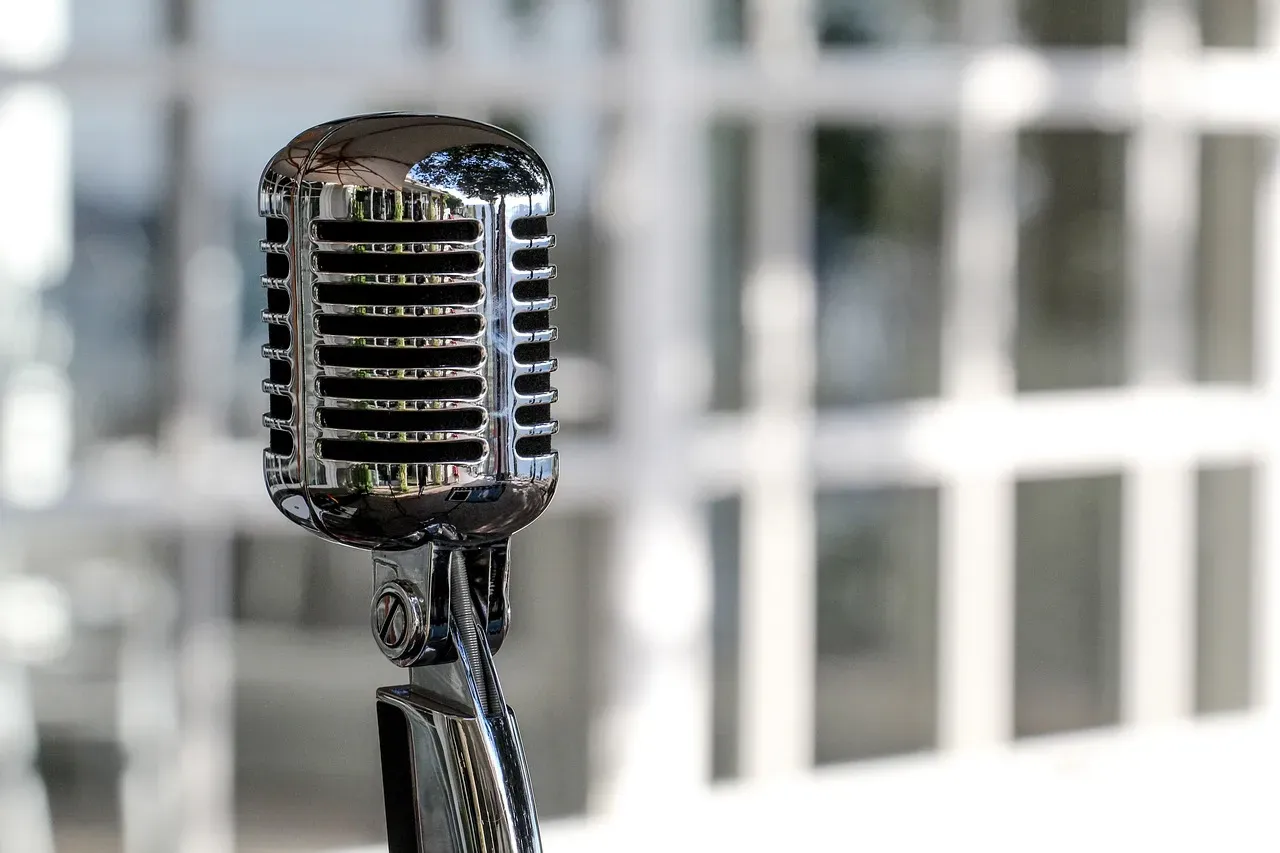
This city has a poetry scene most people don’t know exists. While tourists hit the Strip, locals gather at coffee shops and dive bars for open mics. The scene’s grown exponentially, fueled partly by music fans seeking something different.
Emergency Arts on Fremont hosts a monthly series that regularly sells out. The crowd skews younger than you’d expect, lots of people in band shirts and vintage denim. They come for the same reason they’d catch a punk show, that raw energy, that sense of discovering something underground and vital.
Several local poets have started collaborating with musicians, creating hybrid performances. Words over beats, spoken verse with live instrumentation. It’s not quite music, not quite pure poetry, but something in between that feels completely fresh.
Building Collections, Building Identity
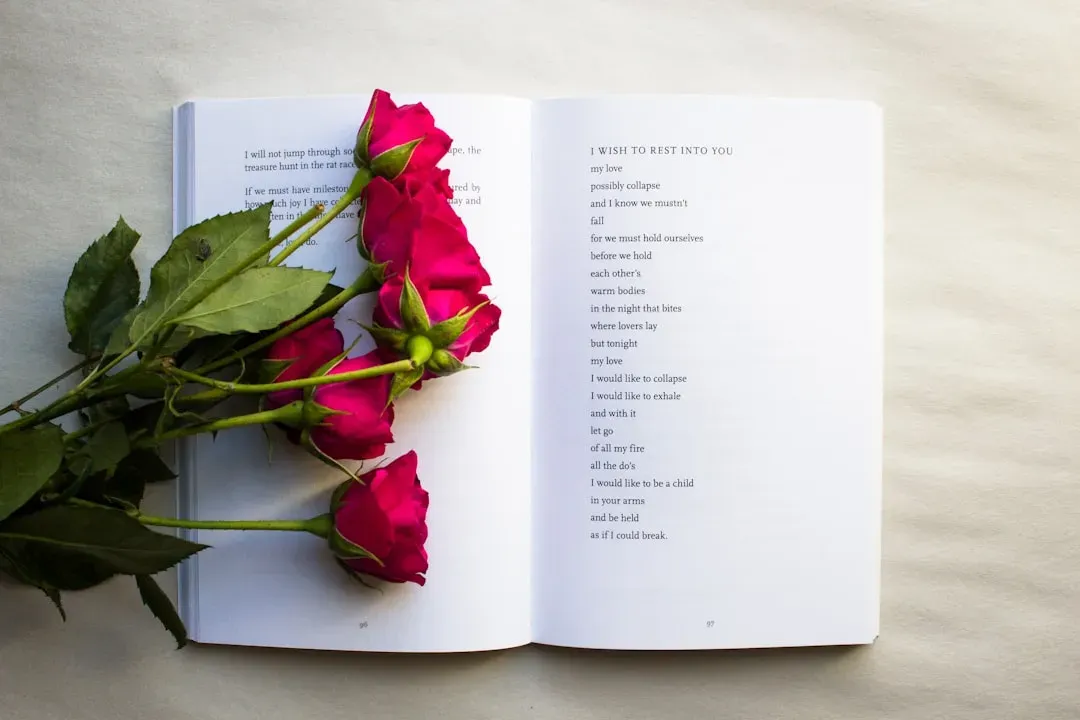
People who obsess over music tend to be collectors at heart. They organize, categorize, hunt for rare finds. Poetry feeds that same impulse. First editions, signed copies, limited print runs from small presses. The thrill of discovery translates perfectly.
A record store clerk told me they’ve started stocking poetry chapbooks because customers kept asking. They sell faster than expected. People buying obscure jazz reissues also want contemporary poetry. The overlap is undeniable.
There’s also something about building a poetry collection that mirrors building a record collection. You’re curating a personal library that reflects your taste, your evolution. Years from now, those books will tell a story about who you were when you bought them.
The Quiet Revolution

Nobody declared poetry cool again. No marketing campaign made this happen. Music lovers just quietly started showing up at readings, buying collections, memorizing favorite pieces. It spread through word of mouth, the way all the best cultural shifts do.
Vegas, for all its noise and excess, has become an unlikely hub for this movement. Maybe because it’s a city of performers, or because people here understand spectacle but crave authenticity. Whatever the reason, poetry has found fertile ground in the desert.
The crossover feels organic because it is. These aren’t separate audiences discovering poetry, it’s the same people who’ve always loved language-driven art finding a new outlet. The circle completes itself. Music comes from poetry, poetry learned from music, and now they’re dancing together again.
What This Means for the Future
If this keeps up, we might see poetry regain some cultural relevance it’s been missing for decades. Not replacing music, but existing alongside it as an equally valid form of expression. Vegas venues could start regularly booking poets the way they book bands.
Local universities have noticed increased enrollment in creative writing programs. Bookstores report poetry sales up significantly. Publishers are taking chances on new voices. The infrastructure’s rebuilding itself, one reading at a time.
The beautiful thing is how unforced it all feels. Nobody’s trying to make poetry happen. It’s just happening because people need it. In a world of constant noise, sometimes you want words that sit still long enough to mean something.
Finding Your Own Entry Point
If you’re a music lover curious about poetry, start with poets who sound like your favorite artists. Into punk rock? Check out Jim Carroll or Patti Smith. Love jazz? Try Langston Hughes or Sonia Sanchez. Hip-hop head? Saul Williams and Hanif Abdurrakhib will blow your mind.
Vegas has resources too. The library system runs workshops and hosts established poets regularly. Coffee shops around UNLV often have open mics that welcome first-timers. The barrier to entry is low, almost nonexistent.
Don’t overthink it. If something resonates, let it. Poetry doesn’t require a degree to appreciate, just an open ear. The same instinct that drew you to certain songs will guide you toward poems that hit the same way. Trust that.
Music taught us to listen for beauty in unexpected places. Poetry asks us to do the same thing, just with different tools. The transition isn’t a leap, it’s a natural next step for people who’ve always believed words matter. And in Vegas, of all places, that message is landing loud and clear. What draws you to poetry? Tell us in the comments.