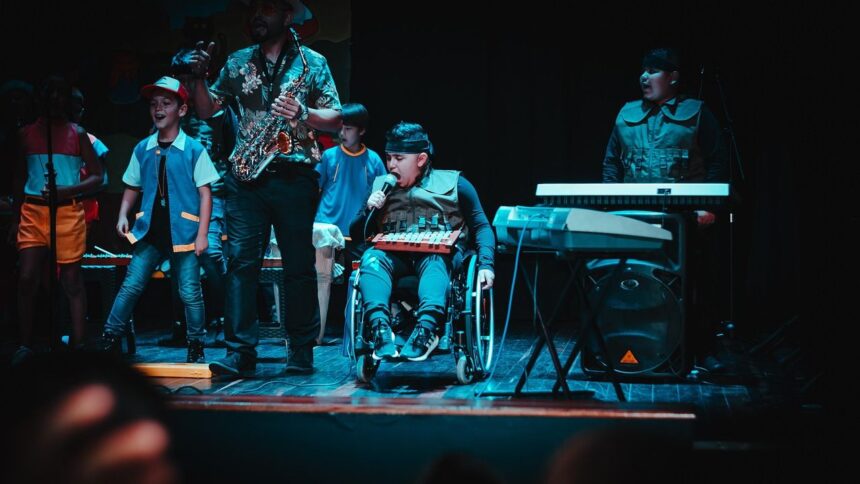
Festivals are evolving faster than ever before. What once felt like simple gatherings around stages and vendors has morphed into sophisticated entertainment ecosystems driven by technology, sustainability mandates, and shifting audience expectations. The industry is witnessing transformation across nearly every dimension, from how tickets are sold to what happens on stage. These changes aren’t just cosmetic updates to an old formula. They represent fundamental shifts in how festivals operate, engage audiences, and generate revenue in an increasingly competitive entertainment landscape.
Hybrid Events Expand Festival Reach Beyond Physical Boundaries

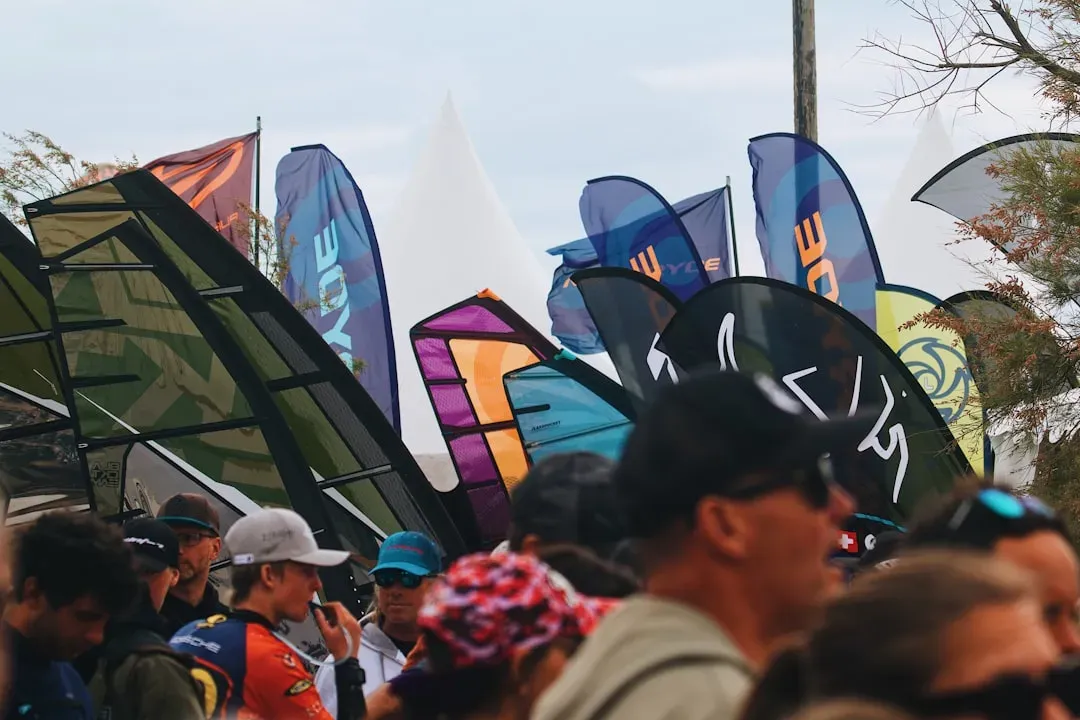
Live Nation expanded relationships with Hulu to be the official streaming destination for three major festival brands including Bonnaroo, Lollapalooza, and Austin City Limits, signaling how seriously promoters take digital audiences. Festivals offering both in-person and livestream access are witnessing substantial growth in total reach compared to physical-only events. The model allows fans who can’t travel to still participate, while festivals tap new revenue streams and sponsorship opportunities tied to digital viewership.
This isn’t about replacing live attendance. It’s about recognizing that festival experiences can exist in multiple formats simultaneously, each serving different audience needs and economic goals.
Sustainability Commitments Move From Optional to Essential

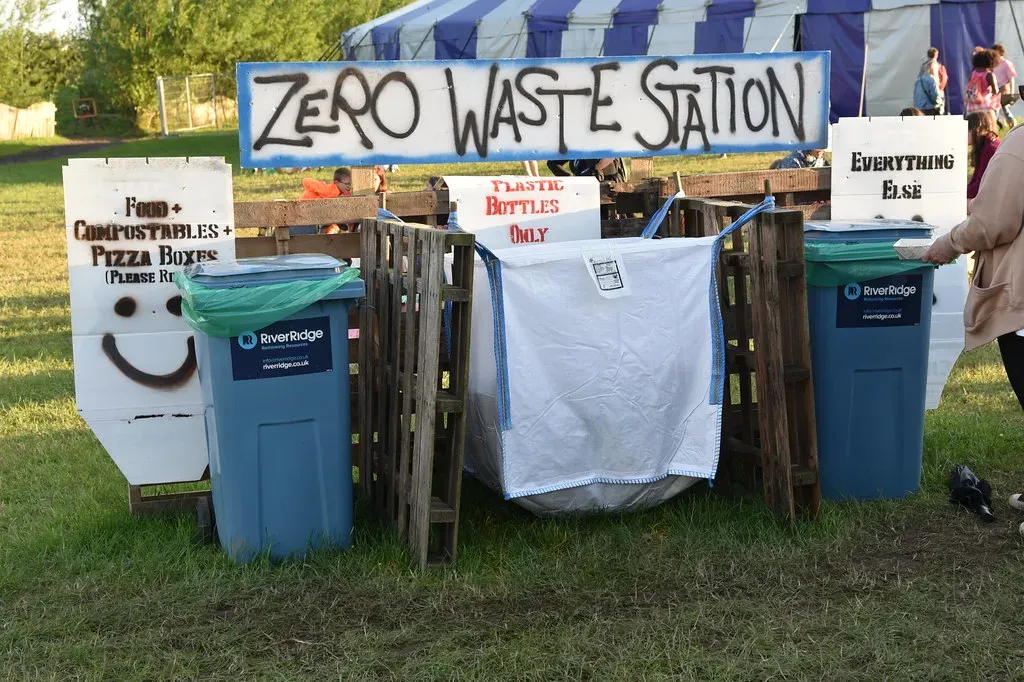
70% of assessed events in 2024 implemented a complete ban on single-use plastics, according to A Greener Future, marking a significant industry shift. Bans on single use plastic serveware increased from 54% in 2022 to 75% in 2023, demonstrating rapid adoption. Major festivals are now implementing formal carbon-reduction plans, with organizers viewing environmental responsibility as a competitive necessity rather than a nice-to-have feature.
Lollapalooza made history in 2024 as the first major U.S. festival to power its Main Stage solely on a hybrid battery system, including all audio, lighting, video and stage production. These aren’t token gestures. They’re operational overhauls driven by both audience expectations and regulatory pressure.
Cashless Payment Systems Become the Festival Standard


The shift away from physical currency at festivals has accelerated dramatically. The global festival cashless payment platforms market reached USD 2.12 billion in 2024, reflecting widespread adoption. Festivals are deploying RFID wristbands, mobile payment apps, and contactless systems that eliminate cash handling while generating real-time data on attendee spending patterns and preferences.
The benefits extend beyond convenience. Organizers report faster transaction times, reduced theft and fraud, and the ability to track inventory and adjust pricing dynamically throughout events. Cashless systems also enable personalized promotions and loyalty programs that deepen fan engagement.
Premium and Tiered Experiences Drive Revenue Growth
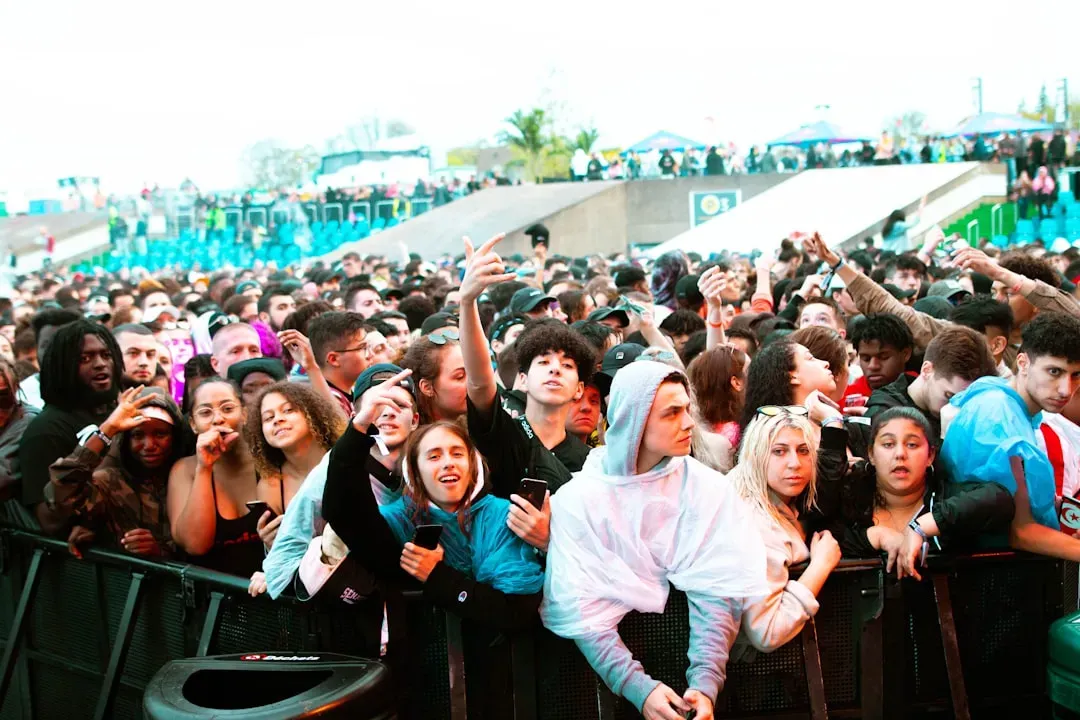
Major festivals with over 100,000 fans saw average per fan spending grow double-digits year-to-date in 2024, driven largely by VIP ticket upgrades and enhanced food and beverage options. Revenue from premium offerings in amphitheaters rose over 20% in 2024, while ancillary per fan spend at major festivals grew double-digits. Festivals are increasingly segmenting their audiences, offering everything from basic general admission to ultra-luxury packages with exclusive access, premium amenities, and personalized experiences.
This tiered approach allows festivals to capture more value from high-spending attendees while maintaining accessible entry-level options. The strategy proves particularly resilient during economic uncertainty, as premium buyers continue spending even when general admission sales soften.
Immersive Technology Transforms Stage Production

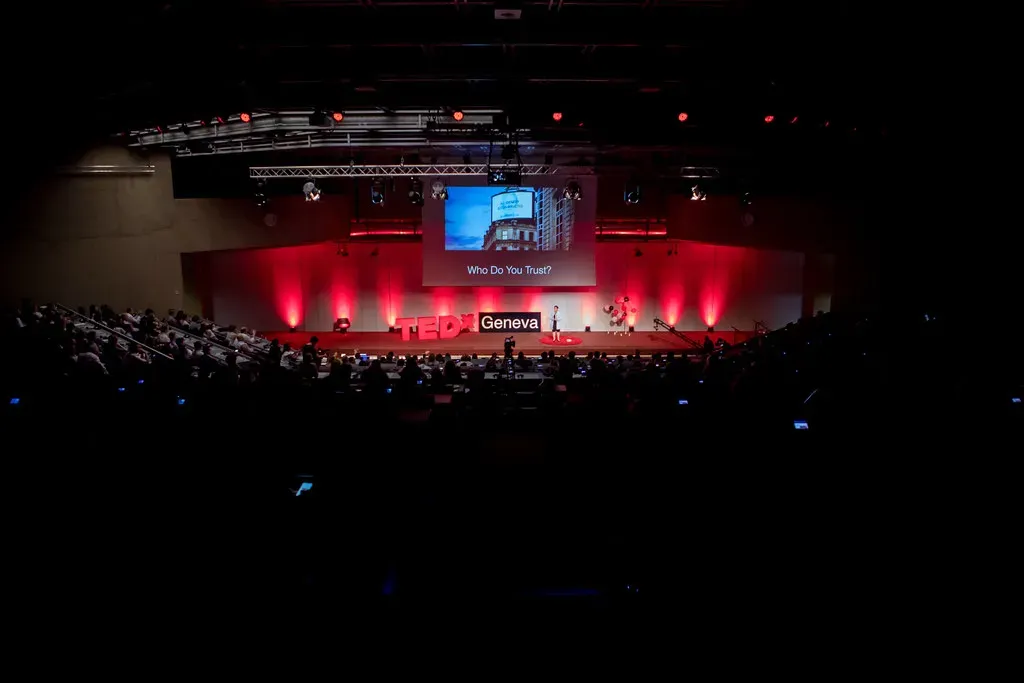
Technology on festival stages has evolved far beyond basic lighting and sound. Real-time LED mapping, AI-driven visual systems, and augmented reality elements are now deployed at top-tier events to create immersive environments that blur the line between physical and digital. These technologies enable responsive stage designs that adapt to music in real time, creating synchronized sensory experiences impossible just a few years ago.
The impact extends beyond spectacle. These systems allow smaller stages to deliver big-festival production values, democratizing access to cutting-edge visual experiences across festival grounds. It’s changing audience expectations about what live performance should look and feel like.
Partner offer

Global Festival Markets Expand Beyond Traditional Hubs
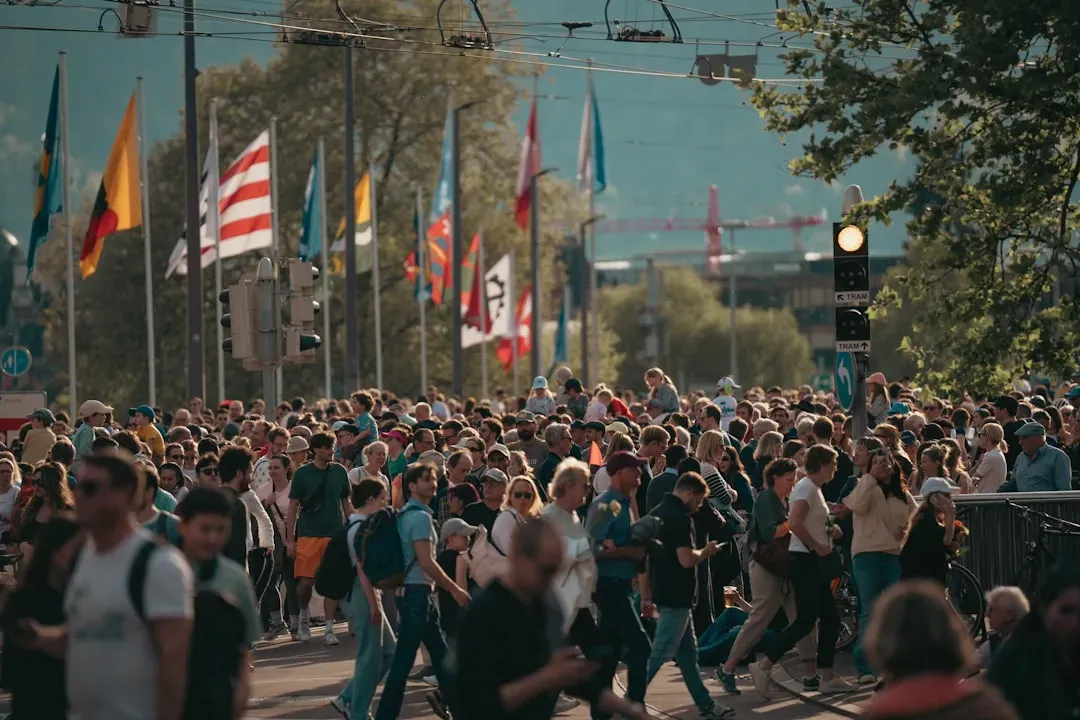
International markets remain a key driver of growth, with ticket sales up 15% in Mexico year-to-date in 2024, while newly launched markets Brazil and Peru sold over one million tickets. A 2023 UNESCO report highlighted rapid growth in large-scale festivals across Africa, Asia, and Latin America, expanding beyond traditional U.S. and European markets. This geographic diversification reflects rising middle classes, improved infrastructure, and growing demand for international entertainment experiences in emerging economies.
The globalization trend is reshaping artist touring strategies and creating new opportunities for cross-cultural programming that blends local and international acts in ways that resonate with diverse audiences.
Experiential Add-Ons Boost Per-Capita Spending

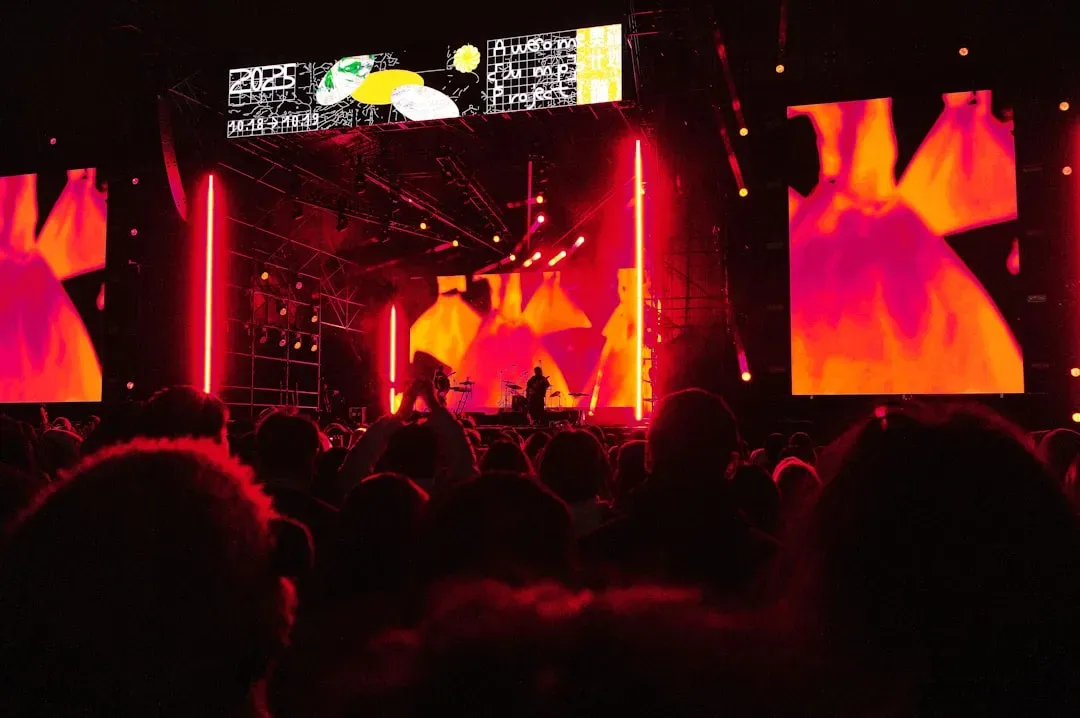
Festivals offering wellness zones, art installations, interactive experiences, and curated food offerings see higher per-capita spending than music-only events, according to PwC’s 2024 entertainment forecast. These additions transform festivals from concerts into destination experiences where attendees spend entire days exploring diverse activities beyond the main stages. The strategy particularly appeals to casual fans and companion attendees who might not be deeply invested in every musical act but value the overall festival atmosphere.
This diversification also opens sponsorship categories beyond traditional beverage and telecom partners, attracting brands from wellness, fashion, food, and technology sectors seeking authentic engagement with festival audiences.
Data Analytics Drive Festival Operations and Marketing

Real-time data from cashless systems, mobile apps, and access control points provides festival organizers unprecedented insight into attendee behavior. They can track crowd movement, identify peak purchase times, monitor inventory levels, and adjust staffing dynamically throughout events. This operational intelligence reduces waste, optimizes resource allocation, and improves the overall attendee experience by addressing bottlenecks as they emerge rather than after the fact.
Post-event analytics inform everything from future lineup decisions to site layout planning. Organizers can identify which artists drove ticket sales, which food vendors performed best, and which experiential zones generated the most engagement, creating a feedback loop that continuously refines the festival product.
Multi-Festival Partnerships and Touring Festivals Gain Momentum

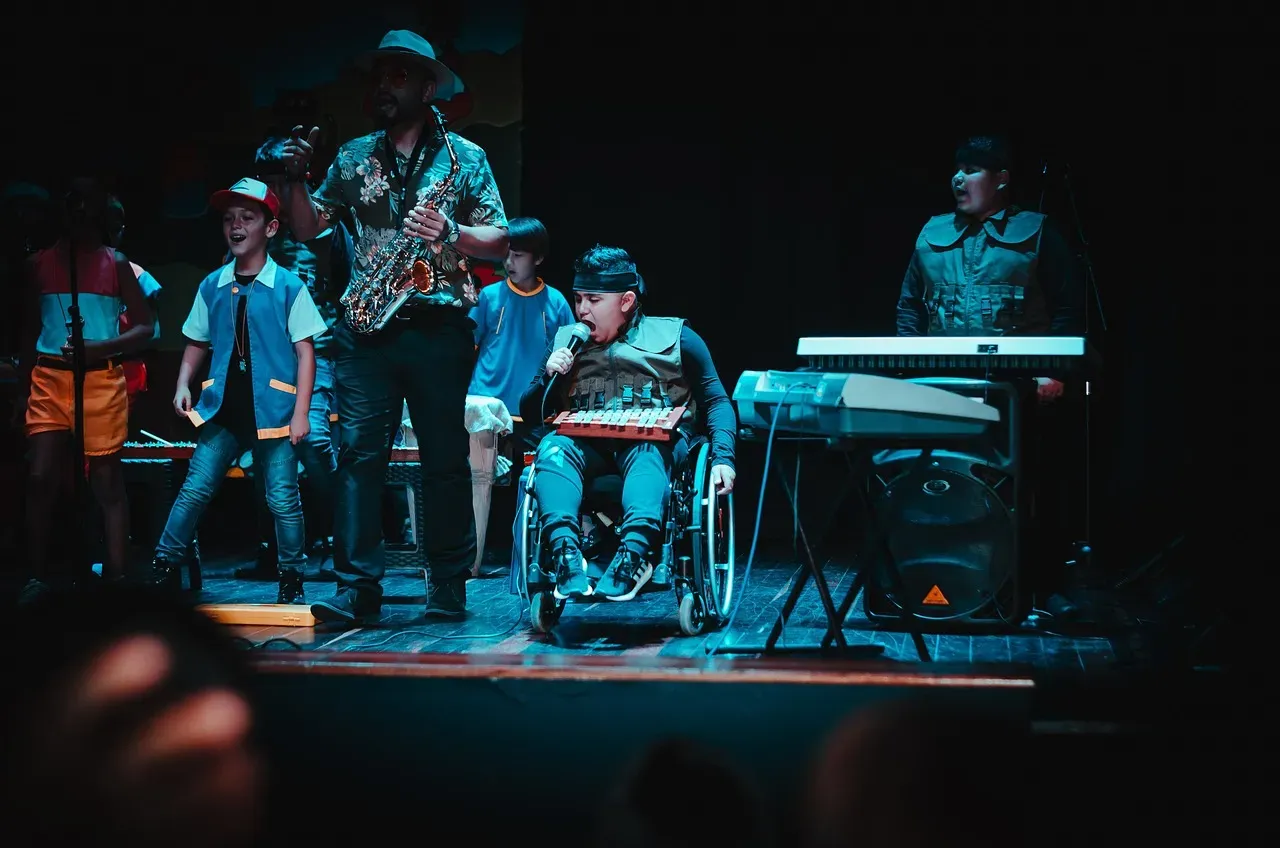
The festival industry is consolidating around major promoters and franchise brands that operate multiple events across regions and countries. Live Nation secured a multi-year, multi-festival partnership with Coca-Cola, along with a partnership spanning more than 40 festivals in the U.S. with BeatBox. This consolidation enables shared resources, standardized sustainability practices, and economies of scale in production and marketing.
Touring festival brands that replicate successful formats across different markets are expanding rapidly, bringing consistent quality and brand recognition to new audiences while reducing the risk associated with launching entirely new events from scratch.
Fan Engagement Extends Beyond Festival Weekends

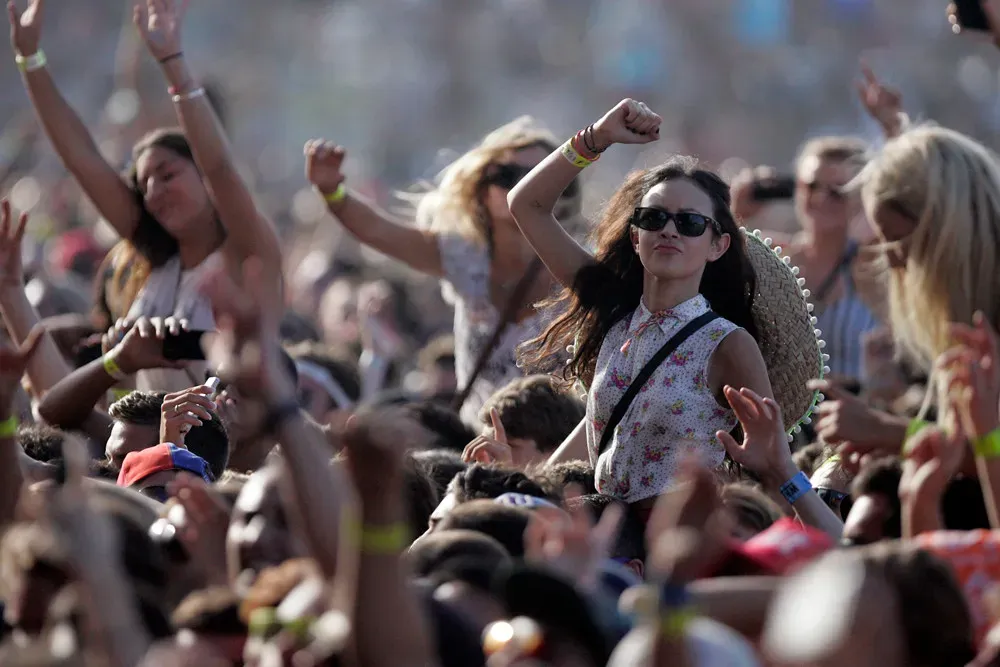
Festivals are building year-round relationships with audiences through social media, content platforms, and community programs rather than treating fans as one-time ticket buyers. Mobile apps serve as ongoing engagement channels, delivering lineup announcements, exclusive content, ticket pre-sales, and merchandise opportunities throughout the year. This continuous connection builds loyalty, improves ticket retention for future editions, and creates additional revenue opportunities beyond the festival dates themselves.
The most sophisticated festivals are cultivating communities rather than simply selling events, recognizing that the strongest brands foster belonging and identity that extends far beyond a weekend in a field. That emotional investment translates into higher lifetime value per customer and organic word-of-mouth marketing that no advertising budget can replicate.
Partner offer
Planning a trip to Vegas?
Compare hotel rates and show tickets on VEGAS.com.