Something unusual is happening across America right now. Long-time residents, people who have lived in the same neighborhood for decades, who raised kids, started businesses, and buried loved ones in the same zip code, are quietly packing up and leaving. Not in a panic. Not in a dramatic mass exodus. Just steadily, thoughtfully, and in growing numbers. The places they’re heading to? Many have never heard of them until recently. The forces driving them? More complicated than you might think. Let’s dive in.
The Great American Shuffle: More People Are Moving Than You’d Expect


Here’s the thing about American mobility: it never really stopped. A total of roughly 25.87 million Americans moved in 2024, which might seem like an impressively high number, but it actually aligns with the historic lows seen in 2023. That is still tens of millions of lives uprooted, redirected, and replanted somewhere new.
Despite years of instability and uncertain job, housing, and economic markets, Americans continue to be on the move. Moves did decrease slightly between 2024 and 2025, with a 3% drop in relocations. Still, U.S. migration trends show steady movement toward midsize cities, particularly in lower-cost Southeastern states.
The story of 2025 moving trends is one of balance and adaptation. Americans are seeking places that align with their budgets, lifestyles, and values, and businesses are following them. Think of it like water finding its level. People go where life makes sense financially and personally.
The Cost Crunch That Pushed People Out the Door


Homeowners and renters across the U.S. are struggling with high housing costs. Millions of potential homebuyers have been priced out of the market by high home prices and interest rates, while the number of renters with cost burdens has hit an all-time high. That is not a statistic you can dismiss with a shrug.
In 2024, home buying fell to its lowest level in 30 years, with national annual home sales falling to 4.06 million homes. Home prices have risen roughly 60% since 2019, with a median home price in 2024 of $412,500, home insurance premiums increased a similar amount since 2019, and interest rates averaged around 7% through the year.
The Harvard Joint Center for Housing Studies’ State of the Nation’s Housing 2024 report highlights the significant jump in both rent and home prices, which are up roughly a quarter and nearly half, respectively, since 2020, primarily affected by a lack of inventory. For long-time residents already stretching their budgets, the writing was on the wall.
South Carolina Steals the Spotlight

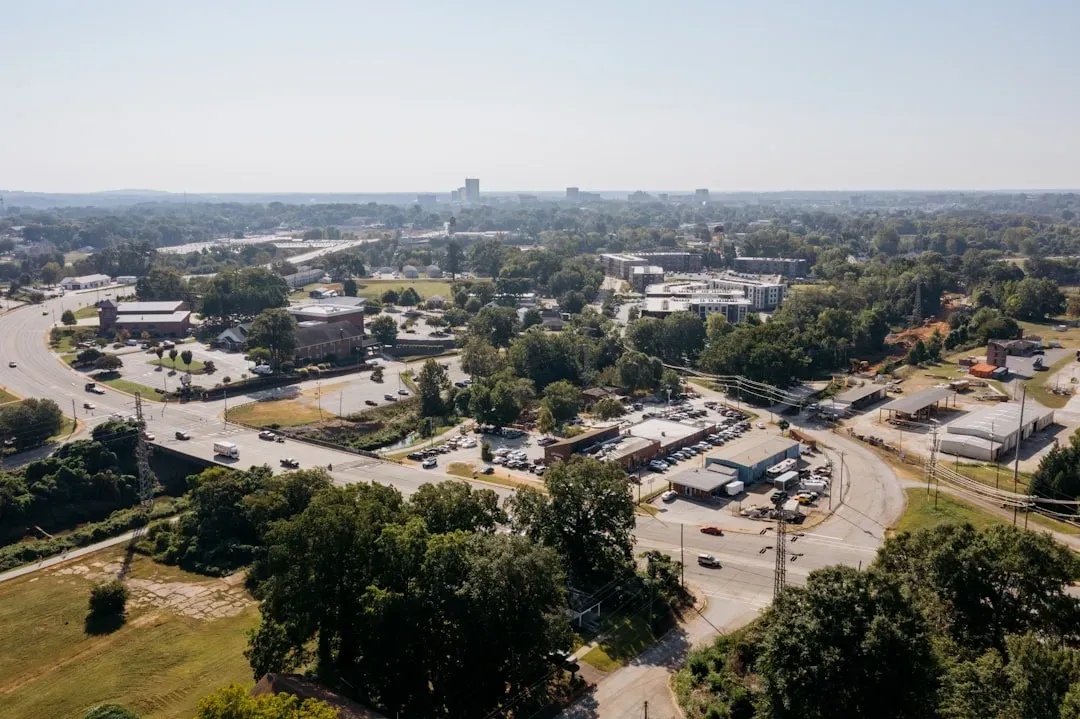
Honestly, this one surprised me. South Carolina? The state most people associate with college football and sweet tea? The trend of southern states netting larger numbers of one-way U-Haul customers continued during 2024, with South Carolina topping the U-Haul Growth Index for the first time. That is a significant milestone, especially considering Texas had held the top spot for three consecutive years.
South Carolina climbed three spots in the rankings to unseat Texas, which was the number one growth state for the previous three years from 2021 to 2023. Of all the U-Haul movers coming and going from the Palmetto State in 2024, more than 51.7% were arrivals. That ratio tells the real story. More people arriving than leaving, and by a meaningful margin.
North Carolina and South Carolina saw the most inbound movement for the first half of 2025. Both states have seen a steady uptick in new inbound movers since 2024, and the top cities with the most inbound movers are Charlotte, NC, and Greenville, SC. Both places are close to nature, have a relatively low cost of living, and offer plenty of job opportunities across different industries.
Texas and the Sunbelt: Still a Magnet

Texas reclaimed its top position, climbing one spot from its previous ranking behind South Carolina. Florida, North Carolina and Tennessee follow Texas as prime destinations. It’s the same top five from 2024 and 2023, just in a different order. Consistency, it seems, is the Sunbelt’s real selling point.
In 2024, Texas was the number one growth state for the sixth time in eight years. Not only is Texas home to the most significant number of Fortune 500 companies, which attracts many people for job opportunities, but it is also highly tax-friendly and ranked among the more affordable states for housing prices.
North Carolina leads with nearly a fifth of all net inbound searches, followed by Florida, South Carolina, Texas, and Tennessee. Together, these five states account for nearly two-thirds of all net interest in inbound moves. When nearly two-thirds of the entire country’s moving interest funnels into five states, that is not a trend. That is a stampede.
Midsize Cities Are Having Their Moment


Let’s be real: nobody is dreaming of moving to a giant, congested megacity anymore. The fantasy has shifted. Stalwart patterns continue to show an exodus from once-popular hive-like megacities, where skyrocketing costs of living and population densities are the norm, in favor of smaller, more breathable cities. That shift feels intuitive once you live it.
Top inbound cities include midsize metropolitan areas, including Myrtle Beach, SC, Boise, ID, West Palm Beach, FL, Charlotte, NC, and Dallas, TX. These are not world-famous glamour destinations. They are practical, livable, surprisingly vibrant cities that offer something the big metros have lost: breathing room.
Mid-size cities such as Raleigh, Charlotte, and Nashville are thriving. Think of them like the Goldilocks option: not too big, not too small, just right. Younger adults and young families are choosing to rent condos and apartments in mid-sized, walkable cities like Charlotte and Boise. These cities offer a high quality of life, similar to much larger metros, for a fraction of the cost.
The Homebuyer Relocation Surge Is Real


A record 26% of homebuyers were looking to move to a different part of the country, up from 24% a year ago and roughly 19% before the pandemic began. That jump from roughly a fifth to more than a quarter of all homebuyers willing to cross metro lines is staggering when you think about what it represents.
Relocations are holding up better than in-metro moves largely because homebuyers are searching for affordability, and remote work gives many Americans the freedom to move. Nine of the ten most popular migration destinations have a lower median home-sale price than the most common origin of homebuyers moving in. The math drives the migration. Simple as that.
Relocators made up a bigger portion of homebuyers than ever because elevated mortgage rates, still-high home prices, inflation, and economic uncertainty are motivating the few people still buying homes to move to more affordable areas. Remote work has also made it more feasible for Americans to relocate. I think remote work quietly changed everything, and we are still only beginning to see the full effects.
Climate and Weather Are Now Part of the Calculation


This is one that caught a lot of people off guard. While housing and jobs have traditionally driven most moves, 2024 highlighted a growing environmental influence on relocation decisions. Moves prompted by a change of climate were up 121% from the year before, as more Americans sought better weather or environmental conditions. More than doubling in a single year. That is not a blip.
Moves prompted by natural disasters rose by 44.7%, underscoring how events like tornadoes, hurricanes, and floods are increasingly forcing people to rethink where they live. Florida, once an unstoppable magnet, is now seeing the consequences. In Florida specifically, homeowners struggle with hurricanes and tropical storms, and the increase in outbound movers may also be driven by the rising insurance costs caused by natural disasters.
Rising insurance premiums and disaster risks in California and Florida are pushing residents inland. Safer, more stable regions, like the Appalachian Mountains and parts of the Midwest, are seeing increased attention as climate havens. It’s hard to say for sure how much further this trend will evolve, but the direction seems unmistakable.
The “Lock-In Effect” Is Keeping Many From Moving at All


Here is an irony worth sitting with: even as migration surges toward new communities, millions of Americans who want to move simply cannot. Current homeowners are increasingly less likely to move in the housing market. Many are choosing to stay put because they do not want to lose their low mortgage rate, often called the lock-in effect. It is a bit like being trapped in a house you no longer love because the mortgage is just too good to walk away from.
Overall mobility remains low today, primarily due to affordability constraints such as the high cost of homeownership and limited inventory. The continued volume of interstate moves, even as the median age of first-time homebuyers climbs and home sales slow, highlights the industry’s role as a consistent facilitator of necessary life and professional transitions amidst challenging market conditions.
With inflation easing and interest rates beginning to decline, the financial barriers that kept many Americans rooted may start to lift. As these economic conditions improve, a gradual rise in moves is anticipated, driven by a renewed ability to pursue better housing, new opportunities, or simply a fresh start. So the dam may be about to break. When it does, expect another wave.
What Long-Time Residents Are Actually Looking For

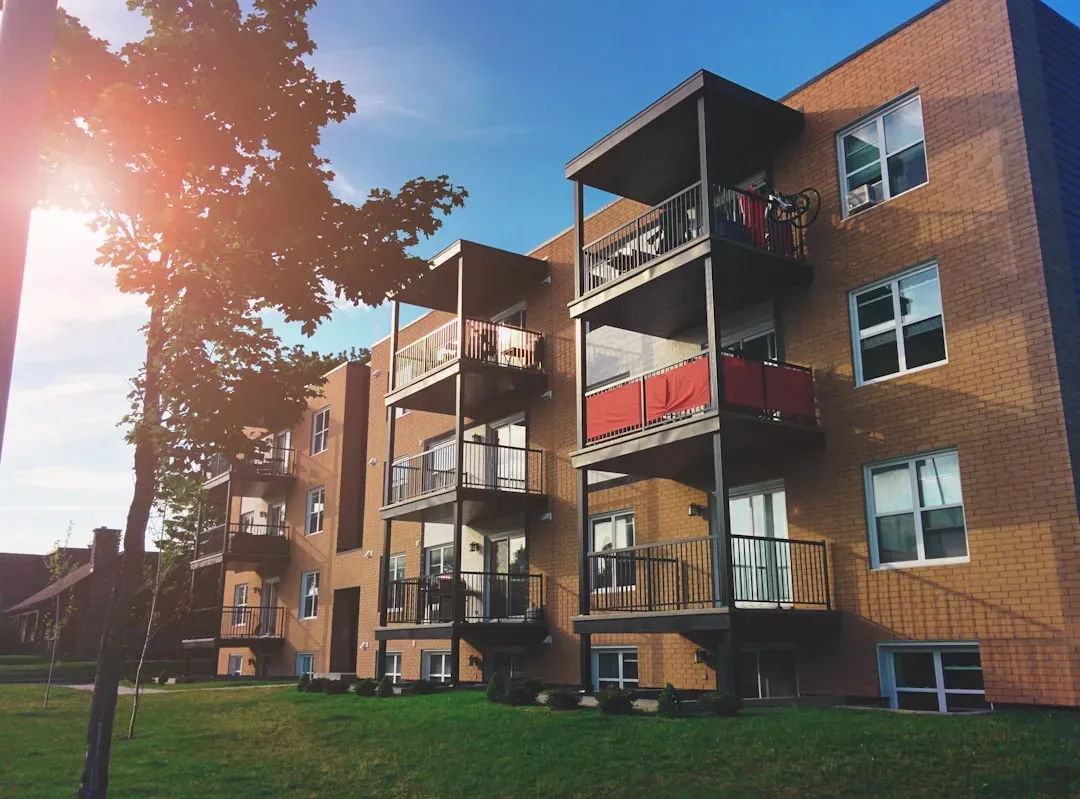
It would be too easy to say people just want cheaper homes. The truth is messier and more interesting. Affordable housing prices, educational opportunities, and a low cost of living seem to be the most popular reasons for families, young professionals, and retirees to move. Notice that education made that list. This is not just about budget. It is about building a life.
Eight of the top ten Southern counties attracting relocation interest are in the South Atlantic region, with this trend likely fueled by coastal living, mild temperatures, and retirement-friendly destinations. The South Atlantic region includes popular vacation and retirement spots and plenty of natural beauty, coinciding with outdoor recreation opportunities like boating and golfing.
While California, New Jersey, and Illinois are considered high-cost states, the cost of living is likely the main reason for the uptick in outbound migration. Individuals and families with flexible jobs are choosing to relocate to smaller, second-tier cities to buy homes at affordable rates. Smaller cities with character, access to nature, and a genuine sense of community are exactly what many long-time urban residents have been quietly craving.
Housing Construction Is Booming in the New Hotspots


Where people go, builders follow. Multifamily completions rose by 22% in 2023, reaching the highest annual level in more than three decades. That wave of new supply is not appearing equally everywhere. It is concentrated in fast-growing communities that can accommodate demand.
About 686,000 new single-family homes sold in 2024, up 3% on an annual basis. New homes constituted 16% of all single-family home sales last year, the largest portion since 2005. That matters because new construction is where affordability and fresh community development intersect most clearly.
The population of some of these fast-growing communities has grown rapidly, with the U.S. Census Bureau indicating growth of almost 25% between 2020 and 2024 in certain areas. A quarter population increase in just four years. Imagine what that does to a neighborhood, a school, a local economy. These places are not just growing. They are transforming at a breathtaking speed, which brings both opportunity and challenge in equal measure.
Conclusion: The New Community Is Already Here


The movement away from familiar places is not about ingratitude or restlessness. It is about survival, adaptation, and something deeply human: the search for a life that fits. Long-time residents are not abandoning their values when they leave Green Valley. They are carrying those values somewhere new and planting them in soil that can still afford to grow.
The data paints a remarkably consistent picture. Affordability drives the decision. Mid-sized communities in the South and Southeast receive the newcomers. Climate risks and soaring insurance costs accelerate the timeline. And remote work quietly unlocks the door that was always there but never open quite wide enough before.
The new community is not some utopian fiction. It is a city you have probably driven through on the interstate, a county you dismissed as unremarkable on a map. The people moving there would tell you: unremarkable looks a lot like peaceful when you have been paying too much for too long to live somewhere “exciting.” What would it take for you to say goodbye to the familiar?
What do you think about the way Americans are reimagining where they choose to live? We would love to hear your thoughts in the comments.