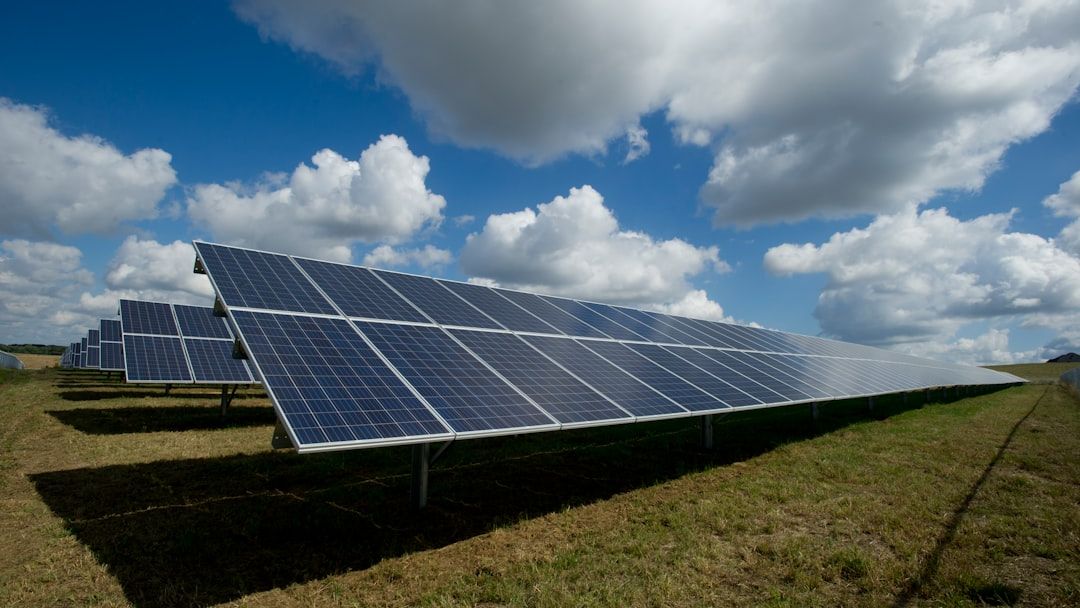
On Sullivan Planning Board, Platner Voted to Pump the Brakes on Solar – Image for illustrative purposes only (Image credits: Unsplash)
Electricity costs continue to weigh on households and businesses across Maine, prompting renewed focus on renewable projects that could ease those burdens over time. In the coastal town of Sullivan, a planning board decision last year placed new limits on most ground-mounted solar arrays while local rules took shape. Democratic Senate candidate Graham Platner supported that step, arguing it fits within his larger call for streamlined permitting at the state level.
The Practical Impact on Local Development
The vote directed town officials to explore a temporary moratorium covering everything except rooftop installations. This pause gives planners time to draft clear standards for siting, setbacks, and visual impacts before larger projects move forward. Residents in Sullivan now have a clearer window to weigh how new arrays might affect property values and scenic views along the coast.
Ground-mounted systems often require more land and can spark neighbor concerns about noise or glare. By keeping rooftop options open, the board preserved a pathway for homeowners and small businesses to add solar without waiting for new ordinances. The measure stops short of a permanent ban and instead ties the pause to the completion of updated permitting guidelines.
Partner offer
Aligning the Local Choice With Statewide Reform Goals
Platner has repeatedly called for faster approvals of transmission lines and clean-energy facilities to meet climate targets and reduce power prices. His support for the Sullivan moratorium shows how those goals can coexist with community review periods. The candidate has described the two positions as consistent rather than contradictory.
Quick statewide reforms could cut months or years from project timelines, yet local input remains essential to avoid backlash that might slow progress later. Sullivan’s approach illustrates one way towns can gather that input without halting all progress. Platner’s energy plan emphasizes both elements: accelerated permitting where rules are clear and deliberate pauses where they are not.
Key Elements of the Proposed Pause
- Rooftop solar projects stay fully permitted during the review period.
- Most ground-mounted arrays face a temporary hold until new siting rules are adopted.
- Officials gain time to address concerns over land use, aesthetics, and grid connections.
- The pause ends once the town completes its updated permitting framework.
Looking Ahead for Maine Communities
Similar decisions are likely to surface in other towns as solar interest grows. How Sullivan’s rules ultimately balance speed and safeguards will offer a model for places facing the same pressures. Platner’s record on the planning board provides one data point for voters evaluating his broader energy vision.
The outcome in Sullivan will shape whether new projects deliver lower bills without eroding local trust. That balance remains central to Maine’s energy transition in the years ahead.
Partner offer
Planning a trip to Vegas?
Compare hotel rates and show tickets on VEGAS.com.