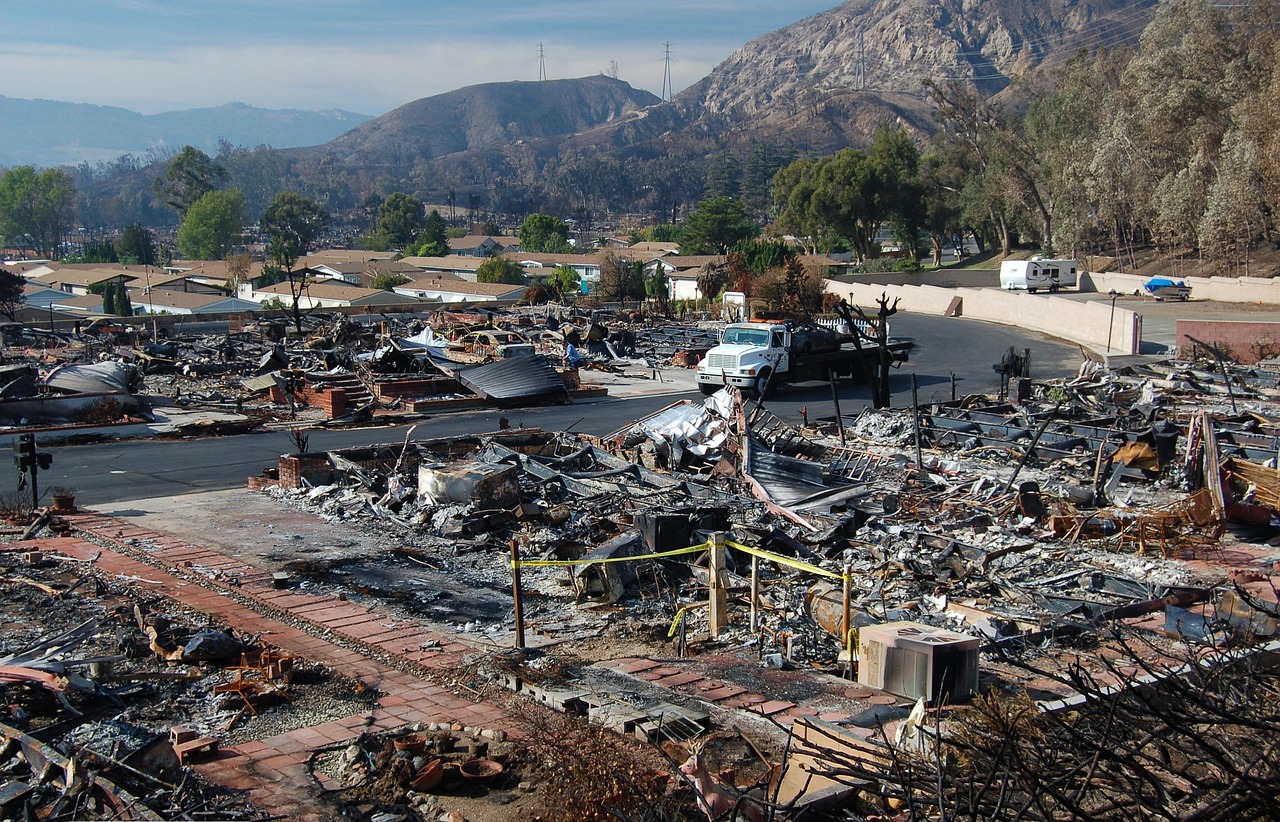

Missile Debris Hammers Strategic Oil Facility (Image Credits: Pixabay)
Haifa, Israel — Iranian missiles targeted key energy infrastructure in northern Israel on Thursday, striking the Bazan oil refinery in Haifa Bay and sparking a significant fire.[1][2] The attack also damaged the local electricity grid, leaving some areas without power temporarily. Officials quickly moved to restore services and assess the fallout from the barrage.[3]
Missile Debris Hammers Strategic Oil Facility
Initial reports indicated that shrapnel from an Iranian missile, possibly equipped with a cluster warhead, impacted multiple sites around Haifa. The Bazan refinery, a critical hub for Israel’s fuel production, sustained direct damage, with thick black smoke billowing from the site. Media outlets captured footage of the blaze, highlighting the precision of the strike amid widespread sirens across the country.[1]
Fire and Rescue Services deployed 15 teams to the scene. They conducted searches, extinguished flames, and monitored for hazardous materials. No leaks were confirmed, easing immediate environmental concerns. Bomb disposal units also arrived to handle unexploded munitions in the area.[2]
Electricity Disruptions Quickly Contained
A power line in the Haifa region fell victim to the shrapnel, triggering outages in several neighborhoods. Israeli Energy and Infrastructure Minister Eli Cohen described the impact as contained. He stated that crews had restored electricity to most affected customers, with full service expected soon thereafter.[3]
Cohen further noted, “The damage to the power grid in the north is localized and not significant.” He added, “There was no significant damage to infrastructure sites in the State of Israel in the barrage to the north.” The Israel Electric Corporation worked swiftly, resolving the bulk of issues within 45 minutes in some spots.[1][2]
Limited Human Toll Amid Widespread Alerts
Casualties remained low despite the scale of the alert. Magen David Adom medics reported no serious injuries at the refinery. One individual in nearby Yokneam suffered a light shrapnel wound, while several others in Shfaram received treatment for shock.[1]
Sirens blared from the Golan Heights to Ashdod, forcing millions into shelters. The Home Front Command later declared the incident over, allowing residents to emerge. Shares in petrochemical firms tied to Bazan dipped sharply on the Tel Aviv Stock Exchange, reflecting market jitters.[1]
Retaliation in a Broader Energy War
The Haifa strike formed part of Iran’s response to an Israeli operation against the South Pars gas field, the world’s largest, shared with Qatar. That facility supplies much of Iran’s natural gas for power generation. Iranian state media claimed the refinery hit avenged damage to their energy assets.[3]
Tensions have mounted since late February, when U.S. and Israeli forces struck Iranian targets, including leadership. Iran has since unleashed multiple waves of missiles and drones, while also hitting Gulf energy sites in Qatar, Saudi Arabia, Kuwait, and the UAE. Global oil prices surged past $118 per barrel for Brent crude, straining economies worldwide.[3]
- Ras Laffan LNG in Qatar sustained heavy damage, delaying exports.
- Saudi Arabia’s SAMREF refinery in Yanbu was struck, complicating Red Sea bypasses.
- Two Kuwaiti refineries and Abu Dhabi gas operations faced attacks.
- A vessel burned off the UAE coast, another damaged near Qatar.
These actions threaten the Strait of Hormuz, a chokepoint for one-fifth of global oil transit.
Key Takeaways
- Haifa refinery damage was confirmed but not catastrophic; fires controlled without hazardous leaks.
- Northern power grid hit localized, with rapid restorations minimizing blackouts.
- Escalation targets energy infrastructure, spiking global fuel costs and risking wider disruptions.
As repair crews wrap up in Haifa and markets watch nervously, the focus shifts to whether this volley signals further intensification. Israel’s demonstrated resilience offers some reassurance, yet the pattern of energy-focused strikes raises alarms for stability. What implications do these developments hold for regional security and global energy? Share your thoughts in the comments.