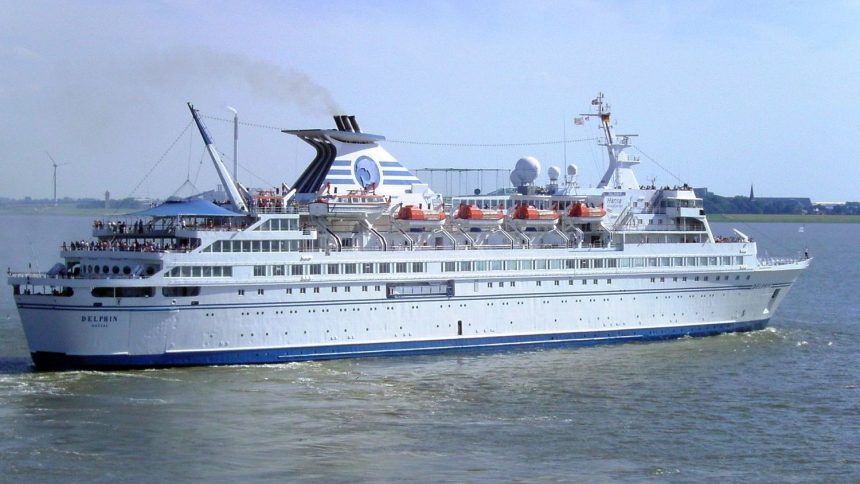


About 40 passengers previously left ship hit by Hantavirus outbreak at island of St. Helena – Image for illustrative purposes only (Image credits: upload.wikimedia.org)
The remote South Atlantic island of St. Helena drew fresh attention this week after Dutch officials disclosed that roughly 40 passengers had left a cruise ship there following the first death in a hantavirus outbreak. The revelation came as health authorities in multiple countries worked to locate anyone who might have been exposed during the vessel’s stop at the British territory. The development added urgency to ongoing efforts to contain the virus, which has already claimed three lives and left several others ill.
Sequence of Events on the Ship
The outbreak began with the death of a Dutch passenger while the ship was at sea. His wife disembarked with his body at St. Helena and later flew commercially to South Africa, where she collapsed at Johannesburg’s airport and died. The cruise operator initially confirmed only that couple’s departure from the vessel. It later emerged that many more passengers had also left during the same port call, a detail Dutch authorities confirmed on Thursday.
Three passengers in total have now died from the virus. Several others aboard remain under medical care. The ship continued its itinerary after the initial death, but the early disembarkations at St. Helena created a wider circle of potential contacts that officials must now track.
Tracing Contacts Across Continents
Authorities in South Africa and Europe have begun contacting people who may have interacted with passengers who left the ship. A man in Switzerland tested positive for hantavirus after disembarking at St. Helena and returning home, though his exact movements after leaving the island remain unclear. Dutch officials have not yet confirmed the current locations of the other passengers who got off at the same stop.
The challenge lies in the ship’s international route and the passengers’ varied travel plans afterward. Some continued by air to different countries, while others may have returned home through multiple connections. Health agencies are piecing together these paths to identify anyone who could have been exposed during the brief time on the island or in transit.
Partner offer

Officials emphasize that the virus does not spread easily between people, yet the remote nature of St. Helena and the subsequent flights have complicated the timeline. Every confirmed contact adds another layer to the investigation, and authorities continue to urge anyone who visited the island around the ship’s arrival to monitor their health.
Additional Evacuations and Medical Response
Days after the St. Helena stop, a British passenger was taken off the ship at Ascension Island and flown to South Africa for treatment. Later, three more people, including the ship’s doctor, were evacuated near Cape Verde and transported to European hospitals. These moves reflect the crew’s efforts to provide specialized care while the vessel remained at sea.
The operator has worked with local authorities at each port to manage the situation. Passengers still aboard continue to receive monitoring, and the company has increased medical staffing to handle any new symptoms that arise.
What Remains Unknown
Health agencies have not released the full list of passengers who left at St. Helena or their final destinations. This gap leaves open questions about whether additional cases could surface in the coming days. The precise source of the outbreak on the ship also remains under investigation, as does the full extent of exposure during the island visit.
Officials stress that the situation is fluid. They continue to gather information from the cruise line, affected governments, and returning travelers. The focus now rests on rapid identification of any new infections and clear communication with the public about symptoms to watch for.
Partner offer
Planning a trip to Vegas?
Compare hotel rates and show tickets on VEGAS.com.