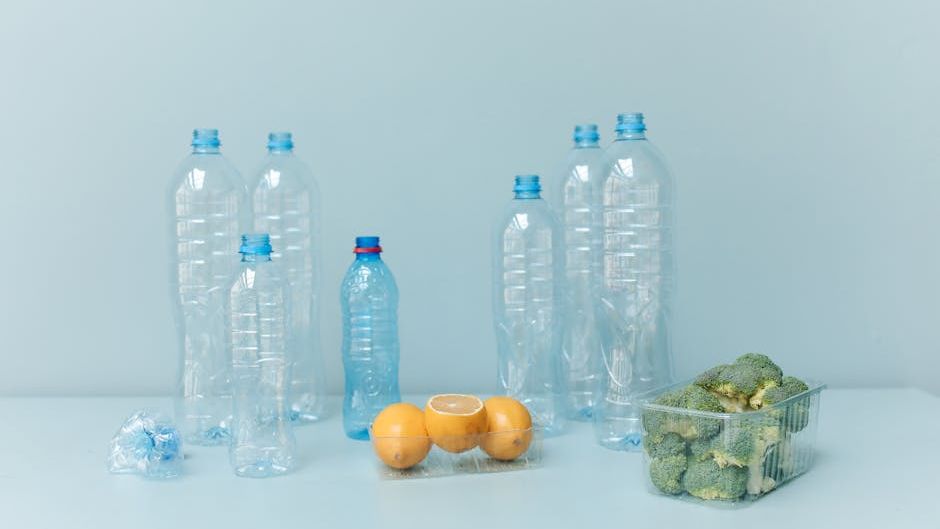

Letter to the editor: Legislation needed to ban plastic packaging – Image for illustrative purposes only (Image credits: Pexels)
Public debate over plastic packaging has sharpened in recent weeks, with critics arguing that current industry practices expose consumers to unnecessary health hazards. A recent letter to the editor highlights the tension between convenience claims and documented risks, urging lawmakers to consider tighter controls. The discussion centers on whether existing materials can be replaced without compromising everyday products.
Industry Claims Meet Public Pushback
The Flexible Packaging Association has defended plastic use in a recent opinion piece, warning that restrictions could result in items such as toilet paper becoming wet and unusable. Association president Dan Felton presented this scenario as a likely outcome of new rules. Critics have accepted the hypothetical for the sake of discussion while questioning whether such trade-offs justify continued reliance on plastic.
Stakeholders on both sides acknowledge that packaging plays a central role in product protection and distribution. Manufacturers emphasize durability and cost efficiency, while health advocates point to broader exposure concerns that extend beyond single-use items. The exchange has drawn attention from consumer groups and environmental organizations monitoring legislative proposals.
Documented Health Concerns Take Center Stage
Opponents of expanded plastic use cite potential links to long-term health issues, including chemical leaching that may affect food and personal care products. These risks are described as more persistent than occasional inconvenience with alternative materials. Public health experts have noted that microplastics and additives appear in everyday environments, prompting calls for preventive measures at the production level.
Partner offer

Consumers bear indirect costs through medical expenses and reduced quality of life when exposure accumulates over time. The letter argues that even if some products require adjustments in handling, the priority remains protecting population-level well-being. This framing shifts focus from short-term logistics to sustained safety standards.
Practical Alternatives and Stakeholder Impacts
Proponents of legislation suggest that paper-based or biodegradable options could address many current applications once supply chains adapt. Early pilots in other regions have shown that performance gaps narrow with targeted innovation and updated manufacturing processes. Affected parties include retailers, waste management firms, and households that would face new purchasing patterns.
A clear comparison of trade-offs illustrates the choices ahead:
- Plastic offers strong moisture barriers but raises exposure questions.
- Paper alternatives reduce chemical risks yet may require better storage practices.
- Hybrid solutions combine both approaches in select product categories.
Businesses would likely invest in retooling, while regulators would need to set clear timelines for compliance. The overall effect on household budgets remains under review, though initial estimates suggest modest price adjustments during transition periods.
Key points for policymakers: Health data should guide material standards; transition support for manufacturers can ease adoption; consumer education on proper storage helps maintain product integrity.
Legislative momentum now depends on balancing these factors with measurable public health gains. Continued dialogue among industry, health officials, and consumers will shape the next steps in packaging policy.
Partner offer
Planning a trip to Vegas?
Compare hotel rates and show tickets on VEGAS.com.