
A Growing Senior Population With a Lot at Stake


Nevada has never been a state that sits still. Its population has shifted fast for decades, and the senior segment is no exception. As of September 2024, there were 602,788 people enrolled in Medicare in Nevada, amounting to about 17% of the state’s population. That’s a substantial share of residents whose healthcare access, costs, and choices all hinge on understanding a federal program that is, to put it mildly, not exactly simple to navigate.
Between 2011 and 2018, Nevada’s population increased by roughly 11%, while the 65-and-older population jumped by 40%. That kind of asymmetric growth puts real pressure on healthcare infrastructure. Nevada has the second highest projected growth rate of its 85-and-older population, at 95%, between 2015 and 2030, a population more likely to require nursing home care. This trajectory means Medicare isn’t a peripheral concern in Nevada. It’s a central one, and it’s getting bigger every year.
Original Medicare: The Foundation You Build On


Most people entering Medicare for the first time encounter what’s known as Original Medicare, which is split into Part A for hospital coverage and Part B for outpatient care. Most Nevada residents qualify for premium-free Part A if they or their spouse worked and paid Medicare taxes for at least 40 quarters, or 10 years. Part B, on the other hand, comes with a monthly premium that adjusts annually and varies based on income.
In 2025, the standard Part B monthly premium rose to $185.00, up from $174.70 in 2024, with the Part B deductible also increasing to $257, up from $240. Higher earners pay more through what’s called income-related adjustment amounts. Original Medicare enrollees also need supplemental coverage for things like prescription drugs and out-of-pocket costs, since Original Medicare includes only Part A and Part B. That gap is real and can be expensive without additional coverage in place.
Medicare Advantage in Nevada: A Plan for Almost Everyone (Almost)


Medicare Advantage, also known as Part C, has grown dramatically in Nevada and across the country. More than half, specifically 54%, of eligible Medicare beneficiaries are now enrolled in Medicare Advantage plans nationally in 2025. Nevada reflects this trend closely. About 97% of Medicare beneficiaries in Nevada have access to a Medicare Advantage plan, including options with zero monthly premium.
There are 105 Medicare Advantage plans available in Nevada for 2026, compared with 97 plans in 2025. The range of what’s on offer varies heavily by location, though. Medicare Advantage plan availability in Nevada ranges from zero plans in several rural counties, to 38 plans in Clark County. So where you live in Nevada matters enormously when it comes to what choices you actually have.
The Rural Coverage Gap: A Real and Persistent Challenge


Nevada is mostly desert and open space. The population isn’t evenly spread, and healthcare options reflect that reality. In rural counties, Medicare Advantage plan networks may be limited or entirely unavailable, which makes Medigap plans a more practical choice for rural Nevada residents since they allow you to see any Medicare-accepting provider anywhere in the country. That flexibility matters when the nearest in-network doctor might be a two-hour drive away.
Within Nevada, rural counties have a higher percentage per capita of Medicare beneficiaries. This demographic concentration, combined with thinner plan availability, creates a genuine mismatch between where the demand for Medicare services is greatest and where the coverage options are most limited. Many rural Nevada residents find that a Medicare Supplement plan paired with a Part D drug plan is more practical, since it lets you see any Medicare-accepting provider without network restrictions. That’s a structural workaround, not an ideal solution, but it’s one worth understanding clearly before choosing a plan.
Part D: Prescription Drugs, the Coverage Gap, and What Changed


Prescription drug coverage under Medicare Part D has been one of the more confusing and financially consequential parts of the program. For years, beneficiaries could fall into a coverage gap, colloquially known as the “donut hole,” where they were responsible for a much larger share of drug costs. That era is over. Starting in 2025, the prescription drug coverage gap was officially eliminated, and a new $2,000 annual out-of-pocket cap was introduced for Part D beneficiaries.
As of late 2024, there were 168,431 Medicare beneficiaries in Nevada covered under stand-alone Medicare Part D plans, and another 294,483 had Part D prescription coverage integrated with their Medicare Advantage plans. The integrated option has been growing fast. Roughly one quarter of Nevada’s Part D plan beneficiaries receive additional financial support under Extra Help, a federal program aimed at individuals with limited income. For those who qualify, that program can substantially reduce the monthly cost of drug coverage.
Partner offer

Medigap: Filling the Gaps in Original Medicare


Medigap, or Medicare Supplement Insurance, is designed to pick up the out-of-pocket costs that Original Medicare leaves behind. Deductibles, copayments, coinsurance: these can add up quickly, especially for someone with ongoing health needs. Nevada offers 10 different standardized Medigap plans in 2026. Among them, Plan G has become the most comprehensive option for new enrollees since Plan F was discontinued for those new to Medicare after January 2020.
Nevada has a “birthday rule” that allows Medigap policyholders to change to an equal or lesser benefit plan within 60 days after their policy anniversary date without medical underwriting. That’s a useful protection, and one that not every state offers. Still, timing matters. Missing your six-month Medigap open enrollment period can result in medical underwriting, higher premiums, or denial of coverage. The window exists, but it doesn’t wait.
Enrollment Deadlines and the Cost of Missing Them


Medicare’s enrollment rules are strict, and the penalties for missing key deadlines don’t simply fade away over time. The Part B penalty is a 10% premium increase for each 12-month period you were eligible but didn’t enroll, and that penalty lasts for life. For Part D, the structure is different but the permanence is the same. The Part D penalty is 1% of the national base premium for each month without creditable drug coverage, and it is also permanent.
The Annual Enrollment Period, which runs from October 15 to December 7, is open to all Medicare beneficiaries and allows them to make changes to their coverage. There is also a secondary window specifically for Medicare Advantage enrollees. The Medicare Advantage Open Enrollment Period runs from January 1 to March 31 each year, allowing already-enrolled beneficiaries to adjust their plans. Missing both windows leaves you locked in for the rest of the year, regardless of how your health or financial situation may have changed. That’s a significant constraint and one worth planning around.
Under-65 Medicare Beneficiaries and Nevada’s Expanding Protections
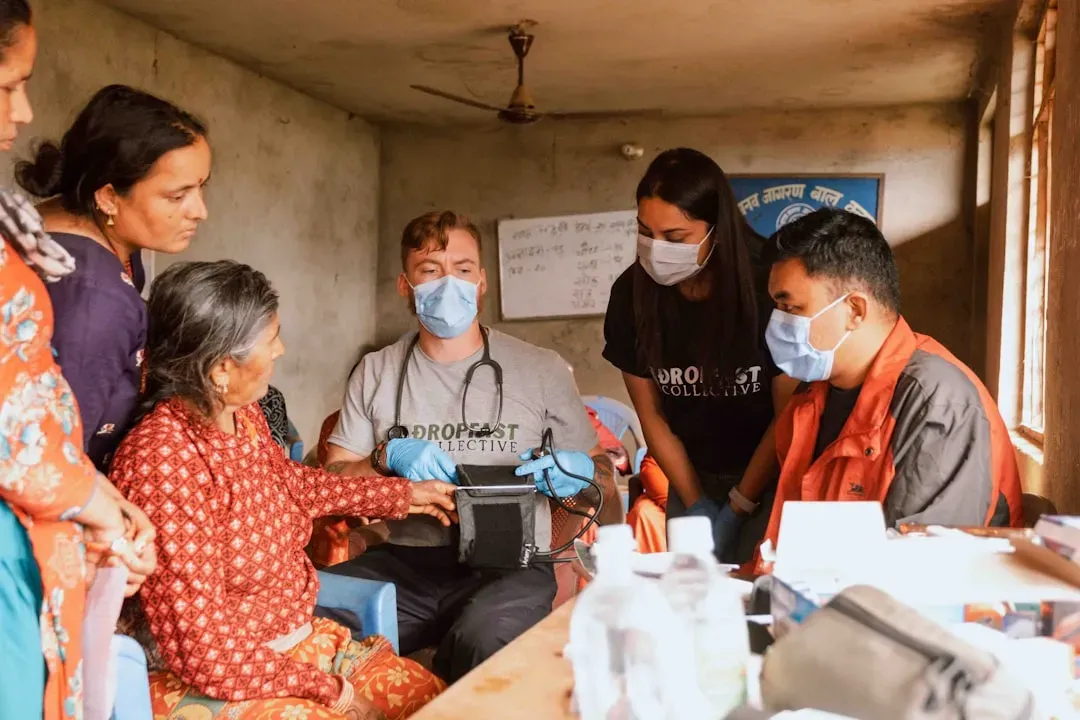
Medicare isn’t exclusively for people at retirement age, and Nevada’s beneficiary population reflects that reality. In Nevada, about 9% of Medicare beneficiaries, roughly 53,000 people, are younger than 65 and eligible for Medicare due to a disability rather than age. Nationally, that figure sits at about 11% of all beneficiaries. These are people managing serious health conditions who also need access to the full range of Medicare coverage options.
For years, this population faced a notable gap in access to Medigap coverage, since federal rules didn’t require insurers to offer those plans to under-65 enrollees. Nevada moved to fix that. Starting in 2026, Medigap insurers in Nevada are required to make all of their policies available to applicants under age 65, with premiums for Plans A, B, and D matching those for 65-year-old enrollees, and premiums for other plans capped at 200% of the age-65 rates. It’s a meaningful protection for a population that has historically had limited options in the supplemental coverage market.
Free Help Available: Nevada’s Support Programs for Medicare Beneficiaries


Nobody should have to navigate Medicare’s complexity alone, and fortunately, Nevada offers real resources to help. The Nevada Medicare Assistance Program, known as MAP, is a state program that offers free, unbiased guidance to Medicare beneficiaries in Nevada. Counselors can walk through plan comparisons, assist with enrollment, help with Medicare appeals, and address concerns about potential billing errors or fraud.
The State Health Insurance Assistance Program is a free service from the Department of Health and Human Services that offers one-on-one counseling for seniors with questions about Medicare, including eligibility, claims, appeals, and unbiased advice about coverage choices, and they also support families through in-person classes, seminars, and other community events. For rural Nevadans who may have fewer local healthcare options to begin with, these free counseling services can make a genuine difference in the quality of the decisions they’re able to make. The programs exist precisely because the stakes of getting this wrong are too high to leave people without support.
Conclusion

Medicare in Nevada isn’t a one-size-fits-all experience. Whether you’re turning 65 in Las Vegas, managing a disability in a rural county, or helping a parent sort out a plan change, the variables are real and the decisions matter financially. The state’s senior population will keep growing, and the system will keep evolving around it.
The most consistent piece of advice, regardless of plan type or county, is to treat enrollment windows with genuine seriousness. The penalties are permanent, the deadlines are firm, and the options available to you today may shift next year. Free help is available, and using it is far less costly than missing a deadline.
Partner offer
Planning a trip to Vegas?
Compare hotel rates and show tickets on VEGAS.com.