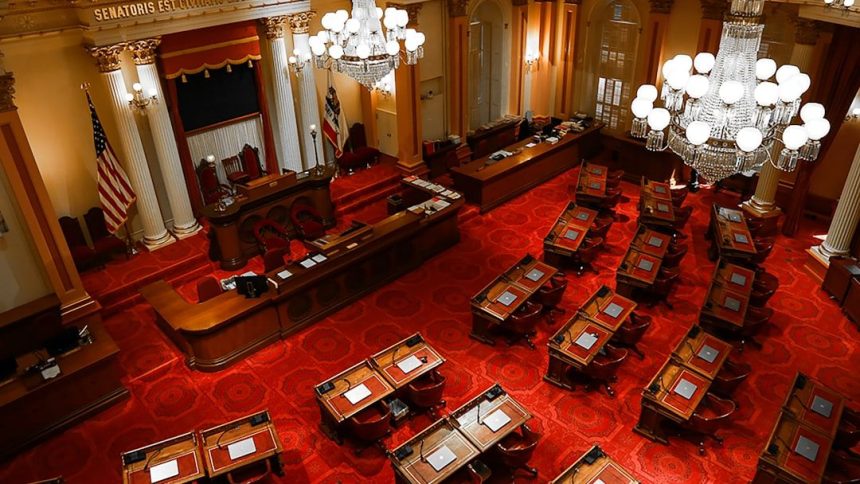
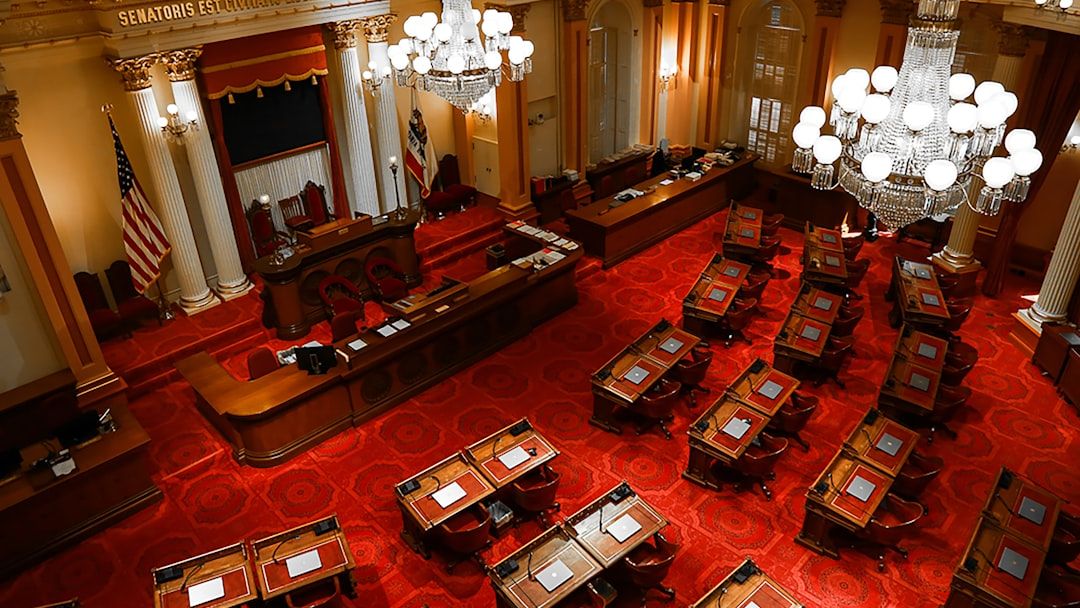

Heightened Scrutiny in the Committee Room (Image Credits: Unsplash)
Washington — Defense Secretary Pete Hegseth testified before the House Armed Services Committee on Tuesday, marking lawmakers’ first opportunity to confront him directly since the Iran war began nearly two months ago.[1][2] A top Pentagon financial officer revealed during the session that the conflict has already cost the United States $25 billion.[1][3] The hearing, focused on the administration’s proposed $1.5 trillion defense budget for fiscal year 2027, underscored rising tensions over the war’s fiscal and strategic implications at a pivotal moment for congressional oversight.
Heightened Scrutiny in the Committee Room
Skeptical Democrats seized the occasion to press Hegseth on the administration’s handling of the Iran conflict. The session represented a shift, as lawmakers had awaited this forum to address the war’s progress and price tag publicly.[4] Chairman of the Joint Chiefs of Staff Gen. Dan Caine joined Hegseth at the witness table, fielding questions alongside the defense secretary.
Rep. Adam Smith, the committee’s top Democrat, questioned Pentagon comptroller Jules Hurt closely on the cost breakdown. Exchanges grew pointed, with lawmakers highlighting potential underestimations in the figures provided.[5] Republicans largely backed the witnesses, but the bipartisan nature of some concerns hinted at broader unease.
Pentagon’s First Official Cost Estimate
The $25 billion figure emerged as the Pentagon’s initial public accounting of the war’s expenses. Under Secretary Hurt delivered the estimate during her testimony, covering operations from the conflict’s outset in late February.[6][7] This total reflected munitions, deployments, and other direct military outlays up to the present.
Earlier reports had pegged initial costs lower, such as $11.3 billion in the war’s first six days, but the updated number captured the sustained effort.[3] Lawmakers noted the sum’s rapid accumulation amid ongoing strikes and force protections in the region.
What matters now:
Hegseth Pushes Back Against Critics
Hegseth defended the military campaign vigorously, denying characterizations of it as a quagmire. He pointed to congressional critics, particularly Democrats and some Republicans, as greater obstacles to success than the adversary itself.[10][11] In a heated exchange with Rep. Ro Khanna, the defense secretary addressed the war’s economic ripple effects.
Rep. Jason Crow and others raised operational readiness issues, including recent incidents like pilot rescues. Hegseth emphasized rapid results and a transition to a new phase in the operations.[12] The testimony also touched on Pentagon personnel changes amid the war.
Budget Battles and War Trajectory Ahead
The committee reviewed the Trump administration’s ambitious 2027 budget, which includes substantial increases for defense priorities. Democrats expressed reservations about approving funds without clearer exit strategies or cost controls.[13] Senate Democrats had previously faulted preparations for Iranian responses.
As the Iran conflict enters its third month, this hearing signals intensified legislative involvement. Future sessions will likely probe deeper into strategic goals and fiscal sustainability, shaping the path forward for U.S. involvement.
The exchange leaves Capitol Hill divided yet engaged, with the $25 billion benchmark fueling debates over value and accountability in national security spending.