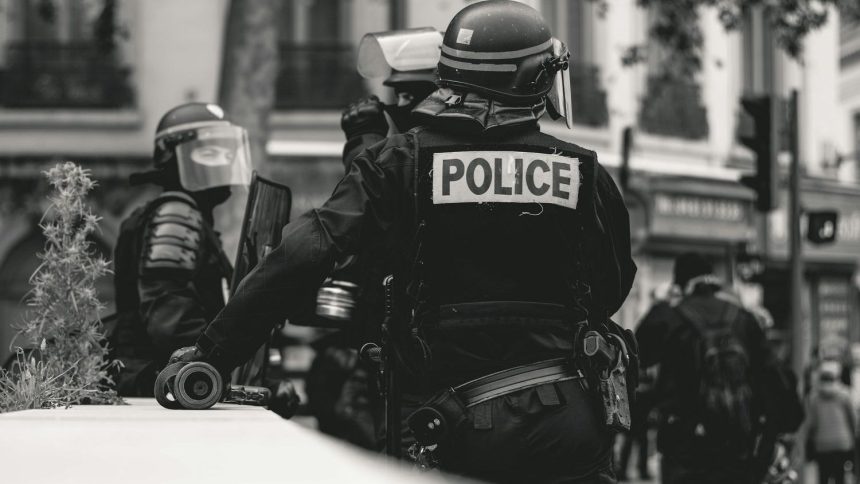

Hell's Angels Leader Hiding in Cancún – Wanted by Interpol for Drug Trafficking – Image for illustrative purposes only (Image credits: Unsplash)
Cancún, Quintana Roo – Mexican security forces detained Denis Ivziku on Friday after tracking his movements through the resort city where he had been living in hiding. The 28-year-old Canadian national, known by the alias Menace, led a cell of the Hell’s Angels Motorcycle Club and faced an active Interpol Red Notice for drug trafficking, firearms offenses, and extortion. His arrest marks the latest step in a long-running international effort to dismantle the group’s cross-border operations.
Joint Operation Brings Capture
Authorities from the Secretariat of the Navy, the Secretariat of Security and Citizen Protection, and the Attorney General’s Office carried out the arrest with support from the Royal Canadian Mounted Police. Intelligence gathered over several months allowed officers to locate Ivziku inside Cancún and execute the warrant without incident. He was informed of his rights at the scene and turned over to prosecutors for further proceedings.
The coordinated action stemmed from an active Canadian investigation that had already produced charges against 22 people in a network spanning multiple countries. Mexican officials described Ivziku as both a leader and the logistical operator for the cell operating under the cover of a motorcycle club in Quintana Roo.
Who Is Denis Ivziku
Canadian media have identified Ivziku as a key figure in Project Divergent, a four-year probe into drug and firearms trafficking that reached from Vancouver to Toronto and extended into Colombia, Greece, and the United States. He is accused of moving methamphetamine, cocaine, and fentanyl while also directing extortion schemes tied to the Hell’s Angels network.
Partner offer
At 28, Ivziku had risen quickly within the organization, according to officials who called him one of the primary instigators of violence on an international scale. His presence in Cancún allowed the group to maintain a foothold in the region while evading Canadian authorities.
Broader Hell’s Angels Activity in Quintana Roo
Local reports indicate the club maintains a presence in several Quintana Roo municipalities, including Cancún, Chetumal, Cozumel, and Playa del Carmen. From these bases, members have been linked to drug trafficking, violence, and extortion. The pattern is not new: in December 2024, Canadian national and Hell’s Angels member Mathieu Bélanger was killed in Playa del Carmen amid a reported turf dispute with another criminal group.
Officials note that the club has used its international reputation to mask illicit activities while expanding influence along the Yucatán Peninsula. Ivziku’s role as logistical operator reportedly helped coordinate shipments and enforcement actions from his base in Cancún.
What the Arrest Means Going Forward
With Ivziku now in custody, prosecutors will determine whether he faces immediate extradition proceedings or additional charges under Mexican law. The case underscores the reach of Interpol notices and the value of sustained cooperation between Canadian and Mexican agencies. For residents of Quintana Roo, the detention removes one high-profile figure from a network that has long operated in plain sight.
Investigators continue to examine the full scope of the cell’s activities, including any remaining connections to the larger Hell’s Angels organization. The outcome will likely influence how authorities monitor similar groups in tourist-heavy areas along Mexico’s Caribbean coast.
Partner offer
Planning a trip to Vegas?
Compare hotel rates and show tickets on VEGAS.com.