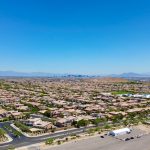
You wouldn’t expect it. You’re standing in the middle of a sun-baked city, pavement radiating heat like a slow oven, and then – tucked behind a row of apartment blocks or squeezed between two busy roads – you find it. Shade. Grass. The faint sound of running water. A park that feels like the city’s best kept secret.
Desert cities are in a quiet arms race right now, planting trees, designing green corridors, building parks that double as climate shelters. The stakes are surprisingly high. What’s happening across Phoenix, Dubai, Las Vegas, and cities like them isn’t just landscape design. It’s survival planning. And the hidden parks scattered through these cities are some of the most important infrastructure decisions being made in 2026. Let’s dive in.
Why Desert Parks Are Now a Matter of Life and Death

Let’s be real – when people think about parks, they picture leisurely Sunday mornings, not emergency public health tools. But the data is hard to ignore. Phoenix saw 113 straight days of temperatures reaching at least 100 degrees in 2024, shattering the national record, while lows consistently stayed in the 90s. Those temperatures led to 466 deaths from extreme heat, with another 191 under investigation, according to data from Maricopa County.
In 2024 alone, there were 526 heat-related fatalities in Southern Nevada – more than the number of homicides and traffic deaths in the same year. That figure stopped me cold when I first read it. More deaths from heat than from violence or car crashes. That puts urban parks squarely in the category of essential infrastructure, not optional amenities.
With temperatures rising, combined with the urban heat island effect that makes cities hotter than rural areas, heat-related illness and death in cities are becoming more common. Urban green spaces can help reduce this risk, cooling down outdoor environments and providing vital refuges.
The Science Behind How Parks Actually Cool You Down

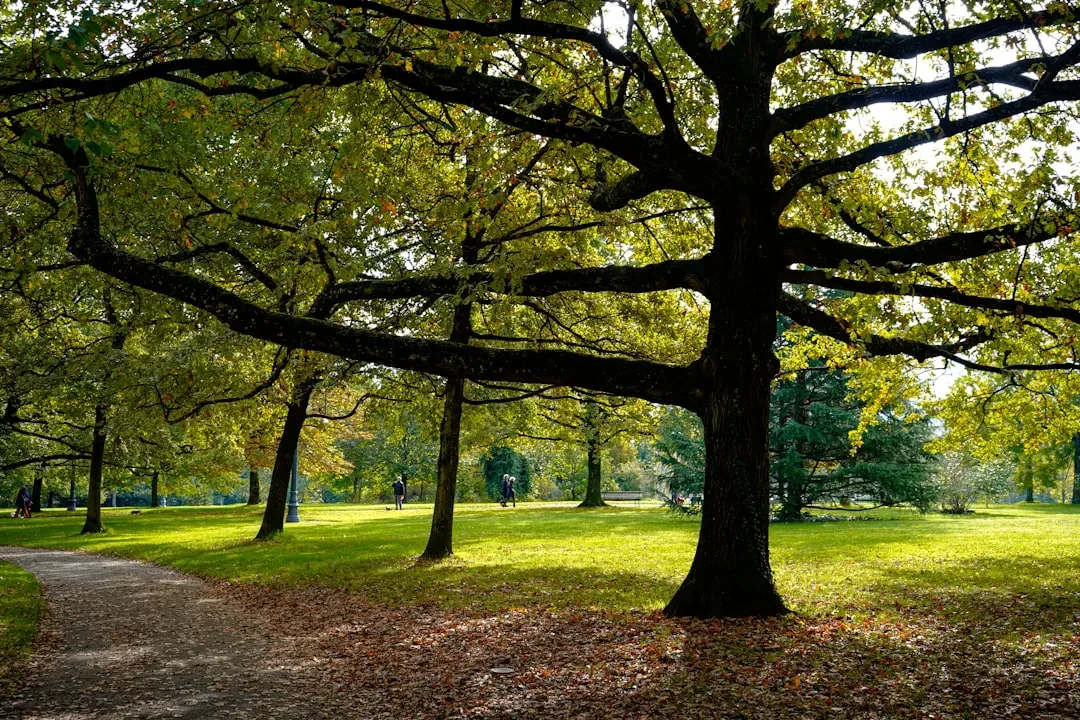
Research shows that green areas, including parks, green roofs, and street trees, can lower air and surface temperatures by as much as 5°C. However, the efficiency of cooling varies depending on plant density and spatial distribution. Think of it like a natural umbrella – but one that also sweats, releasing moisture into the air and creating a genuinely cooler microclimate around it.
The cooling effect of urban green spaces, especially urban forests, is caused by shading and transpirational cooling – essentially the evaporation of water through leaves. It’s not magic. It’s biology. And honestly, it’s more effective than many people assume.
Vegetation cools the air through transpiration – the release of water vapor – and shading. A well-placed tree along a street is not decoration. It is a functioning air conditioning unit that requires no electricity. That is a remarkable thing, when you stop to think about it.
Phoenix and the Race to 25 Percent Tree Canopy

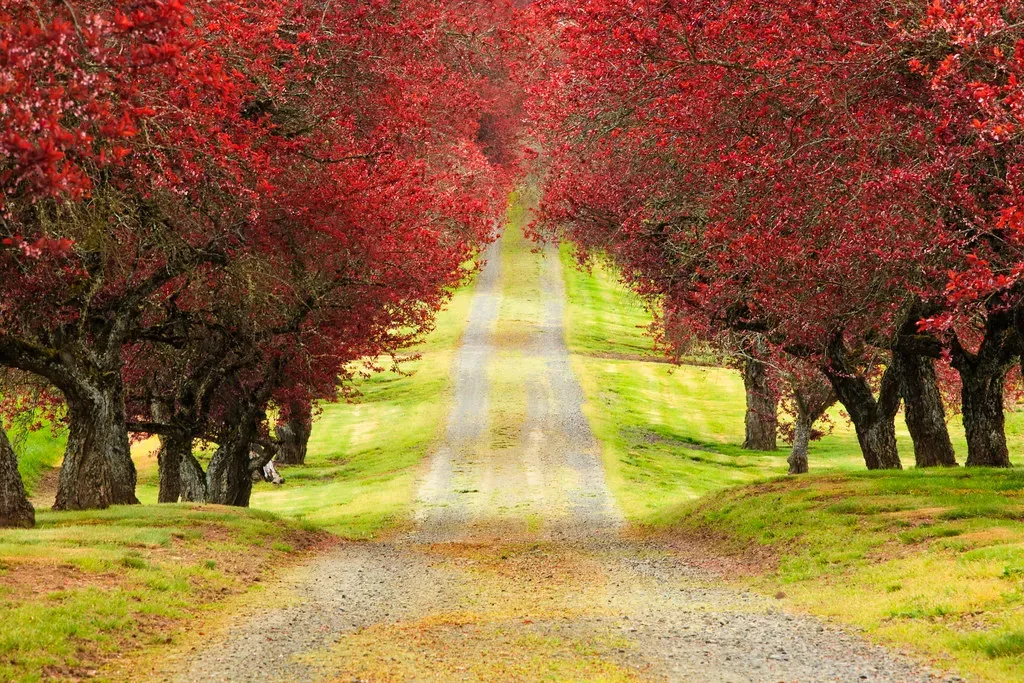
The City of Phoenix Tree and Shade Master Plan addresses urban forestry and the value of trees in Phoenix. The urban forest is described in the plan as essential to creating a sustainable city because it solves many problems with one single solution. By investing in trees and the urban forest, the city can reduce its carbon footprint, decrease energy costs, reduce stormwater runoff, increase biodiversity, address the urban heat island effect, clean the air, and increase property values.
The goal is to reach 25 percent canopy by 2030. Current estimates place Phoenix’s urban canopy at around 10 to 11 percent. That gap is enormous, roughly doubling the city’s tree cover in under a decade. An increase in tree canopy cover from the current 10% to the City of Phoenix goal of 25% resulted in a 2.0°C temperature reduction at the local scale and could offset the amount of urban warming predicted by the more conservative climate change scenario.
A new three-year project called the Greater Phoenix Urban Forestry Accelerator, led by ASU in partnership with local municipalities, businesses, and nonprofits, is a $5 million effort that aims to provide the shade needed to take the edge off the Phoenix metropolitan area’s increasingly hot summers while creating new jobs for residents. It’s worth noting – this isn’t just about parks. It’s about economic development happening in tandem with environmental protection.
Dubai’s Billion-Dollar Bet on Green Spaces

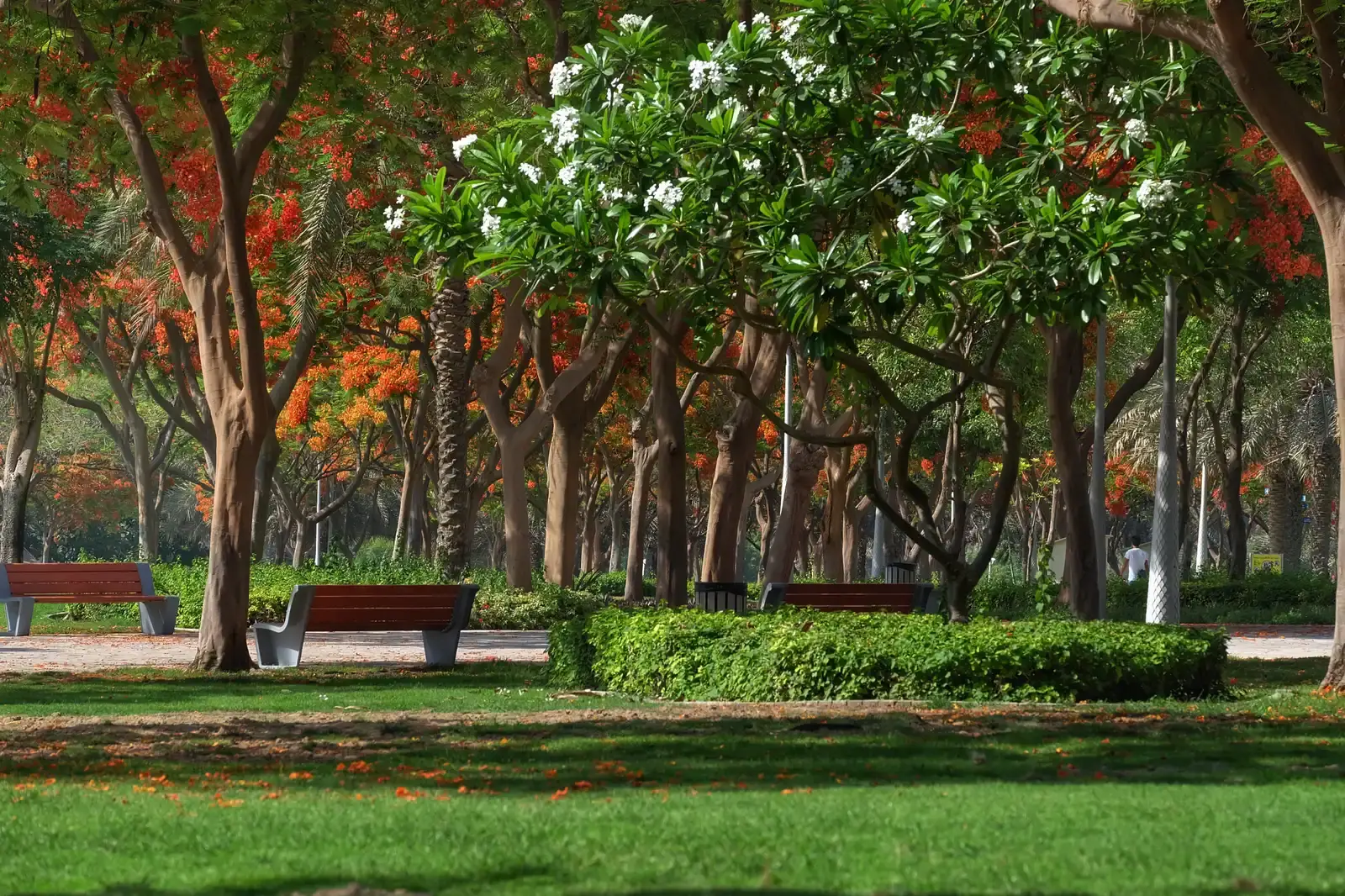
If Phoenix is sprinting toward greener ground, Dubai is throwing money at the problem in spectacular fashion. Dubai Municipality unveiled the Blue and Green Spaces Roadmap 2030, a comprehensive initiative valued at more than AED 4 billion – approximately $1.08 billion – in a bold step toward enhancing urban livability and combating desert challenges. The ambitious project aims to integrate nature more deeply into the emirate’s urban fabric, positioning Dubai as a leading global sustainable city that prioritizes human wellbeing and environmental resilience.
In 2024, Dubai Municipality planted 216,500 new trees, marking a 17% increase from the previous year. Expanding the emirate’s green spaces by 391.5 hectares – a 57% growth from 2023 – this initiative enhances the urban landscape, improves air quality, and contributes to Dubai’s resilience against climate change. That is extraordinary growth for a city built in a desert.
As part of Dubai’s wider urban development vision, one initiative focuses on creating long, connected corridors of green space through urban areas. These aren’t just decorative – they’re designed to improve air quality, offer shaded walking paths, and reduce heat. In Dubai, the Dubai 2040 Urban Master Plan aims to increase the size of green and recreational areas by 105%. That kind of ambition would seem impossible almost anywhere else.
Las Vegas: Shaded Corridors in the World’s Hottest Playground

Las Vegas might be the most extreme example of a city trying to outrun its own heat. Las Vegas is an urban heat island and is one of the fastest-warming cities in the country, second only to Reno, according to the environmental nonprofit Climate Central. The irony of a city built around neon lights and air-conditioned casinos now desperately seeking shade outside is not lost on anyone.
A study found that shade from trees cooled surrounding air temperatures by nearly 45 degrees in certain areas of Las Vegas – more than any other city in the study. Forty-five degrees. That is a staggering number. The Southern Nevada Urban Heat Mapping Project, spearheaded by the Regional Transportation Commission of Southern Nevada, found the hottest sections of Las Vegas featured large amounts of dark and heat-absorbing surfaces like parking lots, buildings, and asphalt. The mapping project revealed that elevated temperatures were worst in North Las Vegas, East Las Vegas, and downtown, which can get up to 11 degrees hotter than other parts of the city.
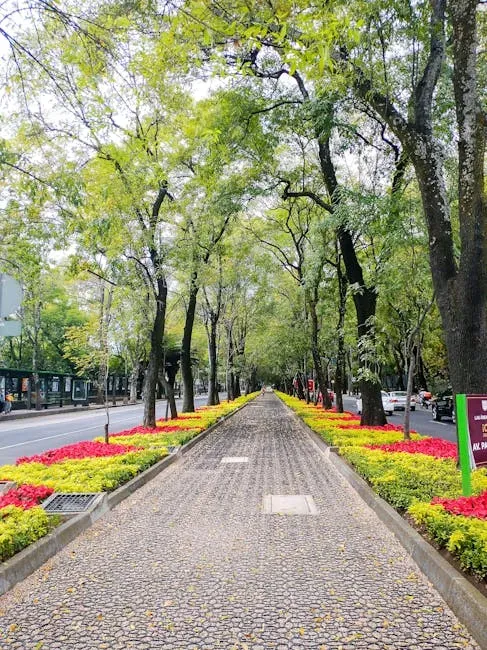
The RTC’s Complete Streets projects and initiatives are redesigning roadways to be more comfortable for pedestrians and bicyclists by adding wider sidewalks, more crosswalks, and street trees. The RTC kicked off construction on the Maryland Parkway Bus Rapid Transit Project, which will feature street trees on both sides of the street and the center median. “That’s really going to help cool that corridor,” said an official.
The Mental Health Dimension Nobody Talks About Enough

Here’s the thing – when we debate parks and green spaces in desert cities, most of the conversation stays focused on temperature numbers. But the World Health Organization has highlighted that access to green spaces is linked to lower heat-related illness and improved mental health outcomes. That connection is rarely featured in city planning documents, even though it arguably should be front and center.
The expansion of Dubai’s green infrastructure is not just about aesthetics. These green spaces serve multiple purposes, from enhancing air quality and reducing urban heat islands to supporting mental health and physical well-being. It’s a reminder that a park isn’t just a thermometer strategy. It’s a place where humans get to feel like humans again, even in the middle of a concrete desert.
The Urban Heat Island effect leads to increased demand for air conditioning, rising energy consumption, and poor air quality, which adversely affect public health by increasing the incidence of heat-related illnesses and mortality. Remove people from that cycle – even for a few hours in a shaded park – and the ripple effects on wellbeing are measurable.
Native Plants and Smarter Greening Strategies

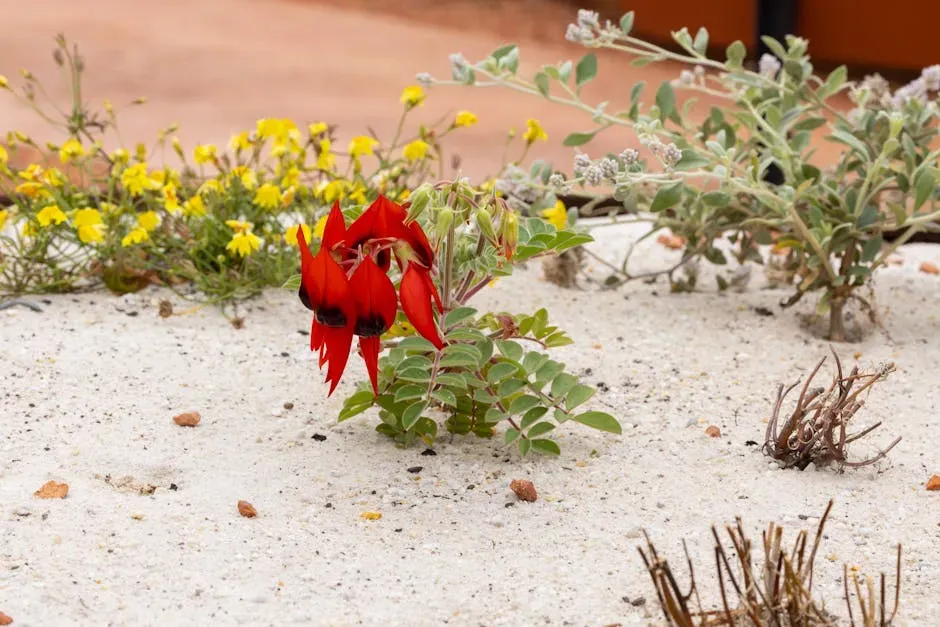
Not every tree belongs in a desert city. That is an important nuance that often gets lost in the enthusiasm for planting. Research from Arizona State University found that native trees and shrubs are more effective solutions than dense greenery options such as grass lawns and golf courses, which are more suited for naturally wetter environments. Forcing a lush, water-hungry lawn into a desert environment is a bit like wearing a wool coat in summer – it creates more problems than it solves.
For watering systems, research suggests drip irrigation results in better cooling and reduced carbon dioxide emissions from soil respiration compared to flood or sprinkler irrigation in desert cities. This approach also preserves the region’s limited water supply. Smart irrigation is now becoming as important a design element as the plants themselves.
Beyond planting trees, Dubai Municipality introduced advanced irrigation systems powered entirely by recycled water, ensuring a sustainable approach to urban greening. Indigenous species like Ghaf, Sidr, and Samar, alongside ornamental plants and palm trees, now flourish across the city, enhancing Dubai’s unique character. It’s a model that other arid cities are quietly starting to copy.
What a Truly Cool City of the Future Might Look Like

A one and a half fold gap currently exists in green space cooling adaptation between cities in the Global South and North. Enhancing urban green space quality and quantity offers vast potential for improving outdoor cooling adaptation and reducing its global inequality. The cities that figure this out first will have a serious advantage as temperatures continue to climb through the rest of this century.
Cities, which today occupy less than 3% of the planet’s land surface, are responsible for about 70% of global greenhouse gas emissions. It is estimated that by 2050, as much as 70% of the world’s population will live in cities. That is a collision of numbers with enormous consequences. More people, in denser spaces, generating more heat – unless those cities invest seriously in green infrastructure now.
It is known that for every dollar invested in the urban forest, there results an impressive return of $2.23 in benefits. Hidden parks are not charity projects. They are some of the most cost-effective urban investments on the table right now. The cities that understand that – Phoenix, Dubai, Las Vegas, and their peers – are quietly building something that future residents will depend on not just for leisure, but for survival.
The next time you wander into a shaded city park and feel that first wave of cooler air wash over you, remember – that park didn’t happen by accident. Someone planned it, fought for it, and funded it. In a desert city, that small patch of green might be the most radical thing around. What do you think your city should be doing to create more of these spaces? Share your thoughts in the comments below.