History textbooks love to sanitize the lives of famous figures, turning complex, flawed humans into marble statues we’re supposed to admire from a distance. But the reality? These people were often deeply weird, occasionally unhinged, and sometimes downright bizarre in ways that would make modern celebrities look tame by comparison.
The truth is, the most fascinating parts of their lives rarely make it into school curriculums. We get the polished version, the heroic narrative, the carefully curated legacy. What we don’t hear about are the strange obsessions, the scandalous affairs, the eccentric habits that defined who they really were. Let’s pull back the curtain on some historical heavyweights whose real lives were far stranger than any Hollywood script could capture.
Benjamin Franklin’s Fascination With Naked Air Baths
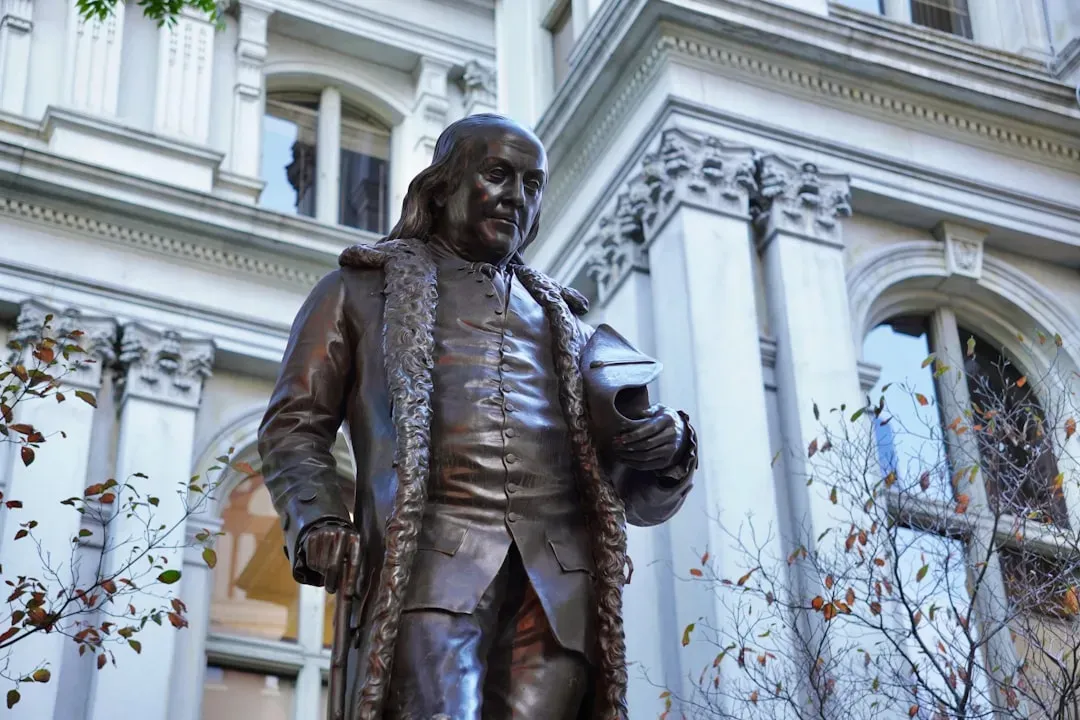
The Founding Father we associate with lightning rods and pithy sayings had a morning routine that would raise eyebrows today. Franklin was convinced that sitting naked in front of an open window for at least an hour each morning would improve his health. He called these sessions “air baths” and swore by their rejuvenating properties.
This wasn’t just a brief phase either. He practiced this ritual for decades, even while living in France as a diplomat. Imagine being his neighbor in Paris and glancing across the courtyard to see one of America’s most prominent statesmen lounging in the buff at dawn. Franklin also believed that fresh air could cure nearly any ailment, which led him to refuse blankets and insist on sleeping in cold rooms with windows wide open.
His obsession with air extended to his social life too. He once wrote an entire essay titled “Fart Proudly,” seriously arguing that scientists should focus on making flatulence smell pleasant. The man helped draft the Declaration of Independence and also penned detailed flatulence manifestos. That’s range.
Lord Byron Kept a Bear in His College Dorm
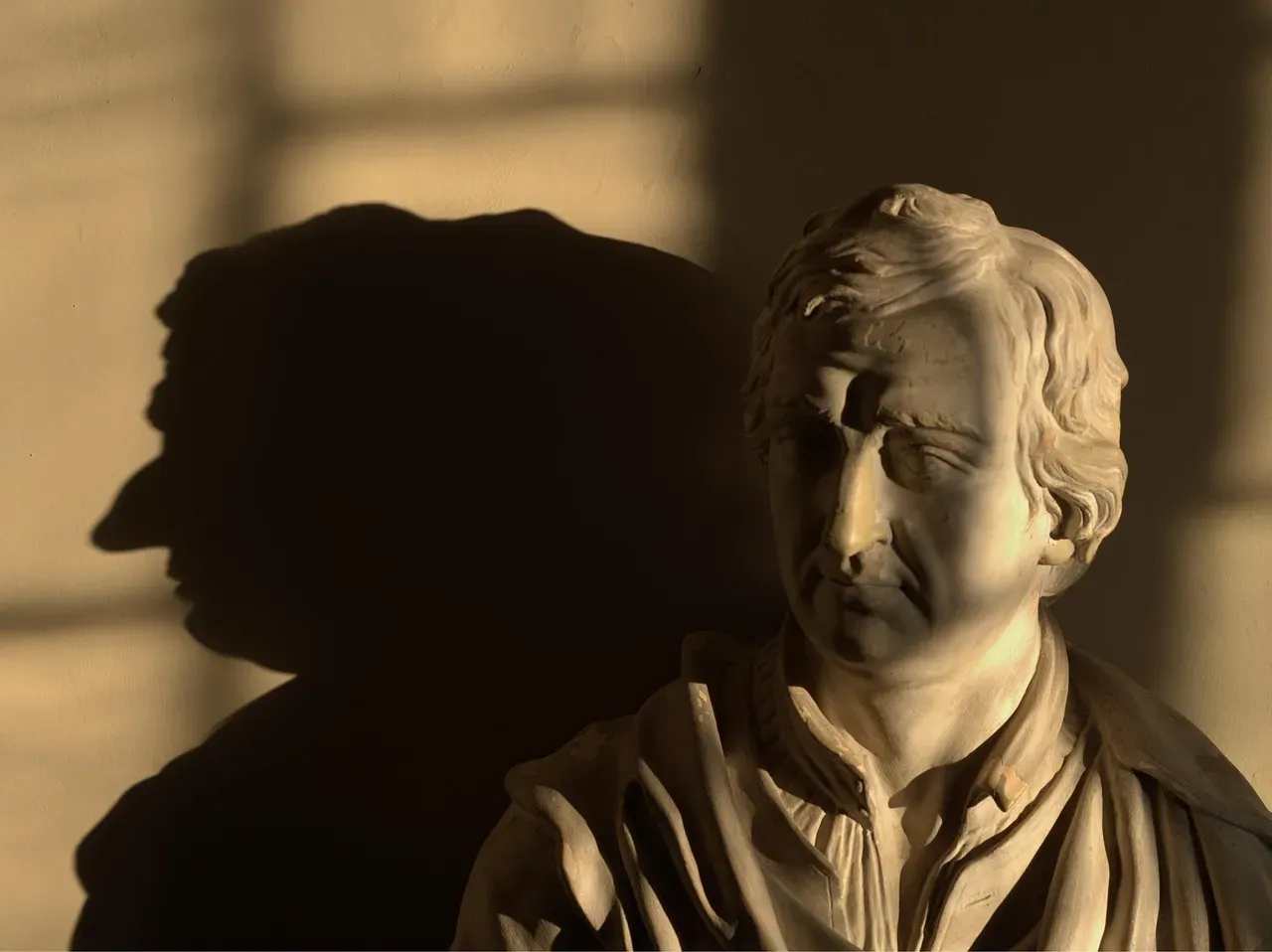
The Romantic poet known for brooding verses and scandalous affairs took his rebellious streak to absurd levels at Cambridge University. When the college banned students from keeping dogs in their rooms, Byron found a creative loophole. He acquired a tame bear instead, arguing that no rule specifically prohibited bears.
He reportedly walked the bear on a chain around campus and even suggested it should sit for a fellowship degree. The university administrators were not amused, but technically couldn’t punish him. Byron’s menagerie didn’t stop there though. Throughout his life, he traveled with peacocks, monkeys, parrots, and at one point, five cats, eight dogs, three geese, and an eagle.
His personal life was equally chaotic. Byron had affairs with both men and women at a time when such behavior could get you imprisoned or worse. He fled England amid rumors of incest with his half-sister and spent his final years fighting in the Greek War of Independence. The bear incident seems almost quaint compared to everything else.
Nikola Tesla’s Love Affair With a Pigeon
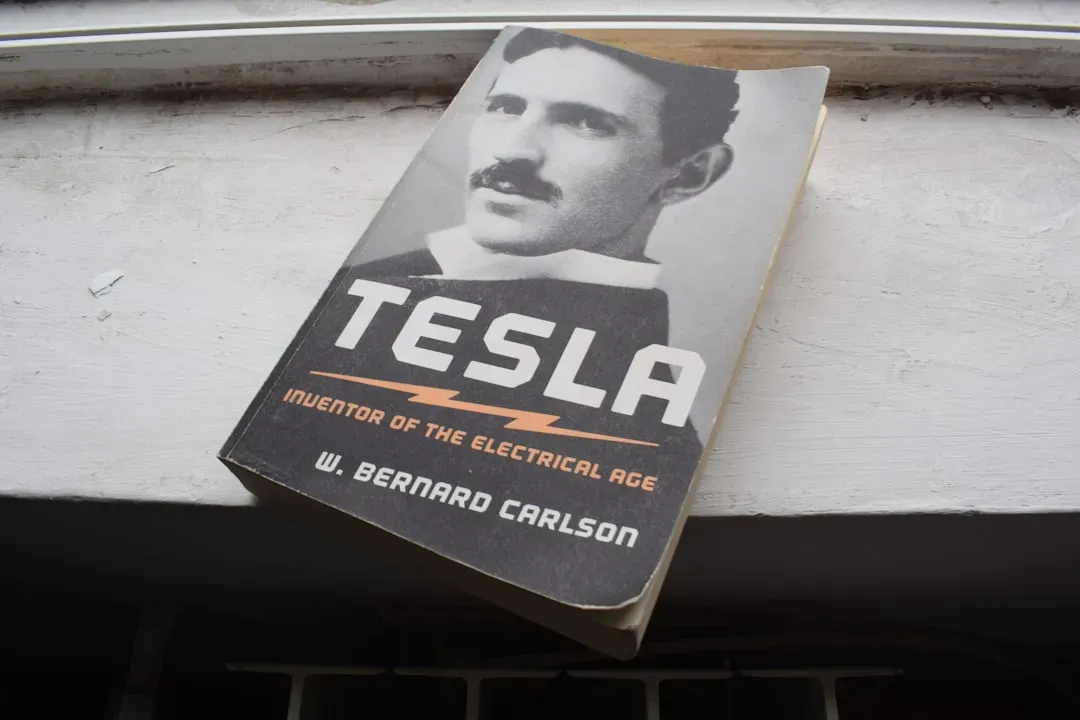
The brilliant inventor who pioneered alternating current and countless other electrical innovations spent his later years in New York City hotels, feeding pigeons from his window. But one pigeon became special to him, a white bird with light gray tips on its wings. Tesla claimed he loved this pigeon like a man loves a woman.
He spent enormous amounts of money caring for injured pigeons, even renting a room specifically for their recovery. When his favorite pigeon died, Tesla said he saw a blinding light emanate from her eyes, brighter than anything his electrical experiments had ever produced. He believed his life’s work ended the moment she passed away.
Tesla also had obsessive compulsive tendencies that controlled his daily routine. He required eighteen napkins at every meal and counted his steps constantly. He would walk around a block three times before entering a building and refused to touch anything round. Despite revolutionizing modern electricity, he died alone and broke in a hotel room, his greatest inventions overshadowed by his increasingly bizarre behavior.
Charles Darwin’s Lifelong Vomiting Problem
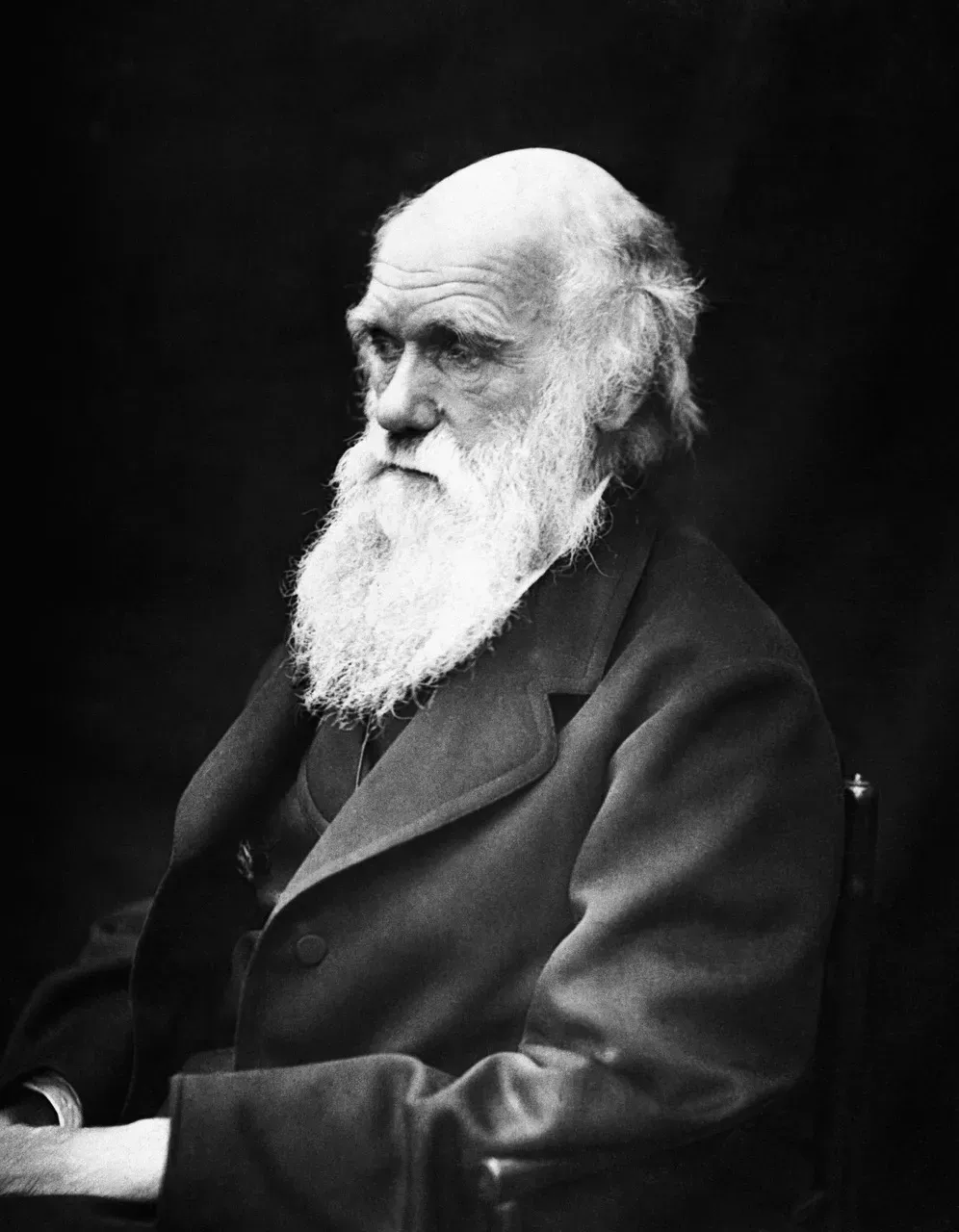
The father of evolutionary theory spent much of his adult life mysteriously ill, vomiting multiple times daily and suffering from crippling anxiety. Some historians believe he contracted a parasitic disease during his famous Beagle voyage, while others think his symptoms were psychosomatic, triggered by the stress of challenging religious orthodoxy.
Darwin kept meticulous health journals documenting every symptom, stomach pain, and episode of flatulence. He tried every treatment available in Victorian England, from electrical shock therapy to ice baths to arsenic consumption. Nothing worked consistently. He often couldn’t work for more than a few hours before becoming violently ill.
The irony is rich. The man who explained how species adapt to survive could barely leave his house without getting sick. He turned down honors and speaking engagements because he couldn’t predict when he’d be functional. His illness actually shaped evolutionary theory in unexpected ways, as he conducted botanical experiments in his home since he couldn’t travel to study animals.
His family life was equally affected by his work. Darwin married his first cousin Emma Wedgwood, and three of their ten children died young. He privately worried that marrying a relative had weakened their offspring, though he never published these fears. The man who changed how we understand life spent his own life in chronic misery.
Catherine the Great’s Furniture Collection Nobody Talks About
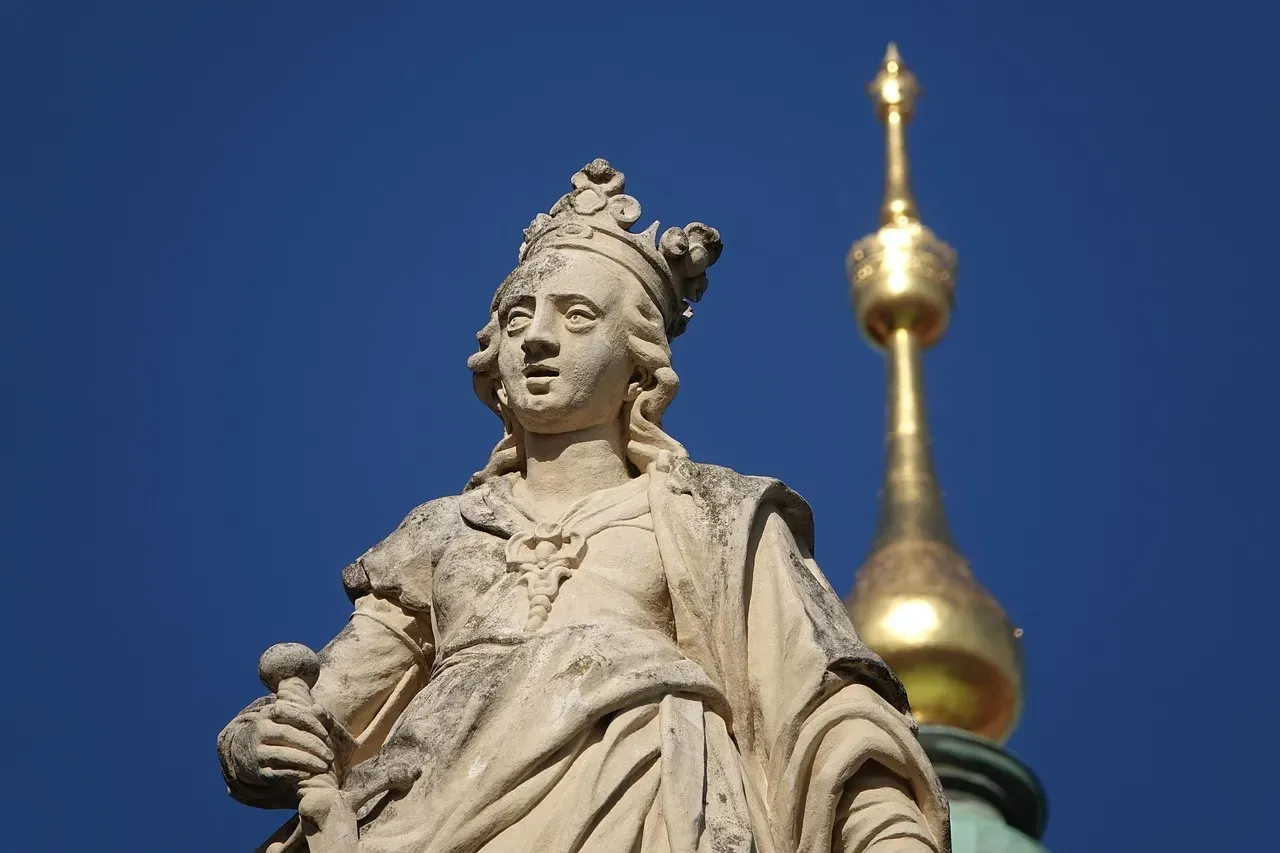
Russian history loves to focus on Catherine’s political reforms and territorial expansion, conveniently glossing over what archaeologists discovered in her private palace rooms. After her death, her son Paul ordered the destruction of a secret collection of erotic furniture and artwork she’d commissioned.
Contemporary accounts describe chairs, tables, and decorative pieces featuring explicit anatomical depictions and sexual scenes. Catherine apparently entertained guests in these rooms, which were part of her private quarters at the Winter Palace. Her lovers were legendary in number, with estimates ranging from a dozen to several dozen official favorites throughout her reign.
She established a formal process for vetting potential lovers, including having her ladies-in-waiting test candidates first. She gave her favorites enormous estates, titles, and political power. One favorite, Grigory Potemkin, may have secretly married her and continued influencing her decisions even after their romantic relationship ended.
Thomas Edison Electrocuted an Elephant to Prove a Point
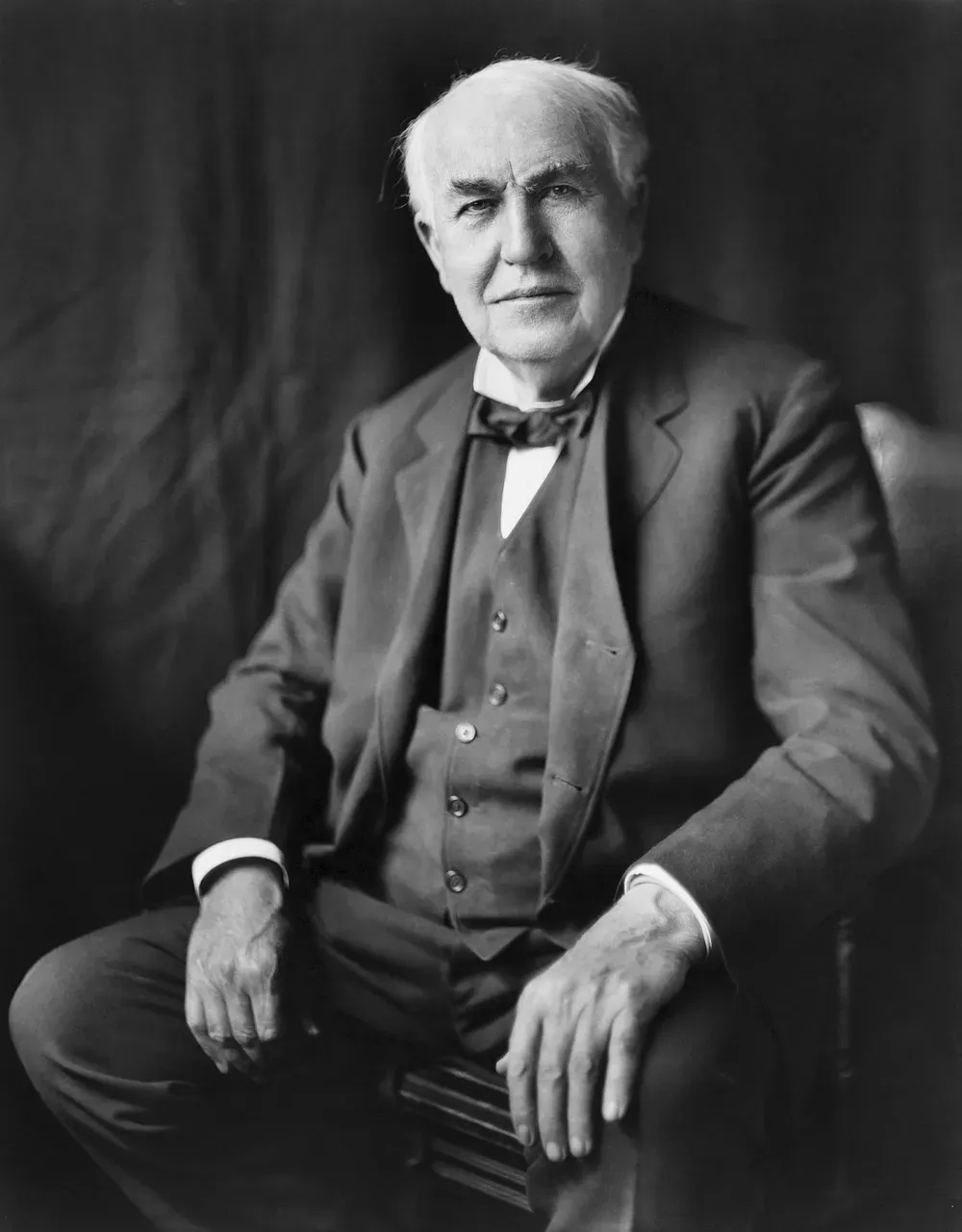
The famous inventor we associate with light bulbs and phonographs waged a brutal public relations war against his rival Nikola Tesla during the battle between direct and alternating current. To demonstrate how dangerous AC current supposedly was, Edison organized public electrocutions of animals, including dogs, cats, and horses.
The most infamous incident involved Topsy, a circus elephant who had killed three men and was scheduled for execution anyway. Edison’s team rigged her with copper electrodes and ran alternating current through her body while filming the event. Topsy died in seconds, and Edison distributed the film to prove AC current was a lethal threat.
He also pushed for the electric chair to be adopted using AC current, hoping the public would associate his rival’s technology with death. Edison’s smear campaign worked initially, but eventually AC current won out because it was simply more efficient for long-distance power transmission. His desperation to win led him to some genuinely dark places.
His personal life wasn’t much brighter. Edison was a workaholic who often slept in his lab and expected his employees to do the same. His first wife died young, possibly from stress, and his relationship with his children was distant at best. He once said his family couldn’t understand why he wasn’t content to just make money and stop working.
Vincent van Gogh’s Absinthe Addiction and Turpentine Drinking
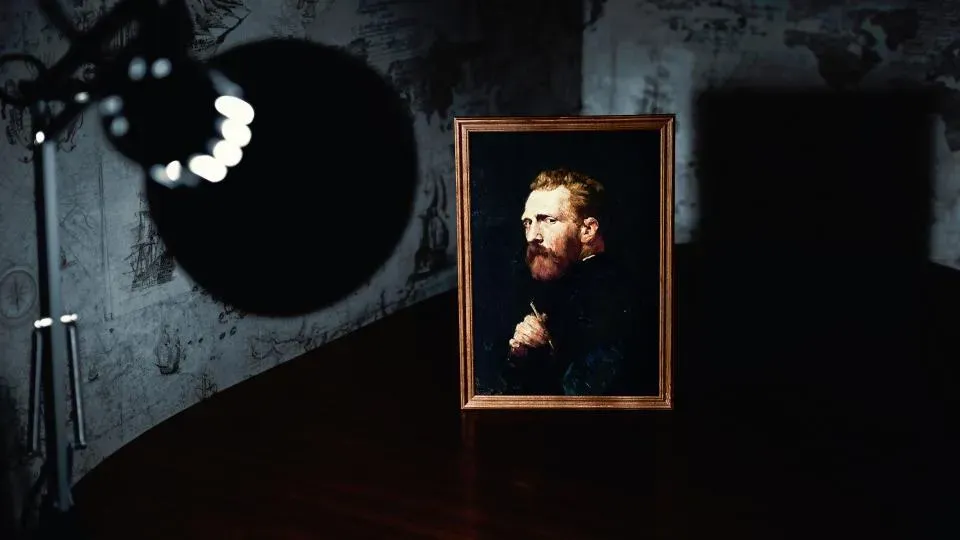
Everyone knows van Gogh cut off part of his ear, but fewer people understand the chemical cocktail that likely contributed to his mental breakdown. The artist was heavily addicted to absinthe, a potent liquor containing thujone, a compound known to cause hallucinations and seizures when consumed in large quantities.
Van Gogh didn’t stop at absinthe though. When money was tight, he reportedly drank turpentine and ate paint, both of which contain toxic compounds that can cause neurological damage. His letters to his brother Theo describe episodes where he couldn’t distinguish reality from hallucination, seeing halos around lights and experiencing seizures.
His famous yellows may have been influenced by digitalis, a heart medication he was prescribed that causes yellow-tinted vision as a side effect. Some art historians believe we’re not seeing his true artistic vision but rather the chemical-altered perception of a man slowly poisoning himself. His most celebrated works might be documentation of his deteriorating mental state.
Albert Einstein Refused to Wear Socks and Married His Cousin
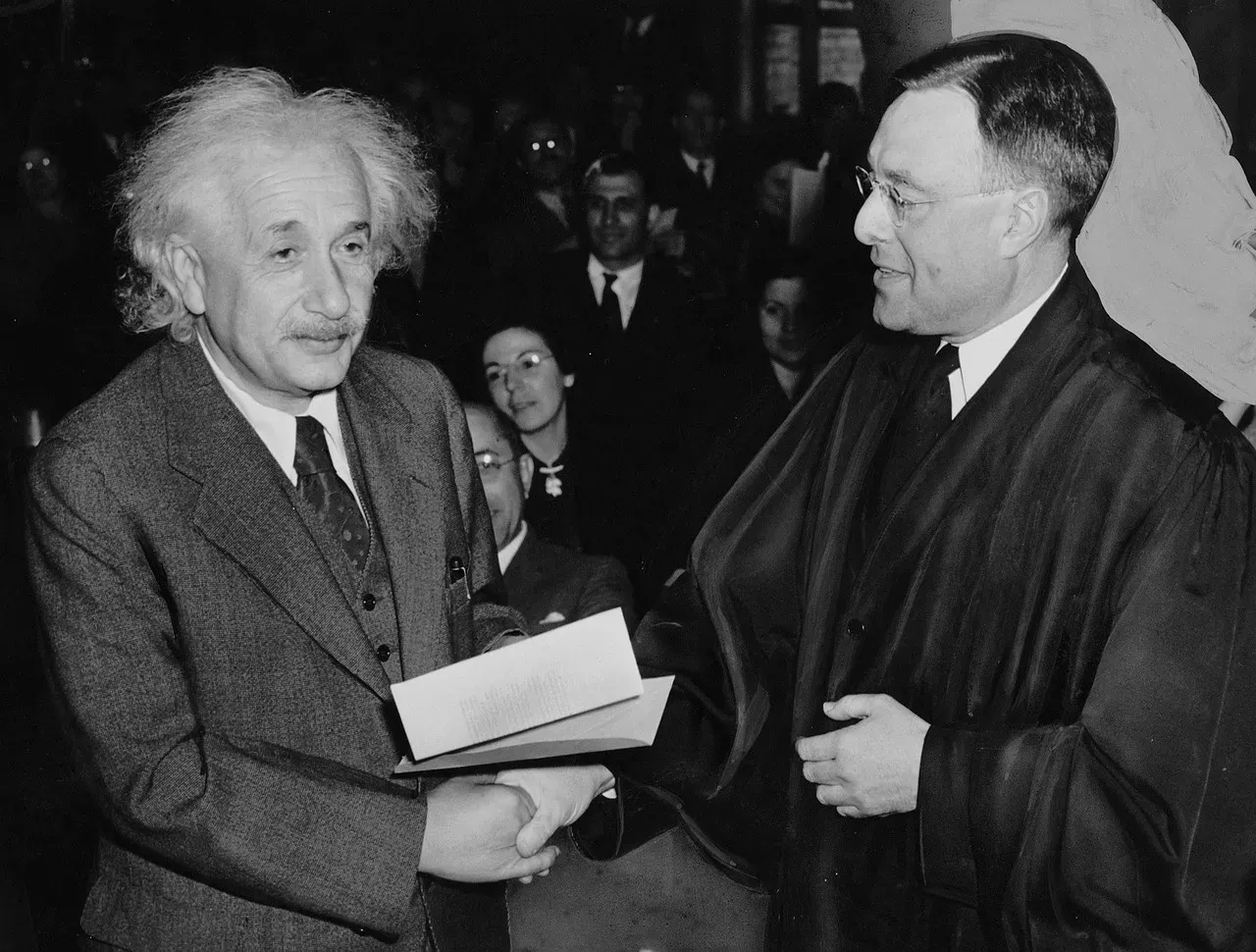
The wild-haired genius we picture contemplating the universe had some peculiar personal habits that his scientific legacy tends to overshadow. Einstein hated wearing socks, claiming they always got holes in them and were therefore pointless. He went sockless in formal settings, meetings with world leaders, and even receiving the Nobel Prize.
His romantic life was messier than his hair. He married his cousin Elsa after divorcing his first wife Mileva, who was also a physicist and possibly contributed to his early theories more than history credits. Einstein admitted in letters that he found Elsa physically unattractive but married her anyway for companionship and to legitimize his relationship with her daughters from a previous marriage.
He was also a serial philanderer, conducting multiple affairs throughout both marriages. His personal papers reveal at least ten romantic relationships he maintained simultaneously while married to Elsa. When she died, he refused to remarry despite several women pursuing him, saying he’d learned his lesson about matrimony.
Conclusion
The messy, strange, and sometimes disturbing personal lives of historical figures remind us that genius and greatness don’t exempt anyone from being deeply, wonderfully human. These weren’t perfect heroes or villains but complicated people navigating their own demons, obsessions, and eccentricities while changing the world.
Their textbook versions strip away the weirdness that made them real, leaving us with sanitized myths instead of the fascinating truth. Maybe that’s why these stories feel so compelling now. We’re finally ready to see our heroes and icons as the flawed, bizarre individuals they actually were. Which of these strange lives surprised you most? Share your thoughts in the comments below.