There’s something remarkable about standing in front of a crowd, no microphone clip, no trending hashtag, no algorithm to boost your reach, and still managing to change the world with words alone. History’s greatest orators did exactly that. Now imagine what would happen if those same speeches landed in today’s social media landscape, where a perfectly timed soundbite can rack up millions of views overnight. The results would be staggering. Some of these speeches were practically built for the scroll, the clip, the share, and the quote tweet, long before any of that existed.
Martin Luther King Jr. – “I Have a Dream” (1963)
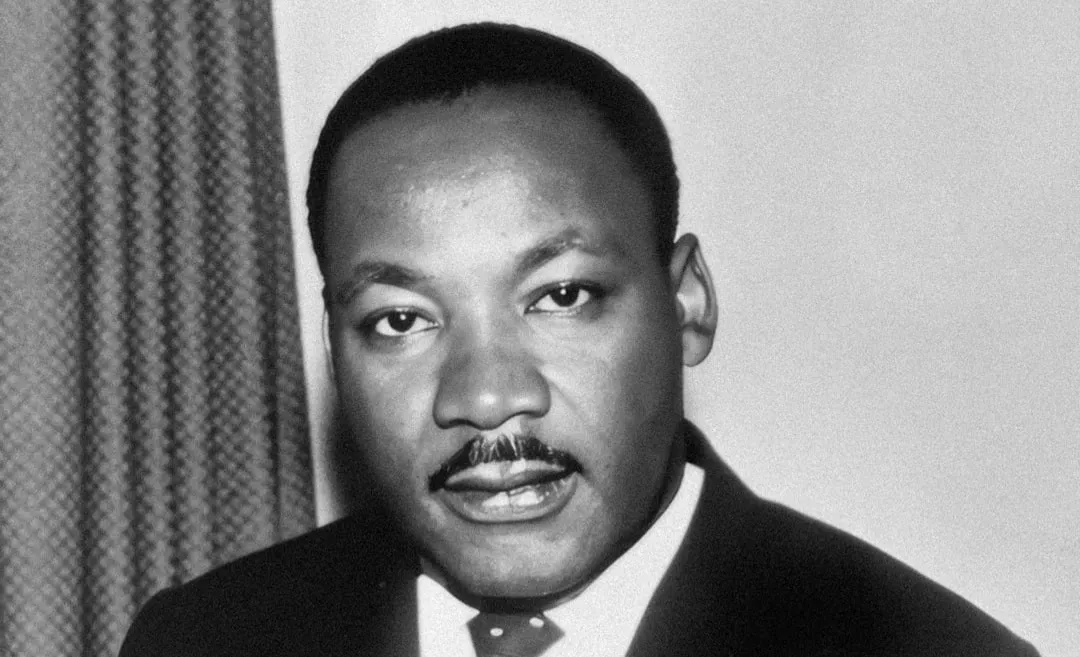
On August 28, 1963, Martin Luther King Jr. delivered one of the most iconic speeches in American history from the steps of the Lincoln Memorial during the March on Washington for Jobs and Freedom. The march itself was a landmark event, drawing over 250,000 people to the nation’s capital in a powerful demonstration of solidarity and demand for change. The speech was ranked the top American speech of the 20th century in a 1999 poll of scholars of public address. King’s rhetorical brilliance, built on repetition and vivid imagery, was designed to move people emotionally, which is exactly what viral content does today.
“It resonated for a lot of people because it was the first time anybody had seen that sort of scene on television – Black and white people holding hands,” one historian noted. Social media platforms have amplified the spread of impactful quotes, making them instantly accessible worldwide, and hashtags like #BlackLivesMatter carry forward the legacy of past activists through viral messaging. About eight in ten American adults say civil rights leader Martin Luther King Jr. has had a positive impact on the United States, with nearly half saying his impact has been very positive. A sixty-second clip of that Lincoln Memorial moment, set against the sound of a crowd 250,000 strong, would break the internet today without question.
Winston Churchill – “We Shall Fight on the Beaches” (1940)
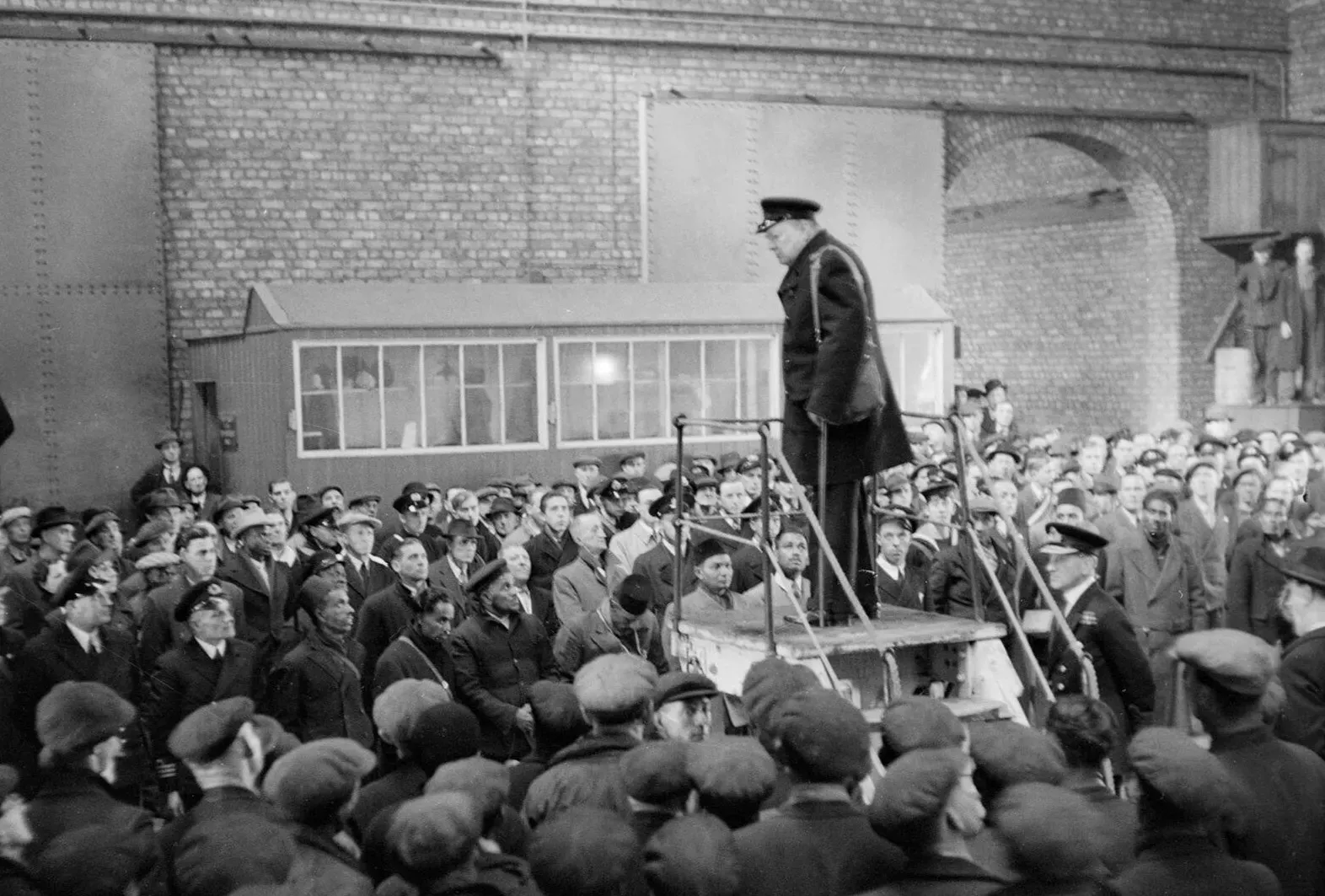
The “We shall fight on the beaches” speech was delivered by British Prime Minister Winston Churchill to the House of Commons of the Parliament of the United Kingdom on 4 June 1940. In this speech, Churchill had to describe a great military disaster, and warn of a possible invasion attempt by Nazi Germany, without casting doubt on eventual victory. At the outset, it was hoped that 45,000 men might be evacuated from Dunkirk; in the event, over 338,000 Allied troops reached England, including 26,000 French soldiers. The stakes were almost incomprehensibly high, and Churchill’s language matched every bit of that weight.
The resulting address became one of the most famous speeches in history, also known as Churchill’s Dunkirk speech or the Never Surrender speech, and it’s studied worldwide today as a powerful example of motivational and persuasive speaking. Churchill primarily used emotional appeals to national pride and evocative language to instill resilience and unity, and the phrase “We shall fight” was used repeatedly, creating a theme of relentless resistance. In today’s media environment, that rhythmic repetition would make it a perfect TikTok sound, the kind that gets repurposed into thousands of videos about resilience, leadership, and defiance.
Abraham Lincoln – The Gettysburg Address (1863)
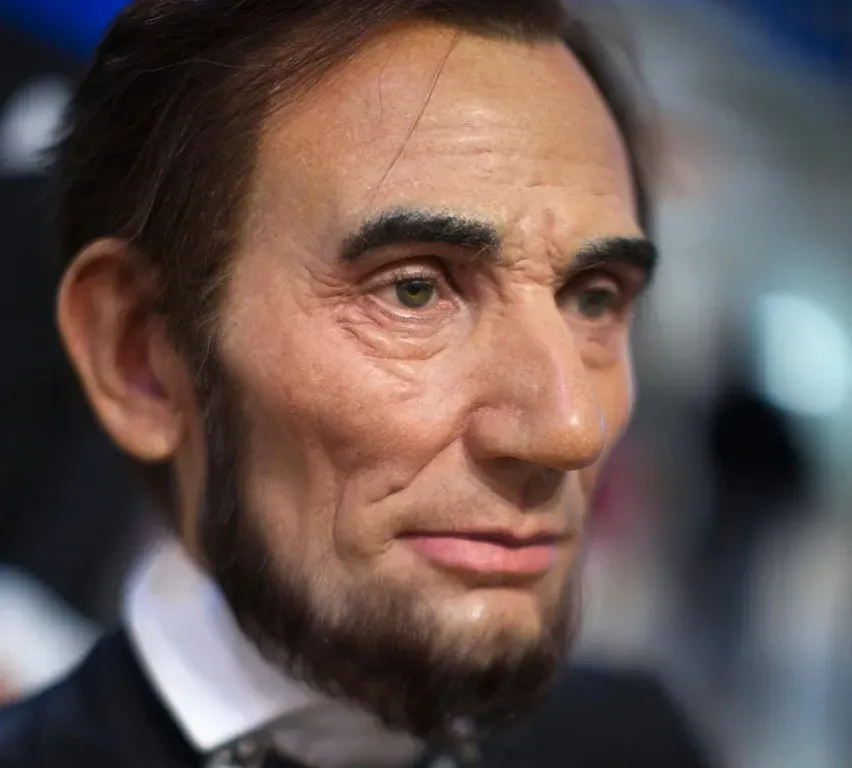
Abraham Lincoln’s 1863 Gettysburg Address contains fewer than 275 words. Lincoln’s address lasted just two or three minutes, and it reflected his redefined belief that the Civil War was not just a fight to save the Union, but a struggle for freedom and equality for all. Edward Everett, the chief speaker at the Gettysburg cemetery dedication, wrote to Lincoln the next day saying, “I should be glad, if I could flatter myself that I came as near to the central idea of the occasion, in two hours, as you did in two minutes.” In the age of short-form video, Lincoln’s economy of language would be considered genius-level content strategy.
Beyond its brevity, the poetry of the Gettysburg Address is key to its historical longevity. “There are plenty of short speeches, but it’s the beauty of the address and the phrases that stick in the mind that make it enduring.” “Lincoln linked past, present and future in a powerful story that could mobilize and unify Americans around a radical Unionist vision of America that sought to assure that democracy and human rights would survive and triumph.” A speech under three minutes, rooted in grief and national identity, delivered by a visibly unwell president who may have had smallpox at the time, would generate an extraordinary amount of emotional online engagement today.
Partner offer
John F. Kennedy – Inaugural Address (1961)
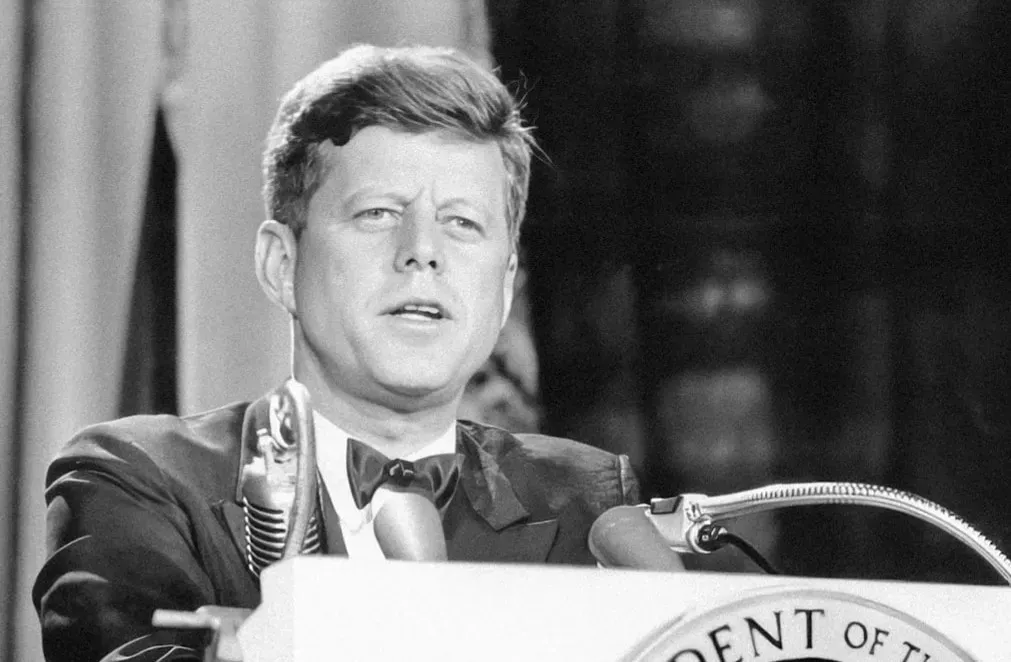
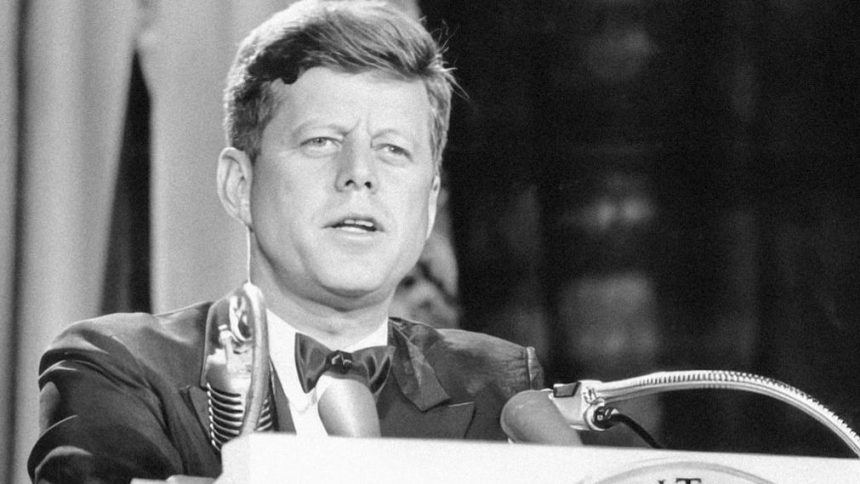
This under-14-minute speech not only introduced JFK’s presidency, but also laid out Cold War-era goals of unity and service. The line “Ask not what your country can do for you…” became one of the most quoted political phrases in history. He issued a direct appeal to American citizens to stand up for their nation at the height of the Cold War and a time of great social change. Kennedy was telegenic, young, and sharp, and his speech had the compact, quotable structure that social media rewards relentlessly.
In January 1961, then-U.S. president John F. Kennedy tasked his speechwriter Ted Sorensen with studying the Gettysburg Address in an effort to assist in authoring Kennedy’s inaugural address. Sorensen drew many lessons from it, including rhetoric devices like alliterations, rhymes, repetitions, contrast, and balance. Those techniques weren’t accidental. Kennedy’s team was crafting a speech to cut through noise and linger in memory. Today, that same level of deliberate phrasing would be analyzed by millions of content creators, dissected on YouTube, and quoted in Instagram captions from Nairobi to New York.
Ronald Reagan – “Tear Down This Wall” (1987)
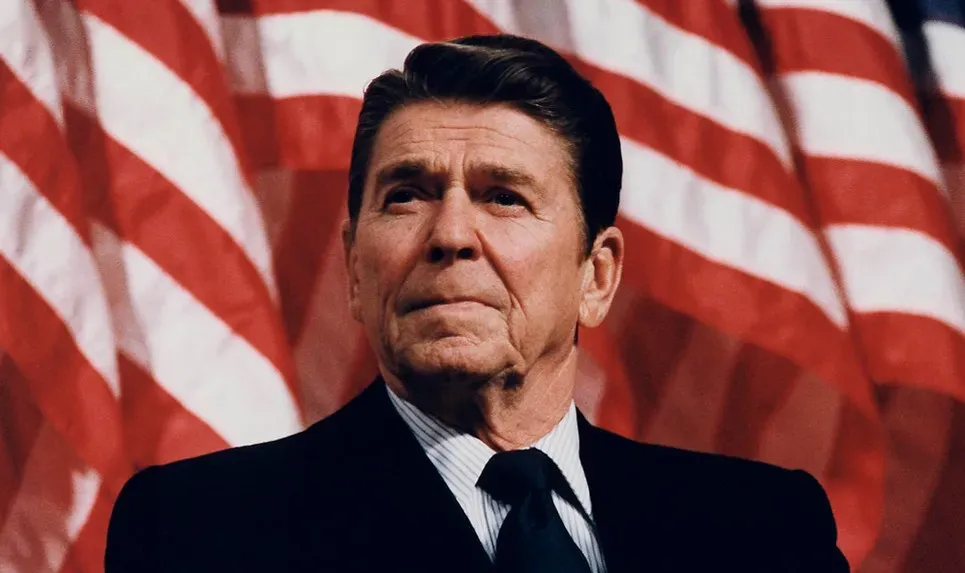
On June 12, 1987, at the Brandenburg Gate, then-United States president Ronald Reagan delivered a speech commonly known by a key line from the middle part: “Mr. Gorbachev, tear down this wall!” Reagan called for Soviet leader Mikhail Gorbachev to open the Berlin Wall, which had encircled West Berlin since 1961. The speech drew controversy within the Reagan administration, with several senior staffers and aides advising against the phrase, saying anything that might cause further East-West tensions or potential embarrassment to Gorbachev should be omitted. Reagan kept it in. That kind of defiance of establishment advice is exactly the type of story that fuels viral headlines.
The speech received “relatively little coverage from the media,” Time magazine wrote 20 years later. John Kornblum, senior U.S. diplomat in Berlin at the time of Reagan’s speech, said, “[The speech] wasn’t really elevated to its current status until 1989, after the wall came down.” That is the irony that would be entirely flipped in the social media era. Today, a world leader publicly challenging a nuclear superpower from behind bulletproof glass at one of history’s most contested landmarks would be a global trending event within minutes, not years.
Franklin D. Roosevelt – First Inaugural Address (1933)
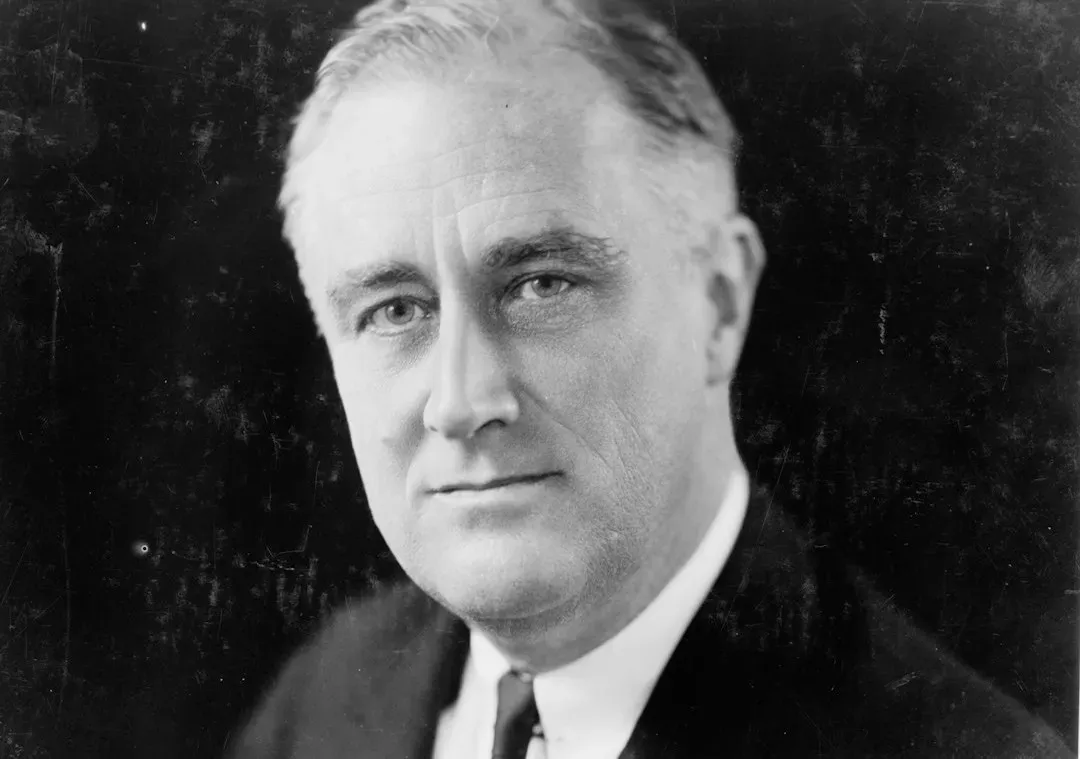
Franklin D. Roosevelt delivered his first inaugural address on March 4, 1933, at the U.S. Capitol in Washington, D.C., in the midst of the Great Depression. Roosevelt called on the American people to work together to overcome the crisis, and outlined his plans for the New Deal, a series of programs and reforms designed to help the country recover. Given during his 1933 inaugural address, it addressed the anxiety of Americans during the Great Depression and helped restore public confidence, marking the beginning of the New Deal era. At a time when millions were unemployed and the financial system had collapsed, Roosevelt’s voice was the only thing standing between despair and action.
Roosevelt promised to “wage a war against the emergency, as great as the power that would be given to me if we were in fact invaded by a foreign foe.” The speech was a powerful and inspiring call to action, and it helped to rally the American people behind Roosevelt’s leadership, carrying the famous line: “The only thing we have to fear is fear itself.” That single sentence would generate millions of shares today. It fits perfectly into the motivational content genre that dominates social media feeds globally, and it would carry the added weight of being spoken during a real economic catastrophe, not a manufactured one.
Partner offer
Planning a trip to Vegas?
Compare hotel rates and show tickets on VEGAS.com.