War is full of surprises. Sometimes the underdog triumphs against impossible odds, and other times, overwhelming force crumbles into humiliating defeat. Throughout history, certain battles seemed destined for one side’s victory, yet mismanagement, poor planning, or sheer incompetence turned apparent triumph into catastrophic loss. These were the moments when superior armies, better equipped and positioned for success, somehow managed to snatch defeat from the jaws of victory.
The following battles represent some of the most shocking reversals in military history. Each should have been won based on numbers, positioning, or resources, yet each became a cautionary tale about the fragility of military success when leadership falters.
The Battle of Teutoburg Forest (9 AD)

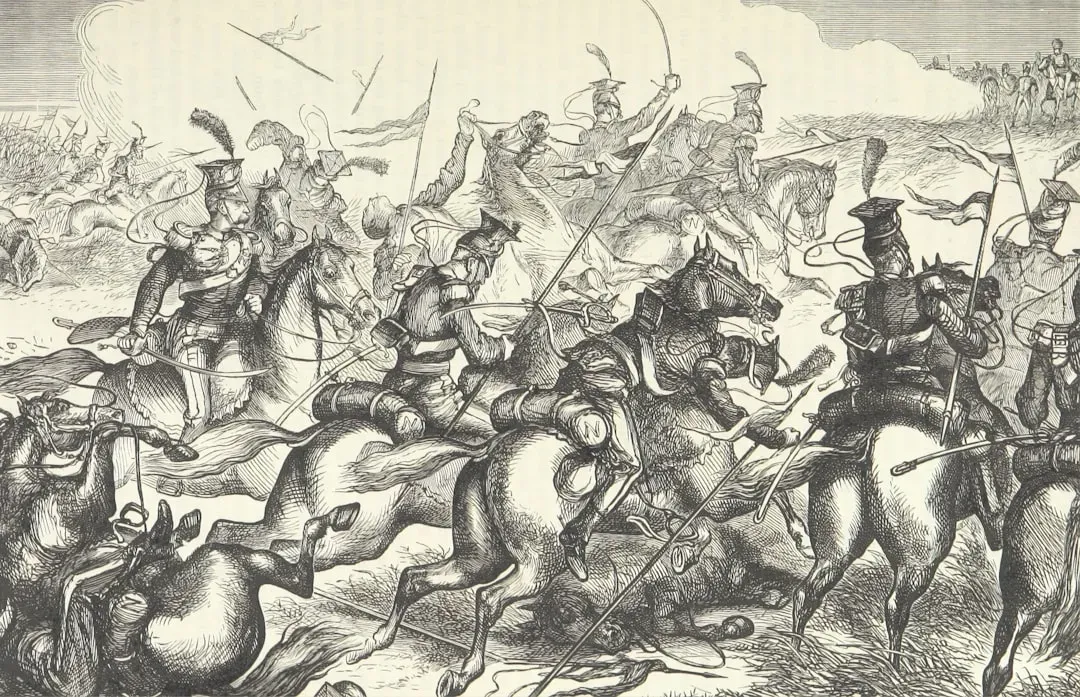
In September of 9 AD, Germanic leader Arminius orchestrated a devastating ambush against three Roman legions commanded by Publius Quinctilius Varus, resulting in nearly 20,000 Roman casualties. Rome controlled most of the known world at this point, and its military machine seemed unstoppable. Varus commanded somewhere between 20,000 and 30,000 troops, including three full legions supported by auxiliary units. The Romans had every advantage: professional training, superior equipment, and centuries of military experience.
Yet when Varus marched his forces through the dense Teutoburg Forest with approximately 20,000 soldiers, they found themselves trapped in challenging terrain with narrow paths and difficult conditions. Varus, described by historians as more of an administrator than a soldier, tactlessly treated the Germanic tribes as inferior and failed to appreciate their warlike nature. Arminius, a trusted Roman ally who had served as an officer in Roman auxiliaries, deceived Varus into believing a rebellion had broken out in a remote area, leading the legions deep into the forest where the ambush awaited. The destruction was total, and according to historian Suetonius, a grief-stricken Emperor Augustus allegedly cried out for months afterward, asking Varus to give back his legions.
The Spanish Armada (1588)

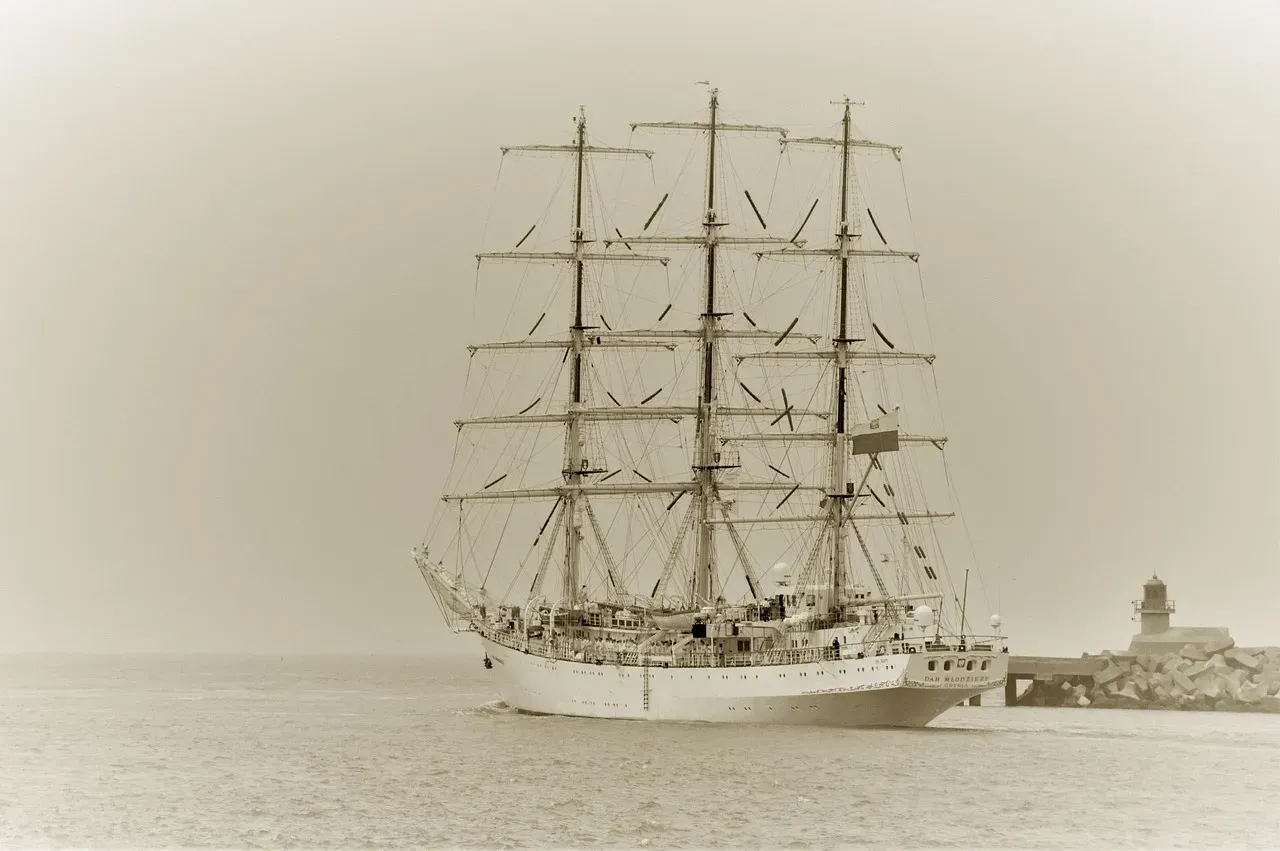
Spain assembled a massive fleet of 141 ships carrying 10,138 sailors and 19,315 soldiers when it departed from Lisbon. The Spanish fleet consisted of about 130 ships with roughly 8,000 seamen and possibly 19,000 soldiers, with about 40 line-of-battle ships. King Philip II intended to crush Protestant England and restore Catholic rule. The Spanish Empire was at its height of power, controlling vast territories across Europe and the Americas. How could such a force fail?
Poor communication between the Duke of Parma commanding land forces and Medina-Sidonia commanding the fleet severely hampered Spanish coordination, with messages taking up to a week to deliver. Provisions were insufficient, with food already spoiling before the fleet even left port, communication with Parma’s troops proved nearly impossible, and the Armada’s tactics were outdated. The Duke of Medina-Sidonia himself had begged to be relieved of command, citing seasickness and lack of naval experience, but Philip refused. More ships and sailors were lost to storms and cold weather than in direct combat, with most of the 28 ships lost wrecked along Ireland’s western coast, and about 5,000 men dying by drowning, starvation, and attacks by local inhabitants.
Napoleon’s Russian Campaign (1812)

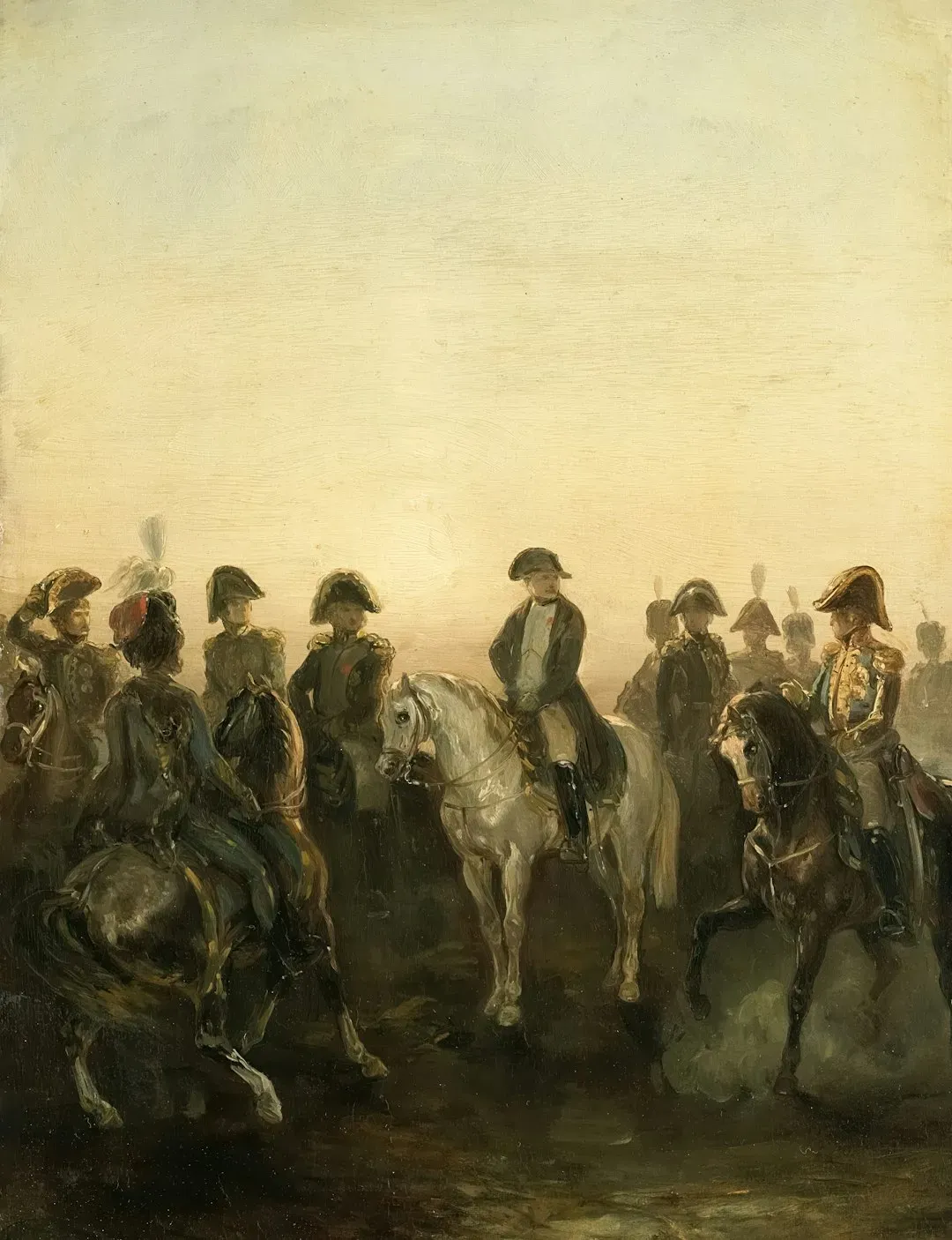
Napoleon’s invasion force numbered approximately 453,000 when crossing the Neman River into Russia on June 24, 1812, with about 612,000 entering Russia during the campaign, though little more than 200,000 were French. This was the largest army Europe had ever seen. Napoleon controlled most of the continent and seemed invincible. Surely Russia would capitulate.
Let’s be real though, it wasn’t the Russian winter that destroyed Napoleon’s army, despite popular myth. Minard’s famous map shows French losses were highest in summer and autumn due to inadequate logistics resulting in insufficient supplies, with many troops killed by disease, meaning the campaign’s outcome was decided long before cold weather became a factor, and when winter finally arrived on November 6, the army was still equipped with summer clothing. Just one month into the campaign, Napoleon had lost 80,000 soldiers to typhus and dysentery. Of the 615,000 troops who crossed the Niemen in June, fewer than 100,000 staggered back half a year later, with around 100,000 having deserted, 120,000 taken prisoner, and the corpses of the remaining 380,000 buried beneath Russian snow. The Grande Armée had outrun its supply lines and paid the ultimate price.
Charge of the Light Brigade (1854)

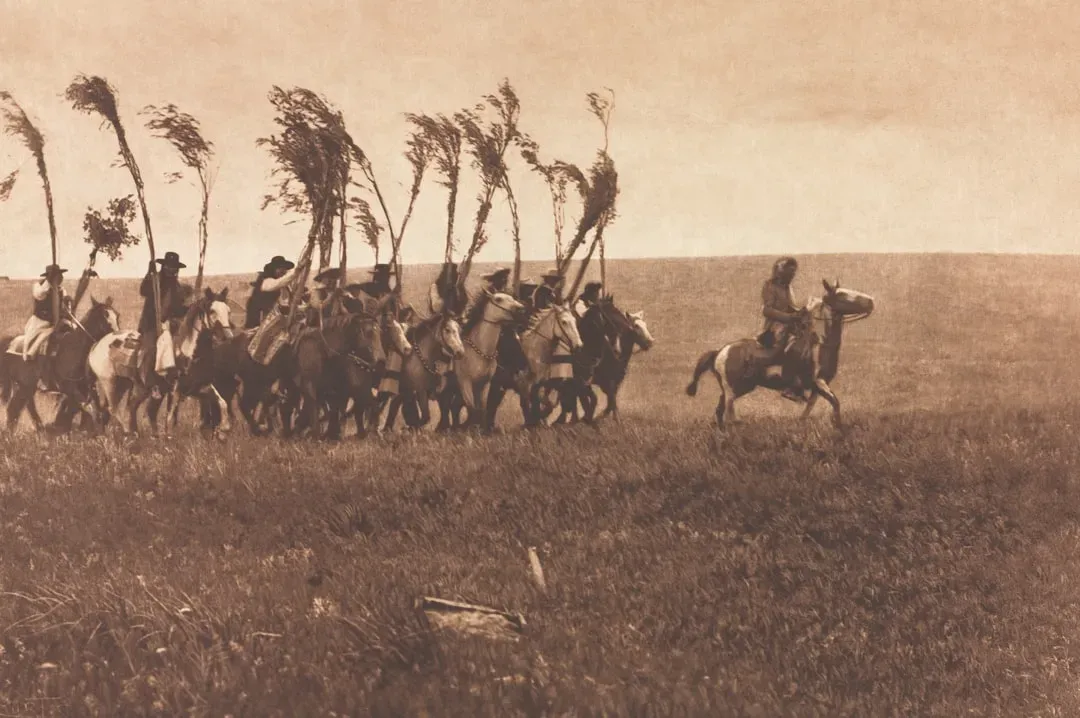
The Charge of the Light Brigade at Balaklava on October 25, 1854 has become a symbol of both British soldier bravery and army commander incompetence during the Crimean War, with over 260 men out of 673 who attacked Russian guns being killed or wounded. This wasn’t supposed to be a suicide mission. The charge resulted from a misunderstood order from Lord Raglan, who had intended the Light Brigade to attack a different objective for which light cavalry was better suited, to prevent Russians from removing captured guns.
Disastrously, Airey’s orders were misunderstood, with some blame resting on Captain Nolan who delivered the message to the Light Brigade, and the horsemen charged in the wrong direction straight toward the entire Russian army rather than toward the guns the enemy had captured earlier. The suicidal attack placed the British light horse brigade against a Russian infantry and cavalry defense backed by heavy artillery batteries commanding three sides of a narrow 1.25-mile valley, with some 110 British cavalrymen killed and 160 wounded, representing 40 percent of the brigade. French Marshal Bosquet reportedly remarked that it was magnificent, but it wasn’t war – it was madness. Russian commanders initially thought the British soldiers must have been drunk to attempt such a charge.
Battle of Gallipoli (1915)

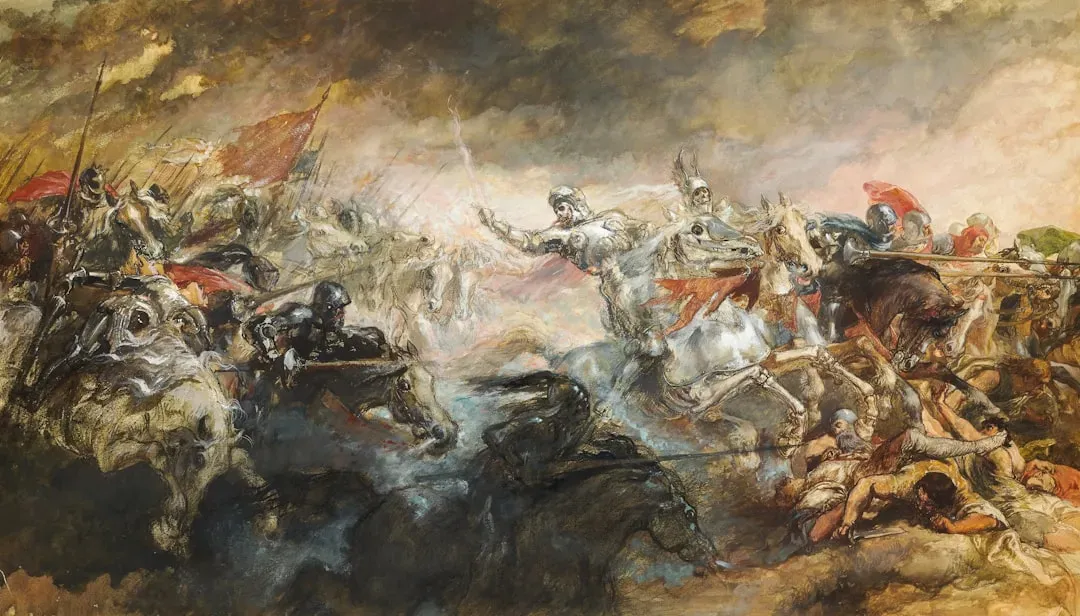
The Allies suffered over 220,000 casualties out of a force of nearly 500,000, and from their point of view, the campaign was a disaster. Britain, France, Australia, and New Zealand launched a massive amphibious assault on the Ottoman-held Gallipoli Peninsula, intending to knock Turkey out of World War I and open a supply route to Russia. The Allies possessed superior naval power, greater resources, and seemingly every advantage.
However, the earlier naval operation had alerted the Ottomans to the danger of an attack in the region, meaning any Allied landing had lost the crucial element of surprise, and General Sir Ian Hamilton led a hastily planned invasion that underestimated Ottoman defenses, lacked specialized landing craft, and commanded a disparate body of troops few of whom were trained for this type of warfare. Allied forces possessed inaccurate maps and intelligence and proved unable to exploit terrain to their advantage, while Ottoman commanders used high ground around Allied landing beaches for positions that limited Entente ability to penetrate inland, confining them to narrow beaches. The Gallipoli campaign produced an estimated half-million casualties: 205,000 Commonwealth, 47,000 French, and 251,000 to 289,000 Ottoman. The campaign became a defining moment for Turkey and shaped national identities in Australia and New Zealand, though for entirely different reasons.
Battle of Stalingrad (1942-1943)

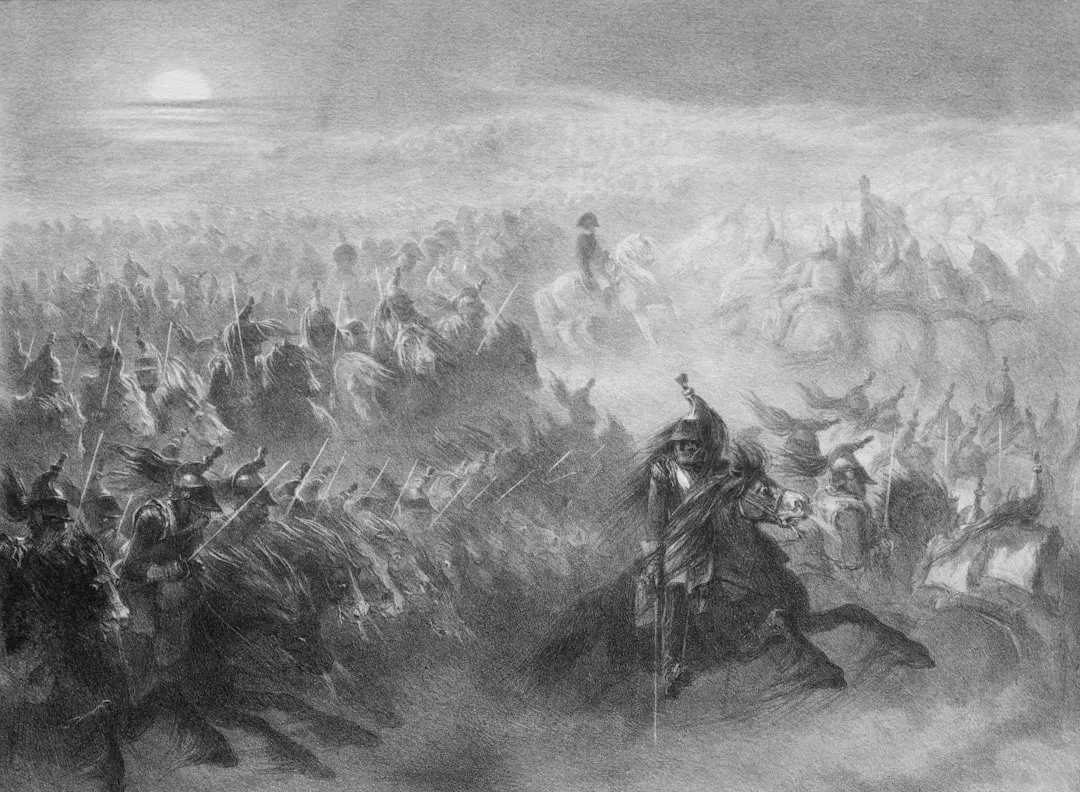
Germany’s Sixth Army was one of the Wehrmacht’s most experienced and capable formations. When they pushed into Stalingrad in 1942, capturing the city seemed inevitable. The German military had crushed opposition across Europe, and Soviet forces had suffered catastrophic defeats since Operation Barbarossa began in 1941. Stalingrad was just another city standing between Hitler and total victory in the East.
Honestly, though, the Germans had overextended their supply lines in pursuit of a symbolic victory. The battle for the city became a brutal house-to-house meat grinder that consumed German strength. Soviet forces eventually encircled the entire Sixth Army in November 1942. Hitler refused to allow a breakout attempt, insisting his troops hold their position. By February 1943, over 90,000 German soldiers surrendered – all that remained of an army that had numbered over 250,000. The vast majority would never return from Soviet captivity. Stalingrad marked the beginning of Germany’s long retreat to Berlin.
Bay of Pigs Invasion (1961)

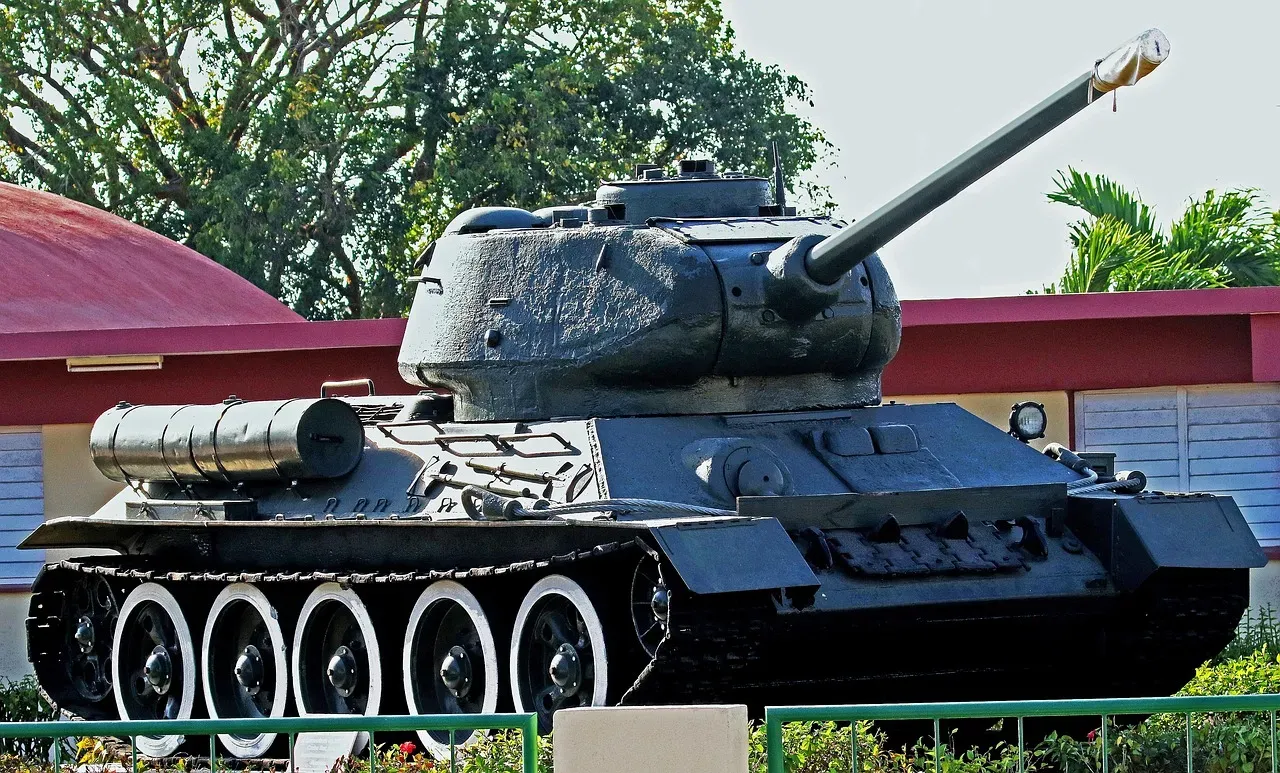
The United States backed a force of Cuban exiles intent on overthrowing Fidel Castro’s communist government in April 1961. America possessed overwhelming military superiority, advanced intelligence capabilities, and seemingly unstoppable momentum during the Cold War. The plan called for 1,400 CIA-trained Cuban exiles to land at the Bay of Pigs, spark a popular uprising, and topple Castro.
Everything went wrong from the start. The invasion force lacked adequate air support after President Kennedy canceled additional bombing runs. Intelligence had dramatically underestimated popular support for Castro’s regime – no uprising materialized. The landing site was poorly chosen, offering no easy retreat or resupply. Castro’s forces responded quickly and effectively, pinning the invaders on the beach. Within three days, the invasion had collapsed completely. Over 100 exiles were killed and more than 1,100 captured. The fiasco deeply embarrassed the Kennedy administration and pushed Castro closer to the Soviet Union, ultimately contributing to the Cuban Missile Crisis.
Operation Barbarossa Initial Advances (1941)

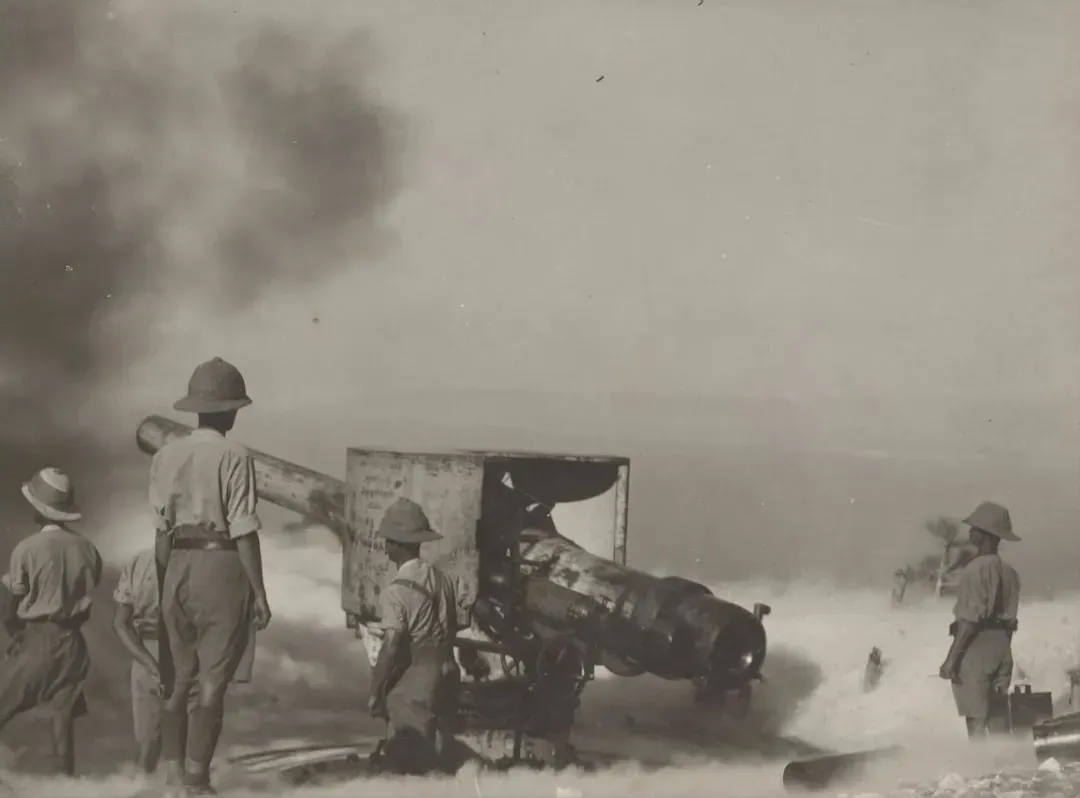
Germany launched the largest invasion in military history when it attacked the Soviet Union on June 22, 1941. More than three million German soldiers, supported by tanks, aircraft, and artillery, smashed through Soviet border defenses. Stalin had ignored repeated warnings about the impending attack, leaving Soviet forces unprepared and poorly positioned. Within weeks, German armies had encircled and destroyed multiple Soviet armies, capturing hundreds of thousands of prisoners.
Yet Germany failed to achieve decisive victory before winter arrived. Soviet resistance stiffened as the Red Army traded space for time. German supply lines stretched dangerously thin across the vast Russian landscape. The Wehrmacht discovered that Soviet industry could replace losses faster than German factories. Initial advantages – surprise, superior tactics, better training – gradually eroded. The battle that was supposed to end in weeks dragged into years. Germany had the strength to wound the Soviet Union grievously but lacked the resources to deliver a killing blow.
French Defense of France (1940)

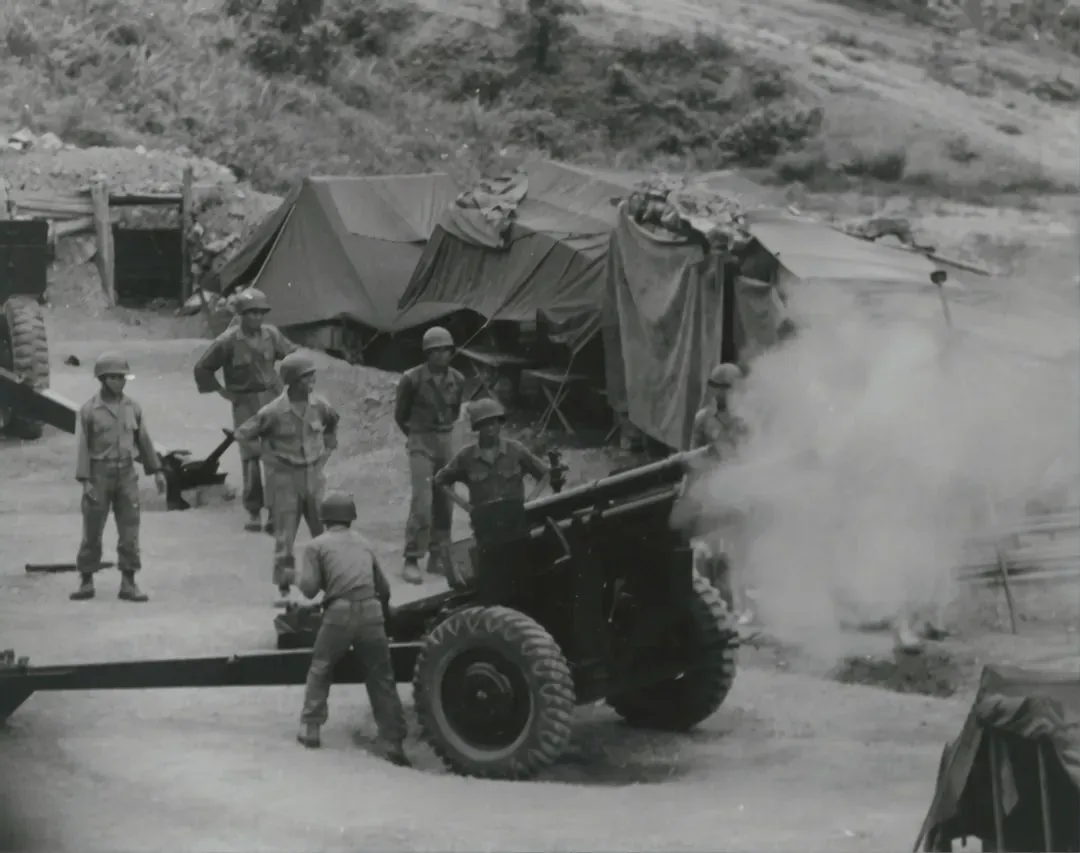
France possessed one of the world’s largest and best-equipped armies in 1940. The Maginot Line fortifications along the German border represented the pinnacle of defensive engineering. France had survived World War I and stood ready to repel any German invasion. Allied forces actually outnumbered German troops and possessed comparable or superior equipment. The Battle of France should have been a stalemate at worst.
Germany’s audacious plan to drive armored columns through the supposedly impassable Ardennes Forest caught French commanders completely off-guard. French military doctrine, still influenced by World War I thinking, proved fatally inflexible. German forces broke through weak points, encircled Allied armies, and drove toward the Channel coast. Within six weeks, France – a major world power – had surrendered. The speed and totality of the collapse shocked the world. Superior numbers and defensive positions meant nothing when facing an enemy that rewrote the rules of modern warfare.
American Revolutionary War British Strategy (1775-1783)

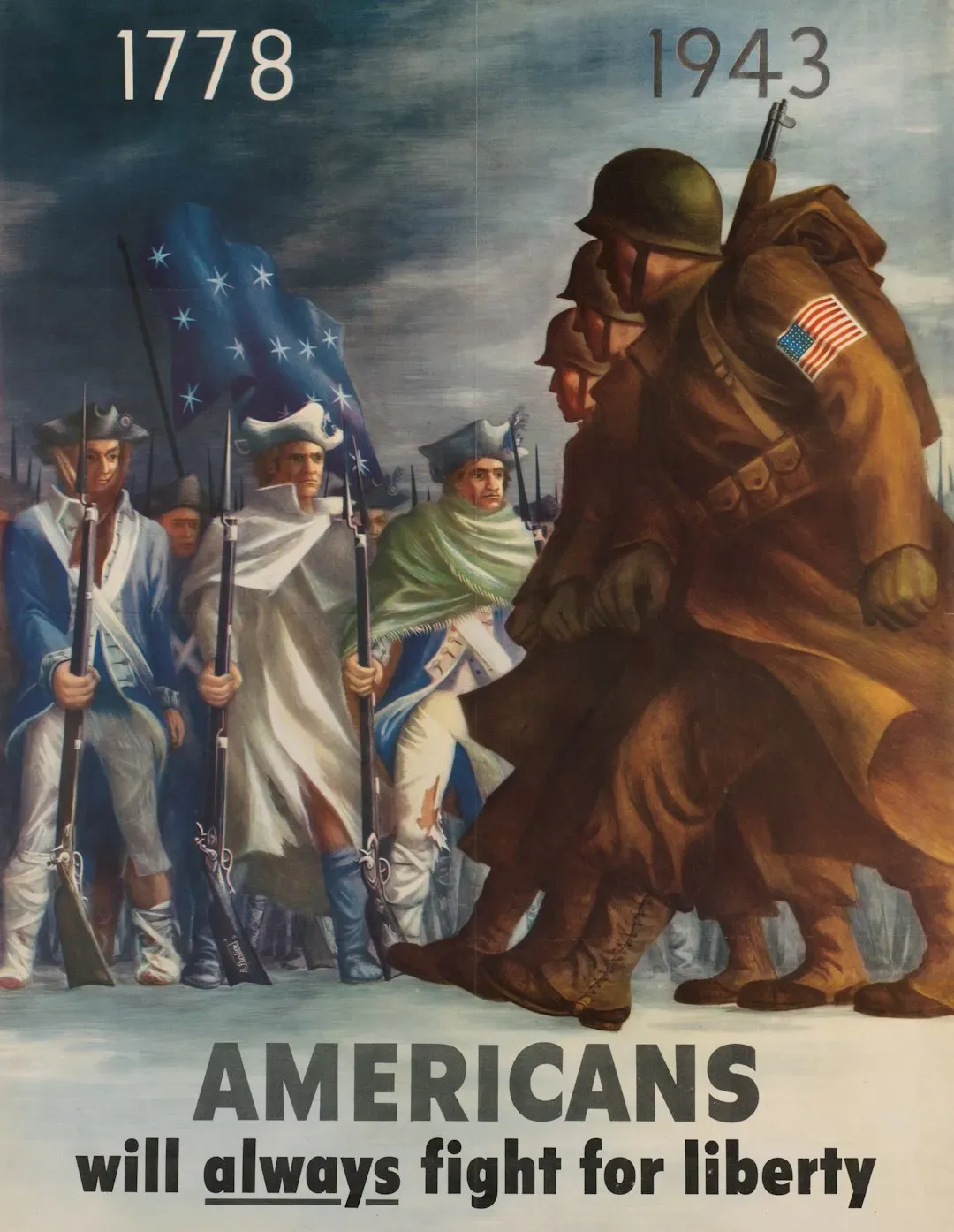
Britain was the world’s dominant superpower, possessing the most powerful navy, professional armies, and vast resources. The rebellious American colonies had no navy, no regular army, and limited manufacturing capacity. British victory seemed mathematically certain. How could farmers and merchants defeat the British Empire?
Britain’s fundamental problem was distance. Supplying armies across the Atlantic proved enormously expensive and logistically challenging. British commanders consistently underestimated American resolve and overestimated Loyalist support. French intervention turned a colonial rebellion into a global war that stretched British resources dangerously thin. The decisive defeat at Yorktown in 1781 resulted partly from French naval superiority preventing British evacuation or reinforcement. Britain had the strength to win battles but lacked the political will to crush a determined insurgency an ocean away. Sometimes the strongest army can’t compensate for strategic impossibility.
What strikes you most about these disasters? Each represents a moment when everything that could go wrong did go wrong, when leaders failed their soldiers, and when victory slipped away despite overwhelming advantages. These battles remind us that military success requires more than just numbers and equipment. Do these blunders surprise you, or do they seem inevitable in hindsight?