History loves to play favorites with the winners. We celebrate the victors, memorialize the conquests, and build monuments to the moments that shaped our world. But what about the paths not taken? The split-second decisions that could have rewritten everything we know?
Sometimes a single misstep, a letter that arrives too late, or a stroke of luck changes the course of human civilization. These near-misses haunt historians because they remind us how fragile our reality actually is. One different choice, one altered second, and you might not even be reading this right now.
So buckle up. We’re about to explore those razor-thin moments when history balanced on a knife’s edge. The outcomes that almost happened. The alternate timelines that came dangerously close to becoming our reality.
The Mongols Almost Conquered Europe
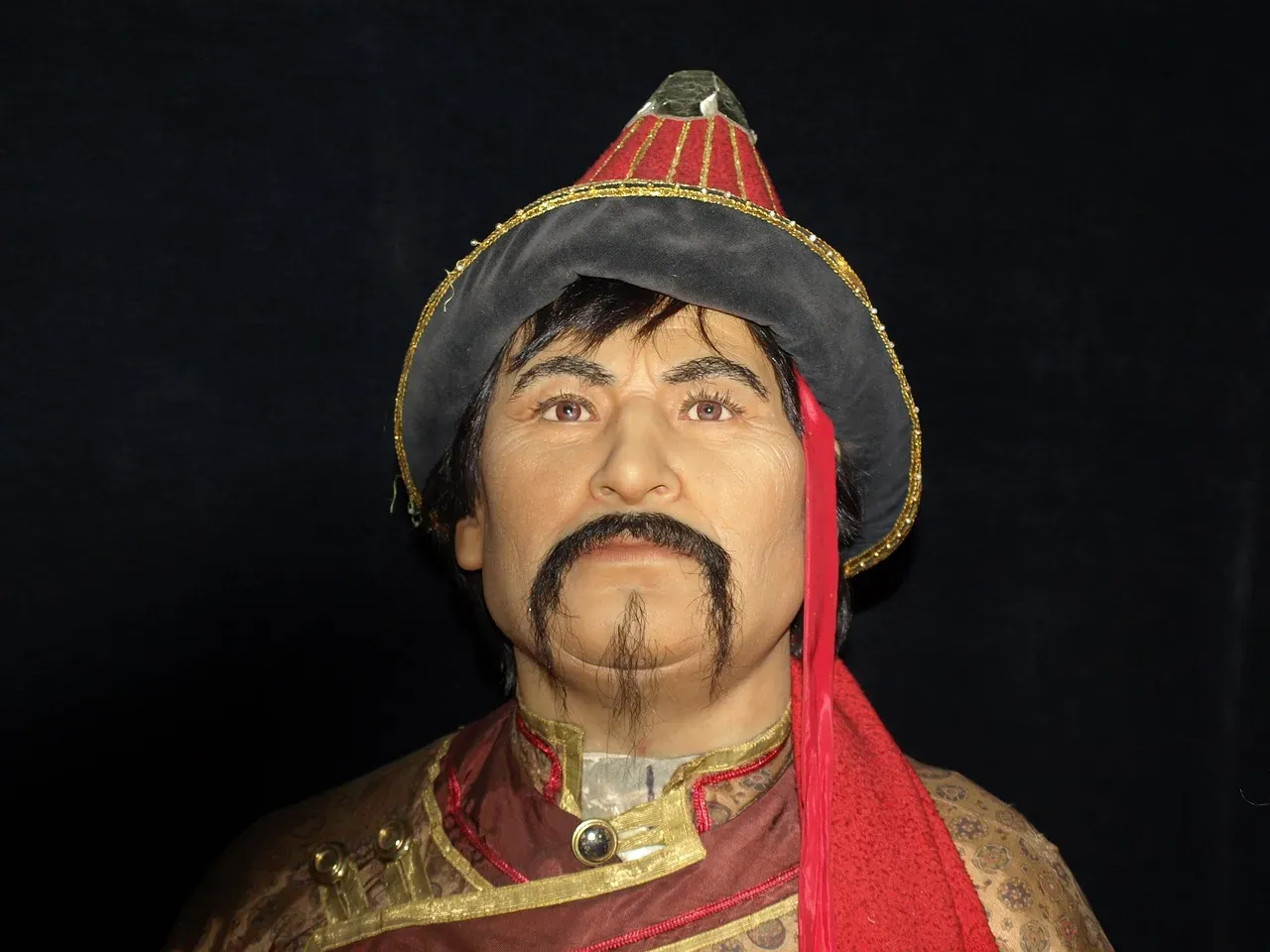
In 1241, the Mongol Empire stood at Europe’s doorstep, and honestly, Europe didn’t stand a chance. Genghis Khan’s grandson, Ögedei Khan, had sent his armies westward with terrifying efficiency. They’d already crushed Poland and Hungary, leaving European knights looking like amateurs with their outdated tactics.
The Mongols weren’t just winning. They were dominating in a way that made it clear they could have taken the entire continent. Their composite bows, superior cavalry tactics, and psychological warfare left European forces scrambling. Vienna, Paris, London, all of Western civilization sat vulnerable.
Then Ögedei Khan died back in Mongolia.
The Mongol commanders immediately withdrew their forces to participate in selecting the next Great Khan. Europe never saw them return in force. Had Ögedei lived another decade, we might be speaking a very different language today, with a vastly different cultural landscape.
A Rainstorm Saved England from Spanish Invasion
Picture 1588. King Philip II of Spain assembled the most powerful naval fleet the world had ever seen, the Spanish Armada, with one goal: invade England and remove Queen Elizabeth I from power. Spain was the superpower of the era, flush with New World gold and military confidence.
England’s navy was smaller, less experienced, and frankly outgunned. The odds heavily favored Spanish success. But then the weather decided to intervene.
A massive storm, what the English later called the “Protestant Wind,” scattered and destroyed much of the Spanish fleet. Ships crashed against rocky shores, thousands drowned, and Spain’s naval dominance shattered in a matter of days. England survived to eventually build its own empire.
Without that storm? The British Empire probably never happens. No American colonies as we know them. No spread of English as a global language. The entire trajectory of Western power shifts dramatically southward.
Hitler Nearly Died in World War I
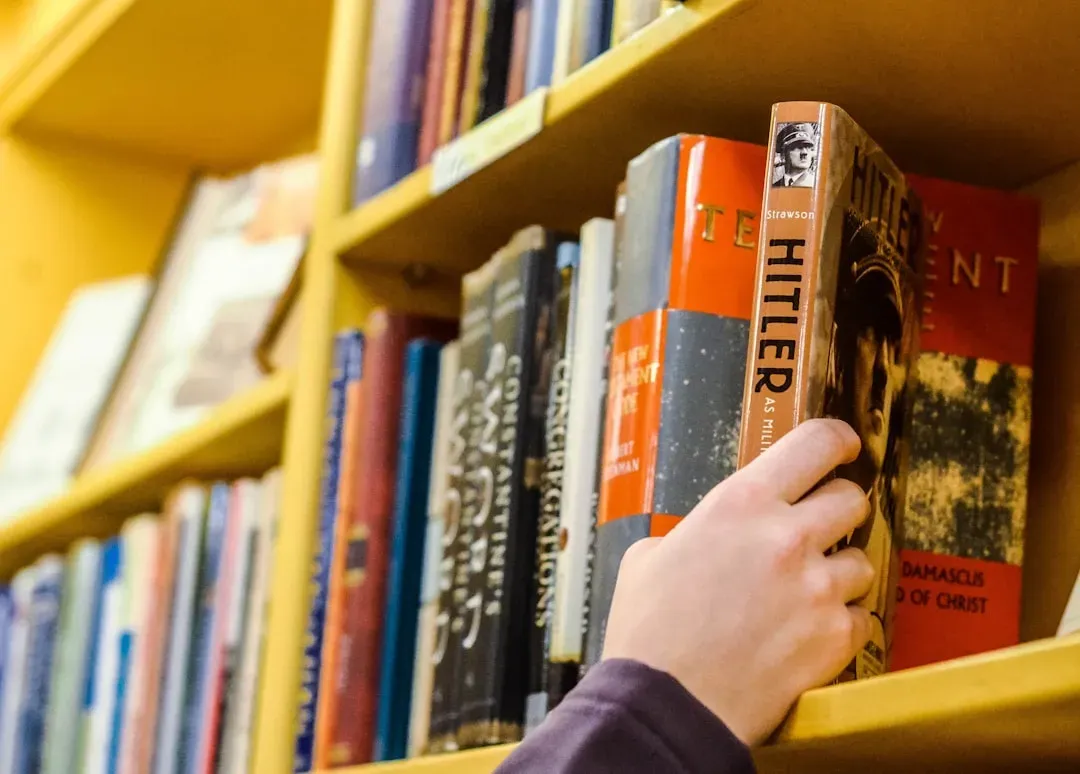
Here’s the thing about war. It’s random, chaotic, and sometimes spares the exact people it shouldn’t. In 1918, a young Adolf Hitler served as a message runner in the German army during World War I. A British soldier, Henry Tandey, encountered a wounded German soldier limping across his line of fire.
Tandey lowered his rifle. He let the wounded man go, later explaining that he couldn’t shoot an injured, unarmed enemy. That wounded soldier was allegedly Hitler, though historians still debate the encounter’s authenticity.
Regardless of that specific incident, Hitler survived the war despite being in countless dangerous situations. One stray bullet, one different decision, and World War II never happens. The Holocaust never occurs. Millions of lives remain unlost.
The 20th century transforms completely. The political map of Europe looks unrecognizable compared to our timeline.
Japan Almost Didn’t Attack Pearl Harbor
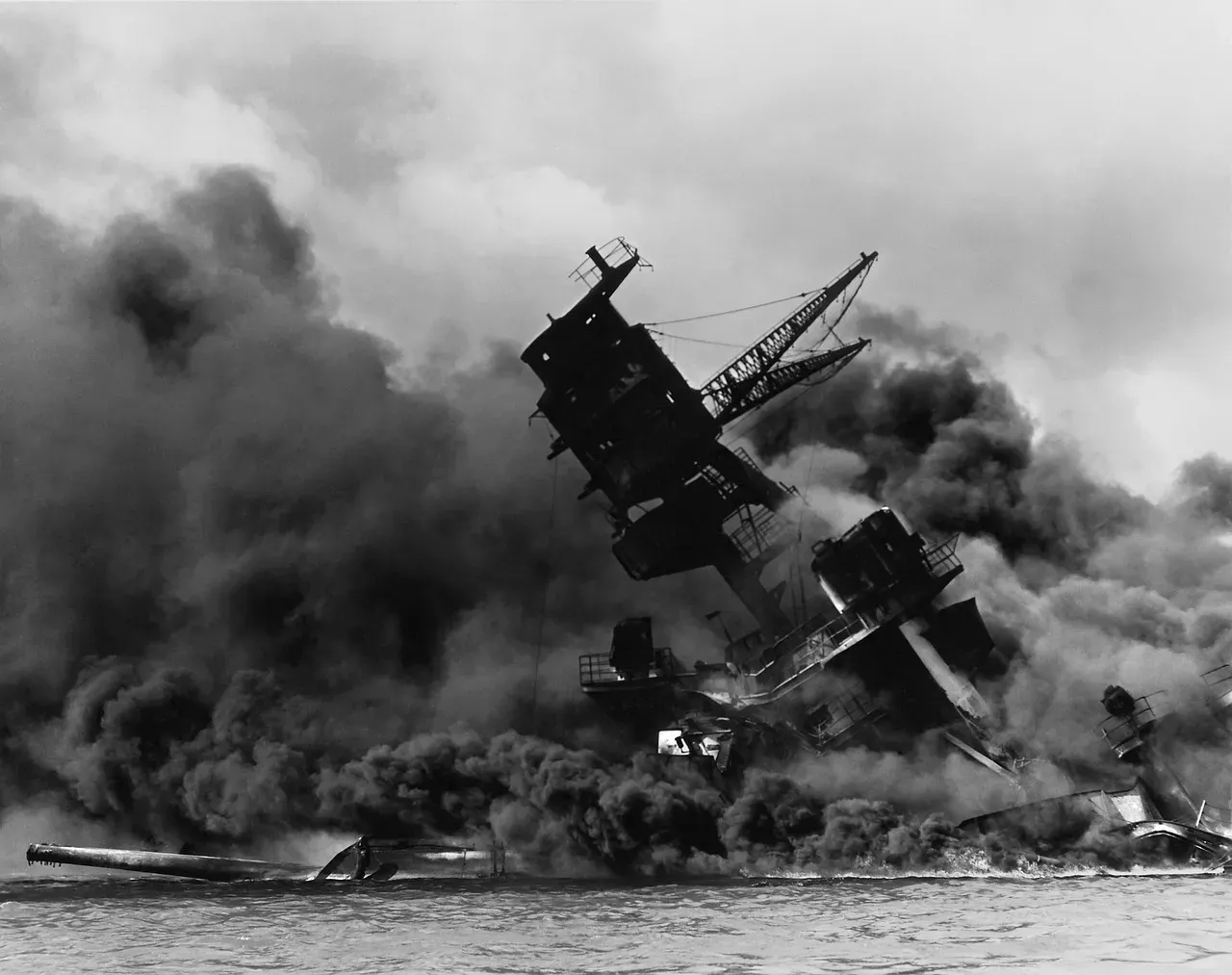
Japan’s military leadership was deeply divided in 1941. Many officers argued against attacking the United States, understanding that America’s industrial capacity would eventually overwhelm them in any prolonged conflict. The debate raged for months.
Admiral Isoroku Yamamoto himself warned that he could “run wild for six months,” but after that, he had no confidence in victory. The attack on Pearl Harbor wasn’t inevitable. It was a calculated gamble that powerful voices within Japan’s government opposed.
Had those opposing voices won the argument, the Pacific War might never have occurred in the form we know. America could have remained more focused on the European theater, if it entered the war at all. Japan might have concentrated solely on China and Southeast Asia.
The atomic bomb’s development timeline changes. The entire Cold War calculates differently. America’s rise as a Pacific superpower takes a completely different path, if it happens at all.
A Soviet Officer Prevented Nuclear War
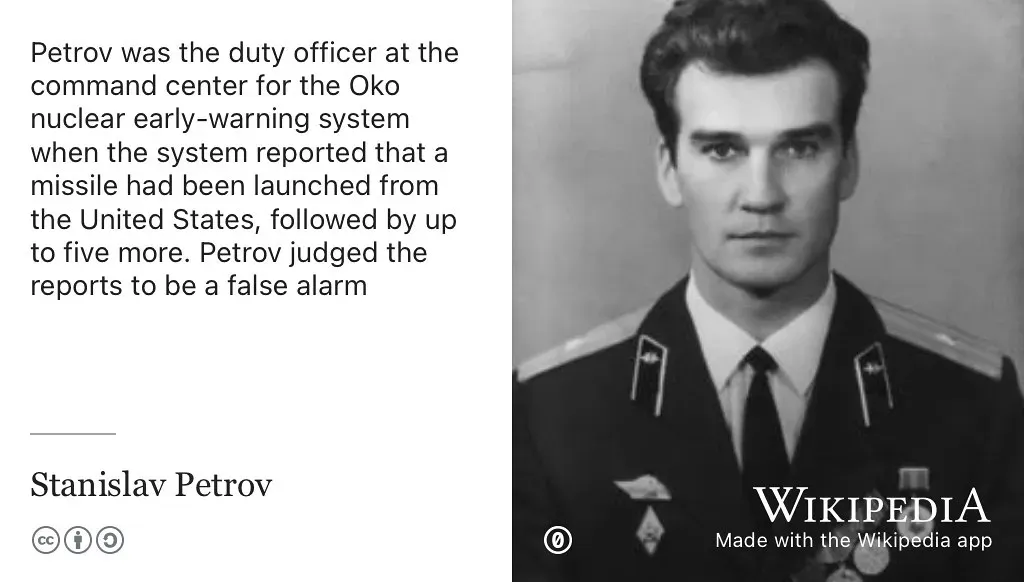
September 26, 1983. You probably don’t know this date, but you should. It’s the day the world almost ended, and a single Soviet officer named Stanislav Petrov saved us all.
Soviet early warning systems detected five incoming American nuclear missiles. Protocol demanded Petrov immediately report the attack to his superiors, who would then launch a full retaliatory strike. Minutes mattered. The Cold War’s nightmare scenario was unfolding in real time.
Petrov made a gut decision. He reported the warnings as a system malfunction rather than an actual attack. He was right, it was a false alarm caused by sunlight reflecting off clouds. But he had no way to know that with certainty in the moment.
Had he followed standard procedure, the Soviet Union launches its nukes. America retaliates. Nuclear winter engulfs the planet. Human civilization potentially collapses. All because of a computer glitch and one man’s intuition.
The Assassination That Started World War I Almost Failed
Archduke Franz Ferdinand’s assassination in Sarajevo on June 28, 1914, triggered World War I, reshaping the modern world. But the conspiracy to kill him was a comedy of errors that nearly failed completely. The first assassin chickened out. The second threw a bomb that bounced off the Archduke’s car and exploded under the wrong vehicle.
Ferdinand’s driver then took a wrong turn. Pure accident. The car stalled while backing up, stopping directly in front of Gavrilo Princip, one of the failed conspirators who’d given up and grabbed a sandwich. Princip seized the unexpected opportunity and fired two shots.
Remove that wrong turn, that stalled car, that random sandwich break, and World War I might not happen, at least not when or how it did. No World War I means no harsh Treaty of Versailles, possibly no conditions for Hitler’s rise, no World War II in the form we experienced.
The entire 20th century rewrites itself from a single navigational error.
The Cuban Missile Crisis Came Within Seconds
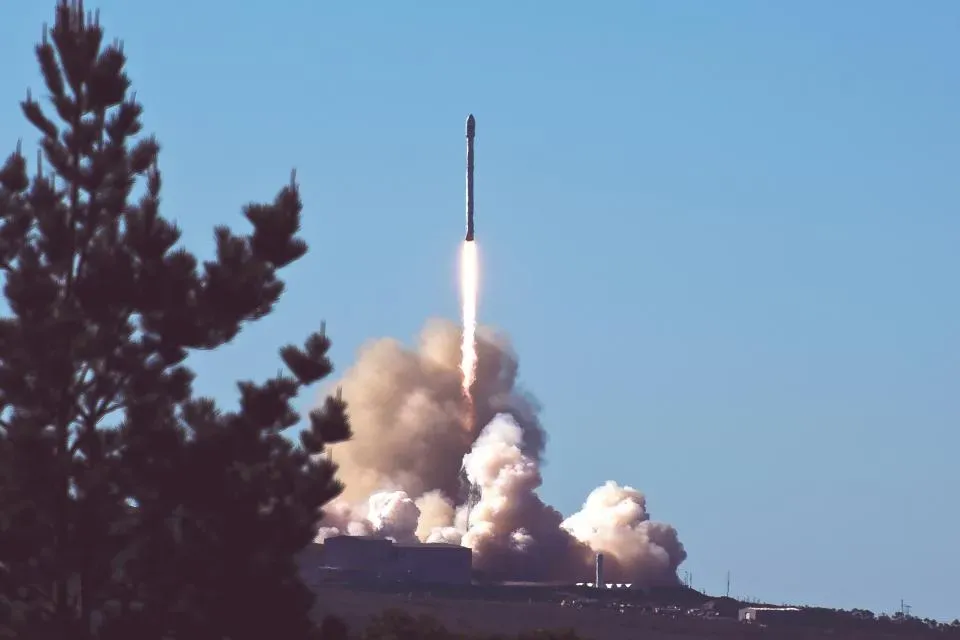
October 27, 1962. The Cuban Missile Crisis reached its absolute breaking point in a moment most people never learned about in school. A Soviet submarine, the B-59, was being depth-charged by American destroyers near Cuba. The submarine’s crew couldn’t communicate with Moscow, had no idea if war had already started, and was authorized to launch its nuclear torpedo.
Soviet protocol required agreement from three officers to launch. Two of them voted yes, ready to fire. The third officer, Vasily Arkhipov, refused. He argued for surfacing instead.
Arkhipov was outvoted in rank but his position ultimately prevailed. The submarine surfaced. Had Arkhipov agreed with his fellow officers, that nuclear torpedo likely triggers all-out nuclear war between the superpowers.
We came that close. Three men in a submarine, cut off from the world, with the fate of humanity in their hands. And we survived because one man said no.
Conclusion
These moments remind us that history isn’t a predetermined script marching toward some inevitable destination. It’s a chaos of choices, accidents, and razor-thin margins that somehow coalesced into the reality we inhabit. A misdelivered message, a sudden storm, one person’s conscience, these seemingly minor details contained within them the power to reshape everything.
We live in the timeline where these particular dominoes fell in this particular order. But countless other possibilities existed, worlds where you and I might never have been born, where entire nations never formed, where the map looks nothing like what we recognize today.
Makes you wonder what near-misses are happening right now that future generations will look back on with the same sense of “what if?” What do you think is the most mind-blowing alternate history that could have happened? Drop your thoughts in the comments.