Cleopatra and Mark Antony: When Love Nearly Toppled Rome
Mark Antony and Cleopatra were partners for 11 years and had three children together. Apart from their undoubted mutual affection, their alliance was politically useful. Think about it: here was the Queen of Egypt, the wealthiest kingdom in the Mediterranean, and a Roman general who controlled the eastern territories of the most powerful republic on Earth. Forty percent of the Roman Senate, together with both consuls, left Rome to join the war on Antony’s side. Honestly, it’s hard to overstate how much this relationship shook the foundations of the ancient world.
After a decisive victory for Octavian at the Battle of Actium, Cleopatra and Antony withdrew to Alexandria, where Octavian besieged the city until both Antony and Cleopatra were forced to commit suicide. Octavian, now Augustus, became the first Roman emperor and transformed the republic into the Roman Empire. Their defeat didn’t just end their lives. It ended an entire political system and ushered in centuries of imperial rule.
Napoleon and Josephine: Ambition Wrapped in Passion
Endowed with legendary charm, Josephine was not only Napoleon’s consort and great love, but a significant contributor to his rise to power and imperial designs. She was six years older than him, a widow with two children, and initially not even that interested in the young Corsican officer. Whilst Josephine introduced the young general to high society, Napoleon for his part brought Josephine prestige via his growing reputation and financial security in his family.
Renowned for her impeccable taste, Josephine commissioned art works that immortalized Napoleon’s victories and helped legitimize Napoleon’s rule. She was the most prominent tastemaker of her age, and her esthetic choices had a far reaching impact on the arts and styles of the Empire. Her preferences in interior design, furnishings, porcelain, fashion, and jewelry made an important and lasting contribution to Napoleon’s policies to promote the renaissance and supremacy of French luxury industries. Her role went far beyond simply standing beside him at ceremonies. She performed the role of ambassador and hostess, organising receptions, entertaining visiting dignitaries, representing the Emperor at official functions and reviving something of the ceremony of the royal court. Despite difficult beginnings, the union lasted fourteen years and proved an affectionate and supportive partnership, until Josephine’s inability to produce an heir led to divorce in 1809.
Ferdinand and Isabella: The Marriage That Created Spain
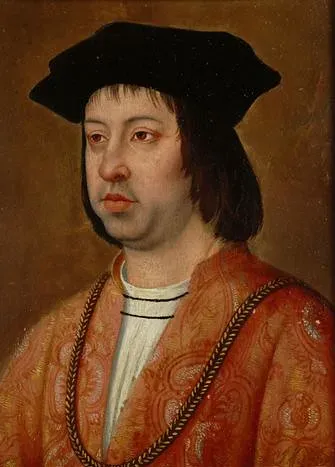
They married on October 19, 1469, in the city of Valladolid; Isabella was 18 years old and Ferdinand a year younger. Most scholars generally accept that the unification of Spain can essentially be traced back to the marriage of Ferdinand and Isabella. Let’s be real, this wasn’t a love match at first. This was calculated politics at its finest.
Their reign is marked by significant events, including the completion of the Reconquista with the capture of Granada in 1492 and the sponsorship of Christopher Columbus’s voyage, which opened the Americas to Spanish exploration and colonization. The year 1492 alone reshaped world history. In March 1492, the monarchs issued the Edict of Expulsion of the Jews, also called the Alhambra Decree, a document which ordered all Jews either to be baptised and convert to Christianity or to leave the country. Spain then entered a Golden Age of exploration and colonization – the period of the Spanish Empire.
From the start, they had a close relationship and worked well together. Isabella’s role in providing funds, men, and supplies confirmed the essential importance of their partnership. Their joint rule proved that two monarchs could share power effectively, something almost unheard of in medieval Europe.
Queen Victoria and Prince Albert: The Empire’s Unlikely Architects
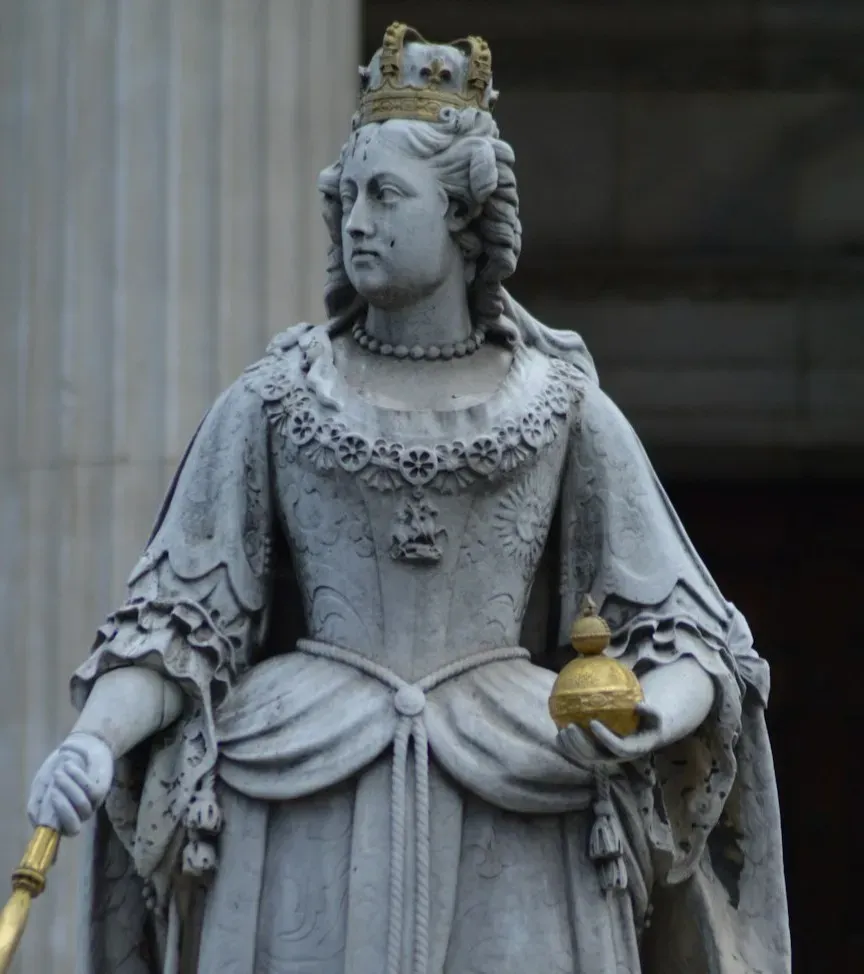
At the age of 20, he married Victoria, his first cousin, with whom he had nine children. Albert was initially unpopular with the British public, seen as a foreigner from an insignificant German duchy. Yet this marriage would fundamentally reshape not just the British monarchy, but the entire empire.
He gradually developed a reputation for supporting public causes, such as educational reform and the abolition of slavery worldwide, and he was entrusted with running the Queen’s household, office and estates. He was heavily involved with the organisation of the Great Exhibition of 1851, which was a resounding success. Prince Albert’s patronage of the arts in Britain led to the creation of the Great Exhibition of 1851 – the first international display of design and manufacturing.
Their nine children married into royal and noble families across the continent, earning Victoria the sobriquet “grandmother of Europe”. In 1914 Victoria and Albert’s grandchildren occupied the thrones of eight European countries. Through strategic marriages, this couple literally wove the royal families of Europe into one extended family tree. After Albert’s death in 1861, Victoria plunged into deep mourning and avoided public appearances. As a result of her seclusion, British republicanism temporarily gained strength, but in the latter half of her reign, her popularity recovered.
Juan and Eva Perón: Populism’s Power Pair
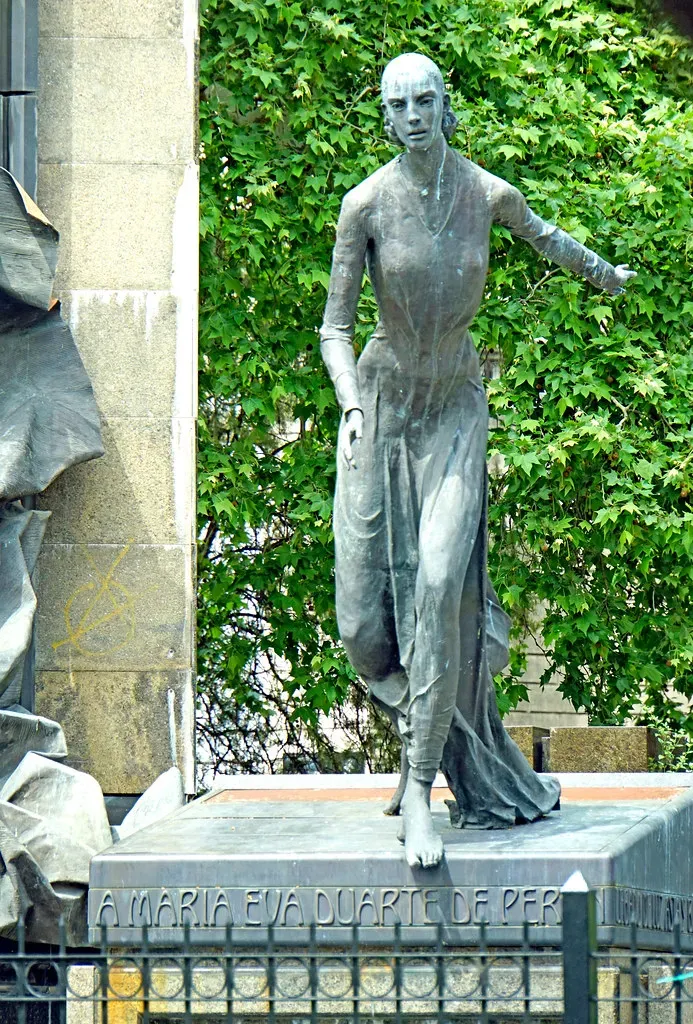
The President and First Lady of Argentina from 1946 to 1952 are perhaps one of the most beloved in all of international political history. In particular, Eva was beloved by the “descomunicados” or “shirtless ones” — the Argentine working class. The President and his wife promised and delivered higher wages for the working class. The Argentinians immortalised her with the nickname “Evita”.
Eva Perón became far more than just a president’s wife. She was a political force in her own right, championing the rights of workers and women at a time when such advocacy was revolutionary. Her charisma and direct connection with Argentina’s poor created a devoted following that her husband could never have achieved alone. Their partnership represented a new kind of political marriage, one where both partners actively wielded power and shaped policy, rather than one simply supporting the other from the shadows.
The Lasting Impact of Political Partnerships

These couples remind us that history isn’t just made by individual great men or women. It’s shaped by partnerships, by the chemistry and conflict between two ambitious people who found themselves bound together by marriage, politics, and circumstance. Some of these relationships were built on genuine love, others on cold calculation. Most combined elements of both.
What’s striking is how these partnerships often achieved more than either person could have alone. Whether it was unifying kingdoms, building empires, or reshaping political institutions, the collaboration between two people with different strengths, perspectives, and networks often proved more powerful than solo leadership. The personal became political, and the political became deeply personal.
Looking back, it’s almost impossible to imagine how world history would have unfolded without these partnerships. Would Napoleon have risen so quickly without Josephine’s connections? Would Spain exist as we know it without Ferdinand and Isabella’s joint rule? Would the British Empire have expanded so dramatically without Victoria and Albert’s vision? These aren’t just romantic stories. They’re reminders that behind every throne, every revolution, every empire, there’s often a partnership that made it all possible. What do you think about the role of these power couples in shaping our world? Did any of these partnerships surprise you?