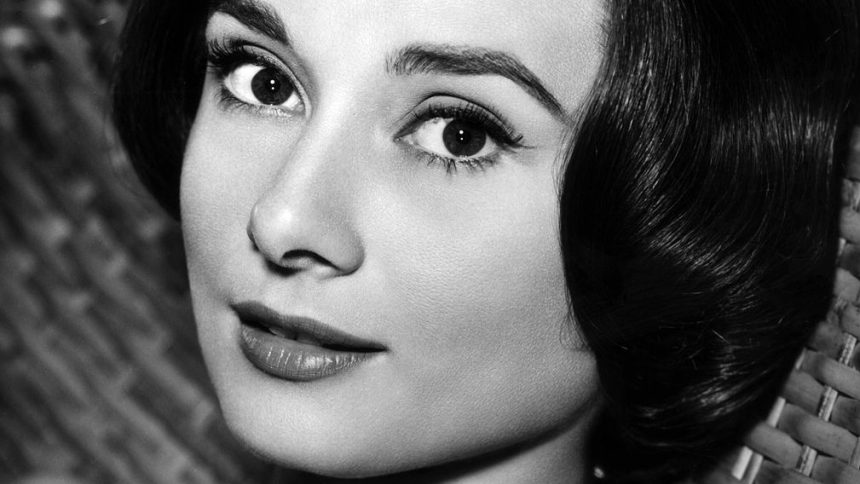
Marlon Brando: The Revolutionary Force Who Changed Everything
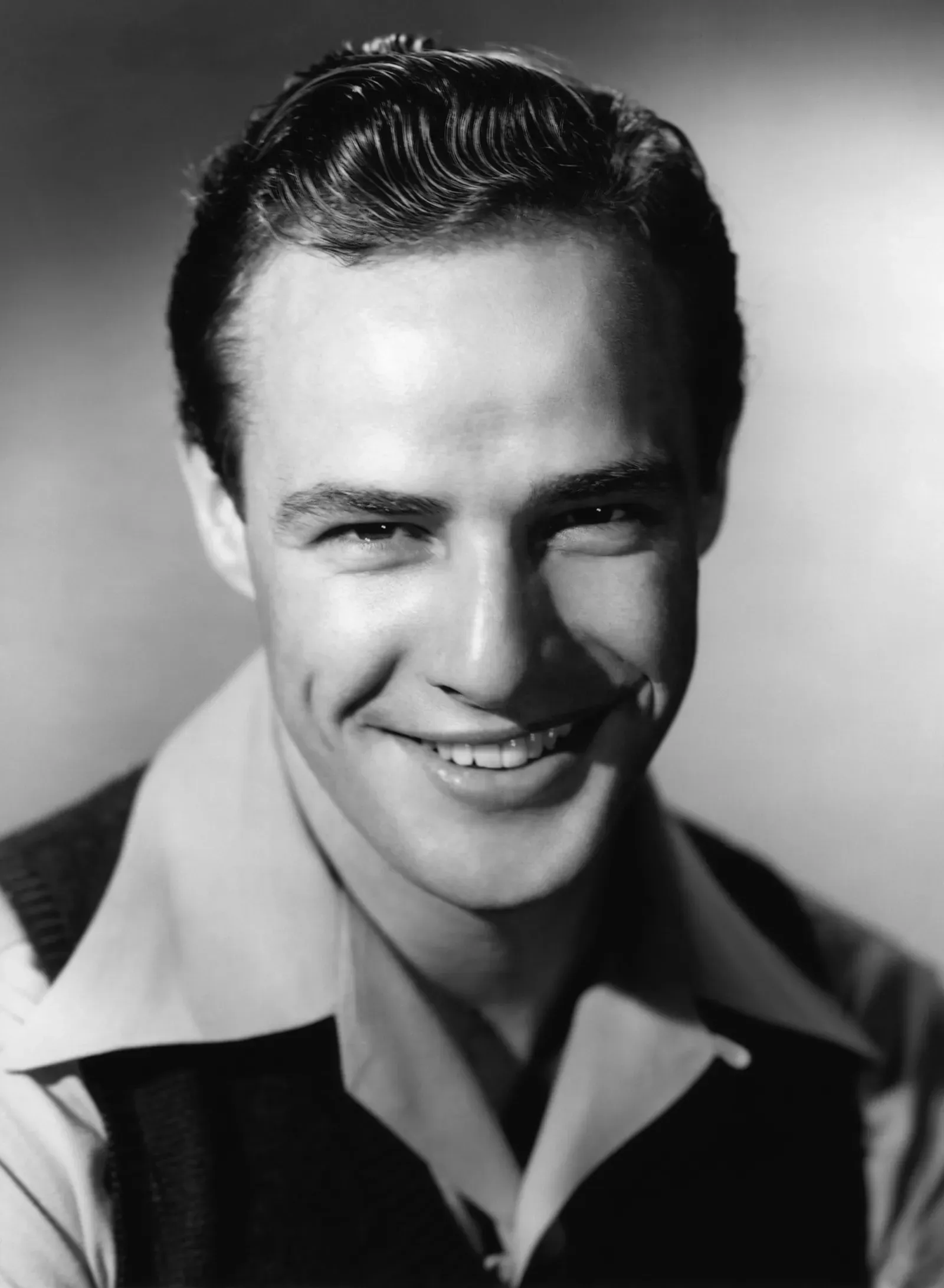
Marlon Brando was an American actor widely regarded as one of the greatest and most influential performers in the history of cinema, with a career that spanned six decades and earned him numerous accolades including two Academy Awards, two Golden Globe Awards, a Cannes Film Festival Award, three British Academy Film Awards, and an Emmy Award. The man simply didn’t act the way everyone else did. He’s credited with being one of the first actors to bring the Stanislavski system of acting and method acting to mainstream audiences, which sounds technical but honestly revolutionized everything we see on screen today.
All the great generation of American actors including Dustin Hoffman, Robert De Niro, Robert Duvall, Gene Hackman, Al Pacino, Morgan Freeman, and Meryl Streep wanted to become actors because of Marlon Brando. He became the north star for generations of actors because he showed that the most powerful performances aren’t about being perfect, they’re about being true. Think about that for a second.
Audrey Hepburn: When Elegance Became Timeless
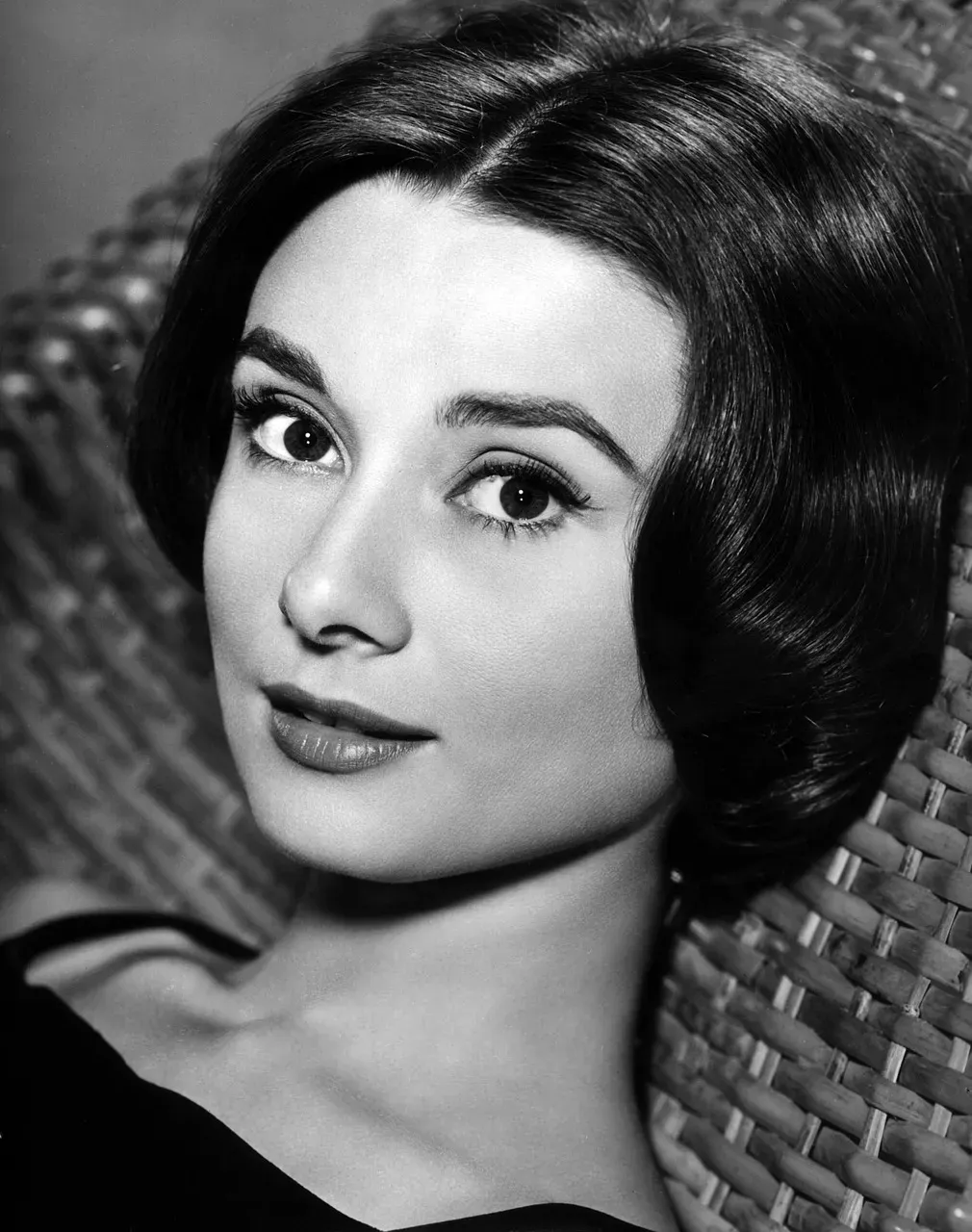
The fashion of actress Audrey Hepburn, both on and off-screen, has impacted trends and pop culture, and she is considered a style icon. Here’s the thing about Hepburn: She’s been referred to as one of the most elegant women in history, which feels like an understatement when you look at her influence. The black satin dress designed by Givenchy for Breakfast at Tiffany’s was sold by Christie’s auctioneers for a record sum of 577,638 dollars in 2006.
One of the defining features of Audrey’s career was her partnership with French designer Hubert de Givenchy, and although she made a disappointing first impression, after the two had dinner together their lifelong friendship started to take shape with her forty years of companionship with Givenchy influencing Audrey’s style both on and offscreen. Her dressing has inspired celebrities Beyoncé, Natalie Portman, Taylor Swift, Kendall Jenner, Kiernan Shipka, Sandra Bullock, Zooey Deschanel, Lily Allen, Meghan Markle, Rachel Bilson, Zoe Kravitz and Ariana Grande. Let’s be real, that’s quite a legacy.
James Dean: Three Films That Changed Everything
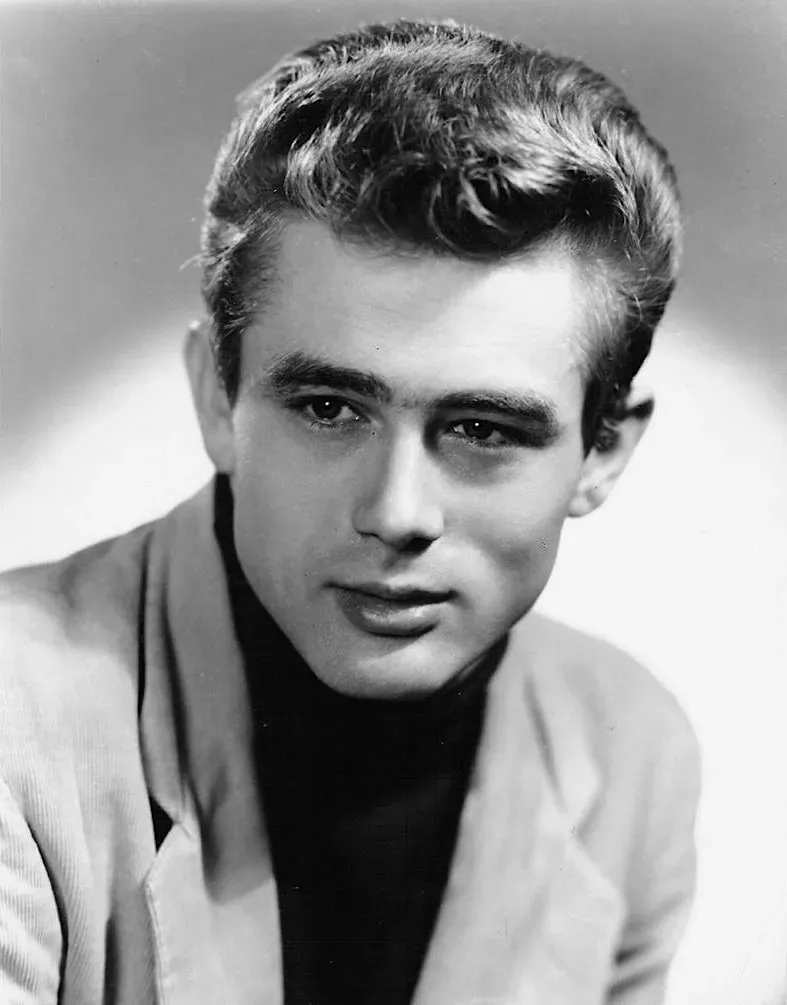
James Byron Dean was an American actor who became one of the most influential figures in Hollywood in the 1950s with an impact on cinema and popular culture that was profound, although his career lasted only five years, appearing in just three major films: Rebel Without a Cause, East of Eden, and Giant. He was killed in a car accident at the age of 24 in 1955, leaving him a lasting symbol of rebellion, youthful defiance, and the restless spirit, and was the first actor to receive a posthumous Academy Award nomination for Best Actor for his role in East of Eden.
Terence Pettigrew writes that James Dean’s acting had an immediate effect on youth of the mid-1950s, and that he influenced the way young people dressed and behaved more than any other actor. I know it sounds crazy, but imagine becoming that iconic with only three films. He remains the only actor to receive two posthumous Academy Award nominations, Best Actor for East of Eden and Best Supporting Actor for Giant.
Katharine Hepburn: Breaking Records Nobody Could Touch
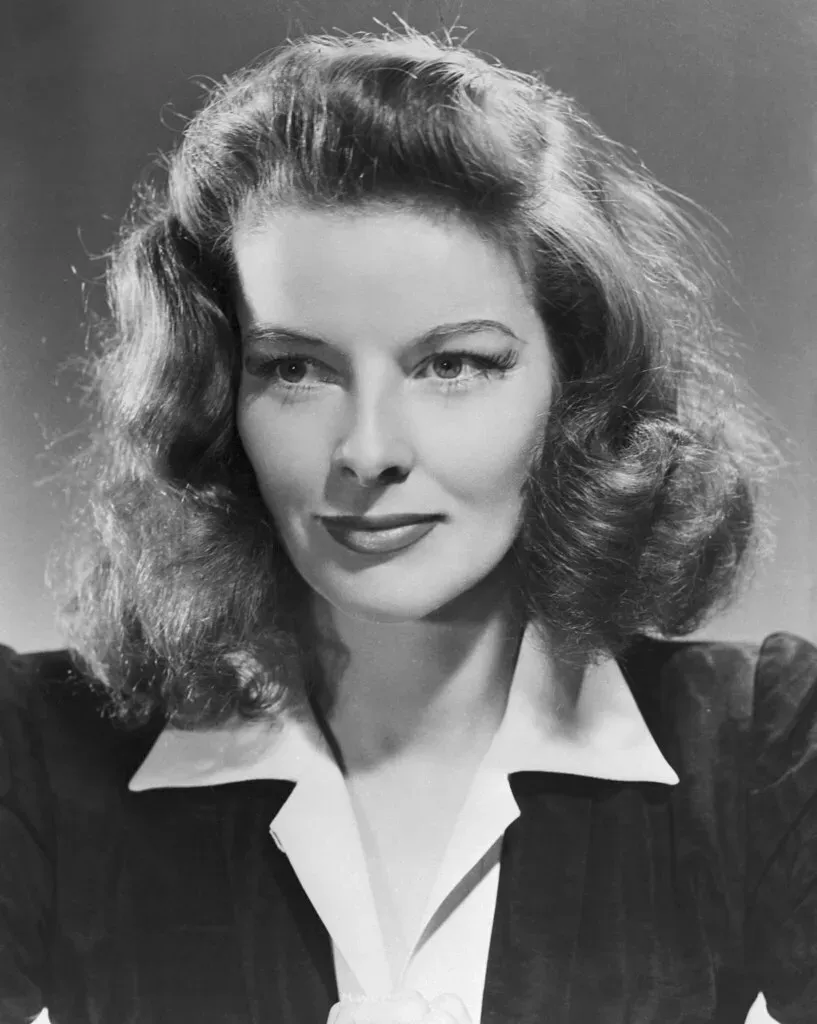
Katharine Hepburn is renowned for her independent spirit and sharp wit, winning four Academy Awards, more than any other actress in history. Think about that achievement for a moment. Nobody has matched it. Ingrid Bergman is tied with Meryl Streep and Frances McDormand, all three of them second only to Katharine Hepburn in Oscar wins.
Katharine Hepburn appeared in some of the best movies of that generation, but she remained a valuable star even into the era of New Hollywood and was even still starring in movies in the 1980s, earning her first Oscar in only her third movie appearance for Morning Glory. Her career wasn’t just successful, it was unprecedented in its longevity and quality.
Humphrey Bogart: The Face of Film Noir
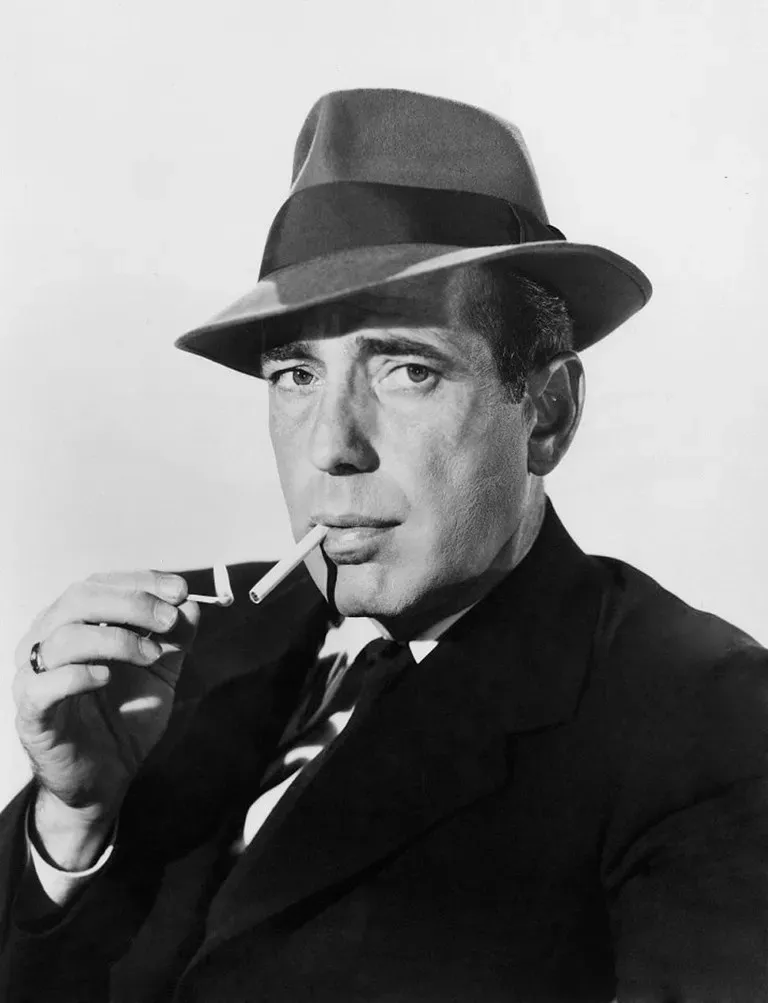
His landmark year was 1941 with roles in classics such as High Sierra and as Sam Spade in one of his most fondly remembered films The Maltese Falcon, which were followed by Casablanca, The Big Sleep, and Key Largo. Bogie won the best actor Academy Award for The African Queen and was nominated for Casablanca and as Captain Queeg in The Caine Mutiny, a film made when he was already seriously ill.
In 1999, the American Film Institute named Grant the second male star of Golden Age of Hollywood cinema after Humphrey Bogart. In 1942, he starred as Rick Blaine in the drama Casablanca, a film that remains listed among the best ever made in Hollywood history. Honestly, Casablanca alone would have been enough to cement his legend.