Hollywood is facing a cash crunch. Studios are tightening budgets, streaming platforms are cutting back, and the old financing models don’t work like they used to. So where’s the money coming from now? Look east. Saudi Arabia is stepping in with deep pockets and big ambitions, and the entertainment industry is paying attention whether it wants to admit it or not.
It’s not exactly a secret anymore. Executives are flying to Jeddah, stars are showing up at festivals, and behind closed doors, dealmakers are talking serious numbers. The kingdom wants in on Hollywood, and Hollywood needs the capital. Simple as that. Still, it’s complicated in ways that go beyond spreadsheets and contracts.
Saudi Arabia’s Growing Pull on Hollywood
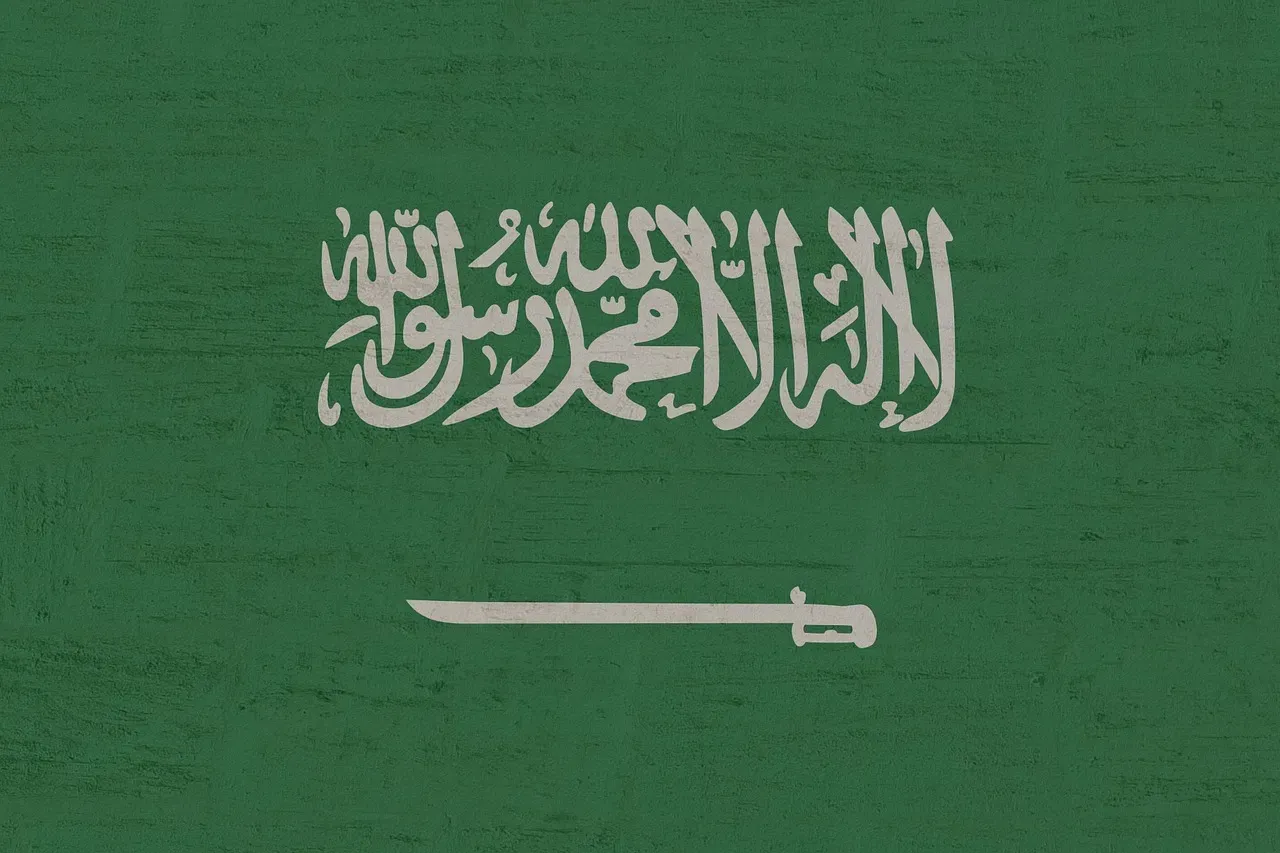
As Hollywood struggles with shrinking budgets and fewer financing options, Saudi Arabia is re-emerging as a powerful source of capital. Stars, executives, and dealmakers are traveling to the kingdom this week for the Red Sea Film Festival in Jeddah, where top talent is being courted amid reports of lucrative appearance deals. The appeal is clear: after the pandemic, labor strikes, and shifting audience habits, studios and creatives are increasingly open to new funding sources, even if they come with political and ethical complexities.
Big Deals, Big Questions
Saudi-backed money is now tied to some of the industry’s largest potential transactions, including a reported role in Paramount Skydance’s multibillion-dollar bid for Warner Bros Discovery, as well as investments in gaming, independent film studios, and entertainment infrastructure. From the Saudi perspective, these investments support Vision 2030, a plan to diversify the economy beyond oil and build a global entertainment presence. For Hollywood, however, concerns persist over censorship, foreign influence, and the kingdom’s human rights record, making many industry insiders reluctant to speak publicly.
Ethics, Image, and Uneasy Partnerships
While Saudi Arabia has ramped up cultural outreach through film festivals, sports, and comedy events, critics argue the strategy amounts to “sportswashing” or image laundering. Past controversies, including the 2018 murder of journalist Jamal Khashoggi, still loom large, complicating relationships between Western talent and the Saudi government. As conversations resume under a more favorable political climate, Hollywood faces a familiar dilemma: whether financial survival justifies partnerships that raise uncomfortable moral questions – a debate far from settled as stars quietly weigh whether to attend, participate, or stay away.