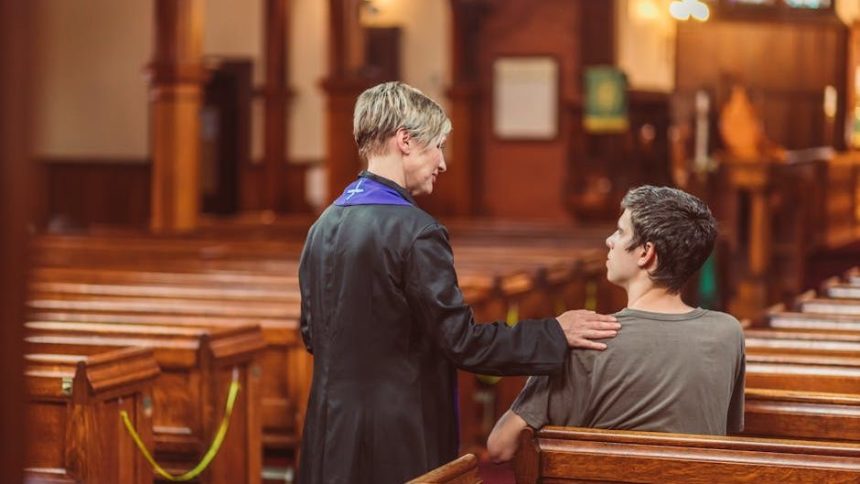

A Hospice Chaplain Reveals the One Thing You Should Do Before You Die – Image for illustrative purposes only (Image credits: Pexels)
Professionals who accompany patients through their last months witness raw honesty about life’s priorities. Hospice chaplains, trained to provide spiritual and emotional support, often hear the same plea repeated by those facing the end. Their experiences reveal a pattern: people value human connections above all else when time grows short. This perspective underscores a straightforward yet profound action anyone can take now.
Patterns in End-of-Life Reflections
Hospice chaplains report a recurring theme in conversations with patients expected to live six months or less. Individuals express deep sorrow over fractured family ties and unshared emotions rather than career setbacks or material choices. These workers note that patients frequently voice wishes like rebuilding bridges with distant relatives or voicing long-held affections.
Such disclosures dominate bedside dialogues. Chaplains describe how physical comforts take a backseat to emotional release. Patients rarely dwell on professional achievements or possessions. Instead, the focus sharpens on interpersonal matters left unresolved.
The Heavy Toll of Lingering Conflicts
Emotional burdens persist even as physical decline advances, chaplains observe. Unaddressed grievances fuel guilt and anxiety that complicate final days. Hospice care teams address these alongside medical needs, recognizing their equal impact on well-being.
Chaplains sometimes help arrange reconciliations, but they stress prevention over reaction. Early interventions allow for fuller, less pressured exchanges. Patients who delay often face irreversible separations, amplifying their distress.
What matters now: Unfinished relational business affects not just the individual but entire support networks during hospice.
Everyday Ways to Foster Connection
Addressing relationships requires no grand gestures, according to chaplains’ guidance. Simple outreach, such as a phone call to an estranged sibling or a note of appreciation to a spouse, opens pathways to understanding. Honesty drives these interactions more than eloquence.
Key expressions include apologies, forgiveness, and affirmations of love. These steps build resilience against future regrets. Chaplains emphasize timing: clarity diminishes in advanced illness, making prompt action essential.
- Reach out to family members after prolonged silence.
- Articulate gratitude in ongoing partnerships.
- Initiate forgiveness for past hurts.
- Document sentiments in letters if direct talks feel daunting.
Linking Emotional Health to Practical Realities
Beyond personal peace, strong relationships ease end-of-life logistics. Strained dynamics complicate decisions on care, finances, and estates, chaplains note. Hospice involves multidisciplinary teams, yet family discord hinders coordination.
Proactive reconciliation minimizes disputes over resources and preferences. This preparation benefits survivors as much as the patient. Chaplains see how harmony streamlines transitions, reducing added stress.
Hospice insights deliver a timeless reminder: opportunities for meaningful dialogue dwindle unexpectedly. Chaplains’ observations affirm that investing in bonds yields enduring returns, shaping not only closures but daily existence. Those who act early often report greater fulfillment throughout their remaining time.