
A Packed Day of Responsible Disposal (Image Credits: Flickr)
Vehicles began lining up before dawn at CompuCycle on April 24 as Houston residents brought old electronics for recycling during the 19th annual ABC13 Earth Day E-Cycle Drive.[1][2] The drive-thru event collected 132,293 pounds of e-waste, the largest amount in its history and a new benchmark for community environmental action.[1] Organizers hailed the turnout as a strong show of support for keeping toxins out of landfills.
A Packed Day of Responsible Disposal
The event ran from 6 a.m. to 5 p.m. at CompuCycle’s facility on 8019 Kempwood Drive.[2] Participants dropped off items free of charge, with a limit of up to five per vehicle to keep lines moving efficiently.[1][3] No appointments were needed, allowing hundreds to participate seamlessly.
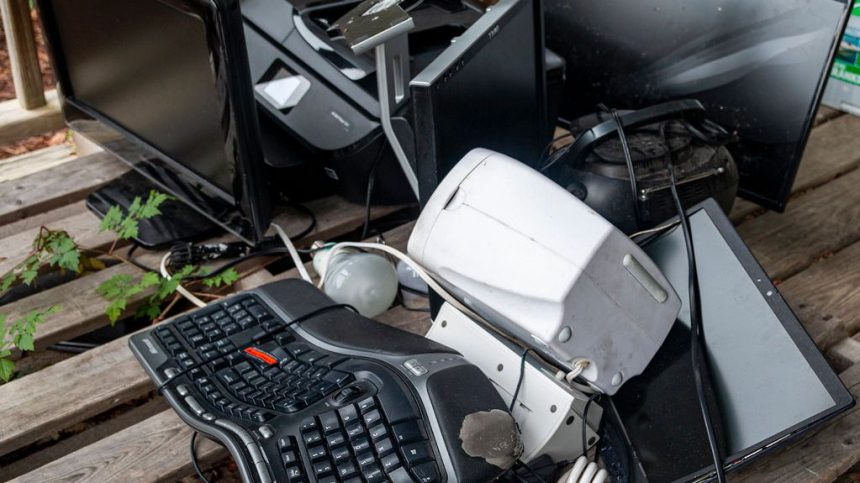
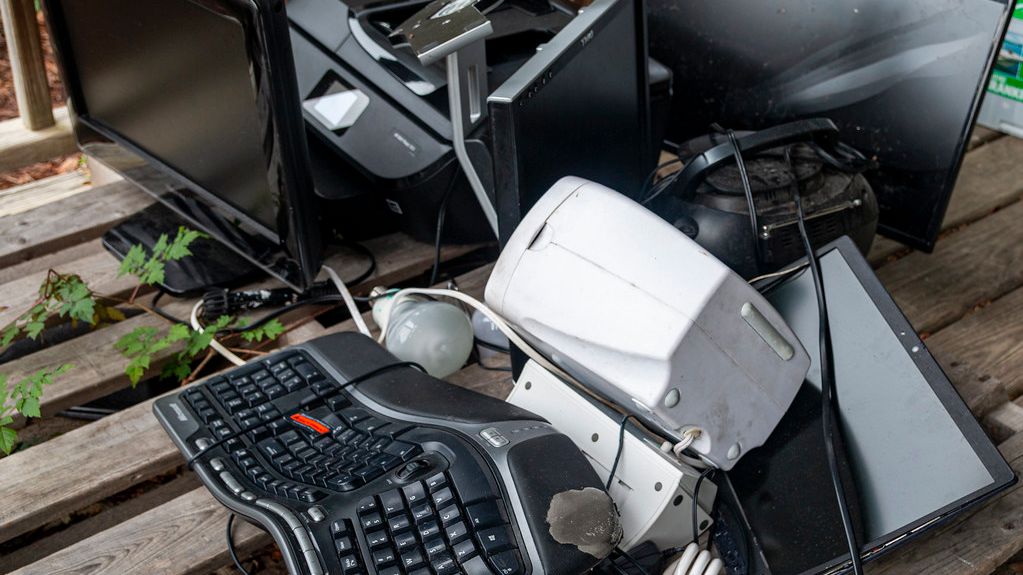
Accepted materials covered a wide range of household tech. Computers, laptops, tablets, cellphones, TVs, gaming consoles, printers, cables, and chargers all qualified for processing.[1][2] Residents prepared by backing up data and factory resetting devices beforehand. CompuCycle staff handled the rest, ensuring compliance with strict standards.
Building on a Decade of Milestones
This year’s haul topped the previous event record of 128,699 pounds set back in 2014.[1] That earlier collection also earned ABC13 a Guinness World Record for the largest single-day e-waste gathering.[4] The 2026 total marked a significant jump from recent years, including 114,508 pounds in 2025 and 103,936 pounds in 2024.
The event has consistently diverted over 100,000 pounds multiple times, reflecting growing awareness of e-waste challenges.[1] CompuCycle, marking its 30th anniversary, has partnered with ABC13 throughout, processing materials responsibly each time. Community participation has steadily increased, turning the drive into a staple of Earth Month celebrations.
Historical data underscores the event’s evolution. Amounts climbed from earlier years, with organizers noting high turnouts that sometimes led to extended waits. This year’s success built directly on that foundation, pushing boundaries once more.
Secure Processing at CompuCycle
Once collected, electronics underwent a certified recycling process. CompuCycle, e-Stewards compliant, first sorted items and wiped hard drives for data destruction.[1][2] Usable parts went to refurbishment, while others were shredded to recover metals, plastics, and glass.
Staff demonstrated the shredding in recent coverage, showing how old devices break down into raw materials for new products.[3] This method prevents hazardous leaks into soil, air, or water. Year-round drop-offs remain available at the facility for ongoing needs.
Quantifiable Gains for the Planet
The 132,293 pounds diverted yielded concrete benefits. It saved 373.71 cubic yards of landfill space and prevented 306.66 pounds of toxic metals from entering the environment.[1] Other metrics included a reduction of 57.75 metric tons of greenhouse gases and 4,756,109 hours of electricity.
- 488.41 gallons of oil conserved
- Equivalent to removing 12.55 cars from roads for a year
- Weight matching 11.54 elephants or 486.37 refrigerators
These outcomes highlight why events like this matter. E-waste poses risks when landfilled, but proper handling turns waste into resources. As CompuCycle enters its fourth decade and ABC13 continues the tradition, Houston’s commitment to sustainability strengthens, setting the stage for even greater impacts ahead.[1]