Nostalgia has always been a powerful force, especially in a city like Las Vegas where vintage neon signs stand proudly next to cutting-edge digital billboards. However, something strange has been happening lately that goes beyond simple reminiscence. Walk down the Strip today and you might spot tourists snapping photos with actual film cameras, not just Instagram filters that mimic them. Head to a coffee shop off Fremont Street and there’s a good chance someone is scrolling through their contacts on a refurbished flip phone.
The tech graveyard is coming back to life. Devices our parents used are suddenly appearing in the hands of Gen Z shoppers. It’s weird, fascinating, and honestly, a bit ironic considering how hard we fought to escape bulky gadgets in the first place. Let’s dive into how these ten pieces of retro technology clawed their way back from obsolescence.
The Sony Walkman Made Music Personal Again
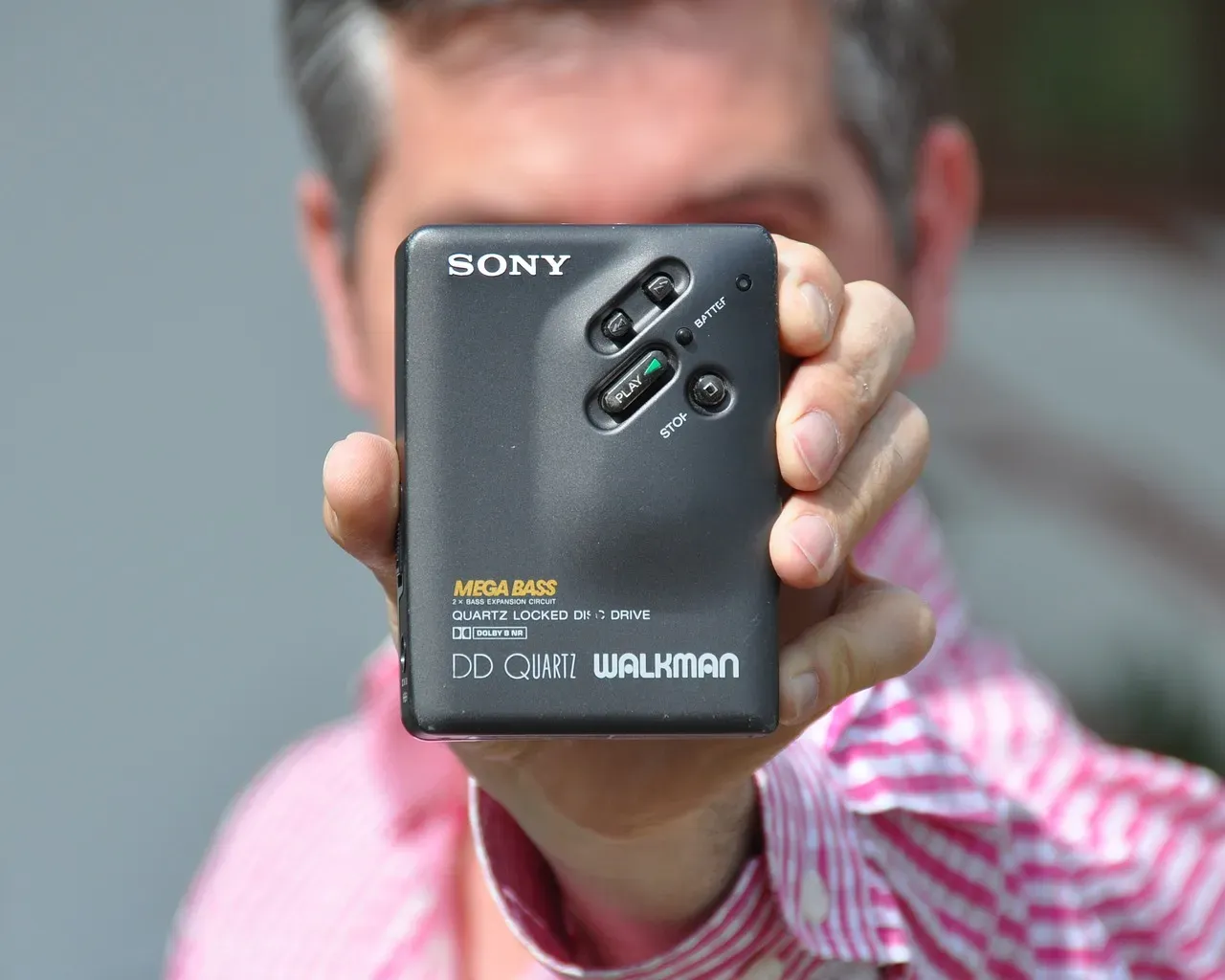
The Walkman was revolutionary when it first dropped in 1979, giving people the freedom to carry their music anywhere. Fast forward to today, and you’ll find them selling for hundreds of dollars on resale sites. Why would anyone want a cassette player when they have Spotify in their pocket?
The answer is surprisingly simple. Streaming fatigue is real. People are tired of algorithms deciding what they should listen to next. There’s something beautifully deliberate about choosing a cassette tape, sliding it in, and committing to that album from start to finish. No skipping, no shuffling, just pure listening.
In Las Vegas, local vintage shops report steady demand for working Walkmans. One store owner near the Arts District mentioned that younger customers often buy them as statement pieces. They want the experience of making a mixtape, of having a physical connection to their music. It’s tactile in a way that touching a screen will never be.
The sound quality argument is debatable, sure. Cassettes are objectively worse than digital files. Yet there’s a warmth to analog audio that people find comforting. It reminds them of simpler times, even if they weren’t alive to experience those times firsthand.
Polaroid Cameras Brought Back the Thrill of the Unknown
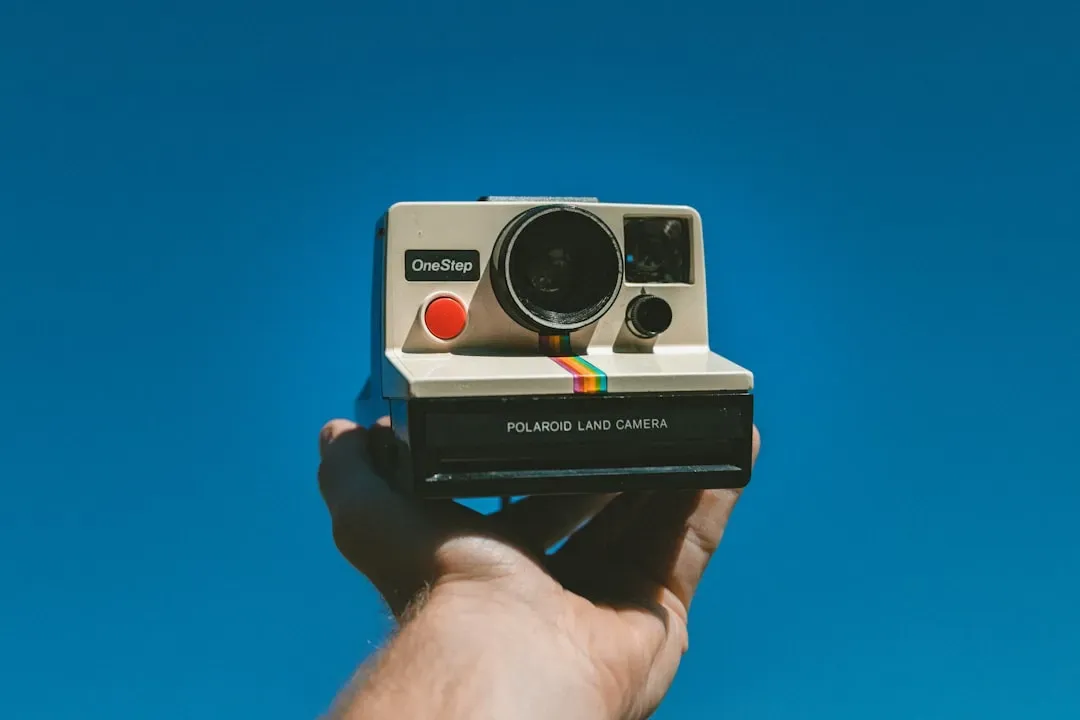
Digital photography killed suspense. You take a photo, look at it immediately, delete it if it’s bad, and move on. Polaroids force you to live with your choices. That blurry shot of your friend making a weird face? It’s permanent now, and somehow that makes it more precious.
The Polaroid revival started slowly but gained serious momentum around 2015. Today, Fujifilm’s Instax line competes with refurbished vintage models. Both are thriving. Las Vegas wedding photographers have noticed couples requesting Polaroid guest books, where attendees snap instant photos and leave messages.
There’s an authenticity to instant film that smartphones can’t replicate. The photos aren’t perfect. The colors are slightly off. Sometimes the exposure is terrible. That’s exactly the point. In a world of filters and photoshop, these imperfections feel honest.
Young people collecting Polaroids aren’t just buying cameras. They’re buying an experience, a way to slow down and appreciate moments without immediately sharing them online. The photos take time to develop, forcing patience in an impatient age.
Flip Phones Became the Ultimate Digital Detox Device
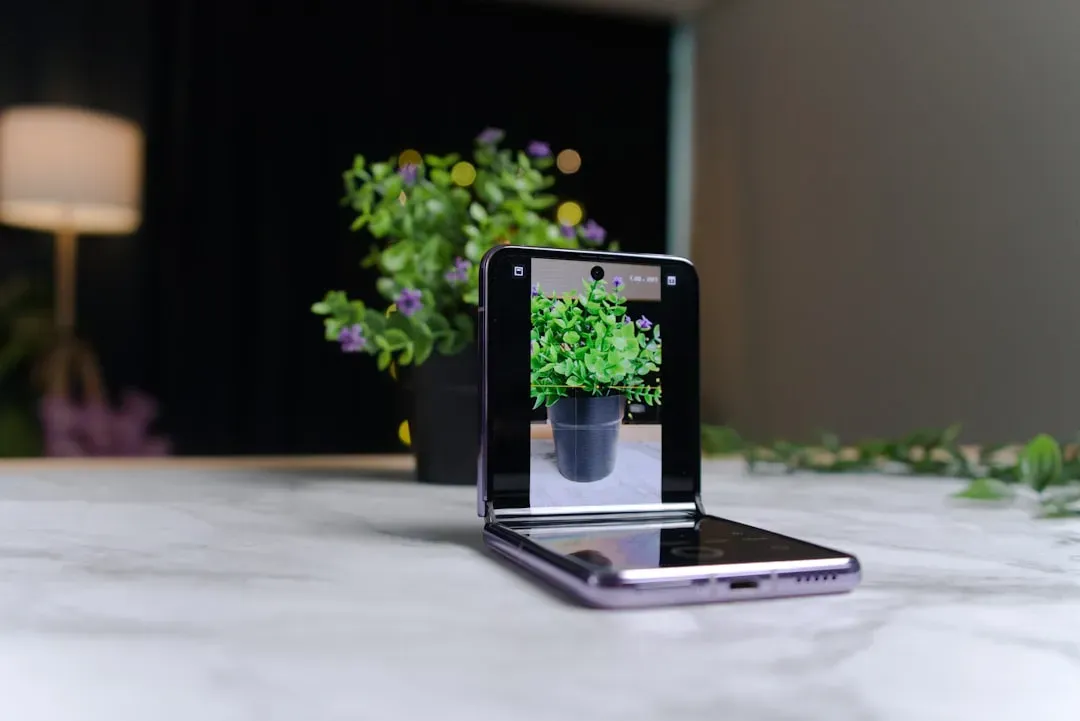
Flip phones are having a moment, and not just because of nostalgia. Celebrities and tech executives have been spotted using them as secondary devices. The appeal is obvious once you think about it. They make calls and send texts. That’s it.
No social media apps. No endless scrolling. No notifications every thirty seconds. For people drowning in digital noise, a flip phone is a life raft. Las Vegas casino workers have mentioned seeing more patrons using them on the floor, perhaps trying to stay present instead of checking their smartphones between hands of poker.
The satisfying snap of closing a flip phone after a call cannot be overstated. Tapping “end call” on a touchscreen doesn’t compare. There’s a finality to it, a physical gesture that marks the end of a conversation. Younger users who never experienced this are discovering it feels incredibly satisfying.
Some people buy flip phones specifically to avoid the temptation of constant connectivity. They want to be reachable without being consumed. It’s a deliberate choice to step back from the attention economy, even temporarily.
Vinyl Records Turned Listening Into a Ritual
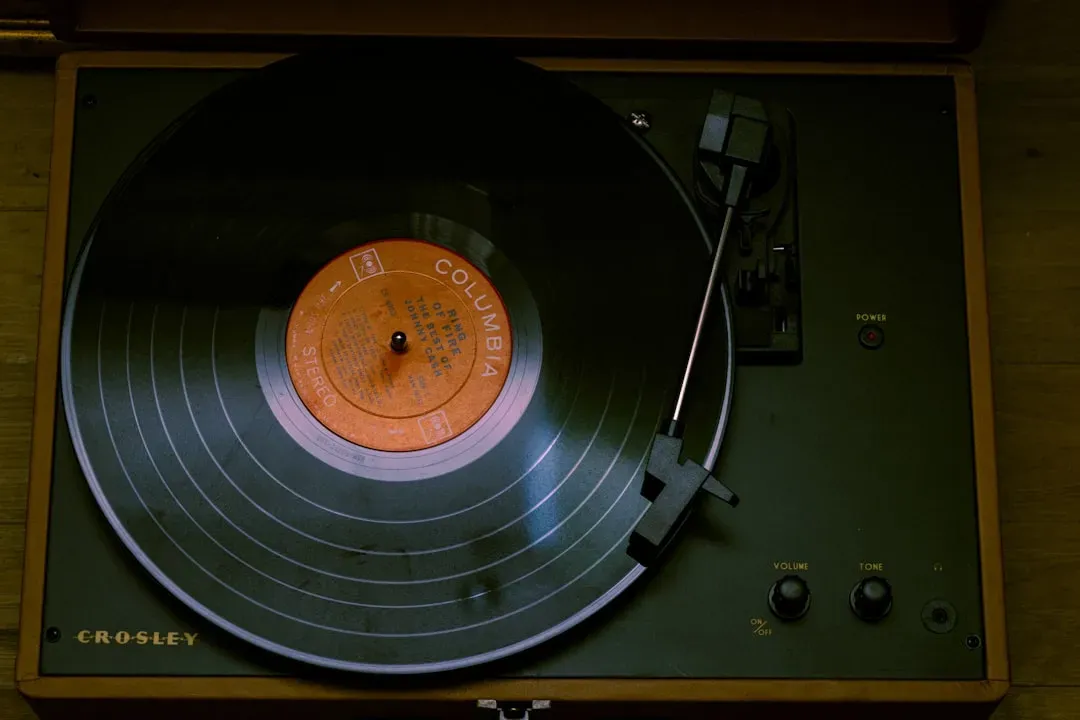
Vinyl never truly died, though it came close. Now record sales are at their highest point in decades. Las Vegas has seen multiple new record stores open in recent years, catering to both collectors and curious newcomers. The format’s resurgence isn’t just about sound quality, though audiophiles will argue that point endlessly.
It’s about the ritual. Pulling a record from its sleeve, placing it on the turntable, dropping the needle, and sitting down to actually listen. You can’t skip tracks easily. You have to flip the record halfway through. These limitations force engagement with music as a complete work rather than a collection of individual songs.
Album artwork matters again when it’s twelve inches square instead of thumbnail-sized. Reading liner notes while listening brings back a connection between artist and listener that streaming services have largely eliminated. People want to know who played bass on track three, and vinyl makes that information accessible and appealing.
Local musicians in Vegas are pressing vinyl again, often selling them at shows. Fans appreciate having something physical to take home, something that feels more substantial than adding songs to a playlist. The format has become a statement about valuing art enough to own it physically.
CRT Televisions Found New Life With Retro Gamers
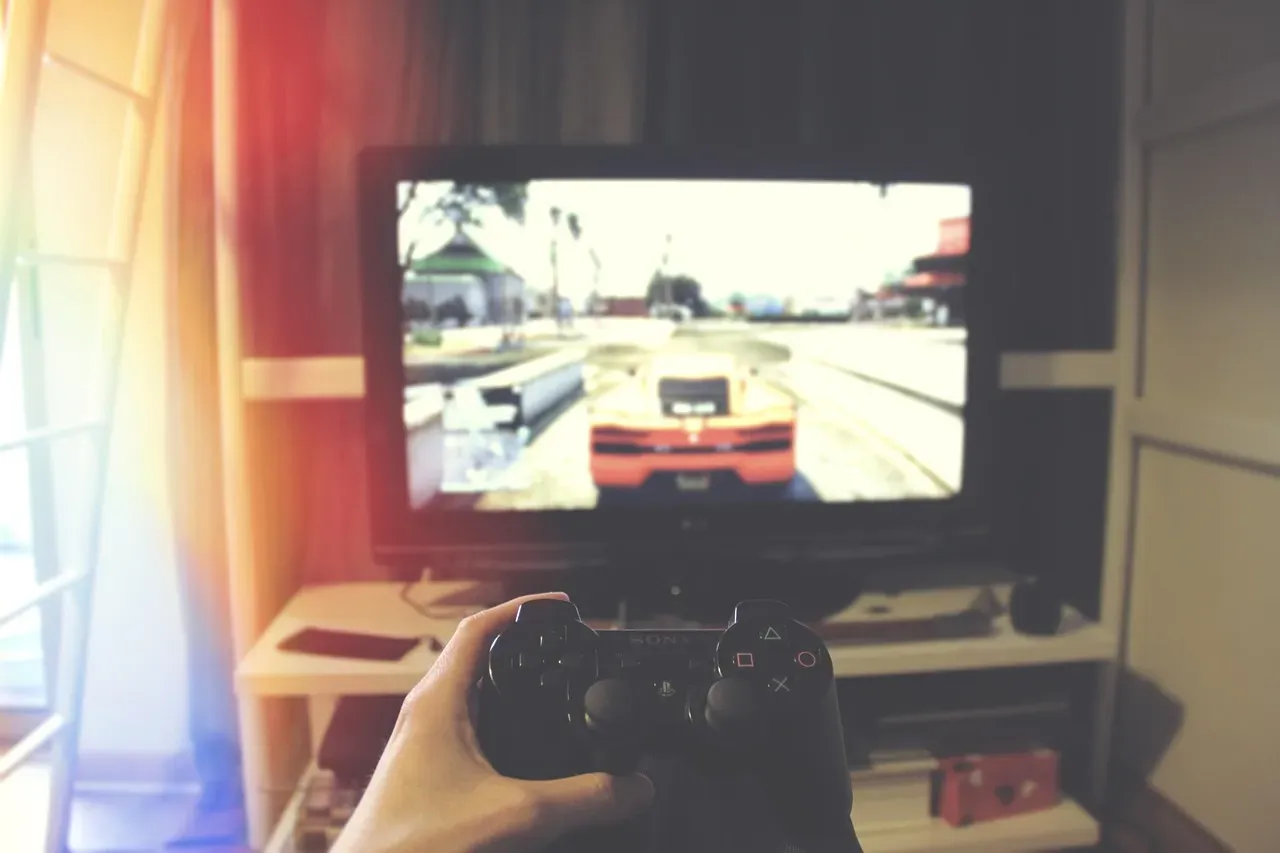
Cathode ray tube televisions are heavy, bulky, and supposedly obsolete. Try telling that to serious retro gaming enthusiasts. These old TVs have become sought-after items because classic games genuinely look better on them. Modern flat screens display old games with input lag and scaling issues that ruin the experience.
Gamers hunting for CRTs have created an entire secondary market. Free curbside TVs from the 1990s now sell for decent money if they’re the right model. Las Vegas game stores that specialize in retro titles often keep a few CRTs on hand for customers to test games before buying.
The curve of a CRT screen, the slight warmth of the glass, even the faint hum they make while running – these details create an authentic experience that modern technology deliberately moved away from. Sometimes progress means losing something valuable in the process.
Speedrunners and competitive retro gamers insist on CRTs because the reduced input lag can mean the difference between success and failure. What started as practical necessity has become aesthetic preference. The chunky, nostalgic look of these TVs fits perfectly with the games they display.
Film Cameras Made Photography Thoughtful Again
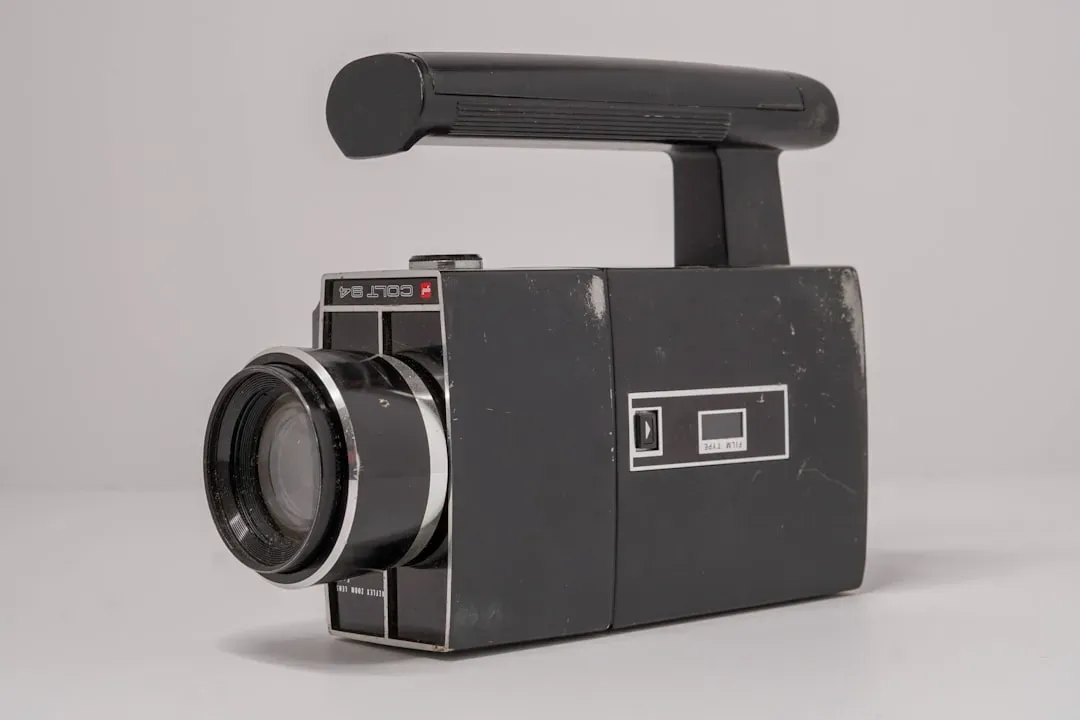
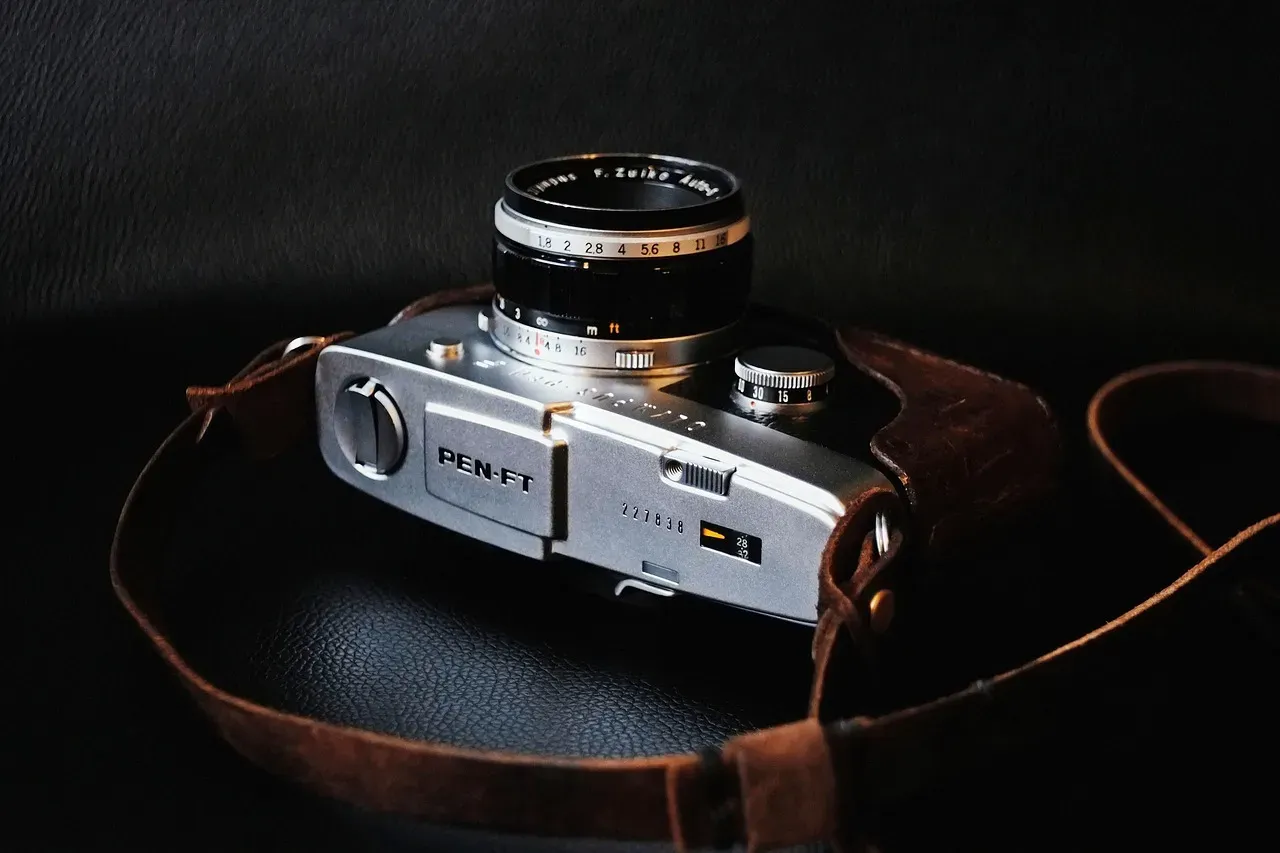
Digital cameras let you take thousands of photos without consequence. Film cameras give you thirty-six shots per roll, maybe less. Every click costs money and requires thought. Is this moment worth capturing? Should I adjust the settings? These questions make photography intentional again.
Photography students in Las Vegas are increasingly learning on film before moving to digital. Instructors argue it teaches fundamental skills that digital shooting can obscure. You can’t fix a poorly exposed film photo in Lightroom. You have to get it right in the camera.
The waiting period between shooting and seeing results teaches patience. Dropping off film for development and picking it up days later creates anticipation that instant gratification can’t match. Sometimes the photos turn out terrible. Sometimes they’re magical in unexpected ways.
Film photographers describe a different relationship with their subjects. Knowing each frame matters changes how you approach a scene. Street photographers using film often spend more time observing, waiting for the perfect moment rather than shooting continuously and hoping something works.
Pagers Survived in Unexpected Places
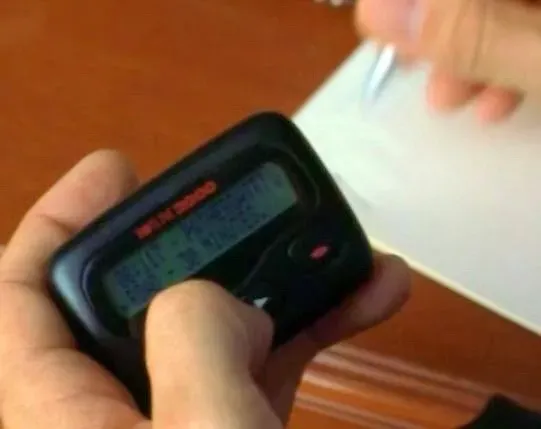
Pagers, or beepers, seemed completely dead until you realize they never left certain industries. Hospitals still use them because they’re more reliable than cell phones in areas with poor reception. Some Las Vegas restaurants use paging systems to alert customers when tables are ready, basically repurposing old technology for new purposes.
The appeal of a pager was always its simplicity. You get a number, you call back. No texts to misinterpret, no group chats to ignore, just a straightforward system. Some people miss that clarity in communication.
Interestingly, a small number of people have started using pagers again as secondary communication devices. The idea is you only give that number to important people, creating a tier system where your pager means “urgent” and your phone means “whenever.” It’s a creative solution to notification overload.
The beeping sound itself carries nostalgia for people of a certain age. Hearing it takes them back to high school or their first job. That emotional connection drives some of the renewed interest, even if practical applications remain limited.
Typewriters Became Writing Tools for the Distraction-Free
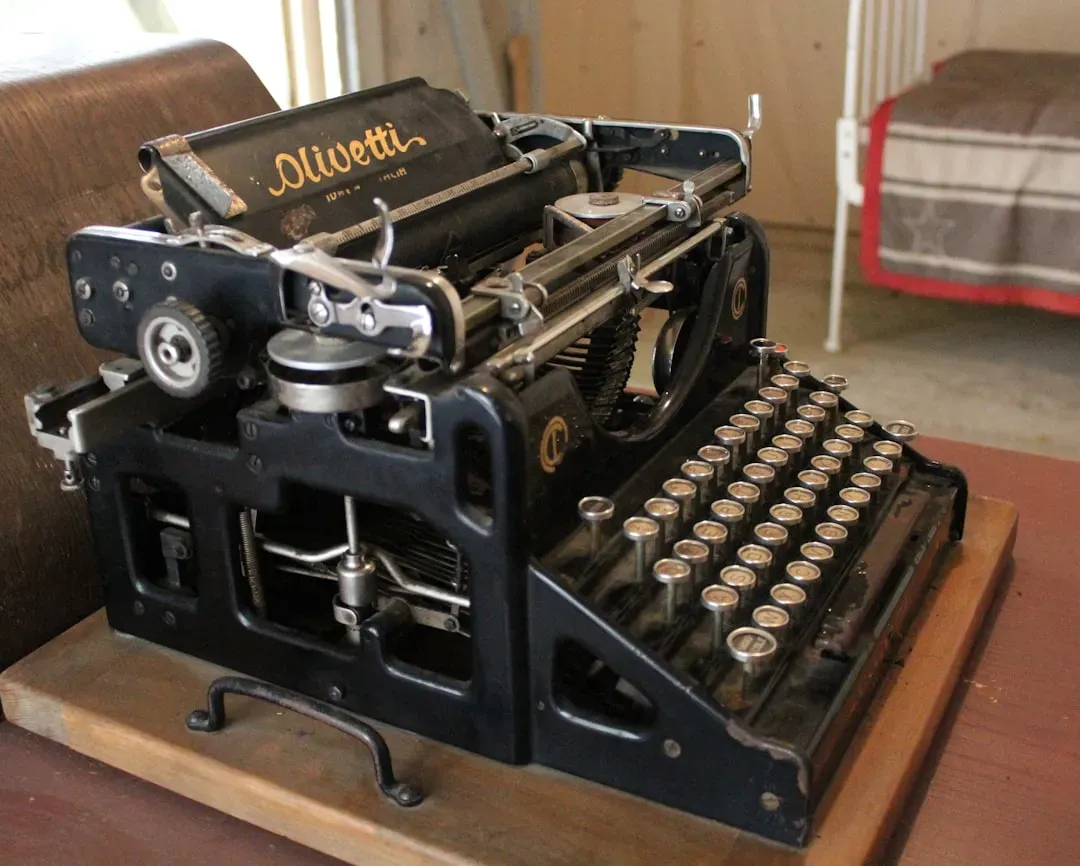
Typewriters are spectacularly impractical for modern use. No delete key, no spell check, no easy way to make corrections. Yet novelists and poets are returning to them specifically because of these limitations. The inability to easily delete forces commitment to your words. You have to think before you type.
Las Vegas has a small but dedicated community of typewriter enthusiasts who meet regularly to share machines and writing. They appreciate the mechanical feedback, the clacking of keys, the physical act of putting words on paper. It’s meditative in a way that staring at a screen never quite manages to be.
The lack of internet connectivity is a feature, not a bug. You can’t check social media on a typewriter. You can’t look something up mid-sentence. You’re forced to stay with your thoughts, to work through problems without the escape hatch of digital distraction.
Collected typewritten pages feel substantial. They represent work in a tangible way that files on a computer don’t quite capture. Writers describe satisfaction in watching the stack of finished pages grow, each one permanent and real.
Boomboxes Brought Back the Social Aspect of Music
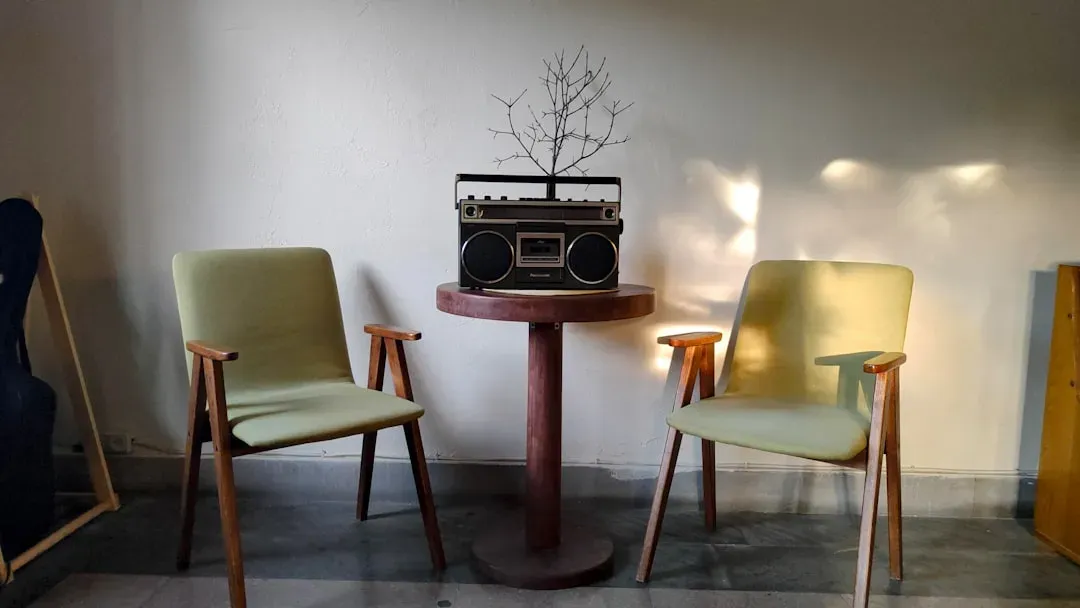
Boomboxes were never subtle. They were designed to share music publicly, to claim space with sound. In an era of private earbuds, that public sharing feels transgressive and exciting. Beach parties, park gatherings, and street corners are seeing boomboxes make occasional appearances.
The retro aesthetic plays a role here. A vintage boombox perched on someone’s shoulder is a statement. It says something about the person carrying it, about their relationship with both music and public space. Las Vegas street performers have incorporated them into acts, using the vintage look as part of their visual brand.
Sound quality varies wildly, but that’s not really the point. The point is creating a shared experience. Everyone nearby hears the same thing simultaneously. It’s communal in a way that everyone listening to different playlists on their phones can never be.
Some models from the 1980s have become collectible, especially the massive ones with dual cassette decks and graphic equalizers. Finding one in working condition feels like discovering treasure, a functional piece of music history that still serves its original purpose.
Rotary Phones Became Landline Luxury Items
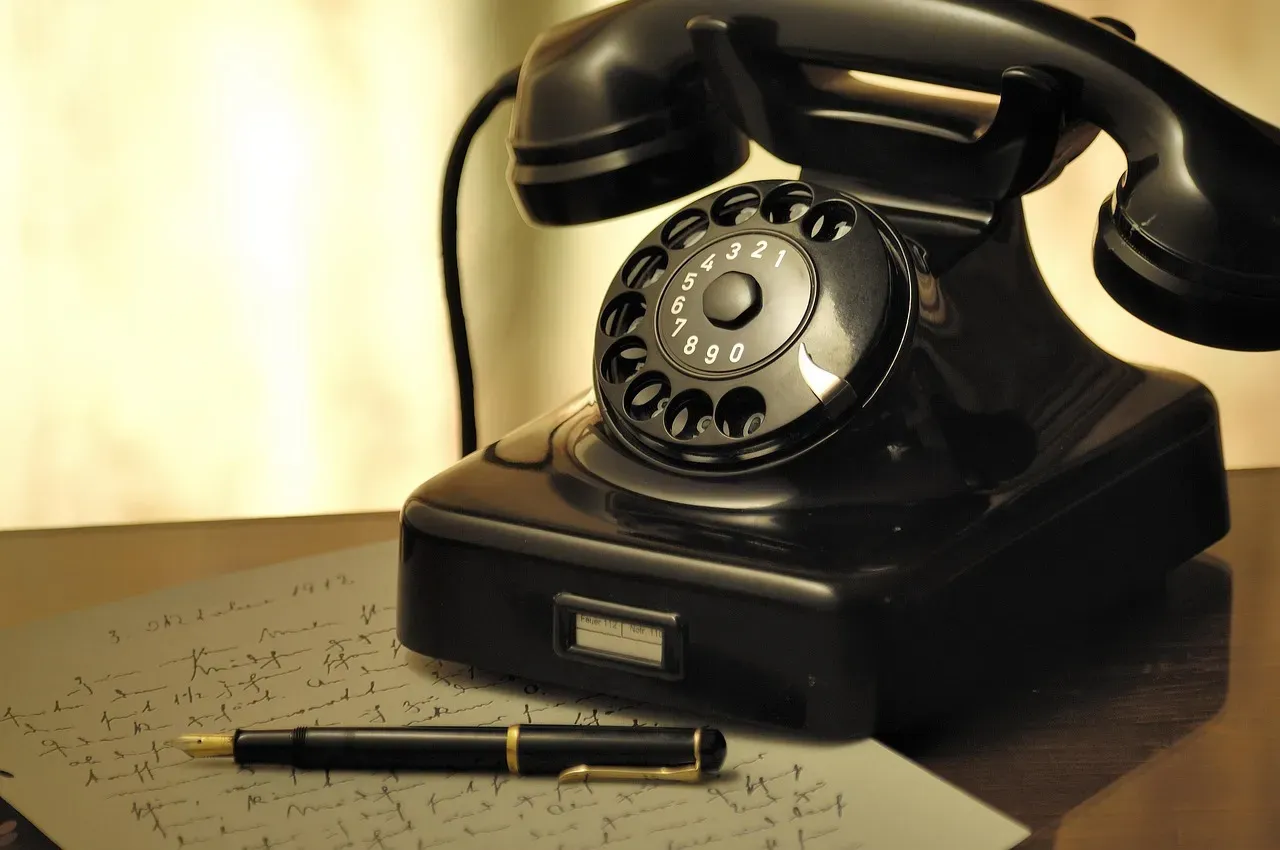
Rotary phones require patience. Dialing a seven-digit number takes time, especially if there are several nines or zeros. Yet that deliberate pace has appeal for people tired of instant everything. Making a call becomes an event, something you do intentionally rather than reflexively.
Home decorators have embraced rotary phones as statement pieces. They work perfectly well on landlines, though finding landlines is increasingly difficult. Some people have them wired to work with cell phone converters, maintaining the aesthetic while keeping functionality.
The weight of the handset feels substantial. Modern phones are featherlight, but a rotary phone handset has heft that communicates quality and permanence. Slamming one down to end a call remains deeply satisfying in a way that tapping a screen will never match.
Las Vegas vintage shops report steady interest in working rotary phones, particularly colorful models from the 1970s. They’re conversation starters, nostalgic artifacts that still function exactly as designed decades ago. In homes filled with disposable technology, that longevity is quietly radical.
Conclusion: The Cycle of Cool Never Stops Turning
Technology moves forward relentlessly, but progress isn’t always linear. Sometimes we realize the things we left behind had value we didn’t fully appreciate. These retro devices offer something modern technology often lacks: limitations that force intention, physical presence that creates connection, and imperfections that feel human.
Las Vegas embodies this tension between old and new better than most places. The city constantly reinvents itself while maintaining pockets of vintage charm. Maybe that’s why retro tech feels at home here. It’s a reminder that not everything old deserves to be forgotten.
The next wave of obsolete technology waiting for revival is already sitting in closets and storage units. Who knows what we’ll be nostalgic for ten years from now? What do you think will make a comeback next?