The Market is Exploding Faster Than Anyone Expected
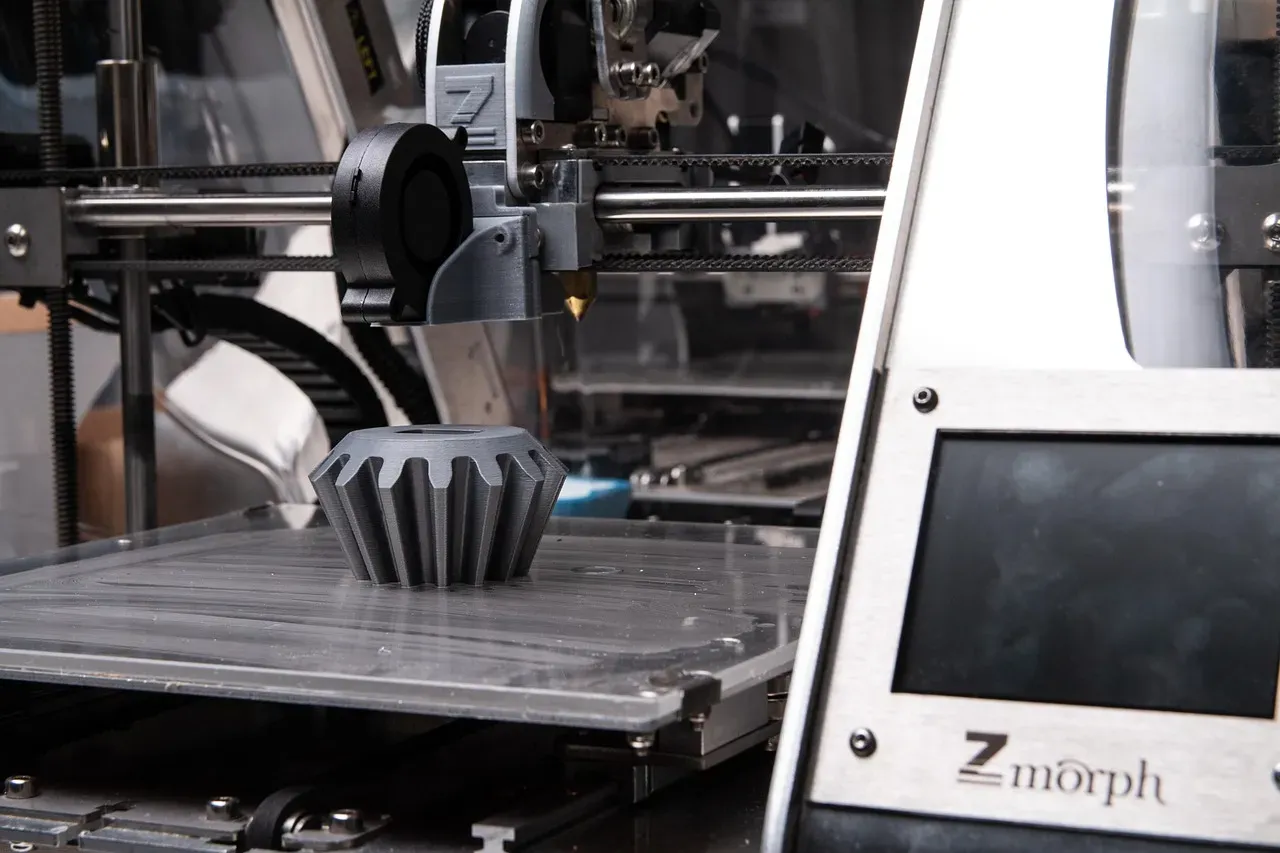
The Food 3D Printing Market size is estimated at USD 0.89 billion in 2025, and is expected to reach USD 3.53 billion by 2030, which honestly sounds unbelievable until you step into one of the restaurants pioneering this shift. The jump from experimental gimmick to serious business tool happened quietly over the past few years. From Michelin starred restaurants, pop-up events to pizzerias, 3D food printers were starting to make an appearance from 2015, but 2025 marks the year when this technology truly moved beyond novelty. Restaurants are betting big on precision, customization, and speed.
Let’s be real here. The growth isn’t just about tech enthusiasts playing with gadgets. According to a report by the James Beard Foundation, 40% of fine dining restaurants are experimenting with this technology, and when nearly half of the high-end culinary world is involved, you know something fundamental is shifting. Commercial segments are dominating this space because the return on investment is becoming clearer. Chefs are seeing how intricate designs that once took hours can now be executed in minutes, freeing them to focus on flavor innovation rather than repetitive manual labor.
Fine Dining Gets a Futuristic Facelift
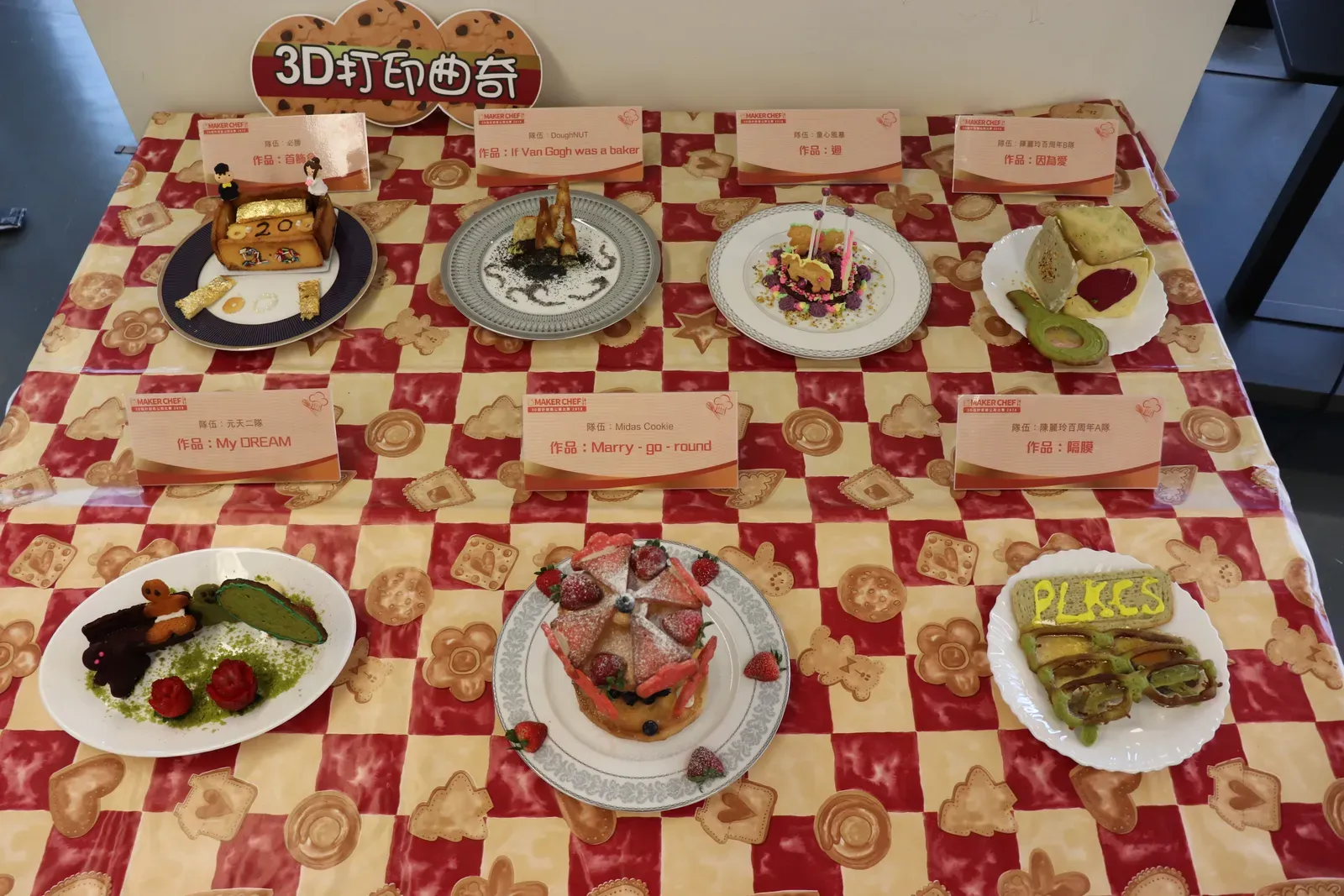
The development of 3D food printing is evolving, particularly in high-end restaurants, since 2013 when the first complex 3D printed chocolate concept for gastronomy was developed. These technology companies often partnered with renowned chefs who developed recipes, showcased the printers and served their food products in their restaurants. This collaboration between culinary artistry and engineering precision is creating dishes that were literally impossible before. Think edible sculptures, chocolate geometries, and seafood presentations that look almost alien in their complexity.
Chefs such as Paco Pérez, Paco Morales, Davide Oldani, Sergi and David Torres have already implemented these technologies in their Michelin-starred restaurants. When you walk into La Enoteca in Barcelona, for example, you might encounter the Sea Coral dish. The Foodini printer uses a seafood puree to sculpt a flower-like design for the centrepiece. Once this complex coral is complete, the chefs embellishes it with an assortment of seafood such as sea urchins and caviar. It’s theater, it’s art, and it’s absolutely delicious. The entire experience becomes Instagrammable, shareable, memorable in ways traditional plating simply cannot match.
Customization Is the New Standard
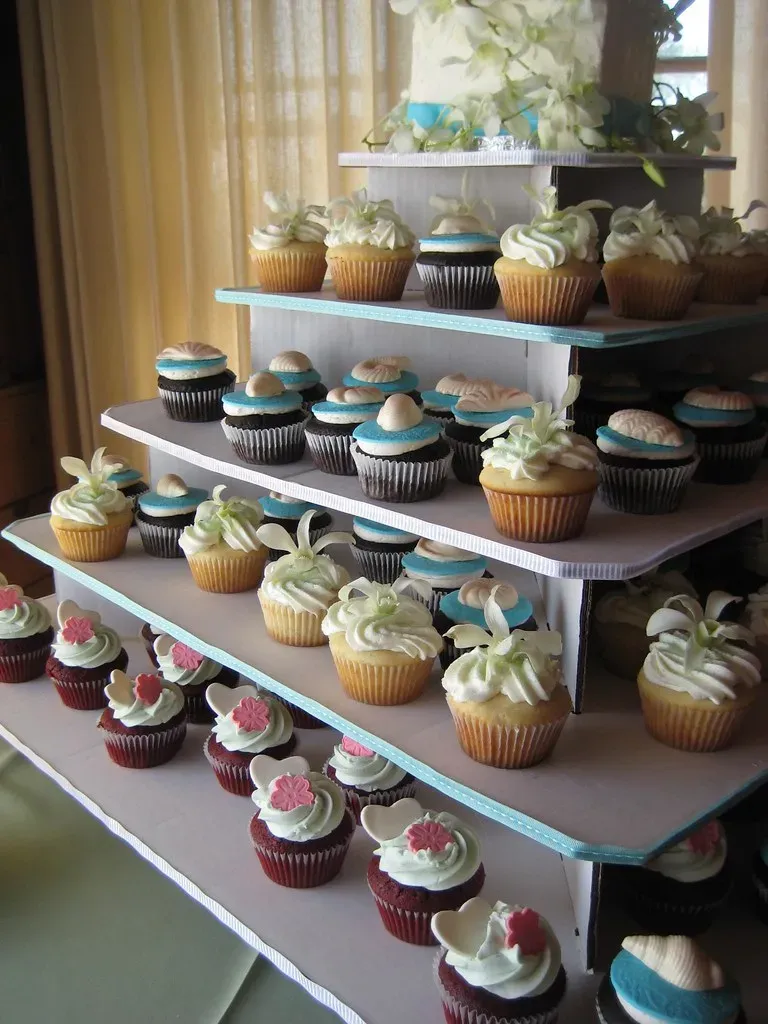
Here’s the thing about modern diners: they want it their way. It was observed that a fast-food restaurant’s ability to customize its orders is very important to 60% of consumers, and a fast-casual restaurant’s ability to do so is equally important to 63% of consumers. Three-dimensional food printing delivers on this demand in spectacular fashion. Whether someone needs gluten-free pasta, allergen-free desserts, or protein-optimized meals, the printer can adjust formulations on the fly.
3D food printers will allow restaurants the ability to create customized meals tailored to customer’s dietary restrictions and preferences. Whether a guest is following a gluten-free diet, is interested in functional nutrition, or has food allergies, 3D food printing can deliver. I think this is where the technology becomes less about spectacle and more about genuine service. Imagine elderly care facilities where 3D printed foods which were suitable for specific diets, were emerging, such as those for people with dysphagia, allergies or intolerances. The tech goes from cool to compassionate pretty fast. Restaurants adopting this capability are finding they can serve broader audiences without compromising quality or safety.
Sustainability Through Precision
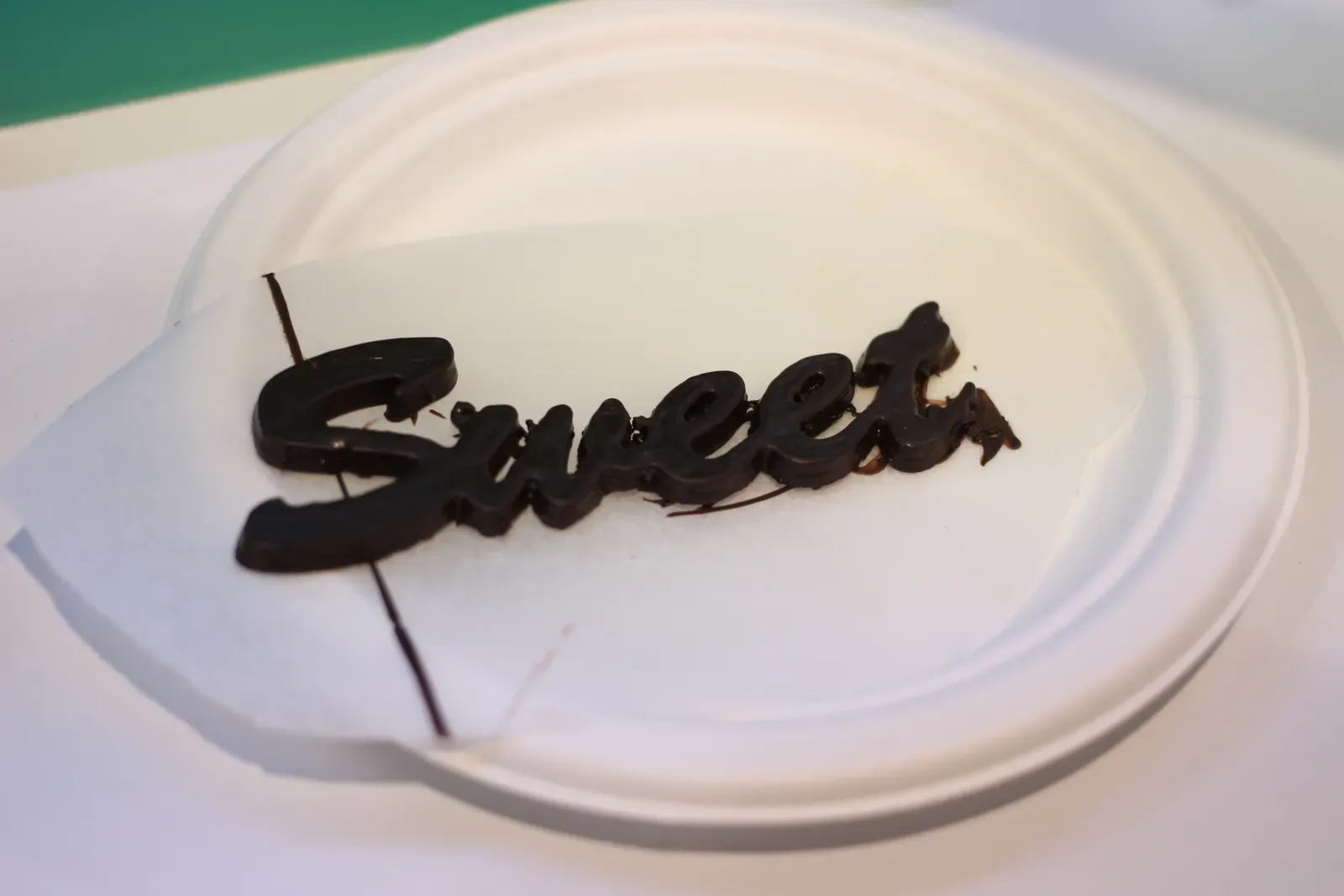
Waste is a massive problem in commercial kitchens. The beautiful irony of 3D food printing is that it solves this through extreme precision. By using precise amounts of ingredients, these printers significantly reduce food waste, ensuring every component is utilized efficiently. When a printer extrudes exactly the amount of puree needed for a dish, there’s no trimming, no scraps, no overproduction sitting in walk-in coolers.
A study by the Food and Agriculture Organization (FAO) highlights that adopting such proteins can cut down greenhouse gas emissions by up to 80%. Companies like Cocuus are scaling up fast. In January 2024, Cocuus announced its plans to produce 1,000 tonnes of 3D-printed plant-based bacon in 2024 at its newly opened facility in Northern Spain, pioneering industrial-scale production for retail distribution. The company has introduced its plant-based bacon in 400 Carrefour supermarkets and plans to expand production to include vegan tuna and shrimp. These aren’t experimental batches anymore. This is real manufacturing at scale, and restaurants partnering with such suppliers are reducing their environmental footprint while offering innovative menu items.
Plant-Based Revolution Powered by Printing
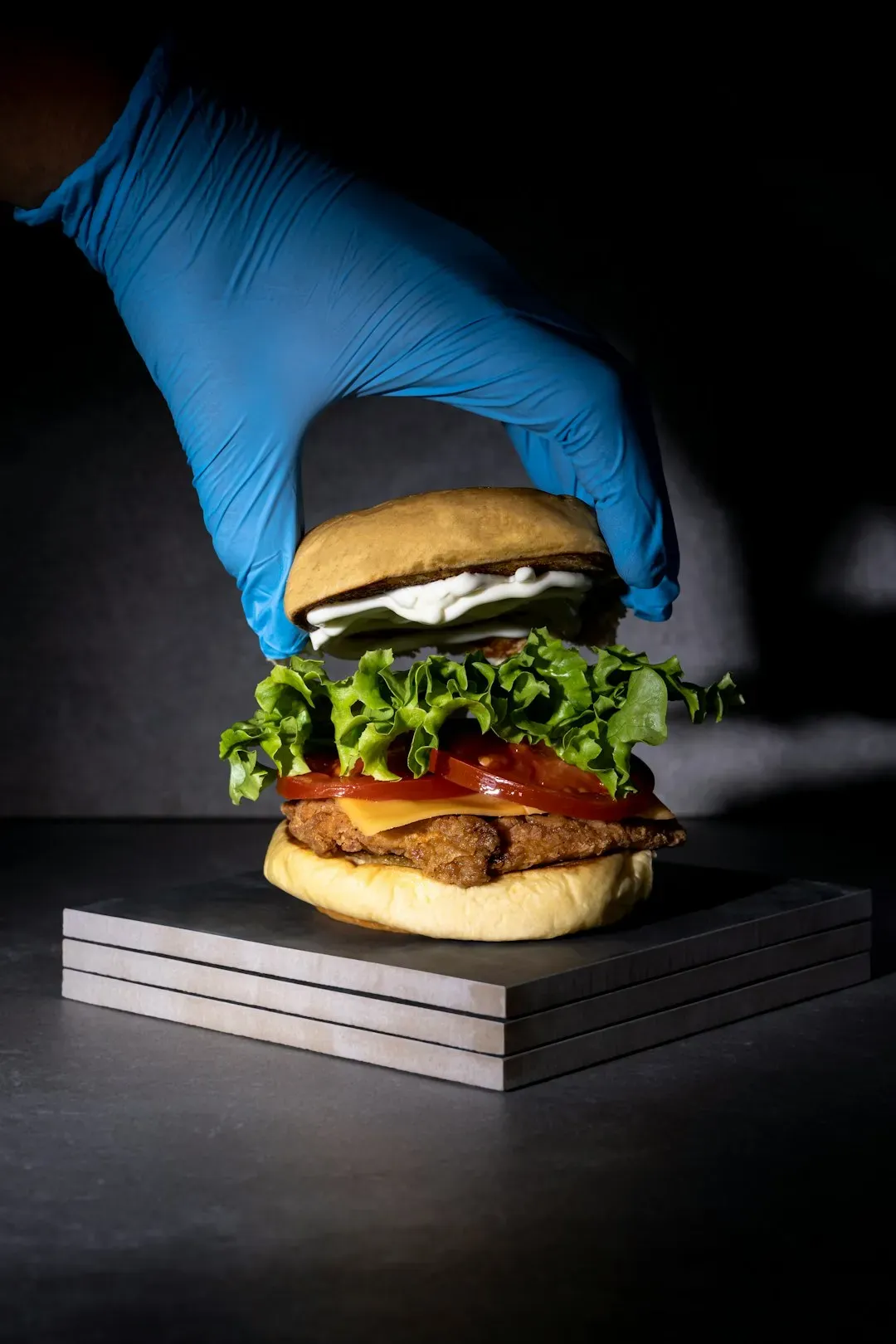
The plant-based movement found an unexpected ally in 3D printing technology. Creating convincing meat alternatives has always been challenging because texture matters just as much as flavor. According to a report by the Good Food Institute, the plant-based meat market is projected to reach $27 billion by 2025, and a significant portion of that growth involves printed alternatives that mimic the fibrous structure of real meat.
In September 2023, SavorEat Ltd. and Sodexo launched the first 3D-printing robot for plant-based burgers at the University of Denver two years after announcing their partnership in 2021. This collaboration aims to expand Sodexo’s plant-based offerings and reduce its carbon footprint, aligning with its commitment to make 42% of its college and university plant-based by 2025. These aren’t veggie patties pressed into generic shapes. These are layered, textured proteins designed to replicate the experience of eating conventional meat. Restaurants incorporating these options are appealing to flexitarians and environmentally conscious diners while differentiating themselves from competitors still relying on frozen, mass-produced alternatives.
Challenges Still Need Solving
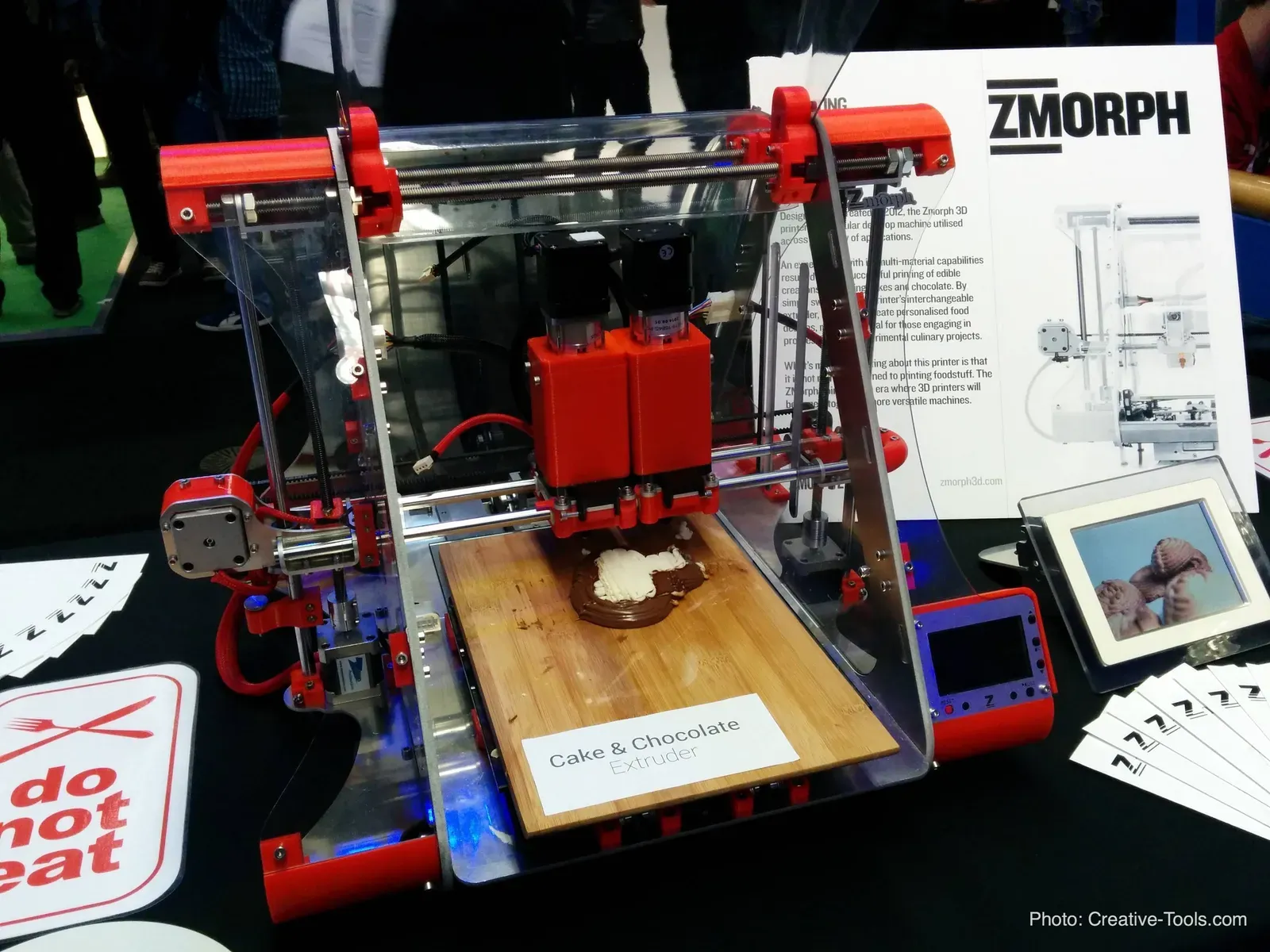
It’s not all smooth extrusion and perfect layers, though. The difficulty in preserving the proper texture while ensuring print accuracy is one of the issues that need to be resolved. The need for the tools and implements to be immaculate to maintain shelf life and prevent contamination is also at the top of the list of difficulties. Food safety regulations are strict for good reason, and 3D printers introduce new surfaces, nozzles, and cartridges that must be cleaned meticulously.
Cost remains another barrier. Professional-grade food printers aren’t cheap, and smaller restaurants might struggle to justify the investment. Still, as the market grows and competition increases among manufacturers, prices are expected to drop. The technology is following the same trajectory as traditional 3D printers did over the past decade: initially prohibitively expensive, gradually becoming accessible. Honestly, I expect we’ll see mid-tier restaurants adopting this tech within the next couple years as prices come down and capabilities go up.
What This Means for the Future
is fundamentally different from what it was just five years ago. Three-dimensional food printing has moved from experimental novelty to practical tool. Chefs are designing dishes that were impossible before. Sustainability is improving through precision. Customization is becoming the expectation rather than the exception. Speed and artistry are no longer competing priorities.
The technology will keep evolving. Printers will get faster, cheaper, and more versatile. More restaurants will adopt them as the competitive advantages become undeniable. We’re watching the early stages of a transformation that could reshape how we think about food production, presentation, and personalization. The printers aren’t replacing human creativity; they’re amplifying it in ways we’re only beginning to understand.
What do you think about it? Would you pay extra for a 3D printed dessert at your favorite restaurant, or does it still feel too futuristic? Tell us in the comments.