


Most directors arrive on set with a plan, but a plan is a loose thing. Alfred Hitchcock’s was closer to a blueprint, drawn up in such detail that the camera positions were often settled long before an actor walked onto a soundstage.
The habit grew out of his training, his collaborators and a firm view of what a film should be. Looking at how he prepared tells you a lot about why his best sequences still feel so exact.
A Training Ground in the Silent Era

Hitchcock began in the British film industry around 1920, designing title cards for silent pictures at the Famous Players-Lasky studio in Islington. He soon moved into art direction and assistant work, which meant he learned to think about sets, lighting and composition before he ever directed.
Silent film also forced storytelling through images alone. That discipline stayed with him for the rest of his career, and he often spoke of it as the foundation of what he called pure cinema.
The Script Was Only the First Layer

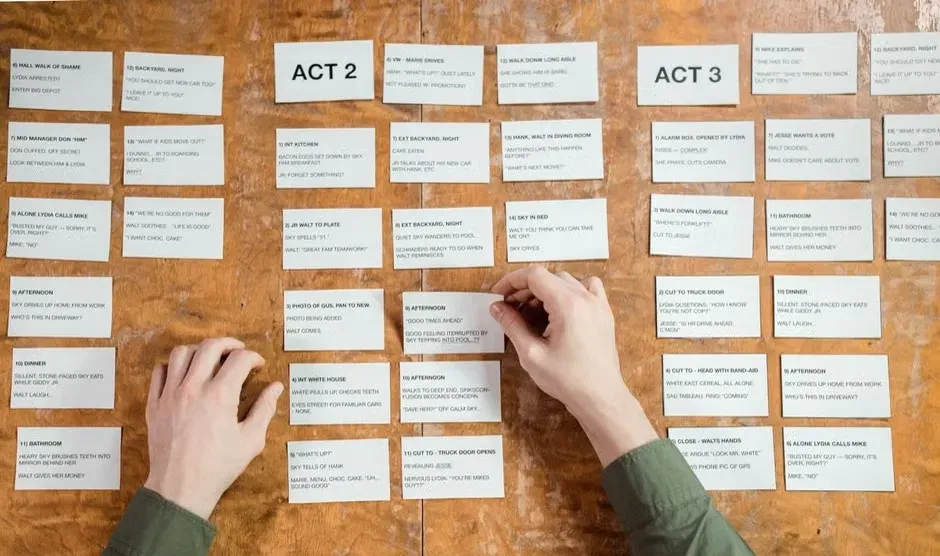
Hitchcock worked closely with screenwriters, and he reportedly cared as much about what the audience would see as what the characters would say. His wife, Alma Reville, was a trusted collaborator on scripts and continuity, and he relied on her judgment throughout his career.
Dialogue scenes were mapped visually alongside the written pages. The aim was to treat the screenplay as a description of images, not simply a transcript of speech.
Storyboards as a Working Tool

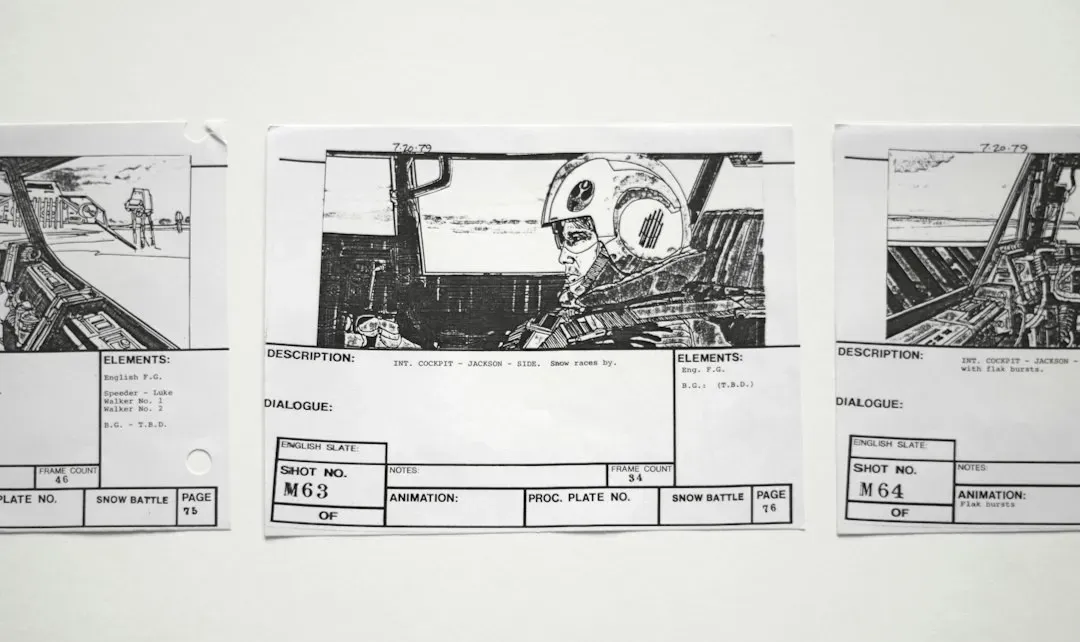
For key sequences, Hitchcock used storyboards, a series of drawn panels that show each camera setup in order. He worked with several artists over the decades, and the drawings let him test how a scene would flow before the expense of building sets and hiring crews.
Harold Michelson, for example, is credited with storyboarding work on The Birds and Marnie. Boards like these helped the cast and crew understand exactly what each shot was meant to accomplish.
Saul Bass and the Shower Scene

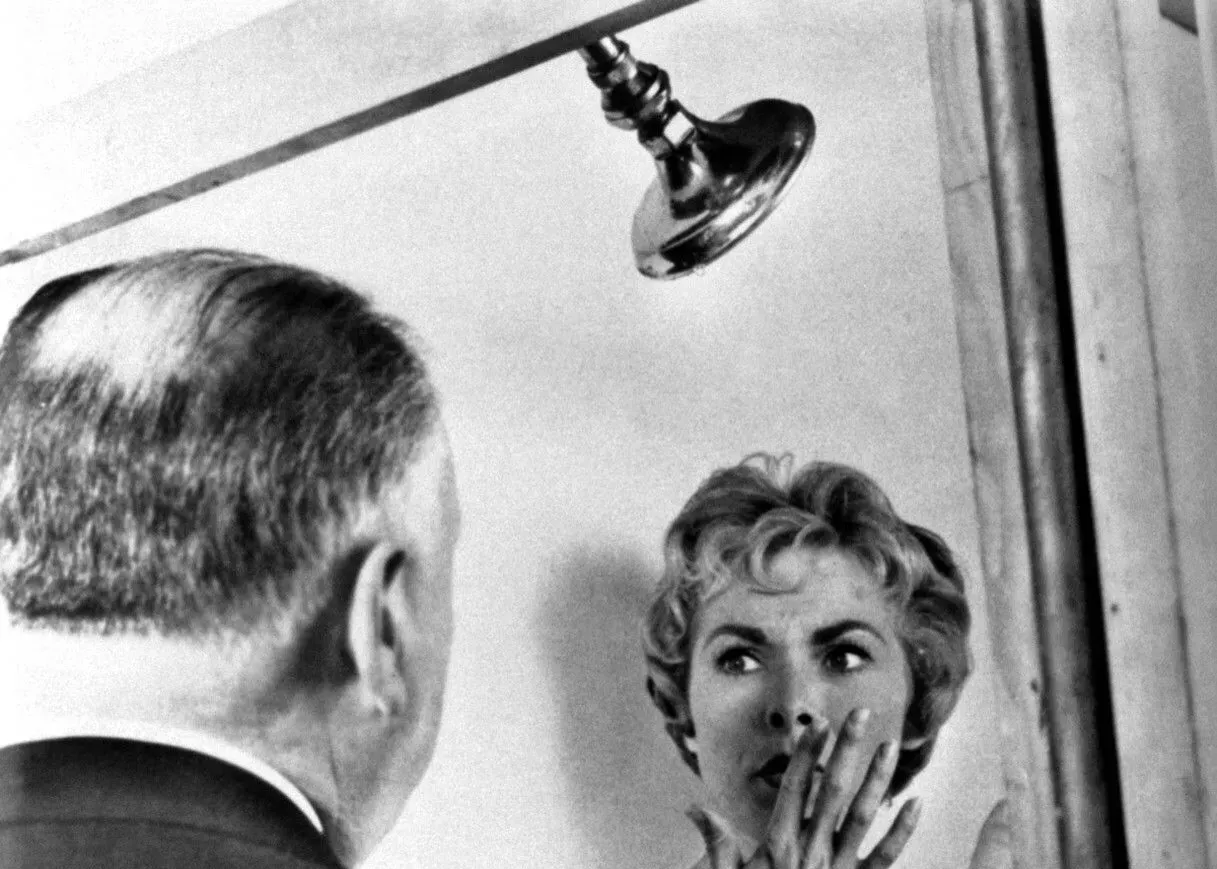
Saul Bass designed the title sequences for Vertigo, North by Northwest and Psycho, and he served as a visual consultant on Psycho. He also produced storyboards for the famous shower murder scene.
Bass later claimed a larger role in directing that scene, and Hitchcock’s account differed. Historians generally treat Hitchcock as the director, while acknowledging how much the planning drew on Bass’s drawings. The finished sequence is commonly described as running for roughly a minute, with dozens of camera setups and dozens of cuts.
Partner offer

Designing Sets Around the Camera

Hitchcock built sets with the camera in mind, which is easier when the shots are already decided. For Rear Window, Paramount constructed an enormous courtyard set, and the whole film was staged around what one character could see from a single apartment window.
North by Northwest tells a similar story. Production designer Robert Boyle worked with Hitchcock on sequences such as the crop duster chase and the scenes set around Mount Rushmore, where the settings had to serve precise camera ideas.
Cutting the Film in His Head

In his long interview book with François Truffaut, published in 1966, Hitchcock described how he preferred to have the film worked out in advance. The shooting itself, by his account, was almost an execution of something already finished in his mind.
That attitude shaped how he used the editing room. He shot what he needed and little else, so producers had few alternative takes to rework the picture, a point often noted in accounts of his battles with David O. Selznick during Rebecca in 1940.
Why Tight Planning Suited His Suspense

Suspense depends on timing, and timing depends on knowing what the viewer sees and when. By deciding the order of shots beforehand, Hitchcock could control how much information the audience received at each moment.
He also explained the logic through the way a cut shapes meaning, tying a face to a glance and then to the thing being looked at. Rear Window is a clear example, built almost entirely on that pattern of looking and reacting.
When the Plan Met the Set

Planning did not mean rigidity in every case. Rope, released in 1948, was designed to look like a few long continuous takes, and that required careful rehearsal of camera and actor movement because film magazines could only hold roughly ten minutes of footage.
Even on films with detailed boards, practical problems on location or with performers led to adjustments. What stayed consistent was the preparation, which gave him a firm structure to adapt from.
Where the Drawings Are Kept

Material from Hitchcock’s working process survives in archives, with the Margaret Herrick Library in Los Angeles holding Alfred Hitchcock papers that include scripts and production records. Researchers use these collections to see how his ideas moved from page to image.
Exhibitions and film books continue to use his storyboards as teaching examples, since they show the link between a drawing and the final frame so plainly. For a director who treated each shot as a decision, those panels are the clearest record of the thinking behind it.
Partner offer
Planning a trip to Vegas?
Compare hotel rates and show tickets on VEGAS.com.


