Something quietly extraordinary is happening to the global economy right now. The rules of wealth creation, the ones your parents and grandparents lived by, are being rewritten in real time. It is not just about robots on factory floors anymore. It goes far deeper than that.
From the concentration of billionaire fortunes to the slow erosion of middle-class job security, automation is redrawing the map of who gets rich and who gets left behind. If you think this is a story only relevant to tech workers or investors, think again. Let’s dive in.
The Automation Wave Is Already Here, Not Coming

People keep talking about automation as a threat. Here’s the thing: it already arrived. As of 2025, automation technologies, particularly artificial intelligence and robotics, have significantly altered the U.S. class structure, inequality, and labor markets, with labor force participation rates for prime-age workers without a college degree declining to 82.3% from 88.6% in 1990, reflecting displacement in routine occupations.
The adoption of automation has progressed rapidly, with roughly one in four U.S. firms now reporting AI integration in core processes, up from just one in twenty in 2015, according to McKinsey Global Institute data. That is a fivefold increase in about a decade. Think about that like water rising in a room, slow at first, then suddenly over your head.
According to IBM, a notable 77% of businesses are already integrating AI into their operations or actively exploring its implementation, with 35% having fully integrated it and an additional 42% in the process of exploring its adoption. This is no longer an experiment. It is infrastructure.
Who’s Getting Richer, and How Fast

Let’s be real about where the money is going. The AI boom is quickly becoming the largest wealth creation spree in recent history, with AI startups minting dozens of new billionaires, and the combined soaring stock prices of Nvidia, Meta, Microsoft and other AI-related firms creating personal wealth on a scale that makes previous tech waves look like warmups.
Over the course of 2025, at least 20 billionaires made nearly $500 billion in additional profits thanks to their investments in AI alone, per a recent Forbes report. That is not a typo. Half a trillion dollars flowing to just twenty people, in a single year. Analysts estimate that AI-linked ventures helped mint more than 50 new billionaires in 2025, adding hundreds of billions of dollars to tech-sector net worth.
UBS notes global billionaire wealth hit a record $15.8 trillion, with tech gains dominant. Meanwhile, the vast majority of workers are watching this spectacle from the outside. The contrast is, honestly, hard to ignore.
Capital Concentration and the New Power Structure

AI-driven automation enables companies to scale with leaner teams and smarter systems. While this dramatically improves operating margins, it also concentrates value among capital owners. AI wealth creation does not simply expand economic output; it redistributes influence toward those who control intelligent infrastructure, proprietary data, and advanced computing power.
In 2023, the United States alone secured $67.2 billion in AI-related private investments, which was nearly nine times more than China, the second-highest country. This concentration of capital allows the U.S. to lead in AI innovation, producing 61 notable AI models in that year alone.
In 2025, AI startups captured nearly half of global venture capital funding, up from about a third in 2024, with total sector investment reaching $202.3 billion, and the U.S. accounting for 79% of that figure at $159 billion. Power and money are flowing into very few hands in very few zip codes.
The Inequality Engine: Wages, Jobs, and the Widening Gap

Here is a fact that should stop you cold. Over the last four decades, the income gap between more- and less-educated workers has grown significantly, and research finds that automation accounts for more than half of that increase. Think of it as a silent tax on anyone without specialized skills, paid decade after decade.
AI is likely to increase inequality through at least two mechanisms: in the near term, AI-driven productivity boosts could be skewed towards high-income workers, leaving lower-wage workers behind; and in the slightly longer term, AI-driven labor automation could increase the share of income going to capital at the expense of the labor share.
Research isolates a key mechanism: automation increases inequality via returns to wealth. The flip side of such return movements is that automation is more likely to lead to stagnant wages and therefore stagnant incomes at the bottom of the distribution. In plain terms, if you own assets, automation makes you richer. If you sell your time, it makes you poorer relative to everyone else.
Job Losses, Job Gains, and the Net Reality

The World Economic Forum’s of Jobs Report 2025 reveals that job disruption will equate to 22% of jobs by 2030, with 170 million new roles set to be created and 92 million displaced, resulting in a net increase of 78 million jobs. Sounds promising on paper. The math, however, hides a brutal reality about who gets what.
Altogether, AI created about 119,900 direct jobs in 2024. In contrast, outplacement firm Challenger, Gray, and Christmas estimates that approximately 12,700 jobs were lost due to AI in 2024, far less than the number created by the technology. Optimists point to this balance. Skeptics note the new jobs require entirely different skills than the ones being eliminated.
Net employment effects show a mixed picture: while automation eliminated approximately 1.7 million manufacturing jobs between 2000 and 2020, it generated 2.8 million positions in technology and healthcare services. Growth, yes. But not for the same people in the same places. A 52-year-old factory worker in Michigan cannot simply become a machine learning engineer in San Francisco overnight.
The White-Collar Shock Nobody Saw Coming
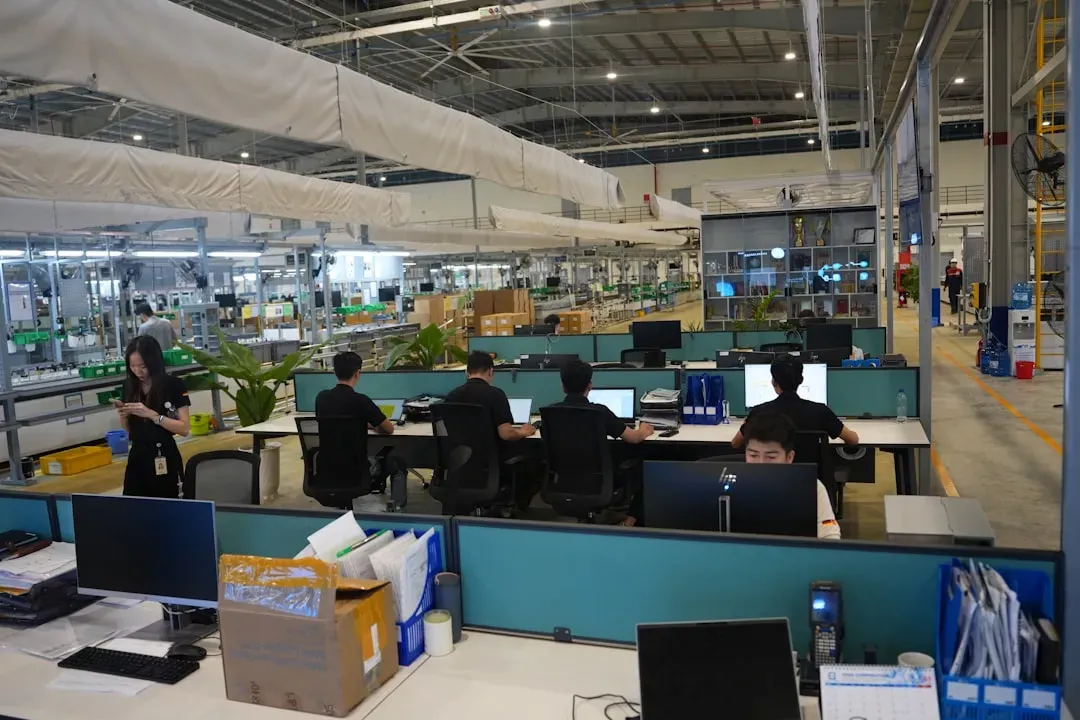
I think a lot of people assumed automation would eat manual work first. They were wrong. Occupations with higher risk of being displaced by AI include computer programmers, accountants and auditors, legal and administrative assistants, and customer service representatives. These are office jobs, educated jobs, jobs people went into debt to train for.
According to the World Economic Forum’s 2025 of Jobs Report, 41% of employers worldwide intend to reduce their workforce in the next five years due to AI automation. Nearly half of all global employers are already planning reductions. That number deserves far more attention than it gets. Businesses expect sharp falls in roles including cashiers, ticket clerks, administrative assistants, printing workers, and accountants and auditors.
Customer service employment in the United States declined by approximately 80,000 positions between 2022 and 2024, with benchmarks for AI in customer service consistently showing rapid improvements in capability contributing to this shift. The robots did not show up at the factory gate. They showed up in the call center, the accounting department, and the legal research team.
The Reskilling Gap: A Race Against Time
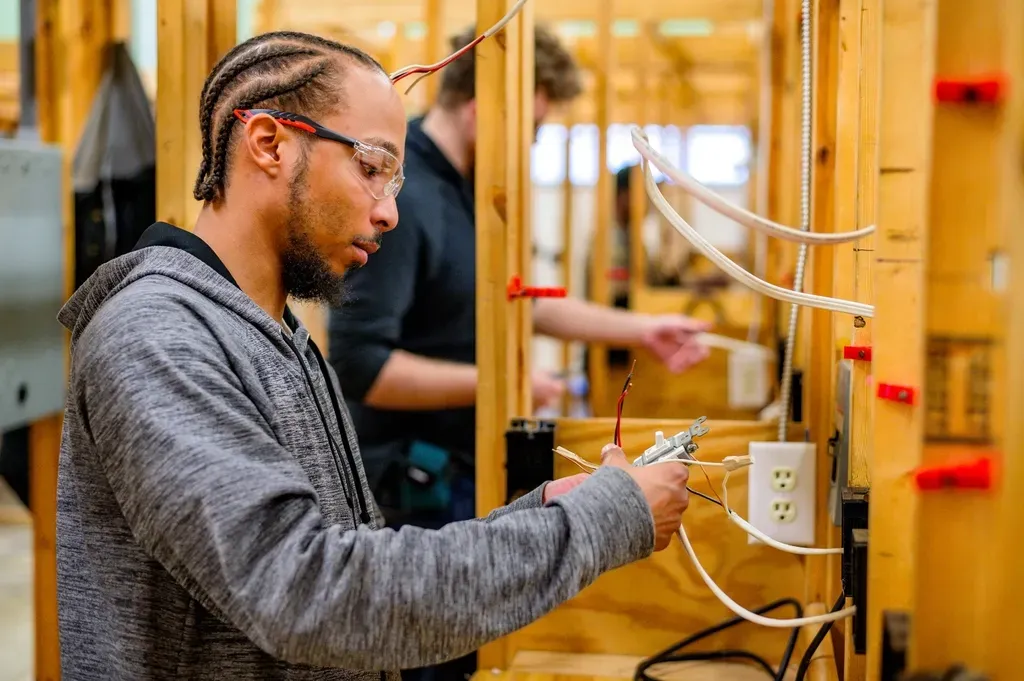
If the global workforce were represented by a group of 100 people, 59 are projected to require reskilling or upskilling by 2030, with 11 of whom unlikely to receive it, translating to over 120 million workers at medium-term risk of redundancy. Over a hundred million people. That is not an abstraction. That is families, mortgages, and retirement savings.
The WEF of Jobs Report finds that 39% of workers’ key skills are expected to change by 2030 and technological skills are projected to grow in importance more rapidly than any others, making continuous learning, upskilling, and reskilling programs an ongoing priority for employers.
Skill gaps are the biggest barrier to workforce transformation, cited by 63% of employers. Diversity, equity, and inclusion initiatives have surged, with 83% of companies implementing such programs in 2025, compared to 67% in 2023. The will to adapt exists, even if the path forward is unclear for millions of workers.
Global Inequality: Rich Nations Pull Further Ahead

It is not just happening within countries. The gap between nations is widening too. High-income countries, along with wealthier developing nations, hold a distinct advantage in capturing economic value from AI thanks to superior digital infrastructure, abundant AI development resources, and advanced data systems.
AI could reinforce the dominance of wealthier nations in high-value sectors like finance, pharmaceuticals, advanced manufacturing, and defense. As richer countries use AI to enhance productivity and innovation, it becomes harder for poorer countries to penetrate these markets. The ladder is being pulled up, even if nobody intends it consciously.
Automation in manufacturing, logistics, and quality control enables wealthier nations to produce goods more efficiently, reducing the need for low-wage foreign workers. This shift may allow richer countries to outcompete on cost, speed, and product desirability. Developing economies built their growth strategies on being the world’s low-cost labor suppliers. That entire model is now under siege.
The Geography of New Wealth: Where Money Clusters

Wealth from automation is not just concentrating in fewer hands. It is concentrating in fewer places. San Francisco now has more billionaires than New York, with 82 compared with New York’s 66, according to New World Wealth and Henley and Partners, and the Bay Area’s millionaire population has doubled over the past decade.
More homes sold above $20 million in San Francisco last year than in any other year in history, according to Sotheby’s International Realty, with rising rents, home prices, and demand in the city attributed in large part to AI. It is astonishing, when you think about it, that a technology meant to benefit all of humanity is physically centralizing its rewards into a handful of city blocks.
In the first half of 2025 alone, AI-related investments contributed 1.1% to U.S. GDP growth, surpassing the consumer sector as a growth engine, with data center construction hitting a record $40 billion annual rate in June 2025, up 30% year-over-year. The infrastructure of the is being built fast, and its economic aftershocks ripple outward unevenly.
What the of Wealth Actually Looks Like

It’s hard to say for sure what the next decade looks like, but the data gives us strong signals. By 2030, only about a third of tasks will be performed solely by humans, down from nearly half today, with automation handling 34% of work and human-machine collaboration increasing to 33%. Work itself is being restructured at its foundation.
Goldman Sachs economists estimate that generative AI will raise the level of labor productivity in the U.S. and other developed markets by around 15% when fully adopted and incorporated into regular production. That productivity gain is real and significant. The question is not whether the pie grows. The question is who gets the slices.
McKinsey Global Institute says that at the global average level of AI adoption and absorption, AI has the potential to deliver additional global economic activity of around $13 trillion and by 2030, or about 16% higher cumulative GDP compared with today. The scale of that potential is almost incomprehensible. Whether it flows broadly or pools at the top may be the defining economic question of the coming generation.
Conclusion
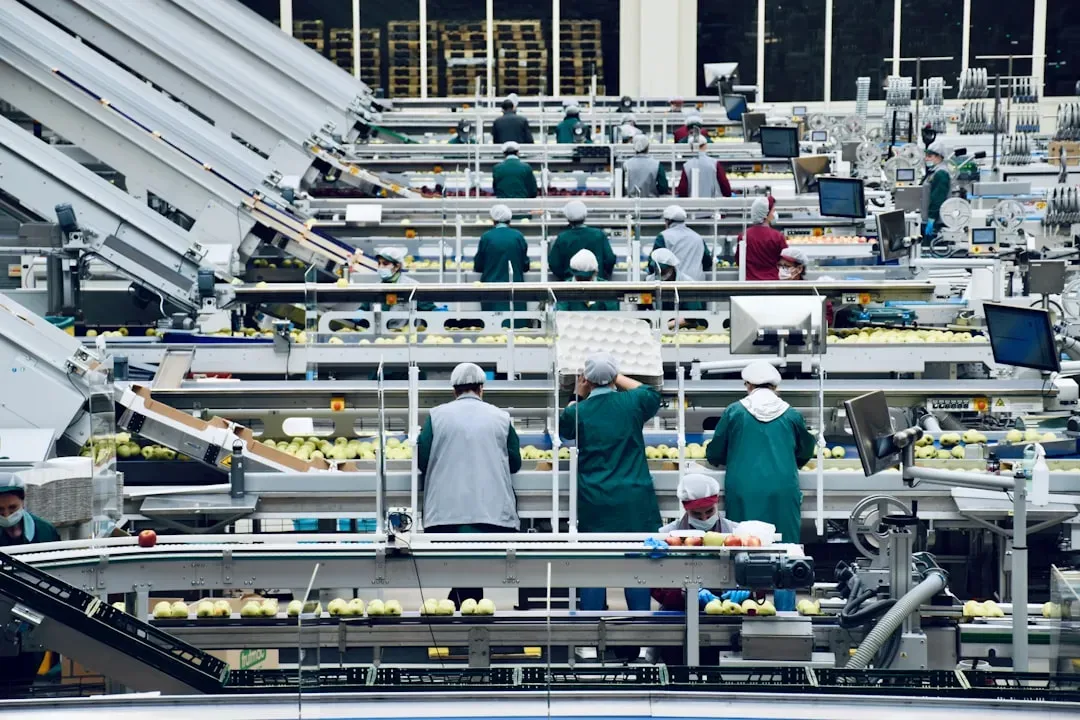
Automation is not some neutral force acting on the economy from outside. It is a tool, and like all tools, where it lands depends entirely on who holds it. Right now, the evidence is clear: wealth is moving toward those who own the technology, those who build it, those who finance it, and the nations that host it.
The structural changes are already baked in. Over a hundred million workers face the need to reskill. Wages at the bottom are stagnating while capital returns soar. Billionaires are being minted at a pace the world has never seen before. None of this is hidden. It is unfolding in quarterly earnings reports, in WEF research, in MIT papers, and on the streets of San Francisco.
The real question is not whether automation will reshape wealth. It already is. The question is whether societies will choose to share that transformation or simply let it run its course. What do you think should happen? Leave your thoughts in the comments below.