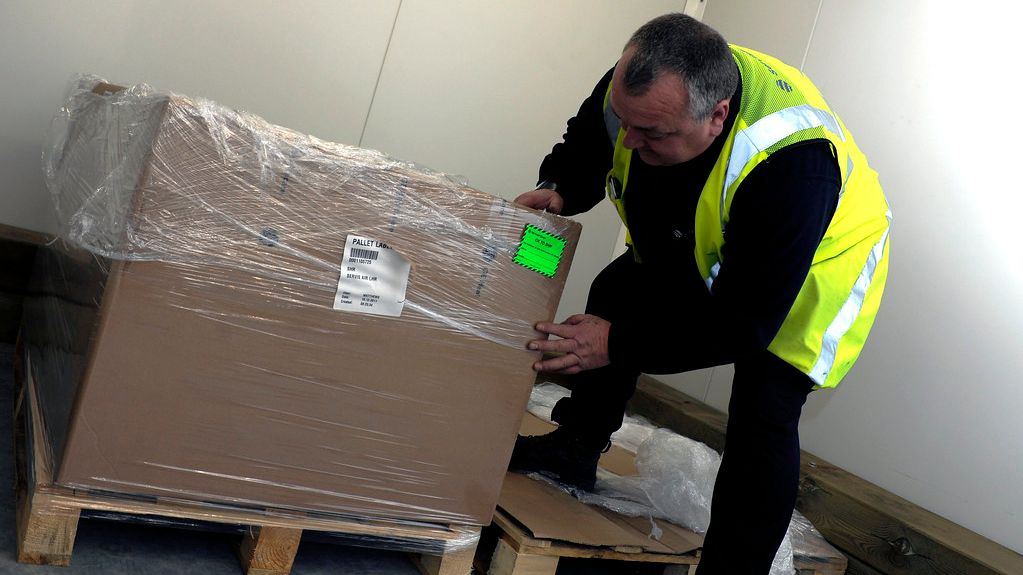

LAPD says surge in multimillion-dollar cargo thefts is driving up consumer prices – Image for illustrative purposes only (Image credits: Flickr)
Los Angeles has emerged as a central hub for organized cargo theft activity, according to the Los Angeles Police Department. Officials report a clear rise in multimillion-dollar incidents that target shipments moving through the region. These losses are being passed along in the form of higher prices for everyday goods. The department’s Cargo Theft Task Force has been granted focused resources to examine the pattern and its wider effects.
The Scope of Recent Cargo Theft Activity
Authorities describe the current wave of thefts as an epidemic that stands out even in a city accustomed to large-scale logistics operations. Groups appear to be selecting high-value loads with increasing precision, often striking at warehouses, rail yards, and truck routes that serve major distribution networks. The result is repeated multimillion-dollar hits that disrupt supply chains and create immediate shortfalls for retailers.
Investigators note that the thefts are not isolated events but part of a coordinated effort that exploits the volume of goods moving through Southern California ports and highways. Each successful operation removes substantial inventory from circulation, forcing companies to absorb or transfer the financial impact. This pattern has drawn sustained attention from the specialized task force tasked with tracking and interrupting the activity.
Direct Effects on Consumer Pricing
Businesses facing repeated losses from cargo thefts have little choice but to adjust their pricing structures. When shipments disappear, replacement costs rise, and those increases eventually reach store shelves and online listings. Shoppers in the Los Angeles area are therefore encountering higher prices on a range of products that rely on the same transportation corridors.
The connection between theft and inflation is straightforward in the view of law enforcement. Every stolen container represents money that must be recovered somewhere in the supply chain, and that recovery often occurs through elevated markups. Consumers ultimately bear a portion of the burden without realizing the original source of the added expense.
LAPD Task Force Operations and Response
The Cargo Theft Task Force operates with dedicated personnel who focus exclusively on these cases. Their work includes monitoring known theft patterns, coordinating with port and rail security teams, and pursuing leads that connect individual incidents to larger criminal networks. The unit has received exclusive media access to outline how the thefts are organized and why the Los Angeles region remains a primary target.
Task force members emphasize that prevention requires both enforcement and cooperation from the logistics industry. Companies are being encouraged to strengthen tracking systems and secure staging areas, while investigators continue to build cases that can lead to arrests and asset seizures. These combined steps aim to reduce the frequency of successful thefts over time.
Key points on the current situation:
- Multimillion-dollar cargo thefts have increased in the Los Angeles area.
- Business losses are contributing to higher consumer prices.
- A dedicated LAPD task force is leading the investigative response.
- Supply chain disruptions affect retailers and shoppers alike.
Looking Ahead for Regional Supply Chains
Continued vigilance by the task force and its partners is expected to shape how cargo theft is managed in the coming months. Industry participants are watching for signs that enforcement actions are reducing the scale of operations. Any measurable decline would ease pressure on pricing and restore greater stability to the movement of goods.
The broader challenge remains one of balancing efficient commerce with effective security. Los Angeles continues to serve as a critical gateway for national distribution, which means the outcome of current efforts will influence costs far beyond the immediate region.