Close your eyes for a moment and think about the most memorable movie scenes you’ve ever watched. Chances are, you’re not just seeing the visuals. You’re hearing the music. That sweeping orchestral moment when the hero finally wins. The tense, building strings before something terrible happens. The gentle piano notes during a heartbreaking goodbye. have this incredible power to make us feel things we didn’t even know we could feel while watching flickering images on a screen.
Here’s the thing though. None of this happened by accident. Modern film composers didn’t just wake up one day and decide to use orchestras. They borrowed, learned from, and were directly inspired by centuries of classical music tradition. The connection runs so deep that sometimes it’s hard to tell where classical composition ends and film scoring begins. Let’s dive in.
The Birth of Film Scoring Drew Directly from Opera Traditions
When silent films first needed musical accompaniment, composers didn’t have to reinvent the wheel. They looked straight at opera. Opera had been pairing music with drama for hundreds of years, and it already had all the tools needed. The idea of a leitmotif, a recurring musical theme tied to a character or idea, came right from Richard Wagner’s operas. He used specific melodies to represent characters, emotions, and concepts throughout his massive works.
Early film composers grabbed this technique and ran with it. Why? Because it worked. When you hear Darth Vader’s theme in Star Wars, you instantly know who’s about to appear. That’s Wagner’s influence, pure and simple. Cinema just transplanted what opera had perfected on stage.
The emotional manipulation techniques were borrowed too. Opera composers knew exactly how to make an audience cry, gasp, or lean forward in anticipation. Film composers studied these same tricks and applied them to moving pictures.
Romantic Era Composers Taught Film Music How to Feel
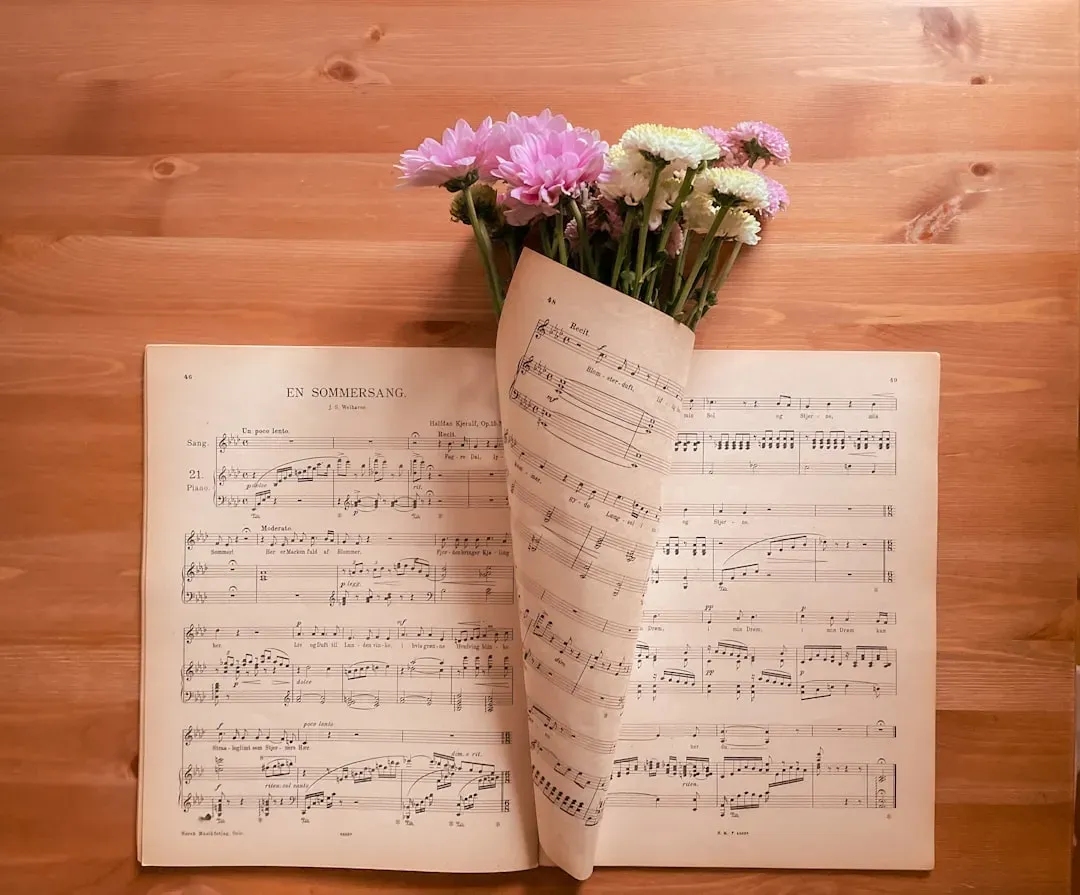
The Romantic period in classical music, roughly from 1800 to 1900, was all about emotion. Composers like Tchaikovsky, Brahms, and Mahler wrote music that could express longing, passion, despair, and triumph without a single word. Their orchestral works were basically emotional rollercoasters.
Film composers absorbed this approach completely. They learned that a solo violin could convey loneliness. That brass instruments could signal heroism or danger. That a full orchestra building to a crescendo could make your heart race. John Williams, probably the most famous film composer alive, has openly talked about how much he studied Romantic composers. Listen to the sweeping themes in E.T. or Schindler’s List. The DNA of Romantic era music is right there.
The orchestration techniques matter too. Romantic composers figured out how to blend dozens of instruments into a cohesive emotional statement. use the exact same orchestral palette and blending methods. It’s essentially the same toolkit, just applied to different stories.
Stravinsky’s Rhythmic Innovations Changed Action Sequences Forever
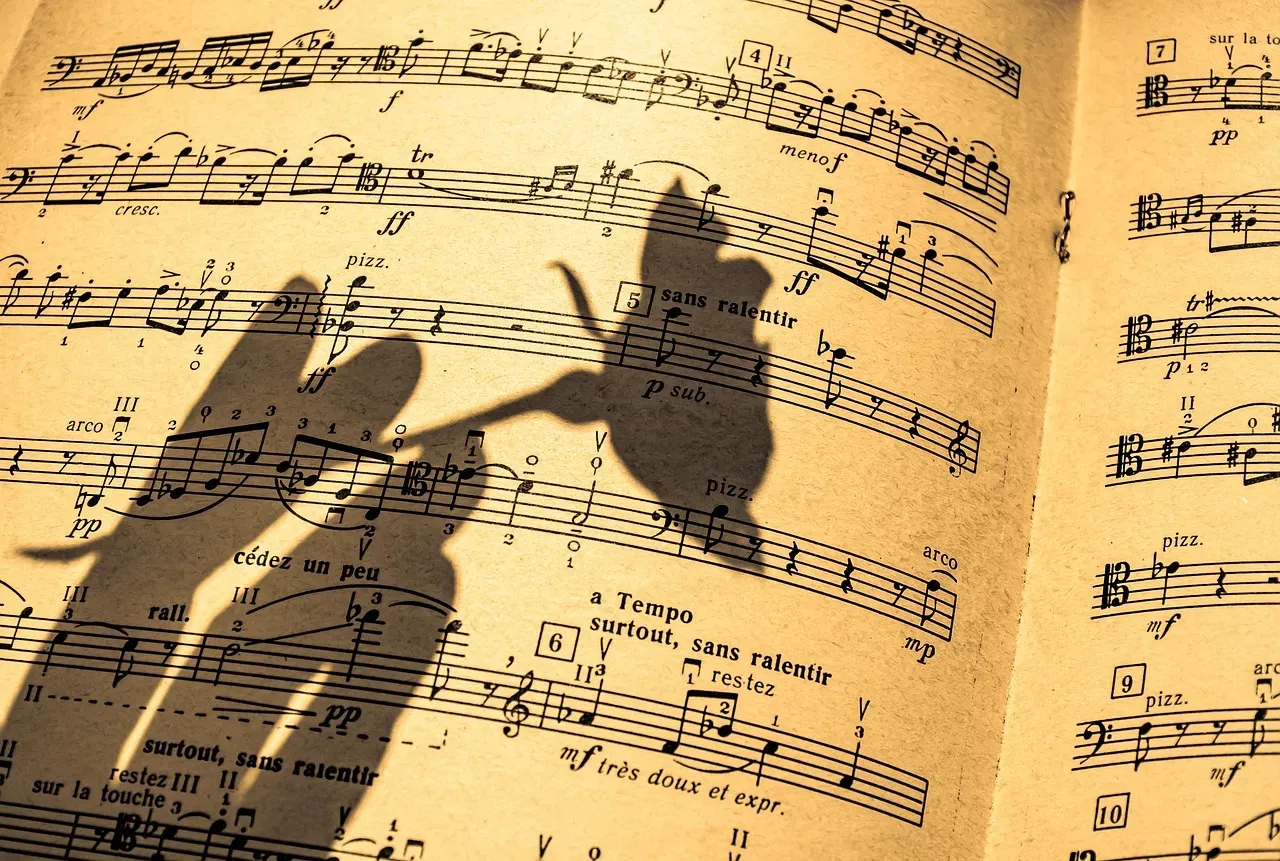
Igor Stravinsky wasn’t interested in pretty melodies. He wanted to shake things up. His 1913 ballet “The Rite of Spring” literally caused a riot at its premiere because the rhythms were so aggressive and unconventional. He used irregular meters, sudden accents, and driving repetitive patterns that felt primal and intense.
Fast forward to modern action films. Those pounding, relentless rhythms during chase scenes? That’s Stravinsky’s legacy. Composers learned from him that rhythm could create tension and excitement just as much as melody. The aggressive, almost violent percussion in scores like The Dark Knight or Mad Max: Fury Road owes everything to Stravinsky’s willingness to break the rules.
Hans Zimmer has mentioned Stravinsky as a major influence. The driving ostinatos, those repeated musical patterns, in films like Inception come straight from early 20th-century classical experimentation. Stravinsky showed that music didn’t always have to be beautiful. Sometimes it needed to be raw and powerful.
Bernard Herrmann Built a Bridge Between Concert Hall and Cinema
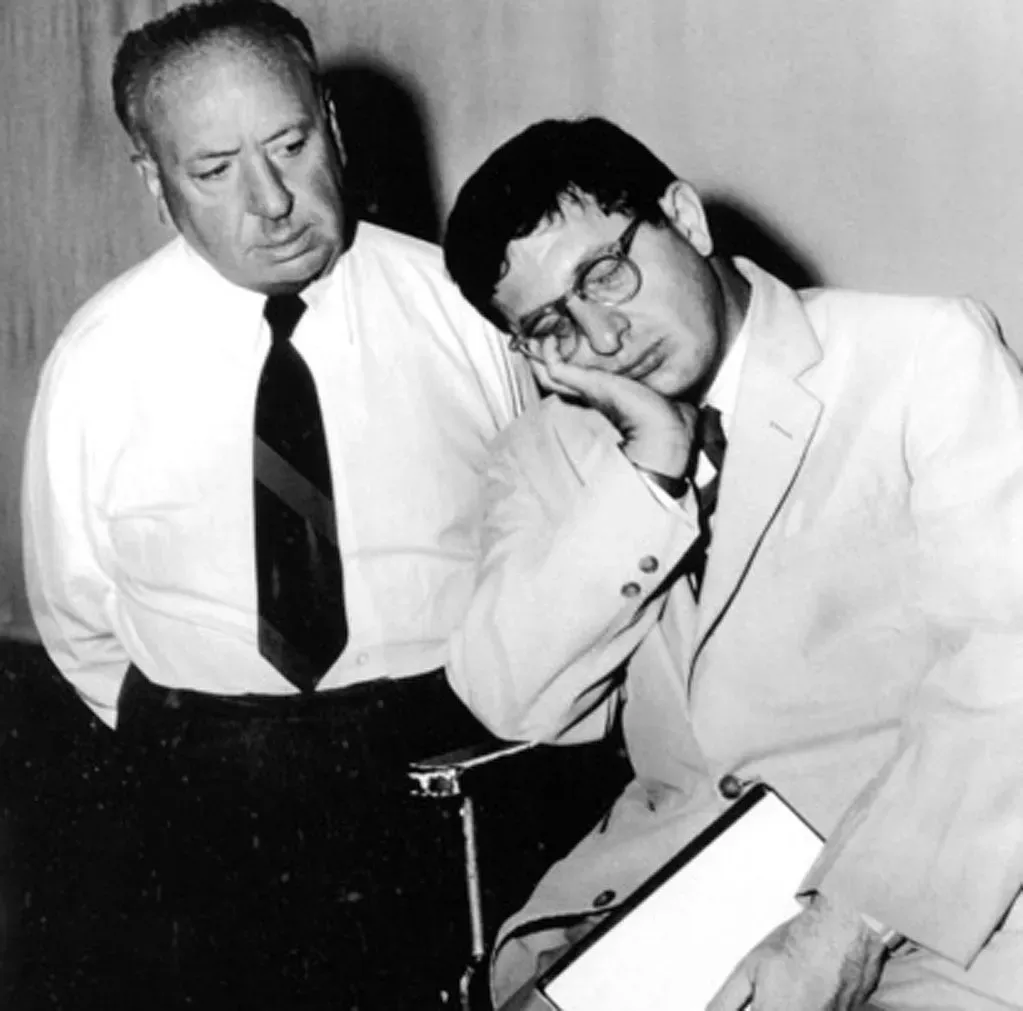
Bernard Herrmann deserves his own section because he literally was the bridge. He was a trained classical conductor who became one of cinema’s greatest composers. His score for Psycho in 1960 is still studied today. That shrieking violin moment in the shower scene? It borrowed techniques from modernist classical composers who experimented with dissonance and atonality.
Herrmann understood both worlds completely. He knew Mahler, Debussy, and Schoenberg inside and out. Then he applied their harmonic language to film. His collaboration with Hitchcock produced some of the most psychologically complex film music ever written. Vertigo’s swirling, dreamlike score uses orchestration techniques directly from Impressionist classical composers.
What made Herrmann brilliant was that he never dumbed things down. He brought serious compositional techniques to popular cinema. Other film composers watched what he did and realized they could be ambitious too. The idea that film music could be artistically sophisticated started largely with him.
Minimalism Brought a New Hypnotic Quality to Film
Classical minimalism, pioneered by composers like Philip Glass and Steve Reich, emerged in the 1960s and 70s. It featured repetitive patterns, gradual changes, and hypnotic, trance-like qualities. At first, it seemed too experimental for mainstream film.
Then composers realized its potential. The repetitive patterns created tension beautifully. The gradual evolution of musical ideas could mirror a character’s psychological journey. Philip Glass himself scored several films, including The Hours and Koyaanisqatsi, bringing minimalism directly into cinema.
Other composers borrowed the approach. Hans Zimmer’s score for Dunkirk uses minimalist techniques to create relentless anxiety. The ticking clock motif that runs throughout the film is pure minimalism. Same with the Shepard tone effect that makes the music seem to constantly rise in pitch. These techniques came from experimental classical composition but found a perfect home in film.
Minimalism also influenced electronic film scores. The repetitive patterns work whether you’re using an orchestra or synthesizers. It’s become one of the most versatile classical influences in modern scoring.
Debussy’s Impressionism Painted Cinematic Atmospheres
Claude Debussy didn’t write straightforward melodies. He created moods and atmospheres. His music was all about color, texture, and suggestion rather than direct statement. Pieces like “Prelude to the Afternoon of a Faun” shimmered with ambiguity and dreamy beauty.
Film composers grabbed onto this approach when they needed to create atmosphere without being too obvious. Those moments in films where the music just hovers in the background, creating a mood without drawing attention to itself? That’s Impressionism’s influence. It taught composers that sometimes the music’s job is to paint the emotional temperature of a scene rather than make a bold statement.
Joe Hisaishi, who scores most of Hayao Miyazaki’s animated films, uses Impressionist techniques constantly. His music for My Neighbor Totoro and Spirited Away has that same floating, magical quality that Debussy pioneered. The harmonies are colorful and ambiguous. The orchestration is about texture and atmosphere.
Contemporary composers scoring fantasy and science fiction films lean on Impressionism heavily. It’s perfect for creating otherworldly feelings. When you need music that sounds like a dream or another dimension, you reach for the tools Debussy invented.
Modernist Techniques Gave Horror and Thriller Scores Their Edge
20th-century classical composers like Arnold Schoenberg, Alban Berg, and Krzysztof Penderecki explored atonality, dissonance, and experimental sounds. Their music often sounded unsettling, anxious, even frightening. Concert audiences sometimes hated it. Film composers saw opportunity.
Horror films especially embraced these techniques. Penderecki’s “Threnody for the Victims of Hiroshima,” which uses violins to create shrieking, grinding textures, was used in The Shining. The use of tone clusters, where you play notes that are right next to each other to create harsh dissonance, became standard in horror scoring.
These techniques work because they create instinctive unease. Our brains are wired to find atonal, dissonant sounds disturbing. Classical modernists explored these sounds as artistic experiments. Film composers weaponized them to scare audiences.
Even non-horror films use these techniques now. Anytime a score needs to create anxiety, psychological distress, or moral ambiguity, composers reach for modernist tools. The Joker’s theme in The Dark Knight uses plenty of dissonance and atonality to represent his chaotic nature.
The Orchestra Itself Is Classical Music’s Most Obvious Gift
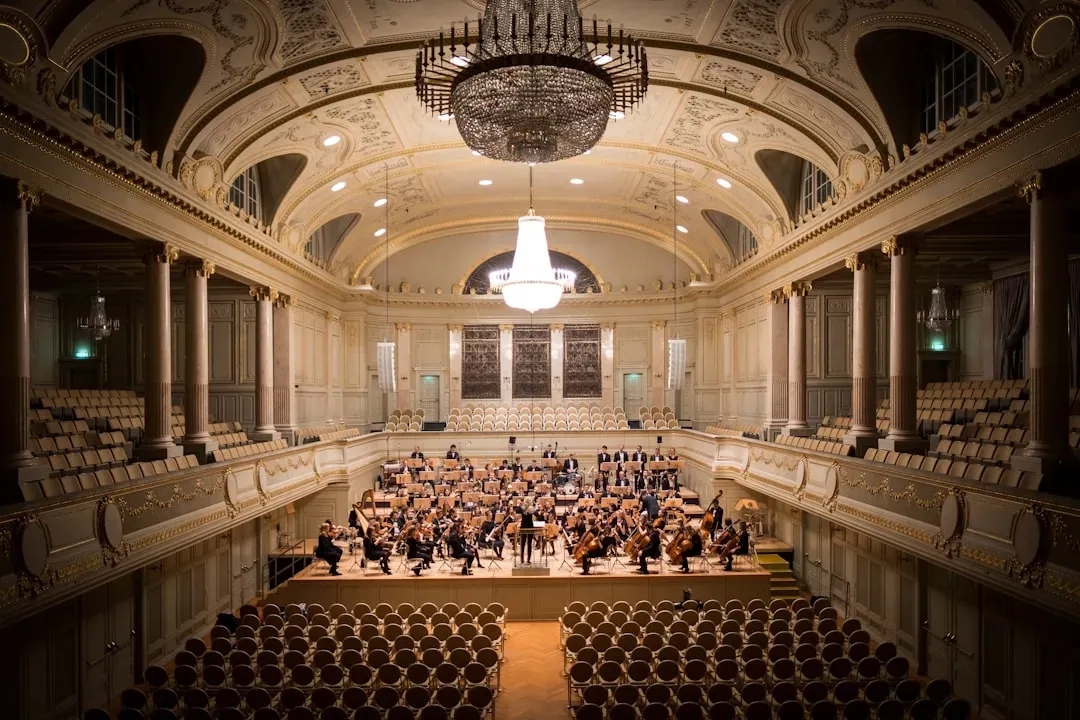
Let’s be real about something simple. The standard symphony orchestra that plays most film scores is a classical music invention. The specific combination of strings, woodwinds, brass, and percussion was refined over centuries of classical composition. The seating arrangement. The balance between sections. The way instruments blend. All of it came from the concert hall.
Film composers didn’t have to invent a new ensemble. They inherited a perfectly balanced instrument capable of incredible emotional range. A full symphony orchestra can whisper or roar. It can sound intimate or massive. It can represent any emotion or situation. Classical composers spent generations perfecting this tool.
Sure, sometimes add electric guitars, synthesizers, or ethnic instruments. But the foundation remains the classical orchestra. Even hybrid scores that mix electronics with acoustic instruments usually keep the orchestra as the backbone. It’s simply too versatile and emotionally powerful to abandon.
The recording techniques for orchestras also came from classical music’s evolution. Microphone placement, the acoustics of recording spaces, how to balance the mix. All these things were worked out recording classical performances first, then applied to film music.
Beethoven’s Dramatic Architecture Influenced Score Structure
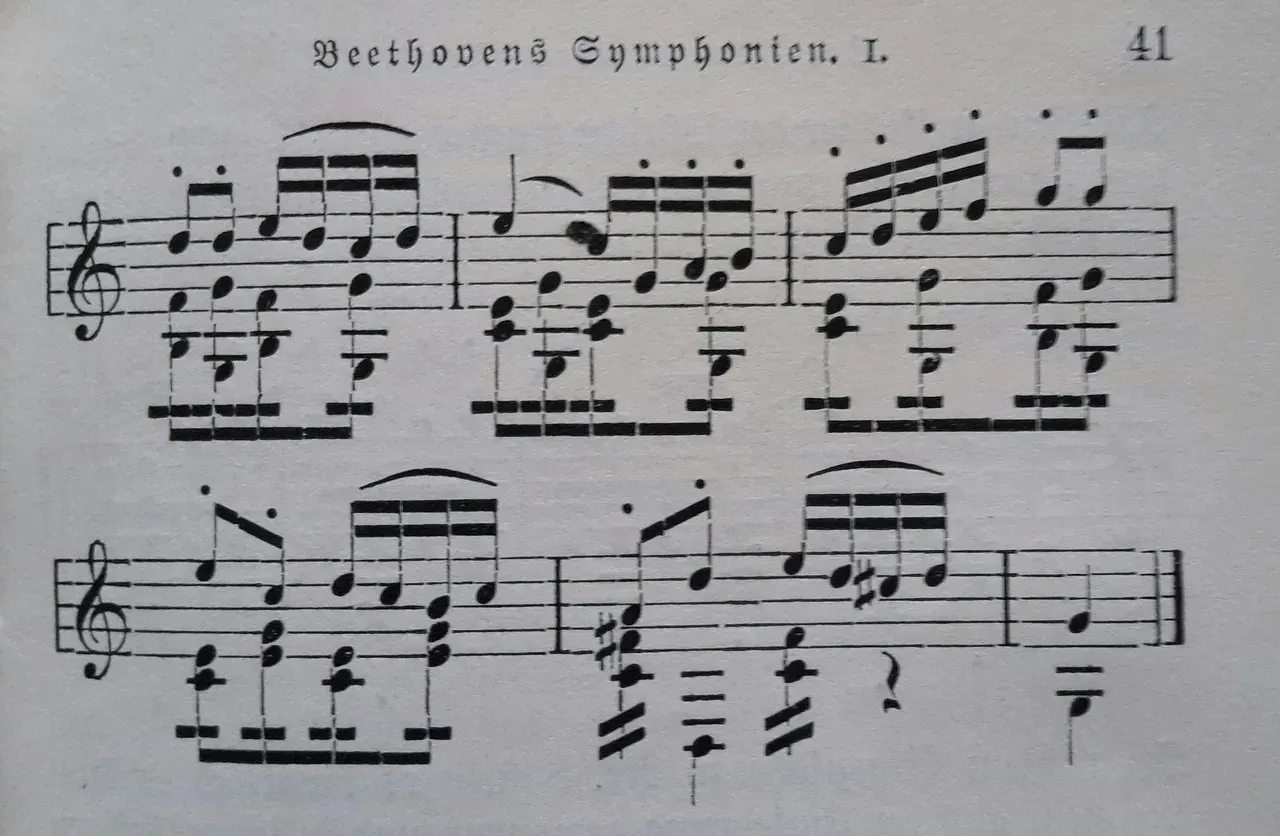
Beethoven revolutionized how musical pieces were structured. His symphonies weren’t just pretty tunes strung together. They had dramatic arcs, carefully planned climaxes, and a sense of inevitable progression. He built tension methodically, then released it at exactly the right moment. His Fifth Symphony is basically a 30-minute lesson in dramatic pacing.
Film composers study this like scripture. A good film score doesn’t just provide background music. It has to have its own dramatic architecture that supports and enhances the film’s narrative arc. The music needs to build and release tension in sync with the story. Beethoven showed how to do this with purely musical means.
Think about how a film score builds throughout a movie, reaching its peak emotional moment near the climax. That’s Beethoven’s influence. The idea that music should have dramatic momentum, that it should feel like it’s going somewhere important, came from him and his Romantic era successors.
Contemporary composers still use Beethoven’s techniques of motivic development too. Taking a small musical idea and transforming it throughout a piece. Returning to themes in new contexts. Creating musical callbacks that give a sense of cohesion. These are all strategies Beethoven pioneered that now feel essential to film scoring.
Mahler’s Epic Scale Made the Blockbuster Score Possible
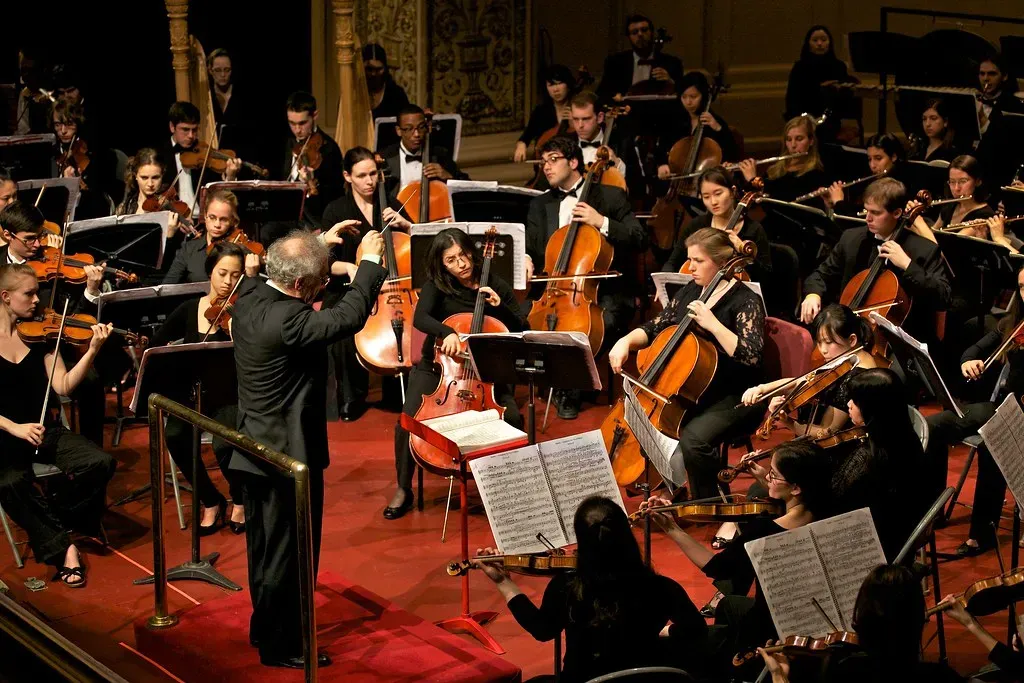
Gustav Mahler wrote absurdly ambitious symphonies. His Third Symphony lasts over 90 minutes. His Eighth Symphony requires a massive orchestra, multiple choirs, and hundreds of performers. He wasn’t interested in restraint. He wanted music that encompassed everything: life, death, nature, the universe. His famous quote was “A symphony must be like the world. It must contain everything.”
This epic ambition translated directly into blockbuster film scoring. John Williams’ approach to Star Wars, with its massive orchestral forces and grand melodic themes, is Mahler’s philosophy applied to space opera. The idea that music can and should be huge, that it should match the epic scope of the story, came from Mahler’s example.
Mahler also used massive dynamic range. His music could be incredibly soft and intimate one moment, then explosively loud the next. do this constantly, using the full dynamic spectrum to manipulate audience emotions. The quiet moment before the storm. The earth-shaking climax. Mahler wrote the playbook.
His orchestration was innovative too. He used instruments in unusual combinations and explored the extreme ranges of each instrument. Film composers learned from this that orchestral color matters just as much as melody and harmony. The specific sounds you choose, not just the notes, create meaning and emotion.