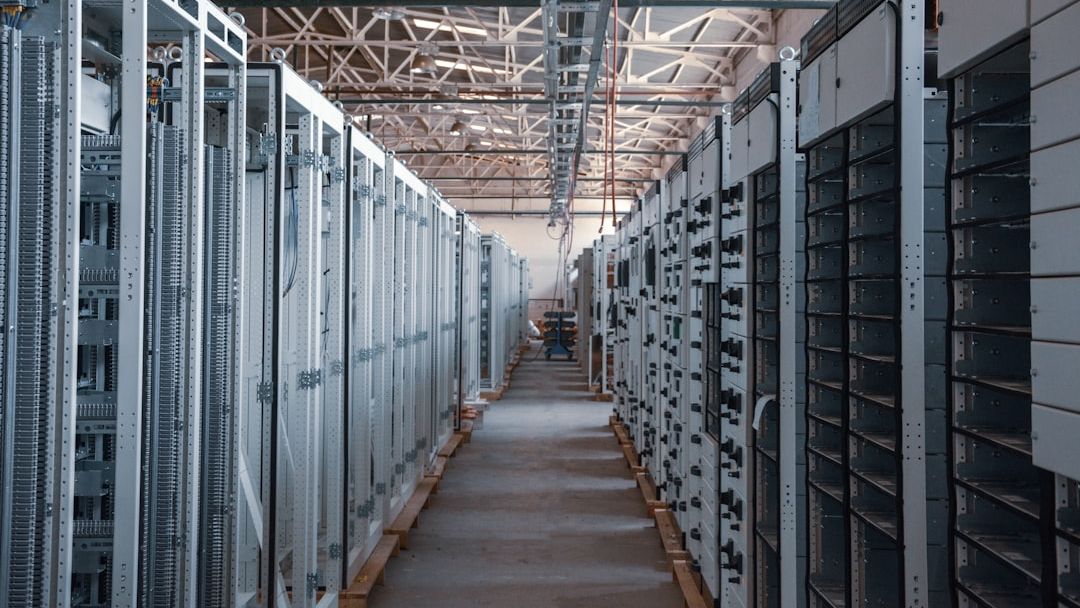
Why Data Centers Could Be Good for Your Hometown – Image for illustrative purposes only (Image credits: Unsplash)
Las Vegas – Across Nevada, communities are weighing the arrival of large-scale data centers as a potential driver of local growth. These facilities, which house the servers powering everything from cloud services to artificial intelligence, have drawn attention for their ability to deliver investment and infrastructure upgrades in areas that have long sought economic diversification. Recent developments in the Las Vegas region and nearby cities highlight how such projects can reshape small-town prospects without relying solely on tourism or traditional industries.
Job Creation and Workforce Development
Construction phases for data centers typically generate hundreds of temporary positions for electricians, technicians, and tradespeople, injecting immediate payroll into local economies. Once operational, the sites require ongoing roles in facility management, security, and maintenance, though these numbers remain modest compared with the build-out period. In Henderson, Google’s long-term presence has supported broader training initiatives that have reached more than 126,000 Nevadans through digital skills programs. These efforts help residents qualify for roles in emerging tech sectors and strengthen the regional labor pool. State officials note that such projects contribute to economic resilience by adding stable revenue streams that persist even when other industries face seasonal swings.
Partner offer
Tax Revenue and Infrastructure Gains
Data centers often qualify for property tax abatements that encourage companies to locate in Nevada, yet they still generate substantial payments to local governments over time. These funds support roads, utilities, and public services that benefit residents beyond the immediate facility footprint. Proponents point to annual economic impacts reaching billions of dollars statewide, with portions flowing directly to municipalities through sales and use taxes tied to construction and operations. In North Las Vegas, newer facilities incorporate water-free cooling systems that reduce strain on municipal resources while still contributing to the tax base. This balance allows communities to capture revenue without proportional increases in everyday service demands.
Energy Innovation and Long-Term Stability
Nevada’s abundant sunshine and access to renewable sources make the state attractive for data centers seeking sustainable power. Partnerships between operators and local utilities have introduced geothermal and other clean-energy projects that feed into the broader grid, benefiting households and businesses alike. Such developments diversify the energy mix and create pathways for additional investment in transmission infrastructure. Communities gain from the resulting reliability improvements, which can lower outage risks during peak demand periods. Over time, these facilities position smaller towns as players in the national digital economy rather than remaining on the sidelines.
Strategic Location Advantages
Proximity to major West Coast markets gives Nevada data centers a competitive edge for disaster recovery and low-latency services. Lower power costs and available land further reduce barriers for companies expanding westward. Local leaders in the Las Vegas area have highlighted how these attributes attract complementary businesses, from logistics firms to tech suppliers, that expand the overall commercial base. The result is a gradual shift toward a more balanced economy that lessens dependence on any single sector. As more projects move forward, Nevada towns continue to evaluate how best to maximize these contributions while addressing community priorities.
Partner offer
Planning a trip to Vegas?
Compare hotel rates and show tickets on VEGAS.com.