We all love a good success story. The triumph, the glory, the moment when everything clicks into place. But here’s the thing: some of the most groundbreaking discoveries in human history started with complete disasters. Scientists spilled things, forgot to clean their equipment, or simply screwed up their experiments entirely. And somehow, those mistakes changed the world.
It’s kind of funny when you think about it. While researchers were desperately trying to achieve one thing, the universe had other plans. Their failures became stepping stones to innovations that shaped medicine, technology, and our daily lives. Let’s dive into some of the most remarkable accidents that nobody saw coming.
Penicillin: The Moldy Mistake That Saved Millions

Alexander Fleming wasn’t exactly the tidiest scientist. In 1928, he left his lab for a vacation without properly cleaning his bacterial cultures. When he returned, one petri dish had grown a strange mold that killed all the bacteria around it. Most people would’ve tossed it in the trash and moved on.
Fleming didn’t. He investigated the mold and discovered it was producing a substance that destroyed harmful bacteria. That substance became penicillin, the world’s first widely used antibiotic. It’s estimated that penicillin has saved over 200 million lives since its discovery. All because someone forgot to wash their dishes.
The wild part? Fleming had been searching for new ways to fight infections for years. He just never imagined the answer would literally grow in his own mess. Sometimes the best discoveries happen when we’re not even looking.
The Microwave Oven: A Chocolate Bar’s Melting Point

Percy Spencer was working with radar technology in 1945 when he noticed something weird. A chocolate bar in his pocket had melted into a gooey mess. Instead of being annoyed about his ruined snack, Spencer got curious.
He started experimenting with the radar equipment, placing different foods near it. Popcorn kernels exploded. An egg burst. Spencer realized the microwaves were heating the food from the inside out. Within a year, he had filed a patent for the first microwave oven.
Today, roughly nine out of ten American homes have a microwave. It revolutionized how we cook and reheat food. And it all started because a guy wanted to understand why his candy bar turned into soup.
X-Rays: When Photography Went Haywire

Wilhelm Röntgen was experimenting with cathode rays in 1895 when his equipment started doing something totally unexpected. A fluorescent screen across the room began glowing, even though it wasn’t connected to anything. Röntgen covered his apparatus with thick black cardboard, but the screen kept glowing.
He placed various objects between the cathode ray tube and the screen. Metal blocked the mysterious rays. Wood didn’t. Then he asked his wife to place her hand in front of the photographic plate. The resulting image showed her bones and wedding ring in haunting detail. She reportedly said it looked like a premonition of death.
Röntgen called them X-rays because he had no idea what they were. Within months, doctors around the world were using this accidental discovery to see inside the human body without cutting it open. Medical imaging was born from pure confusion.
Viagra: The Heart Medication That Didn’t Work
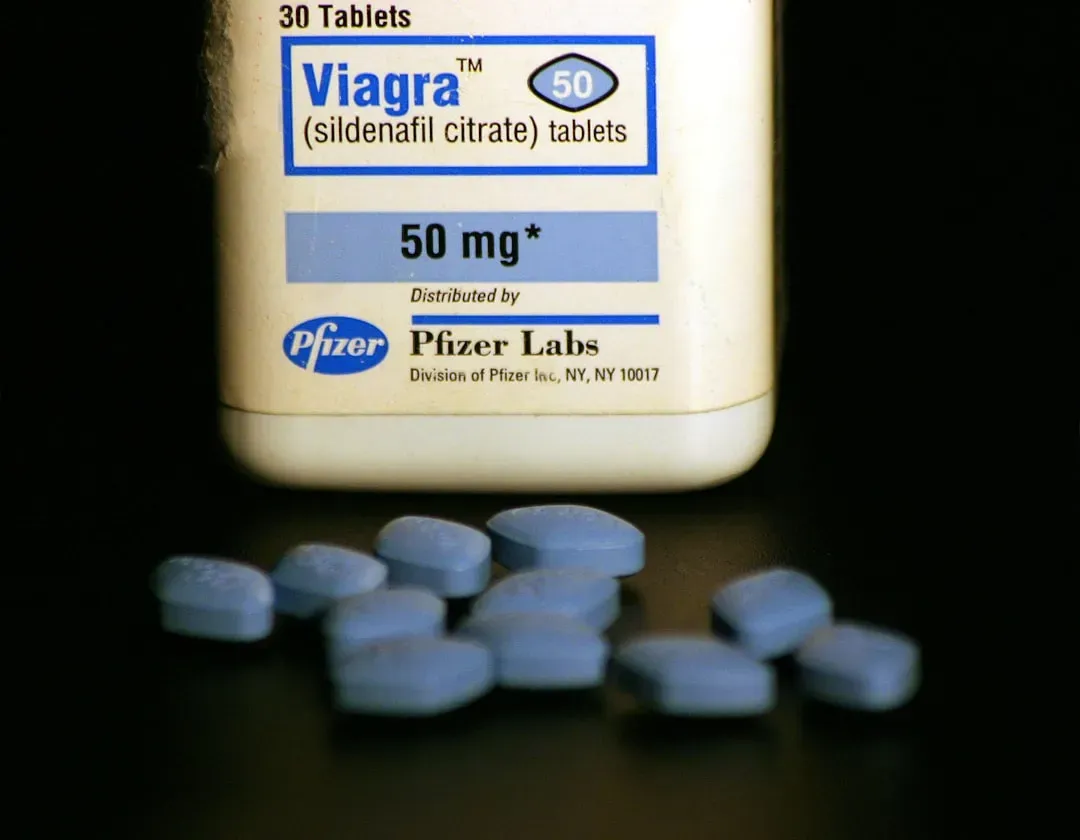
Pharmaceutical researchers in the early 1990s were testing a new drug called sildenafil to treat high blood pressure and chest pain. The results were disappointing. The medication didn’t work as intended, and the clinical trials seemed like a complete bust.
Then something unusual happened during the trial phase. Male participants were oddly reluctant to return their unused pills. When researchers investigated, they discovered the drug had a very noticeable side effect that had nothing to do with heart health.
Pfizer quickly pivoted, and Viagra hit the market in 1998. It became one of the most successful pharmaceutical products in history, generating billions in revenue and helping millions of men with erectile dysfunction. The company was looking for a heart medication and accidentally created something entirely different.
Post-it Notes: The Glue That Wouldn’t Stick
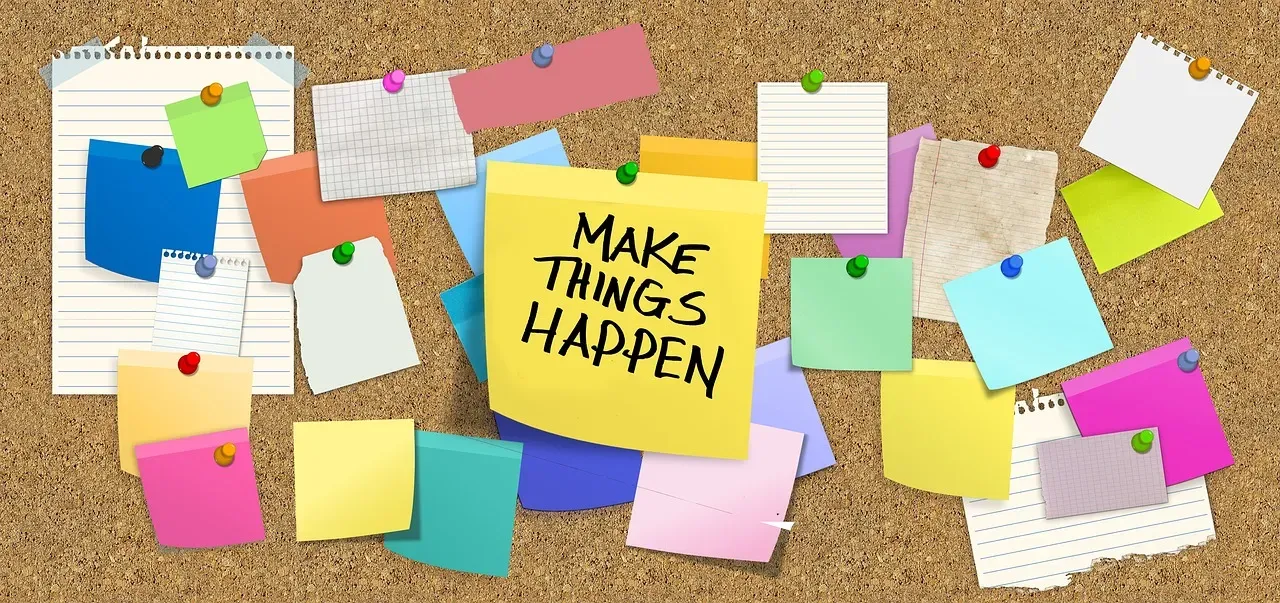
Spencer Silver was trying to create a super-strong adhesive for 3M in 1968. What he made instead was pathetically weak. It barely stuck to anything and could be peeled off without leaving residue. Total failure, right?
For years, nobody knew what to do with Silver’s useless glue. Then in 1974, his colleague Art Fry got frustrated with bookmarks falling out of his church hymnal. He remembered Silver’s weak adhesive and thought it might work perfectly for temporary bookmarks that wouldn’t damage pages.
They were right. Post-it Notes launched in 1980 and became one of the most recognizable office supplies on the planet. Silver’s “failed” adhesive turned into a product used in offices, schools, and homes everywhere. Sometimes the worst glue makes the best product.
Saccharin: The Sweet Discovery From Unwashed Hands

Constantin Fahlberg was researching coal tar derivatives in 1879 when he made a gross but fortunate mistake. He forgot to wash his hands before eating dinner. Everything he touched tasted impossibly sweet.
Fahlberg rushed back to his lab and started tasting everything on his workbench. I know it sounds crazy, but that’s what he did. He discovered the sweetness came from a compound he’d been working with earlier. That compound became saccharin, the world’s first artificial sweetener.
Saccharin is still used today, especially by people managing diabetes or watching their calorie intake. It’s hundreds of times sweeter than sugar and contains zero calories. All because a scientist had terrible hand hygiene. Maybe don’t try that method at home, though.
Champagne: The Wine That Wouldn’t Stop Bubbling

French winemakers in the 17th century had a serious problem. Their wine kept fermenting in the bottles and exploding everywhere. It was dangerous, expensive, and incredibly frustrating. Cellars were hazardous places where bottles burst like grenades.
Dom Pérignon, a Benedictine monk, was actually trying to prevent this fizzy disaster. He spent years attempting to remove the bubbles from his wine. Despite his best efforts, the carbonation kept happening. Eventually, people started appreciating the bubbly mistake.
Now champagne is synonymous with celebration and luxury. What winemakers once considered a catastrophic failure became one of France’s most famous exports. The wine that wouldn’t cooperate ended up commanding premium prices worldwide.
The Pacemaker: A Misplaced Resistor Changes Hearts
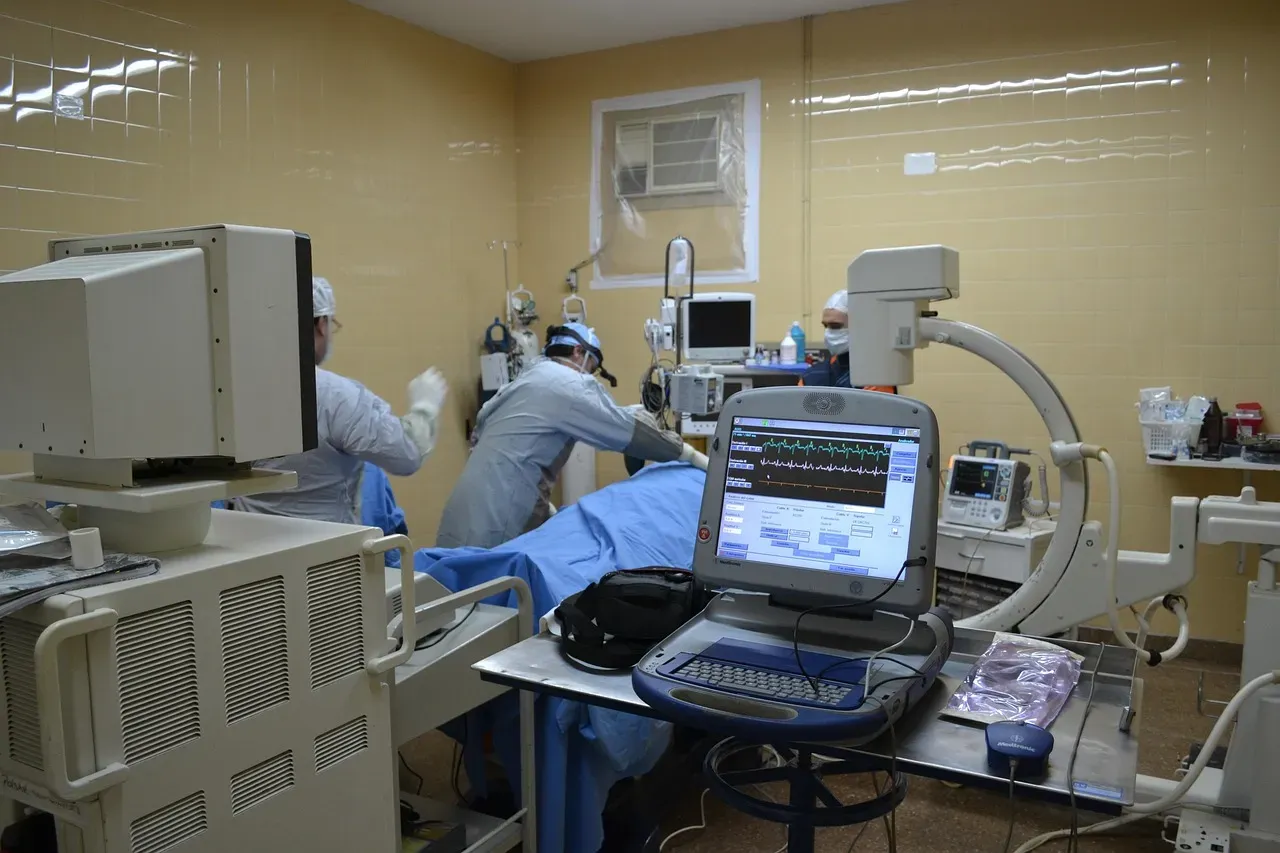
Wilson Greatbatch was building a device to record heart sounds in 1956 when he grabbed the wrong resistor from his toolbox. He installed it in the circuit and powered up the device. Instead of recording anything, it started producing electrical pulses at a steady rhythm.
Greatbatch immediately recognized the potential. He realized these pulses could regulate a human heartbeat. Within two years, he had developed the first implantable pacemaker. It was smaller, more reliable, and longer-lasting than anything that existed before.
Today, hundreds of thousands of people receive pacemaker implants every year. These devices keep hearts beating regularly and extend countless lives. A simple mistake with a resistor led to one of medical technology’s most important innovations.
Why Failure Matters More Than Success
Let’s be real here. We’re taught from childhood that failure is bad. We’re supposed to get things right the first time, follow instructions perfectly, and avoid mistakes at all costs. But the greatest scientific breakthroughs prove that idea completely wrong.
Failure forces us to look at problems differently. When experiments don’t work as planned, scientists have to ask new questions and explore unexpected directions. Some of the most important innovations happened precisely because someone was willing to investigate their mistakes instead of hiding them.
What would the world look like if Alexander Fleming had just thrown away that moldy petri dish? How many lives would’ve been lost without penicillin? The willingness to embrace failure, study it, and learn from it has literally saved millions of people and changed human civilization.
The next time something goes wrong in your life, remember these stories. That mistake might be hiding something valuable. What do you think is the most important accidental discovery? Tell us in the comments.