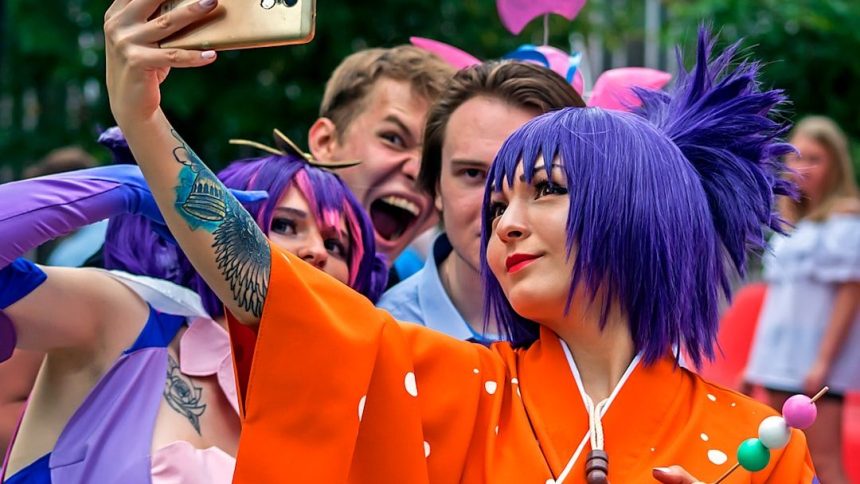
Walk through any major music festival today, and you’ll see something remarkable. It’s not just the stages or the headliners that steal the show anymore. The crowd itself has become part of the spectacle. Glittering face gems, oversized vintage band tees, neon bodysuits, flower crowns that seem plucked from another era. Festival fashion isn’t just about looking good for a weekend. It’s evolved into something much bigger.
What started as practical concert-going attire has transformed into a powerful form of self-expression that transcends borders and cultures. From Coachella’s desert dust to Glastonbury’s muddy fields, from Tomorrowland’s electronic paradise to Burning Man’s radical self-reliance, festival fashion has claimed its place as a legitimate cultural force. Let’s dive into how we got here.
The Woodstock Blueprint That Changed Everything
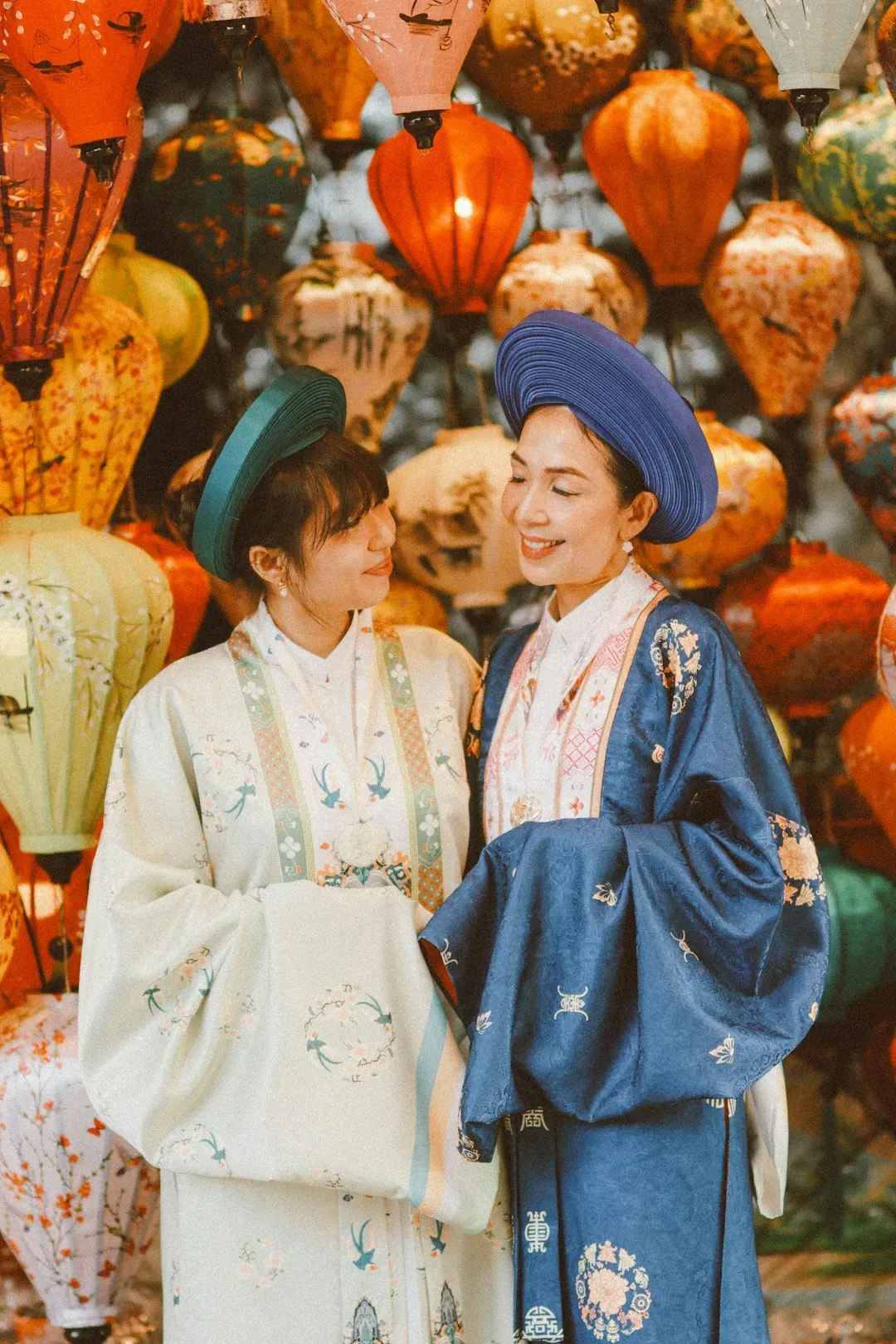
Festival fashion didn’t just appear overnight. Its roots dig deep into the counterculture movements of the late 1960s. Woodstock 1969 essentially wrote the rulebook. Half a million people gathered in upstate New York, and their clothing choices became as iconic as the music itself. Tie-dye shirts, bell-bottom jeans, fringe vests, flower accessories. These weren’t fashion statements in the traditional sense. They were declarations of identity.
The festival-goers weren’t following designers or runway trends. They were creating their own visual language. One that spoke of peace, rebellion, and freedom from societal norms. That authenticity resonated far beyond that muddy farm in Bethel. It planted seeds that would grow for decades to come.
Honestly, it’s hard to overstate Woodstock’s influence. The images from that weekend created a template that festivals still reference today. Even if most modern festival-goers don’t realize they’re channeling a 55-year-old aesthetic, the DNA is unmistakable.
When MTV Made Festival Style Mainstream
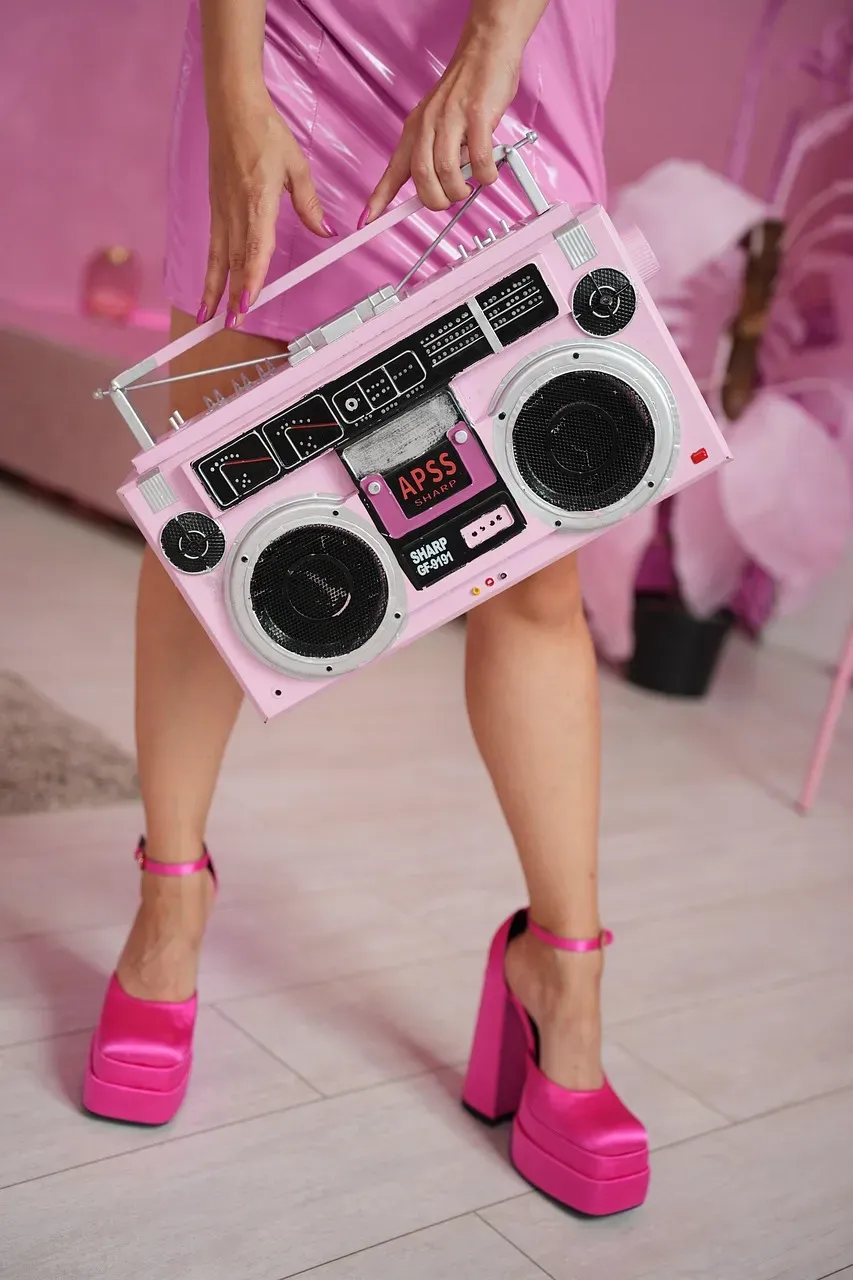
Fast forward to the 1980s and 90s, and festival fashion started shifting. MTV brought music culture directly into living rooms worldwide. Suddenly, what artists wore on stage mattered as much as their songs. Music videos became fashion editorials. Concert footage turned into style guides.
Festivals like Lollapalooza and Reading became breeding grounds for grunge, punk, and alternative aesthetics. Flannel shirts, ripped jeans, combat boots. The look was deliberately anti-fashion, which ironically made it incredibly fashionable. Kurt Cobain’s thrift store cardigans sold for thousands at auction years later. That tells you something about the cultural weight these “casual” choices carried.
The 90s rave scene added another dimension. Neon colors, oversized pants, pacifiers, glow sticks. What seemed silly to outsiders was deeply meaningful to participants. These weren’t costumes. They were uniforms that signaled belonging to a specific tribe.
The Coachella Effect and Instagram’s Amplification
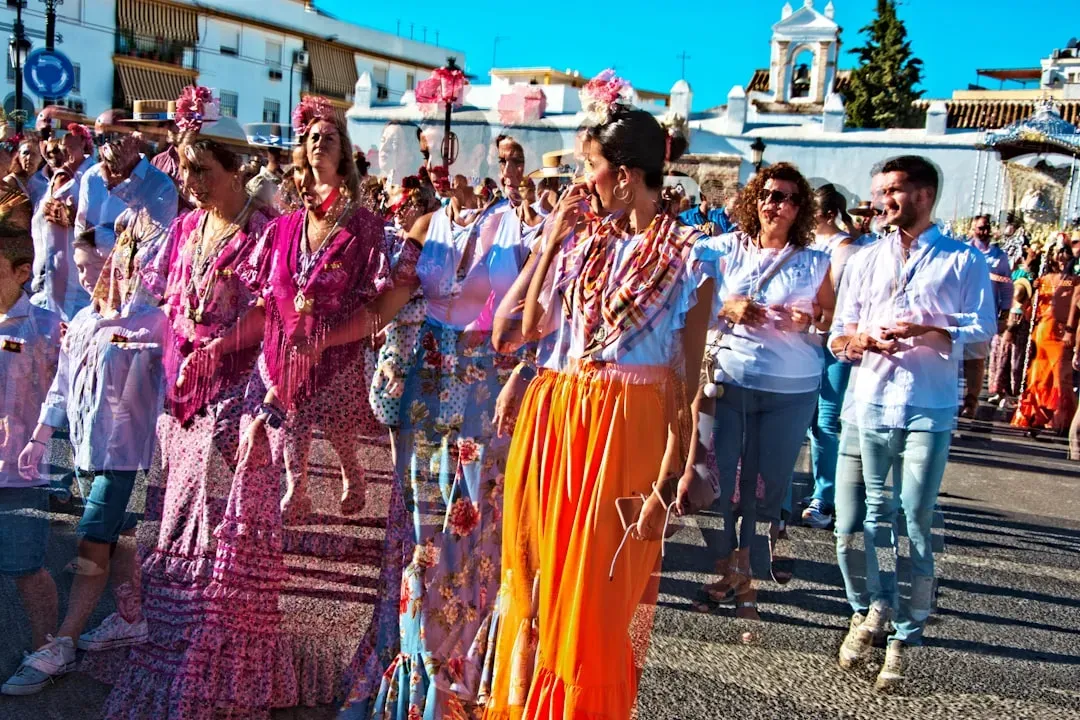
Then came Coachella. The California desert festival that fundamentally changed the game. Starting in 1999, it grew steadily, but the real transformation happened in the late 2000s and early 2010s. Suddenly, celebrities weren’t just attending. They were being photographed. Extensively.
Kate Bosworth’s bohemian looks. Vanessa Hudgens in crochet and fringe. Kendall Jenner in barely-there festival wear. These weren’t just weekend outfits. They became global news. Fashion magazines dedicated entire spreads to “festival style.” Brands launched Coachella-specific collections. The line between festival-goer and fashion influencer blurred completely.
Instagram turbocharged everything. Suddenly, your festival outfit wasn’t just for the people around you. It was content. A carefully curated image that could reach millions. Festival fashion became performance art, and everyone had a stage. The pressure to stand out intensified. Outfits got more elaborate, more expensive, more calculated.
I think this is where things got complicated. The authenticity that defined early festival fashion started competing with Instagram aesthetics. Looking spontaneous required serious planning. That paradox still defines festival culture today.
European Festivals Created Their Own Identity
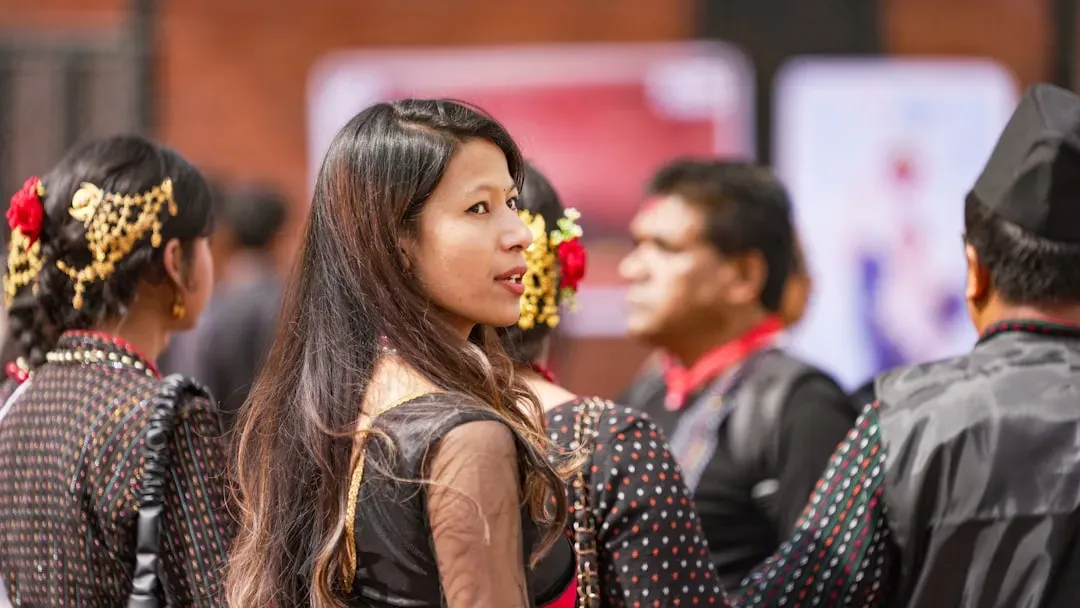
While Coachella dominated American and social media conversations, European festivals were crafting distinct identities. Glastonbury, with its unpredictable British weather, made Wellington boots and waterproof gear fashionable. Mud became part of the aesthetic. Practical met playful in ways uniquely British.
Tomorrowland in Belgium took a different approach. Electronic music culture embraced futuristic, often outrageous looks. LED accessories, metallic fabrics, elaborate costumes that seemed pulled from science fiction. The festival itself resembled a temporary utopia, and attendees dressed accordingly. Fantasy and escapism ruled.
Primavera Sound in Barcelona brought Mediterranean sophistication to festival fashion. Less about costume, more about elevated casual wear. Linen, simple silhouettes, quality over quantity. It proved that festival fashion didn’t have to mean excess or spectacle. Sometimes restraint made the strongest statement.
Burning Man’s Radical Self-Expression Philosophy
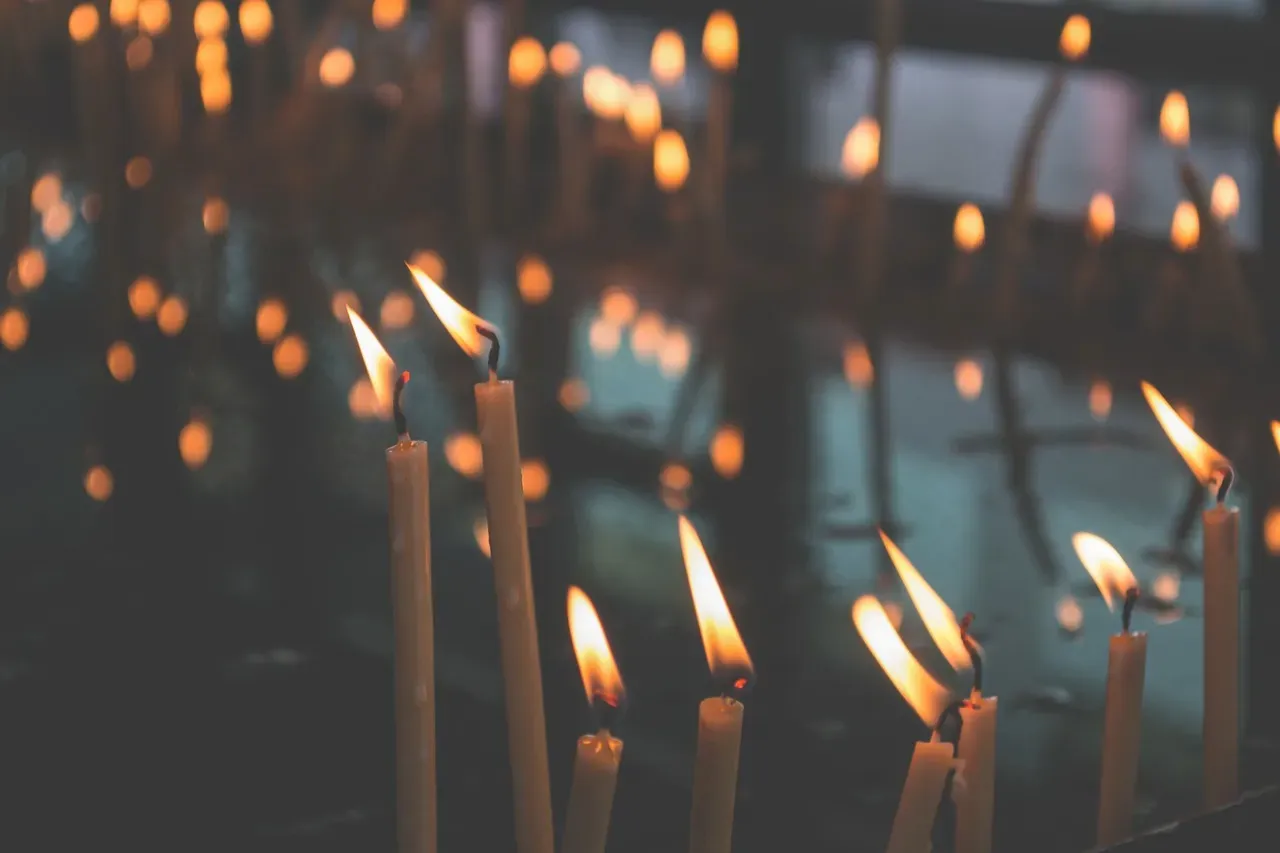
No discussion of festival fashion is complete without Burning Man. The Nevada desert gathering operates on different principles entirely. There’s no traditional lineup or stages. The festival itself is the art. And participants become walking installations.
Burning Man fashion rejects commercialism outright. You can’t buy your way into the aesthetic. Costumes are handmade, repurposed, or thrifted. Nudity is common and unremarkable. Body paint replaces clothing. The emphasis is on creativity, not consumption. On transformation, not trends.
What’s fascinating is how Burning Man influences mainstream festival fashion despite its anti-commercial stance. Elements filter into Coachella and other festivals. Faux fur coats in the desert. LED accessories. Goggles that serve no practical purpose. The irony is thick, but the influence is undeniable.
Asian Festivals Blend Tradition with Cutting-Edge Style
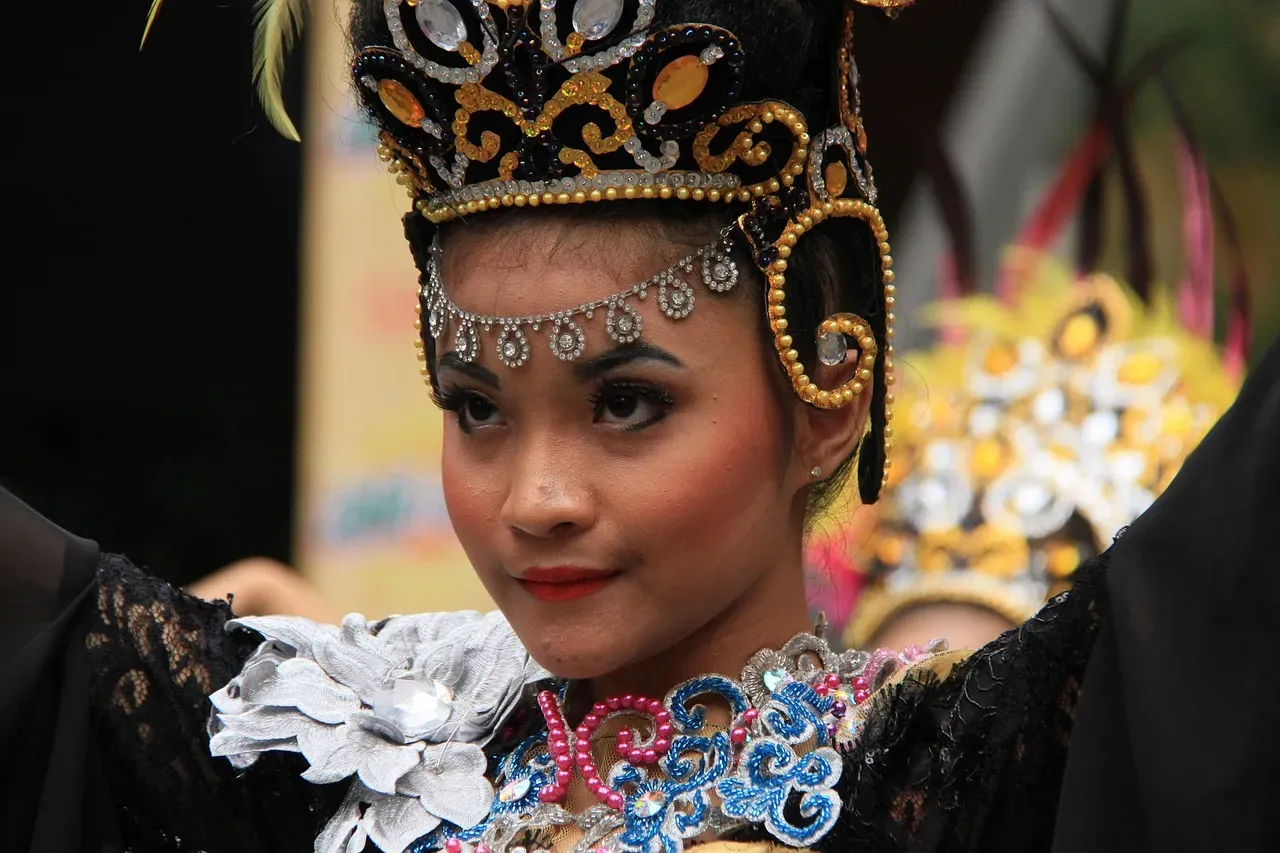
Festival fashion isn’t just a Western phenomenon. Asia’s massive festival scene has developed its own visual language. Ultra Music Festival in South Korea and Japan sees attendees mixing streetwear with traditional elements. Hanboks reimagined in neon. Kimonos paired with sneakers and bucket hats.
China’s Strawberry Music Festival showcases how festival fashion adapts to different cultural contexts. Young attendees embrace bold colors and experimental silhouettes while navigating cultural expectations around modesty and appropriateness. The result is something distinctly Chinese, neither purely Western nor traditionally Eastern.
Southeast Asian festivals like Wonderfruit in Thailand incorporate local craftsmanship. Handwoven textiles, traditional dyeing techniques, indigenous patterns. Festival fashion becomes a way to celebrate heritage while participating in global youth culture. It’s preservation through innovation.
Sustainability Shifts the Conversation
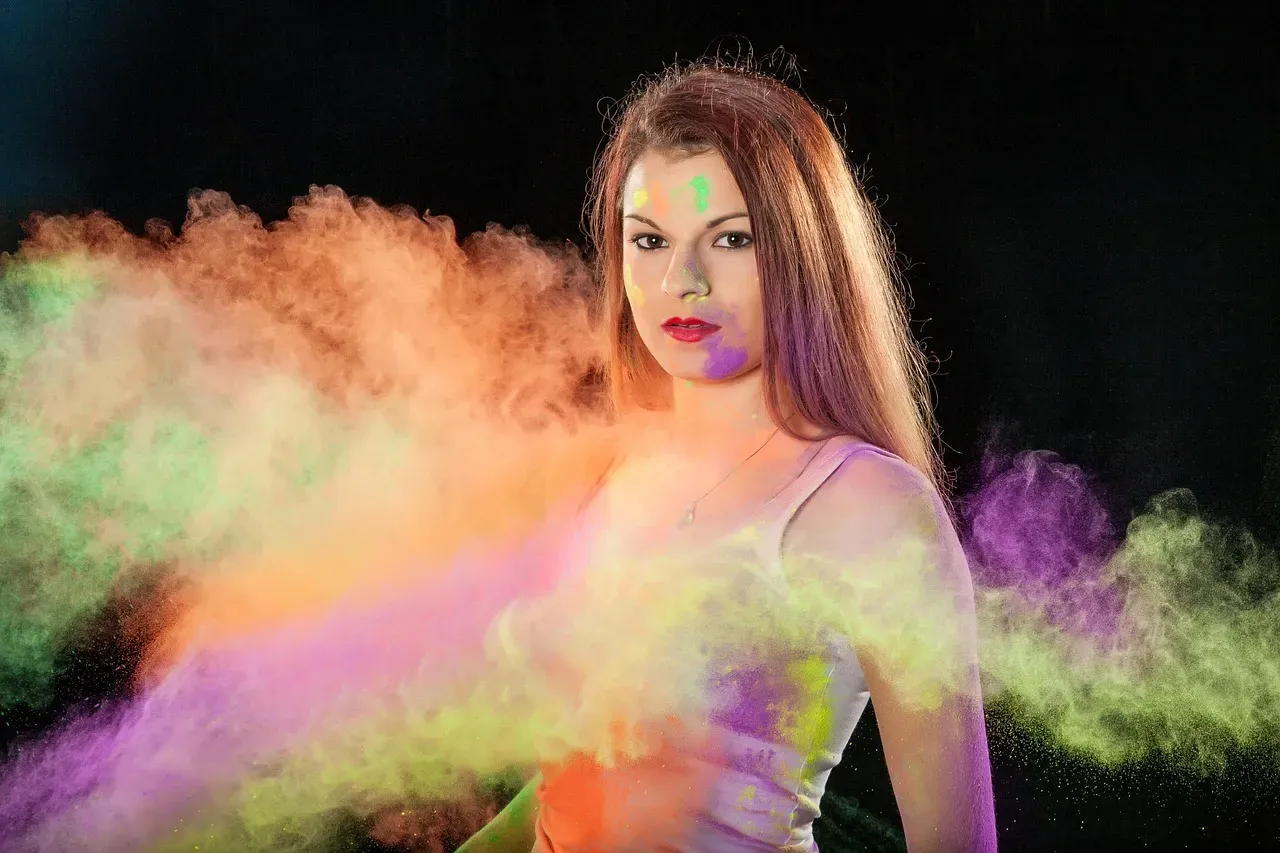
Recently, the environmental cost of festival fashion has become impossible to ignore. Fast fashion companies churn out cheap festival wear designed to be worn once and discarded. The waste is staggering. Mountains of sequined tops and plastic flower crowns end up in landfills before the festival grounds are even cleaned.
Consciousness is growing though. Vintage and secondhand festival wear is now cool, not just economical. Rental services specifically for festival outfits are booming. Brands are creating collections from recycled materials. Festivals themselves are taking positions, with some banning single-use plastics and encouraging sustainable fashion choices.
Glastonbury attendees increasingly wear the same outfits for multiple years, treating them as investments rather than disposable costumes. It’s a return to the original festival ethos in some ways. Making do, repurposing, creating something meaningful from what you already have.
Still, there’s tension. Social media’s demand for fresh content conflicts with sustainability principles. People want to be seen in something new, something Instagram-worthy. Solving that contradiction will define the next chapter of festival fashion.
Gender Fluidity Finds Expression on Festival Grounds
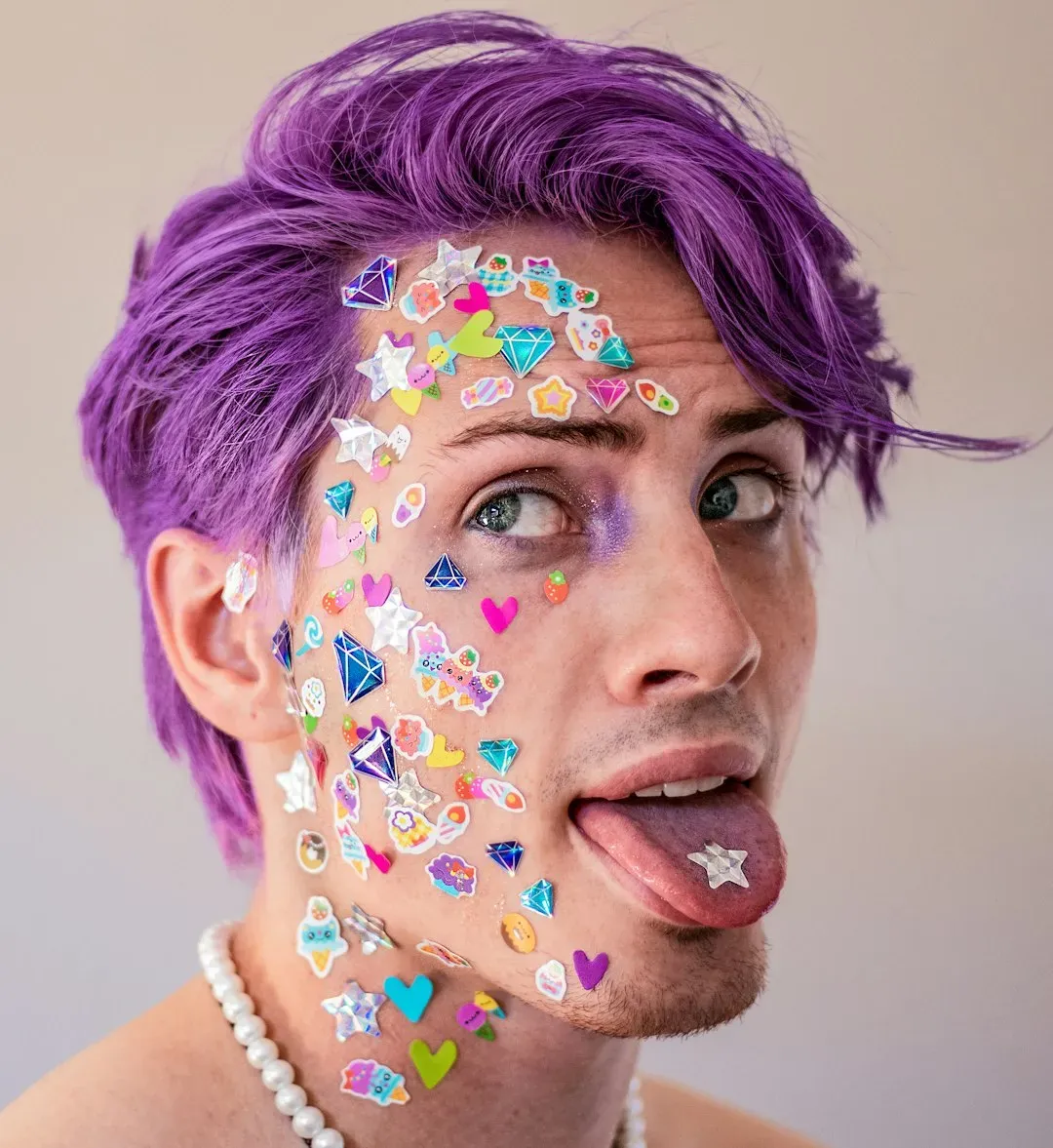
Festivals have become laboratories for gender expression. Men in crop tops and glitter. Women in traditionally masculine streetwear. Non-binary people creating looks that reject binary categories entirely. The temporary nature of festival spaces creates permission to experiment.
Harry Styles brought gender-fluid fashion to mainstream stages, but festival grounds were there first. Young men wearing makeup and jewelry to Coachella wasn’t shocking by 2015. It was expected in certain circles. Festivals normalized what might draw stares or worse in everyday settings.
This freedom matters culturally. For many people, festivals offer the first opportunity to present themselves authentically. To test identities without permanent commitment. The fashion becomes armor and invitation simultaneously. It protects while proclaiming.
What This All Really Means
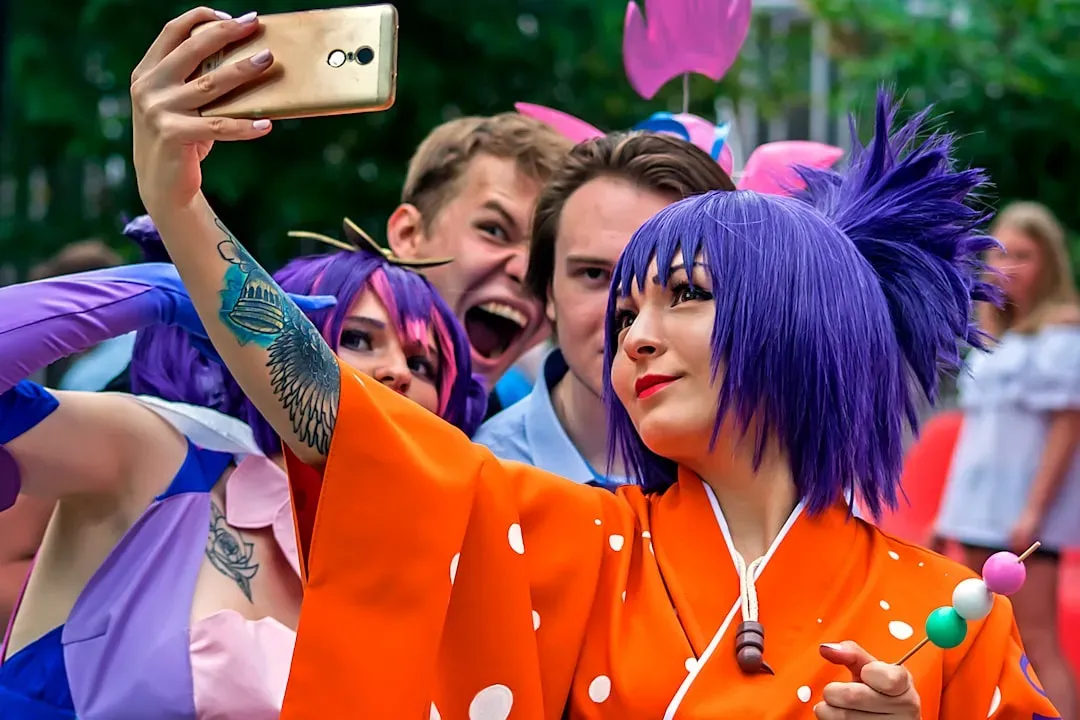
because it offered something rare in modern life: permission to be someone else for a weekend. Or maybe permission to be yourself in ways everyday life doesn’t allow. That’s powerful. That matters to people.
It’s easy to dismiss festival fashion as frivolous or superficial. Sometimes it is. But it’s also deeply human. The impulse to adorn ourselves, to signal belonging, to express identity through appearance runs through every culture and era. Festivals just made that impulse visible, celebrated, and shared globally.
From Woodstock’s muddy fields to Coachella’s Instagram backdrops, from Glastonbury’s Wellington boots to Tomorrowland’s LED wonderland, festival fashion tells us who we want to be and what we value. It’s commerce and art, individuality and conformity, authentic and performed. That complexity makes it fascinating. That contradiction makes it human.
So what do you think? Is festival fashion genuine self-expression or just another form of consumption? Maybe it’s both, and that’s exactly why it became a cultural statement that resonates worldwide. Tell us in the comments.