There’s something almost absurd about it, if you think too hard. A music genre born in the Bronx in the 1970s, born from poverty and urban frustration, ends up being one of the most powerful tools for reviving s spoken by a few hundred people in the Finnish Arctic, the mountains of Peru, or the jungles of Guatemala. Nobody planned this. It just happened.
The story of hip-hop and endangered s is one of the strangest, most genuinely moving intersections in modern cultural history. It’s the kind of story that makes you reconsider everything you assumed about what preservation even looks like. Forget dusty textbooks and government committees. Sometimes, a beat and a microphone do what centuries of policy couldn’t.
Let’s dive in.
A Dies Every Two Weeks
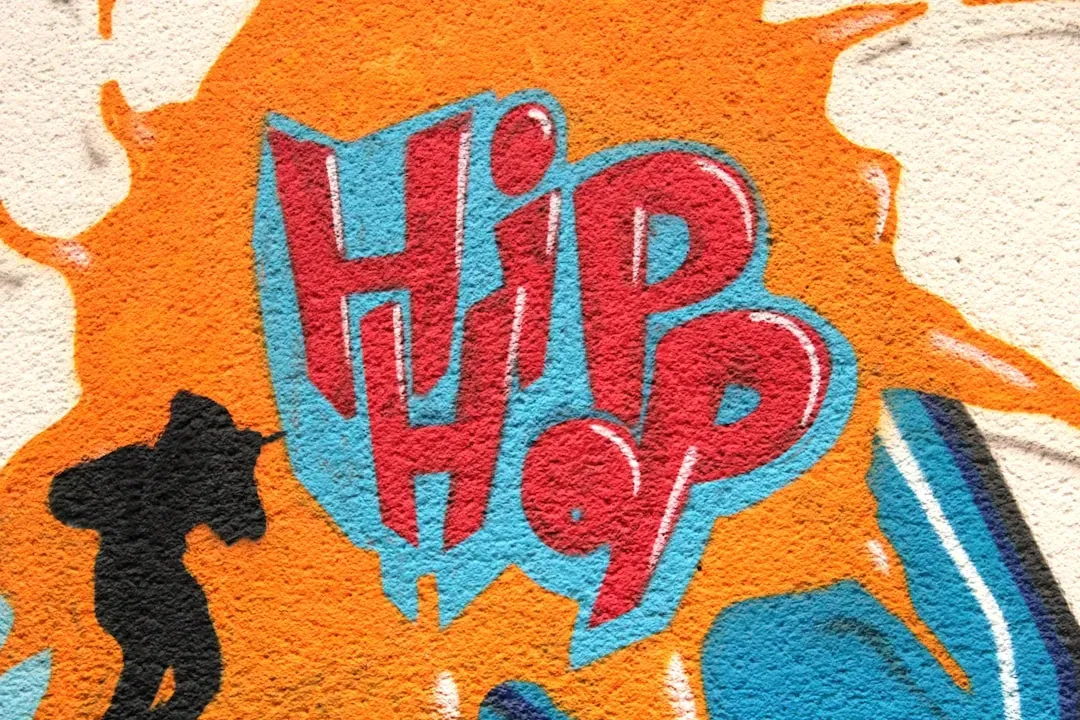
Here’s a fact that should honestly shake you. Indigenous s, critical repositories of ancestral knowledge, biocultural diversity, and identity, are disappearing at alarming rates – roughly one every two weeks. That pace is staggering, almost incomprehensible. Think of it as losing an entire library every fortnight, except the library exists nowhere else on Earth.
The United States’ 10-Year National Plan on Native Revitalization directly confronts the systematic and deliberate campaign to forcibly assimilate Native peoples and eradicate Native s and cultures – a campaign enshrined in legislation such as the Civilization Fund Act of 1819. The damage went deep and it went generational. Governments didn’t just neglect s. They actively destroyed them.
For many communities, there has been a generational breakdown in carrying on oral histories, often due to restrictive colonialist policies of the past. That broken chain of transmission is exactly what makes hip-hop so unexpectedly powerful as a response. It doesn’t wait for institutions. It moves fast, it travels, and young people actually listen to it.
Why Hip-Hop, of All Things?
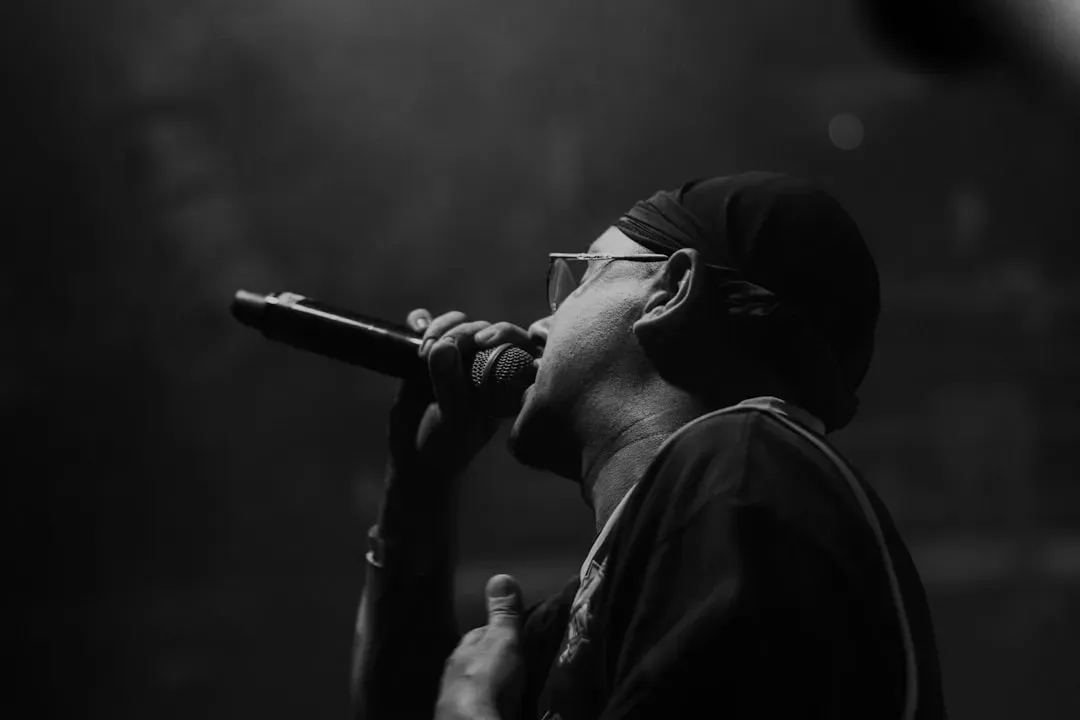
Honestly, it makes more sense than it first appears. In contrast to institutional policies that prioritize formal education and put the emphasis on literacy and standardization, some salient sociolinguistic features make rap a particularly productive genre for revitalization. Chief among them is the centrality that orality, verbal fluency, and creativity play in its performance.
Hip-hop is not only linguistically innovative – it helps preserve indigenous s via oral tradition. That connection to oral tradition is not incidental. It’s fundamental. West African griots are bardic equivalents who have long preserved their community’s history and culture through song, and the ancestral roots of hip-hop trace directly to that same tradition of spoken storytelling and memory-keeping.
For indigenous communities in particular, where native s may be endangered, community elders have often found it difficult to encourage younger generations to use their mother tongues actively. Hip-hop has emerged to become a champion of not only preserving a group’s cultural history, but motivating younger generations to maintain the community’s as a living . It works because it doesn’t feel like homework.
Inari Sámi: Rapping Back From the Brink
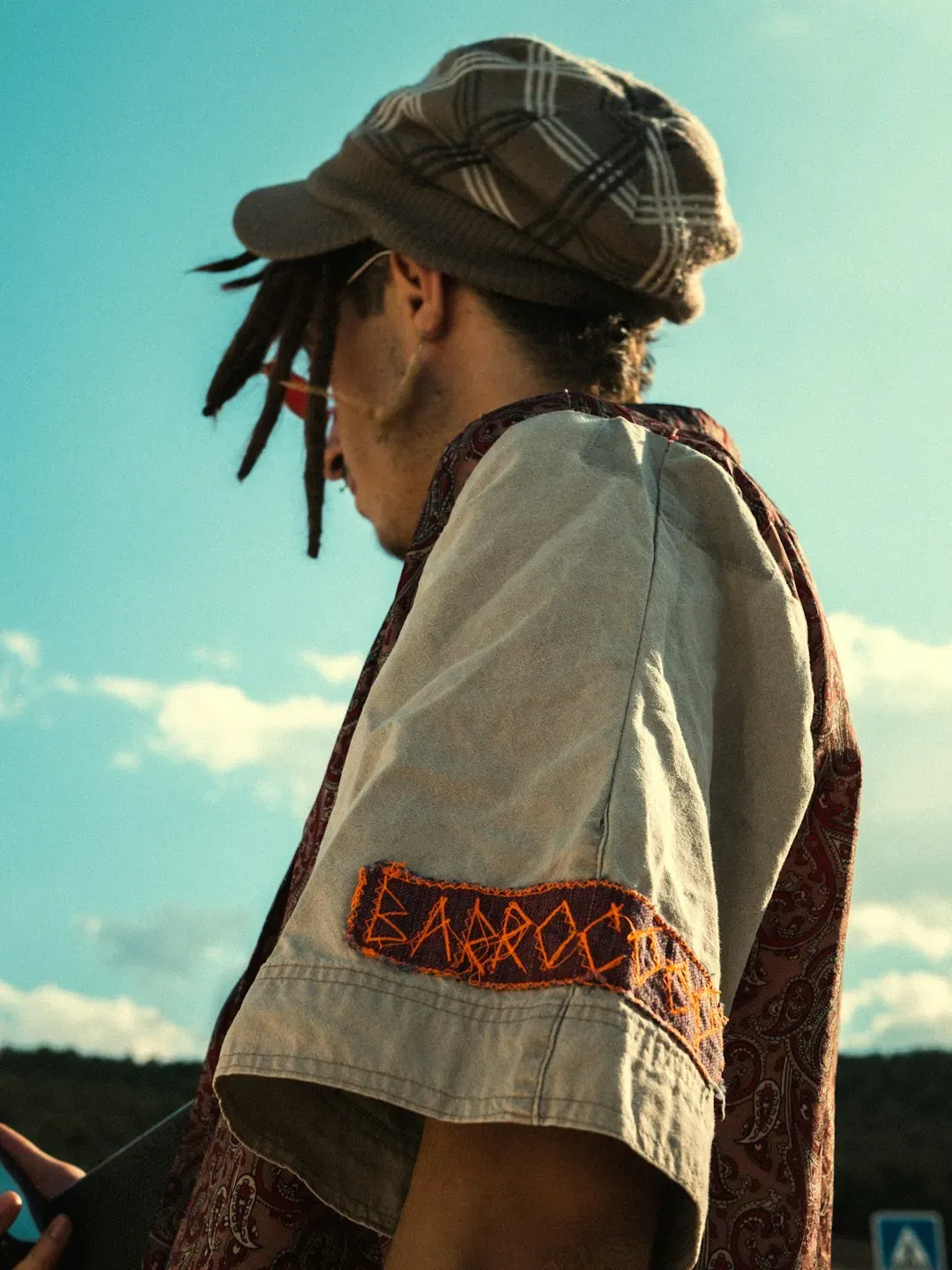
Perhaps the most astonishing case study comes from the far north of Finland. As many as nine Sámi s are spoken across Scandinavia, Finland, and Russia. Three of these s are spoken in Finland – Northern Sámi, Skolt Sámi, and Inari Sámi. All are endangered, and in the 1990s, Inari Sámi was almost gone.
Revitalization initiatives since the 1990s, including immersion programs, community nests for children, and cultural expressions like rap music in Inari Sámi, have increased active users to around 500, marking a meaningful recovery. That number, however small it sounds, represents a reversal of a centuries-long collapse. Rap musician Amoc, one of approximately 400 Inari Sámi speakers, uses his own indigenous while rapping. Apart from wanting to make good music attracting listeners beyond linguistic borders, Amoc’s explanation of his choice for his lyrics is explicitly linked to the discourse of Sámi revitalization.
Amoc became very popular among local youth, increased their motivation to learn the , and strengthened the ethnic identity of the whole community. A rapper became a teacher. Not metaphorically. Literally.
Welsh Hip-Hop: A Surprising Resurrection

Wales might be the most well-documented case of hip-hop supporting a comeback. The Welsh in particular is a poster child for revitalizing a once-vulnerable and strengthening a community’s cultural identity. The path was never straightforward, but hip-hop played a measurable role in bringing young people back to Welsh.
The first Welsh hip-hop releases came from North Wales, with “Dyddiau Braf (Rap Cymreag)” by the duo Llwybr Llaethog being cited as the first release of Welsh hip-hop music. They were inspired to change direction following a 1984 trip to The Roxy nightclub in New York City. Band member John Griffiths had been inspired by the sounds of DJ Red Alert and the enthusiastic breakdancing. On his return to Wales, Griffiths decided to integrate the new music with Welsh culture and socialist politics.
The popularity of artists like these have overwhelmingly encouraged once solely English-speaking Welsh young people to learn and maintain Welsh as part of their Celtic heritage, revitalizing a that was once endangered. Today, there were an estimated 843,500 Welsh speakers living in Wales in the year ending 31 December 2024. That’s a remarkable number for a many predicted would vanish quietly.
The Maya Rap Movement in Guatemala
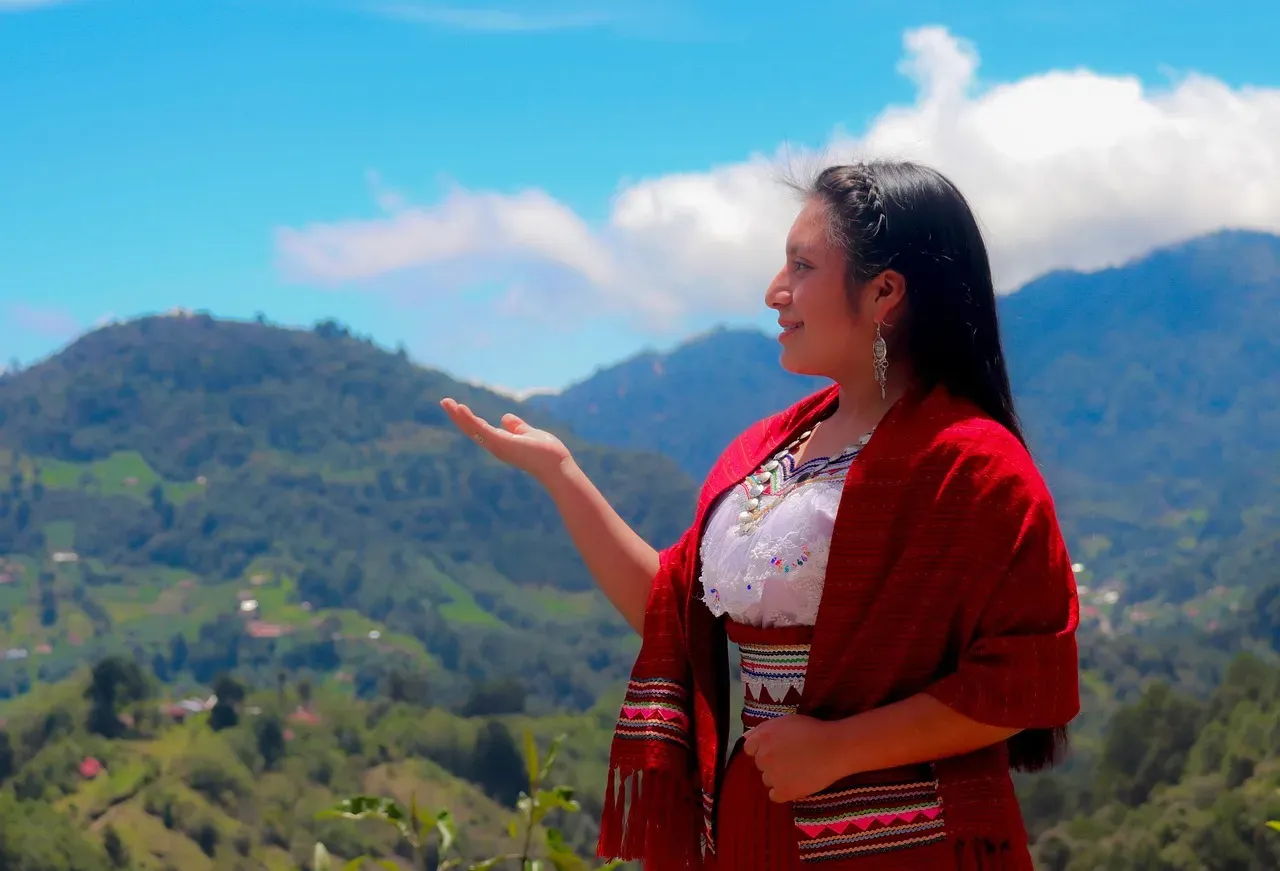
In Guatemala, a group called B’alam Ajpu took hip-hop somewhere few expected it to go. Research analyzes the ideologies and linguistic practices of Mayan- hip-hop in Guatemala, focusing on the work of the group B’alam Ajpu. The members of B’alam Ajpu use a mix of Spanish and Mayan s in their music and run a school that combines lessons in hip-hop – rapping, break-dancing – with efforts to promote the use of Mayan s among children.
In the case of Mayan hip-hop in Guatemala, rappers produce music that incorporates elements of hip-hop with lyrics that maintain highly traditional Mayan poetic structures. Members of B’alam Ajpu recognize that hip-hop may challenge the denigration of Maya s in Guatemala in the same way that early hip-hop celebrates a denigrated culture.
In 2013 and 2014, for example, Tz’utu gave performances in London, Bogotá, Los Angeles, Nashville, and Lexington, Kentucky. An article from the Guatemalan newspaper Prensa Libre was translated into English and picked up by the Associated Press, so that news of B’alam Ajpu’s Maya rap was printed in American newspapers, including the New York Times and the Washington Post. A Guatemalan Maya rapper making front pages in New York. That’s a story worth telling.
Quechua Rap in Peru: Ancient , Modern Beat
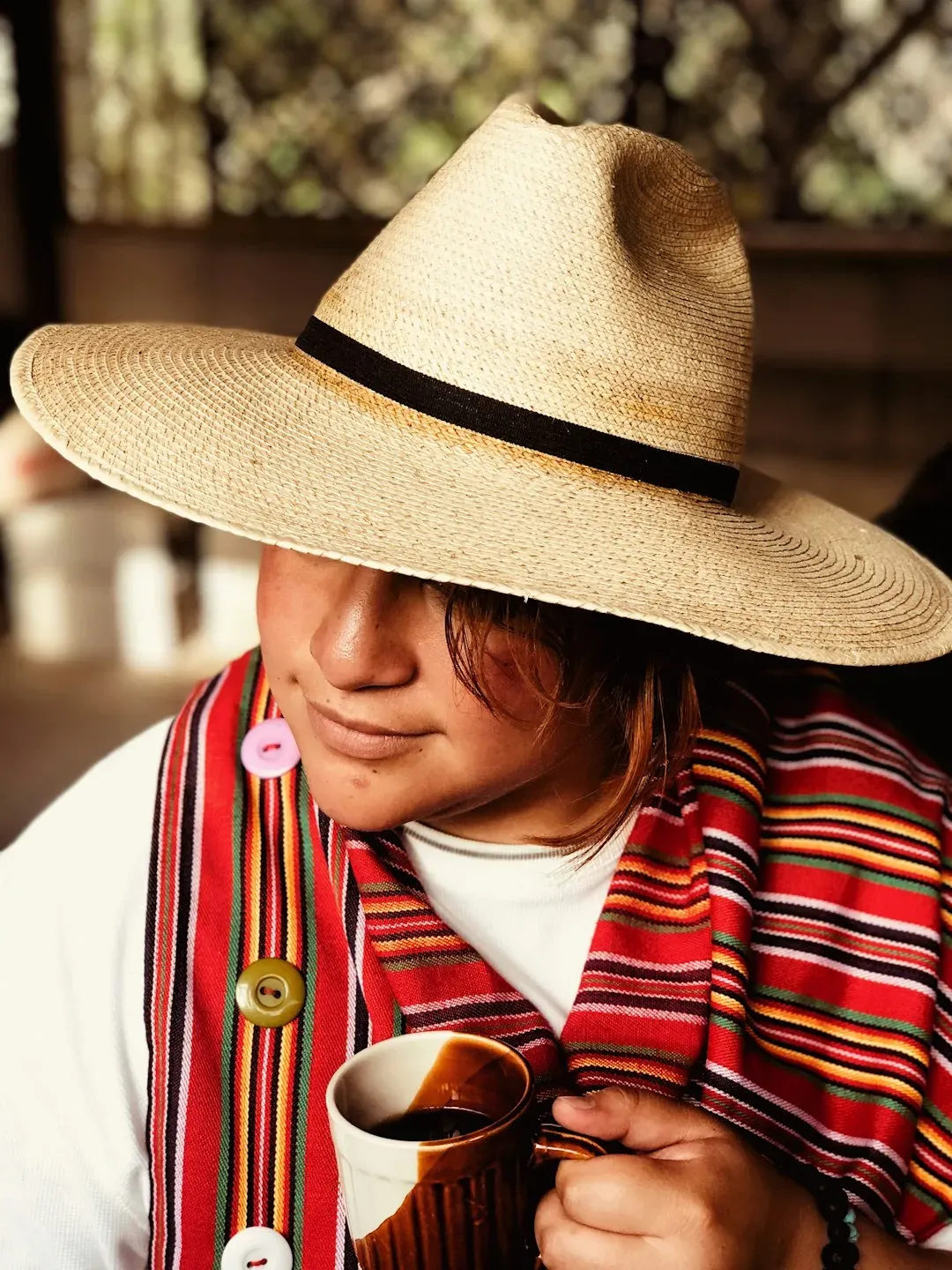
In the Andes of Peru, something equally powerful is happening. Hip-hop, with its oral tradition, communal spirit, and culture of resistance, is a natural vehicle for reviving the Quechua and Andean culture. Young Indigenous musicians are fusing ancient traditions with trap beats and modern production, creating something that sounds new but carries something very old inside it.
Inspired partly by Uchpa, a Quechua-singing blues rock band formed in the early 1990s, Andean young people are reclaiming their heritage. Already connected to the wider world through diasporic networks and social media, they’re reimagining what it’s like to be modern and Indigenous.
Cay Sur, whose name is Yerson Randy Huanco Canaza, is among a growing generation of young musicians making hip-hop with a specifically Indigenous voice. Like many of them, he draws from multiple cultures and traditions – Spanish and Quechua speaking, global and local, ancient and modern. Together with his fellow artists, he’s creating something entirely new: a soundtrack for Indigenous youth eager to reclaim their Andean roots and .
YouTube, Social Media, and the New Classroom
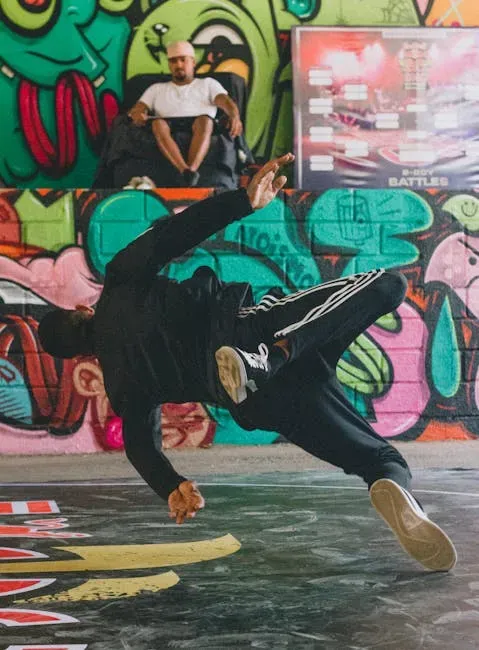
One reason hip-hop works so well in 2026 is that it travels without borders, and it travels for free. YouTube videos offer a unique opportunity for Indigenous transmission given that YouTube’s virtuality avoids overt links to colonized lands while being broadly accessible. YouTube videos offer the opportunity to share “bundles” of Indigenous knowledge, avoiding colonial structures of institutional education.
Research argues that the overwhelmingly positive reaction to hip-hop songs in Indigenous s strengthens the ongoing revalorization process of s like Yucatec Maya and Mapudungun and works towards their destigmatization, especially among youth. Comments sections become community spaces. Views become evidence of interest. That feedback loop matters enormously to young people deciding whether their has a future.
Hip-hop offers a -based musical genre highly appealing to young people. Indigenous Mexican hip-hop videos provide opportunities for Indigenous youth to connect with Indigenous s being used, in the context of rapped lyrics, to articulate Indigenous perspectives on a range of current events and issues, outside the constraint of formal, institutional settings.
South Africa, Greenland, and the Global Pattern
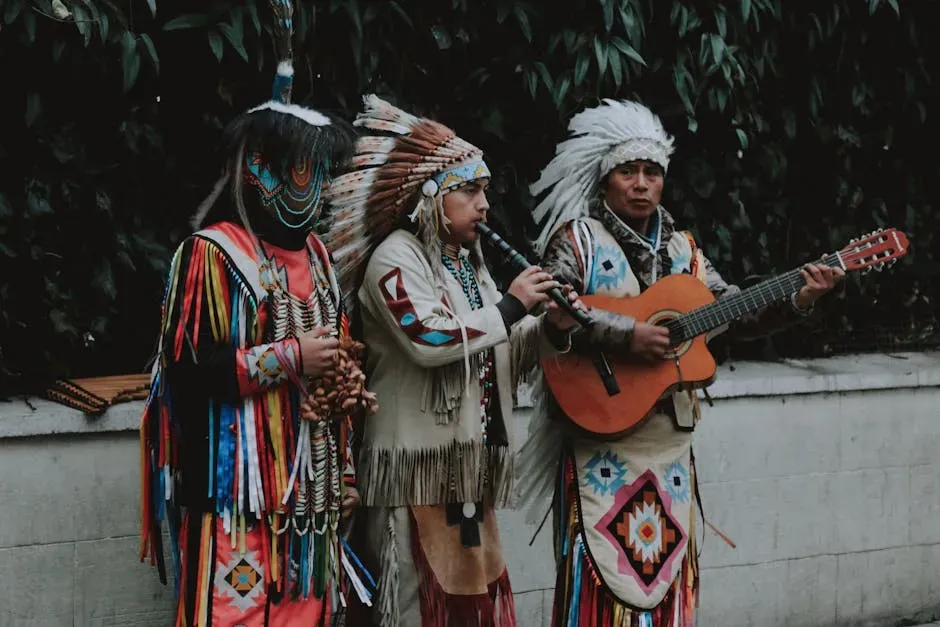
The pattern holds across continents. It really does. Sharlene Swartz’s 2008 linguistic study on Kwaito, a kind of indigenous South African music “culturally comparable” to hip-hop, discusses how this natively developed popular music style promoted a particularly South African identity through use of non-English local s of the region from “isiZulu, isiXhosa, Sesotho and Afrikaans to tsotsitaal.”
The cultural prize-winning Nuuk Posse is one such hip-hop group that raps in Kalaallisut, or West Greenlandic, a which in the past has been put under pressure by the colonial of Danish. From sub-Saharan Africa to the Arctic Circle, the dynamic is strikingly similar. A community uses the tools of the dominant culture to reclaim what the dominant culture tried to erase.
Ultimately, it means that more native s are being actively used, remixed, and shared with the community, giving new life to s at risk of death. At the same time, the gains a new visibility with non-speakers outside the community, and with it, often a newfound respect.
The International Indigenous Hip-Hop Festival
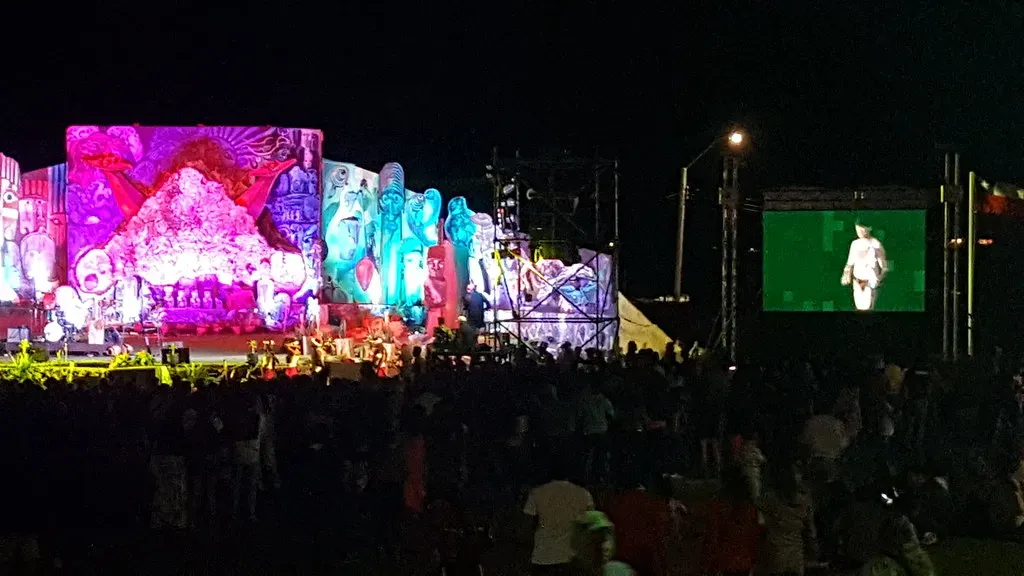
This is no longer a scattered movement of lone artists doing something unusual. The International Indigenous Hip-Hop Festival (IIHHF) is an intentional act of cultural reclamation, revitalization, and climate action, creating a dialogue with hip-hop’s birthplace in the Bronx and sparking an exchange of knowledge, strategies, and cultural expressions among Indigenous artists and urban communities worldwide.
Indigenous peoples in Latin America are using hip-hop to amplify the voices of those who promote revitalization and pride in their heritage. The Smithsonian Institution has documented this, and academic linguists are now studying it formally as a distinct and measurable phenomenon. Through hip-hop, the festival fosters a dialogue of resistance, solidarity, and creative cultivation – addressing urgent contemporary issues such as cultural sovereignty, climate justice, and contradictions inherent in both hip-hop and Indigenous contexts, while remaining rooted in hip-hop’s essence as a political, resilient, and community-driven movement.
Identity, Resistance, and the Act of Speaking
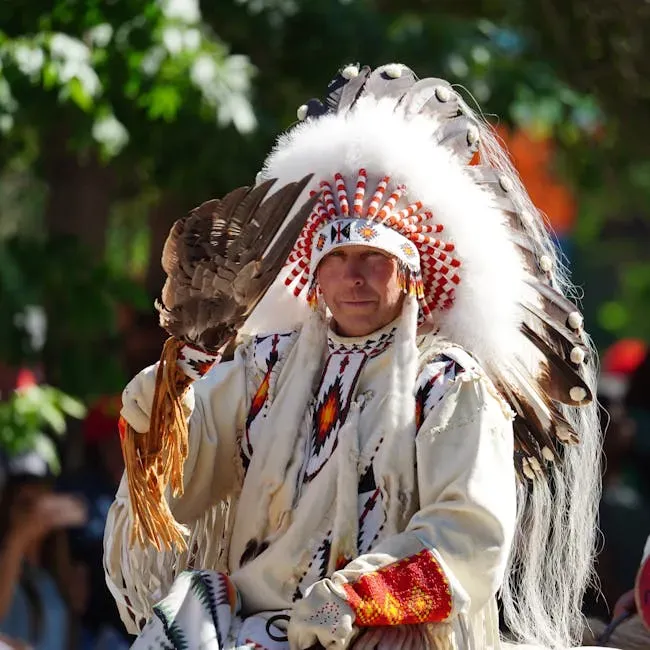
There’s something deeper happening here than just music. Learning to speak one’s Indigenous constitutes a powerful act of anticolonial resistance insofar as the “possession of ” helps the speaker and hearer imagine the world expressed and implied by that . It’s not just communication. It’s an act of existential defiance.
For Indigenous artists to express their existence and challenge continued colonization, it has been necessary for them to find modalities of expression that could be coupled with a practice and revival of their ancestral s and identities. These Indigenous artists are speaking the unspeakable, exploring the topos of the “unsayable,” while offering avenues for both political expression and the means to cultural and linguistic retention in the face of cultural violence.
Performing in a minority in the face of opposition or ridicule is in line with hip-hop’s focus on authenticity, according to Wayna Rap, a Bolivian hip-hop group that raps in Aymara. Authenticity is the whole point. In hip-hop, nothing lands harder than something real.
Conclusion: The Most Unlikely Savior
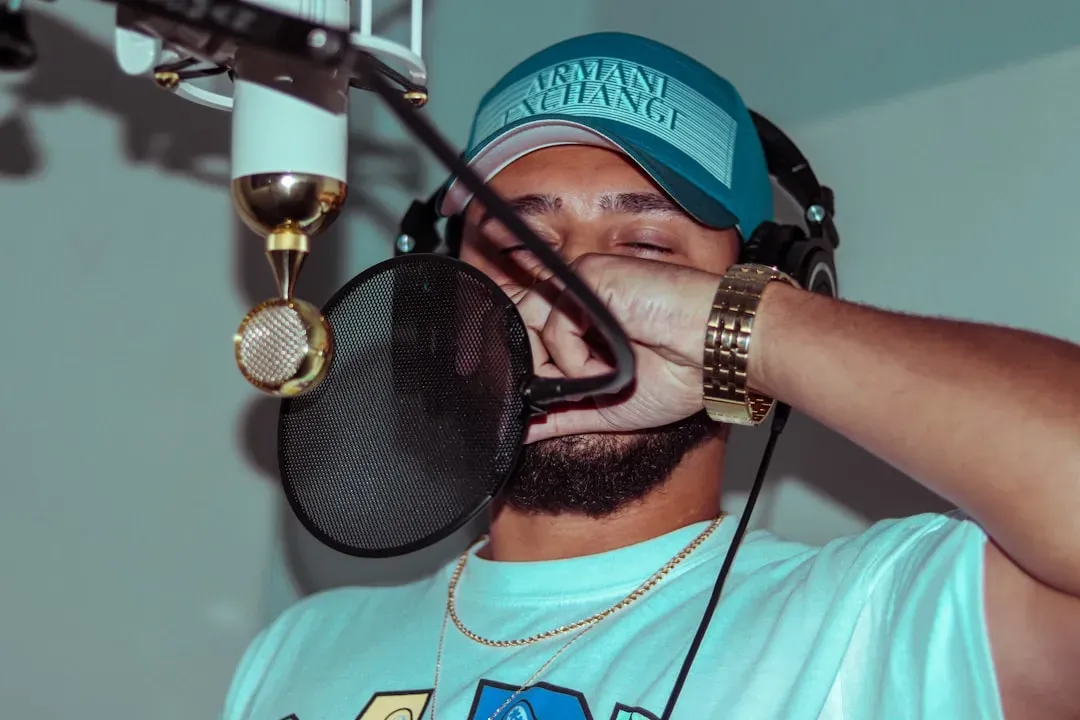
If you had asked a linguist in 1980 what would slow the extinction of the world’s minority s, nobody would have said: a DJ from the South Bronx. Nobody would have predicted a Finnish rapper performing to sold-out crowds in Scandinavia in a with fewer speakers than a small suburb. Nobody would have imagined a Mayan rapper making the pages of the New York Times.
Yet here we are. Hip-hop, born from the margins, keeps finding the margins and handing them a microphone. It seems that hip-hop music is a lover, not a fighter of s of the world, working to preserve linguistic and cultural diversity and stave off death for another day. The genre that critics once dismissed as noise turned out to carry more cultural memory than almost anyone gave it credit for.
Only a people’s own can communicate the full experience of their culture. Hip-hop, it turns out, understood that long before the policy makers did. What do you think needs a rapper right now?