A steaming roast chicken on a movie dinner table may have been sitting under hot lights for hours. The actor across from it is probably chewing something very different from what the camera sees. Food on screen is built for the lens, and what looks delicious often isn’t what anyone would want to eat.
Film and television productions lean on food stylists, prop masters and a long list of practical tricks. Some of those tricks are decades old, and others have changed as sets have grown more careful about safety and diets. Here is how the craft works.
Food Stylists Are a Real Department

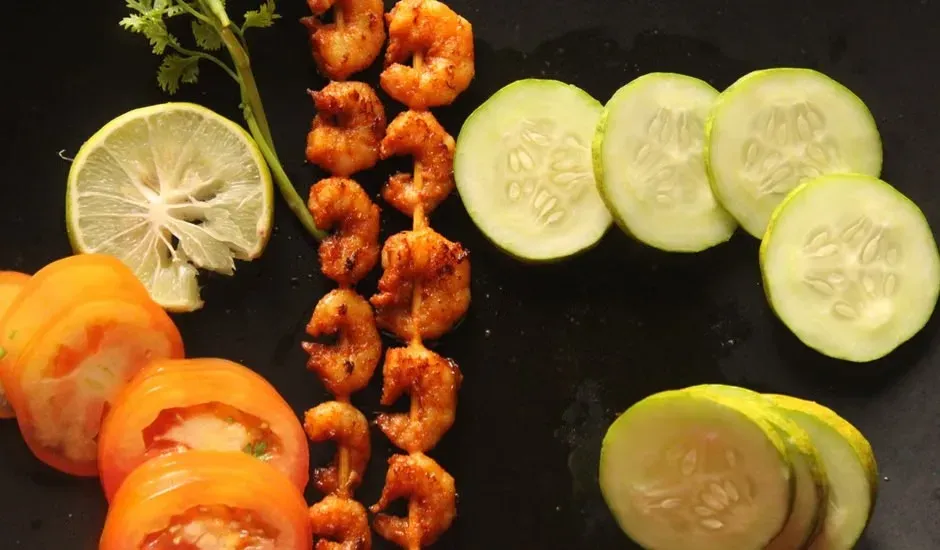
Many productions hire a food stylist, sometimes called a food stylist and home economist, to plan every dish that appears on screen. The role is separate from a regular chef. A chef cooks for flavor, while a stylist cooks for the camera.
The job usually starts with the script. The stylist works out what a scene needs, how many times it will be shot, and whether an actor has to eat. Each answer changes how the food gets made and how many backups are required.
Why Real Food Falls Apart Under Lights

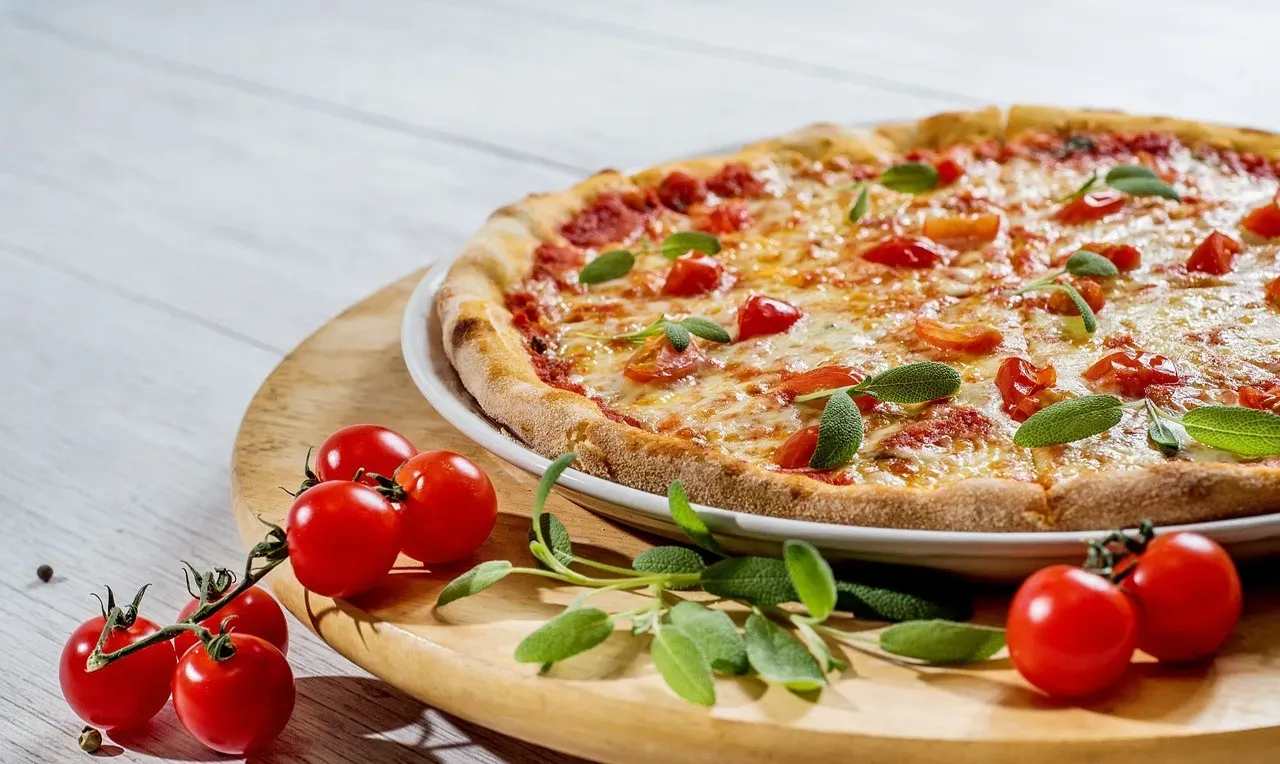
Studio lighting is hot, and shoots are slow. A scene can take many takes from several angles, and the food has to look the same in every one. Ice cream melts, lettuce wilts, and sauces form a skin.
That’s why stylists prepare duplicates and swap in fresh plates between takes. They also build a “hero” version of each dish, the one that gets the close-up. The hero plate gets the most attention and is often assembled at the last moment.
Stand-Ins and Substitutes

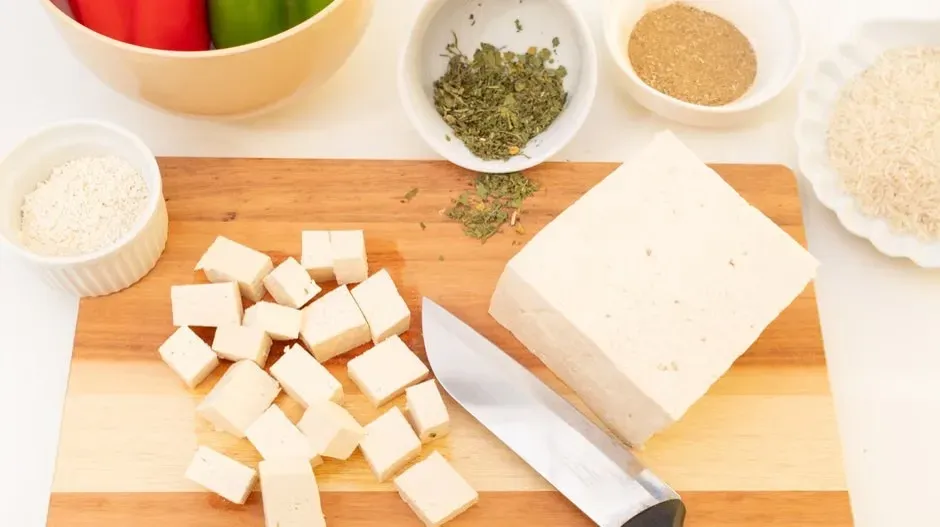
Stylists have long used swaps that hold up better than the real thing. Mashed potato as a stand-in for ice cream is one of the best known examples in the trade, since it keeps its shape under hot lights. Shaving cream has also been used in place of whipped cream when a dish only needs to be seen.
These substitutes work because the camera can’t taste. If a scene doesn’t need anyone to swallow, a stable lookalike beats a delicious but fragile original. When an actor does have to eat, though, the substitute has to be edible.
Making Food Glisten
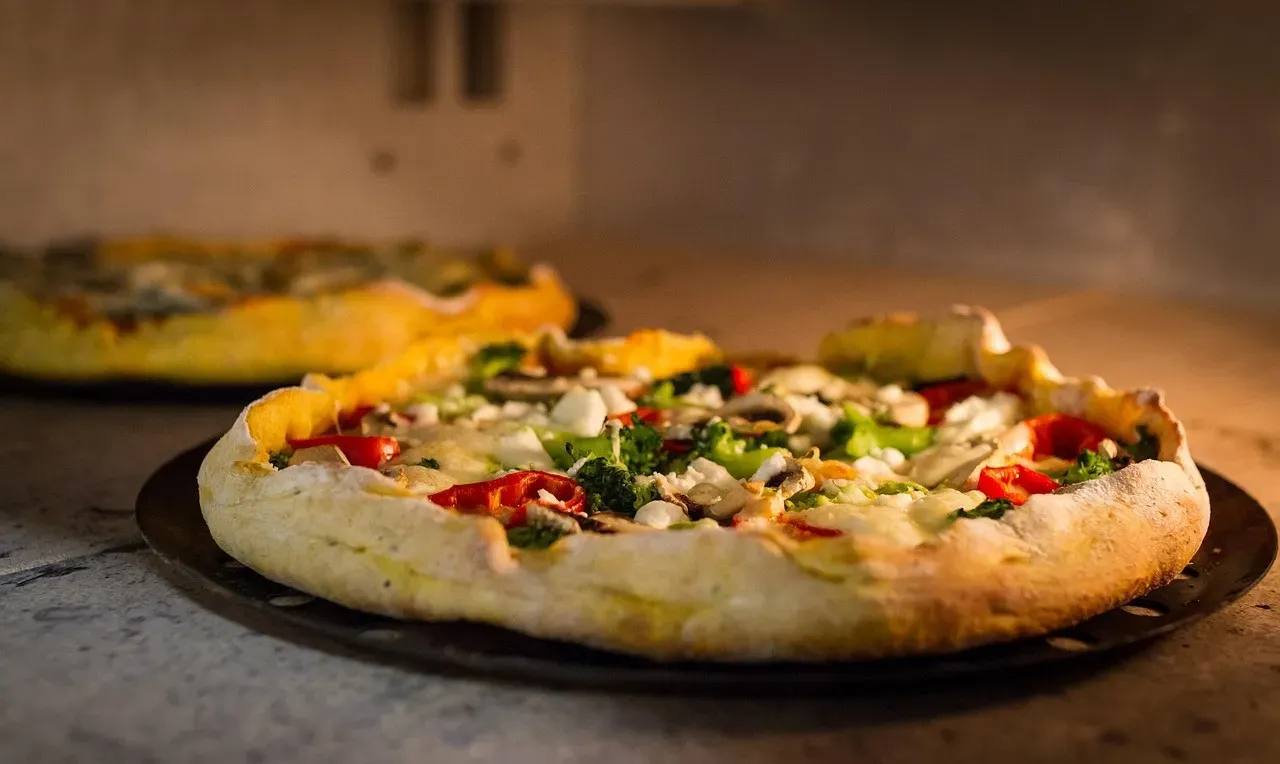
Freshness is one of the first things a camera reads in food. Stylists often brush on or mist light oils or glycerin and water mixtures to restore a glossy look that the lights would otherwise dry out. A little sheen on vegetables or meat signals moisture and ripeness.
The effect is easy to overdo, so it’s usually applied right before the take. Too much shine reads as plastic. The aim is to look like food that was just cooked and plated.
Partner offer

Faking Steam and Heat

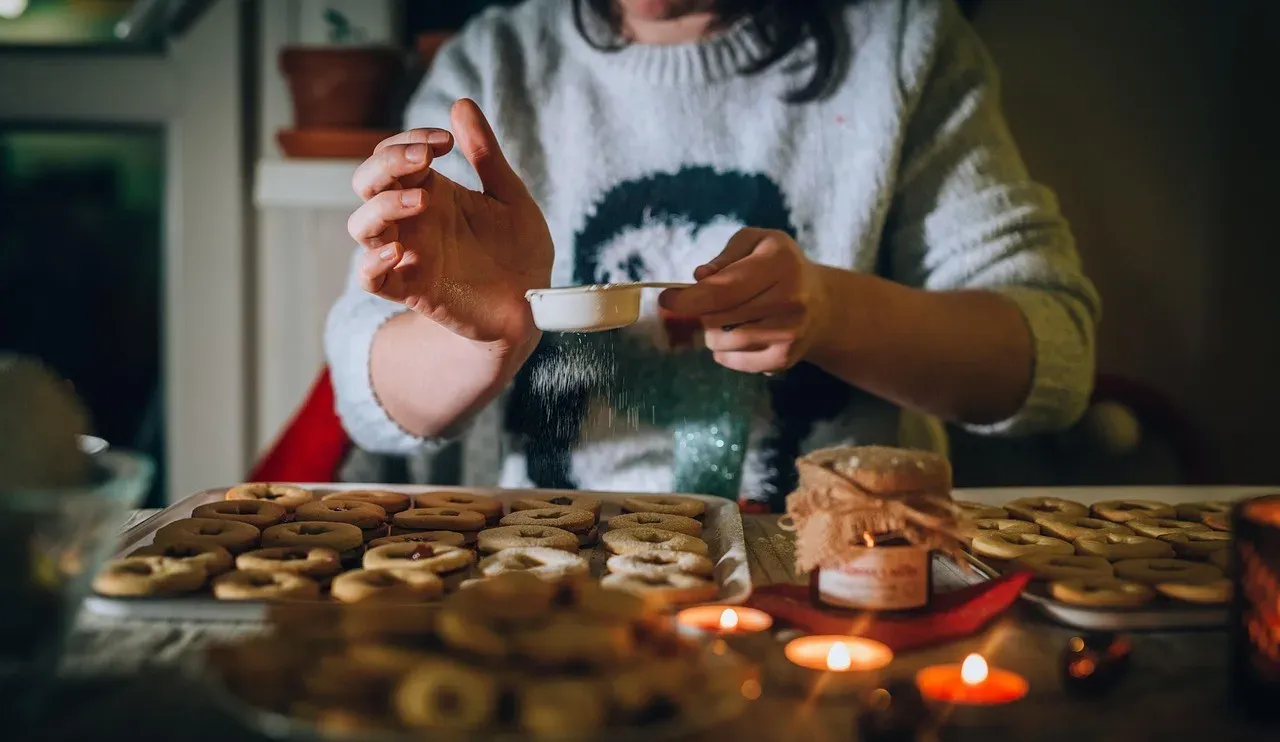
Real steam fades fast and rarely shows up well on camera. Stylists have described tucking hot, damp cotton or similar materials behind a dish to release visible steam on demand. Another approach is to add steam later in post production.
Either way, the goal is to suggest that the meal just came out of the kitchen. A soup with no steam can look like it has been sitting out all day, even if it was only ladled a minute earlier. Steam is a small detail that shapes how the scene feels.
Color, Browning and Shape

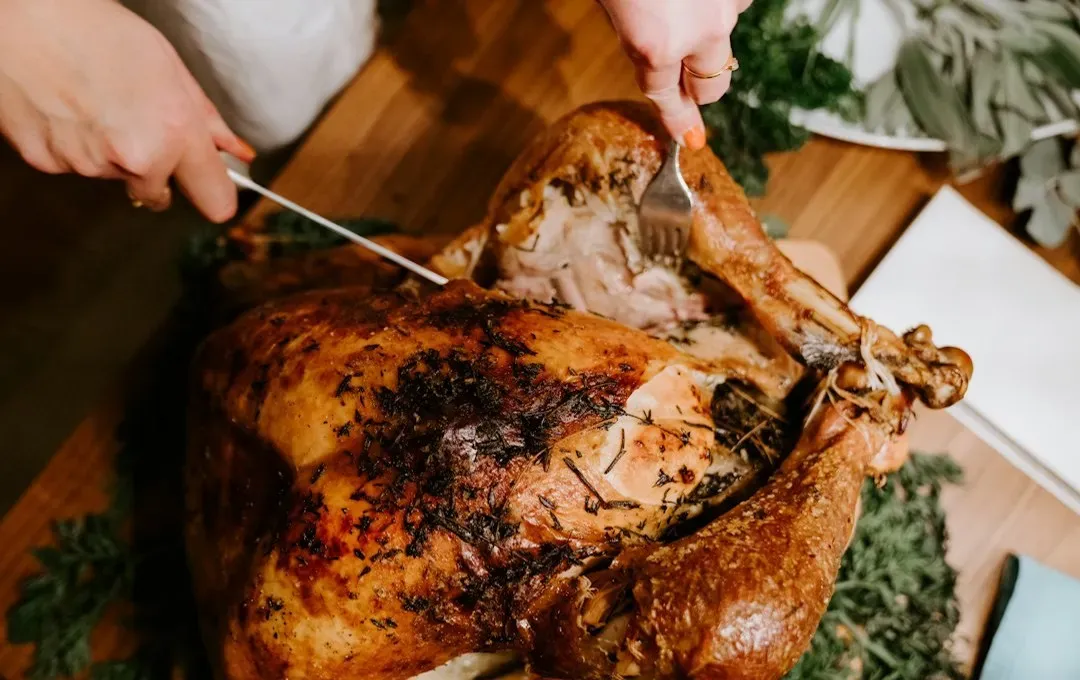
Cooked food does not always brown evenly, and the camera exaggerates unevenness. Stylists often undercook meats, such as a turkey, so they keep their plump shape, then brush on a browning agent for color. A bird cooked all the way through would shrink and look dry.
Burgers are another classic case. Stylists sometimes build them piece by piece, placing each ingredient carefully, and prop up the layers with hidden supports such as toothpicks or cardboard. The result looks better than a burger you could actually pick up and eat.
When Actors Have to Eat

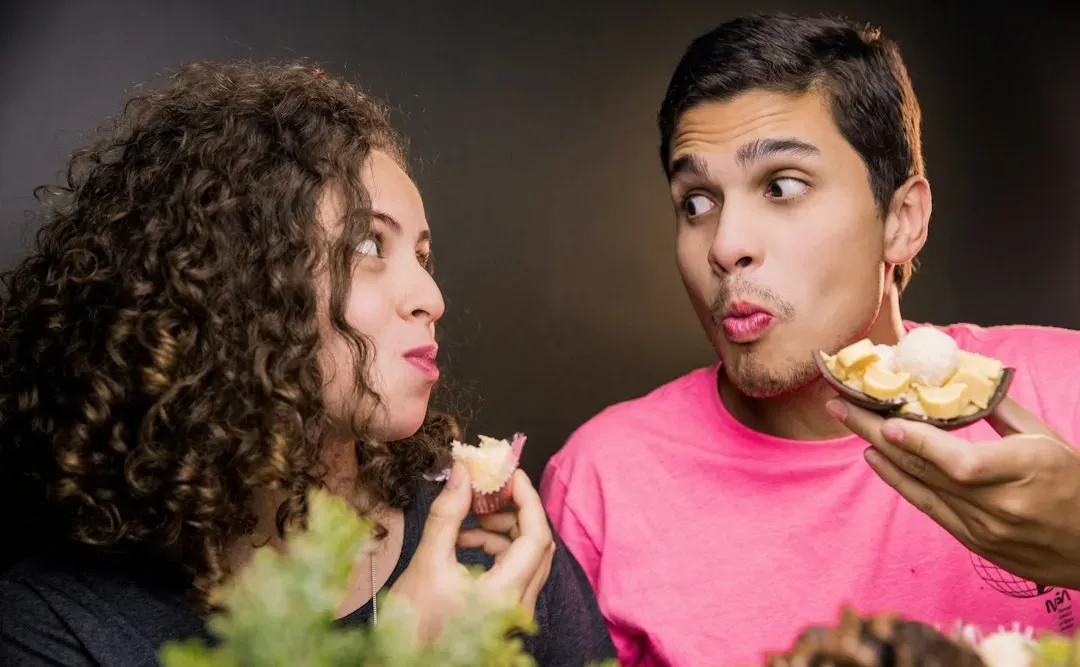
Eating scenes bring their own problems, since an actor may need to take a bite dozens of times. Productions often prepare food that is safe and mild, and they work around allergies and dietary needs. Many sets also provide spit buckets so performers don’t have to swallow bite after bite across many takes.
Continuity matters too. If a character takes a bite in one angle, the plate has to match in the next, which means the stylist resets the dish each time. It’s tedious work, though you’d never guess from a smooth finished scene.
Props, Fantasy Feasts and Digital Help

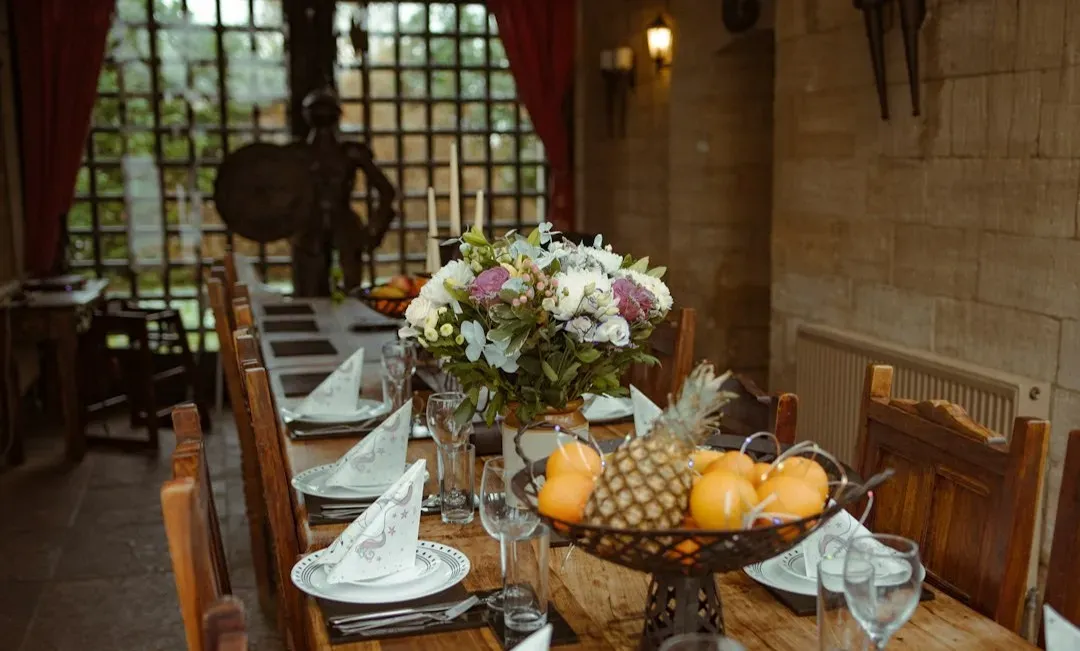
Not every dish is meant to be eaten. Fantasy and period films often use sculpted or painted foods when a banquet has to last through weeks of shooting. Hook, from 1991, is a well known example of a feast designed to look colorful and impossible rather than edible.
Digital effects now fill in more of the gaps. Steam, sauce drips and touched up colors can be added or adjusted after filming, and animated films build their food entirely from scratch. Even so, many directors still prefer a physical dish on set because it gives actors something real to react to.
What Viewers Are Really Seeing

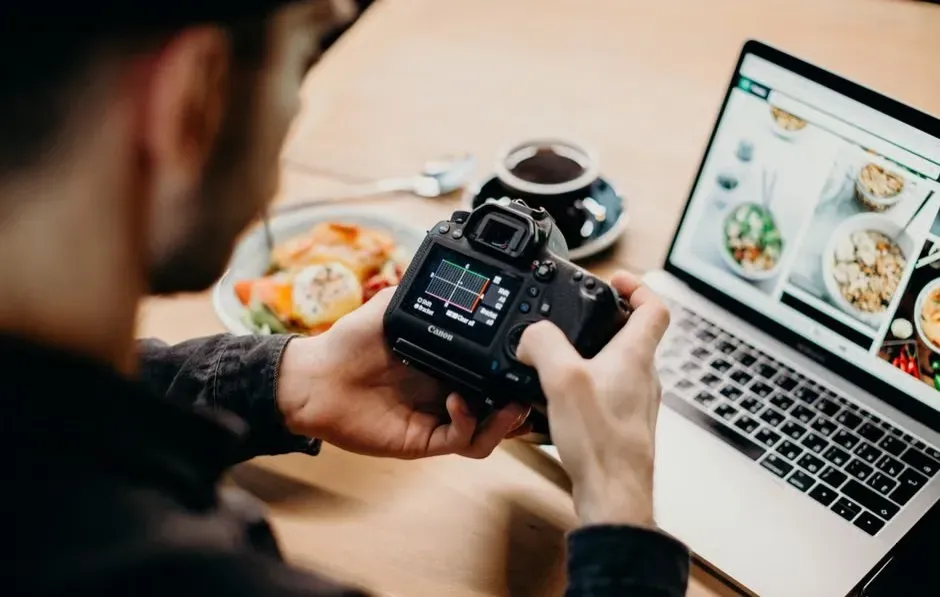
The food in a film is a performance, built by a team and tuned for lighting, lenses and timing. Fresh plates, hidden supports, careful browning and a bit of gloss all work together. Together they produce a meal that looks better on screen than it ever would on a table.
That is why the same dish can look irresistible in a movie and ordinary in a kitchen. The camera rewards color, shine, shape and freshness, and stylists supply all four. What reaches the audience is a carefully made image of a meal.
Partner offer
Planning a trip to Vegas?
Compare hotel rates and show tickets on VEGAS.com.