You’ve probably swiped through a dating app or binge-watched a rom-com without realizing you’re experiencing ideas that a British author dreamed up over two centuries ago. Jane Austen wrote her novels in the early 1800s, yet her fingerprints are all over our modern understanding of love, relationships, and what makes a romance genuinely satisfying. It’s kind of remarkable when you think about it.
Most people know Austen from costume dramas or high school reading lists, but her influence runs deeper than pretty dresses and proper English manners. She fundamentally changed how we think about who should fall in love and why. Let’s dive into the unexpected ways this long-dead novelist still controls the romantic landscape of 2026.
She Invented the Idea That Partners Should Actually Like Each Other

Before Austen, most novels treated marriage as a business transaction. Love was nice if it happened, but financial security and social status mattered more. Austen flipped that script entirely. In her world, Elizabeth Bennet turns down a wealthy suitor because she can’t respect him, choosing instead to wait for someone who challenges her intellectually.
This was revolutionary stuff. Austen argued that marriage should be based on mutual respect, genuine affection, and shared values. Sound familiar? That’s literally what every dating profile and relationship advice column preaches today.
The modern expectation that your romantic partner should also be your best friend? That comes straight from Austen’s novels. She created couples who enjoyed each other’s company, who laughed together, who genuinely wanted to spend time with one another beyond physical attraction or social convenience.
We take this for granted now, but the idea that emotional compatibility matters more than a bank account was genuinely radical in 1813.
The Enemies-to-Lovers Trope Started With Pride and Prejudice
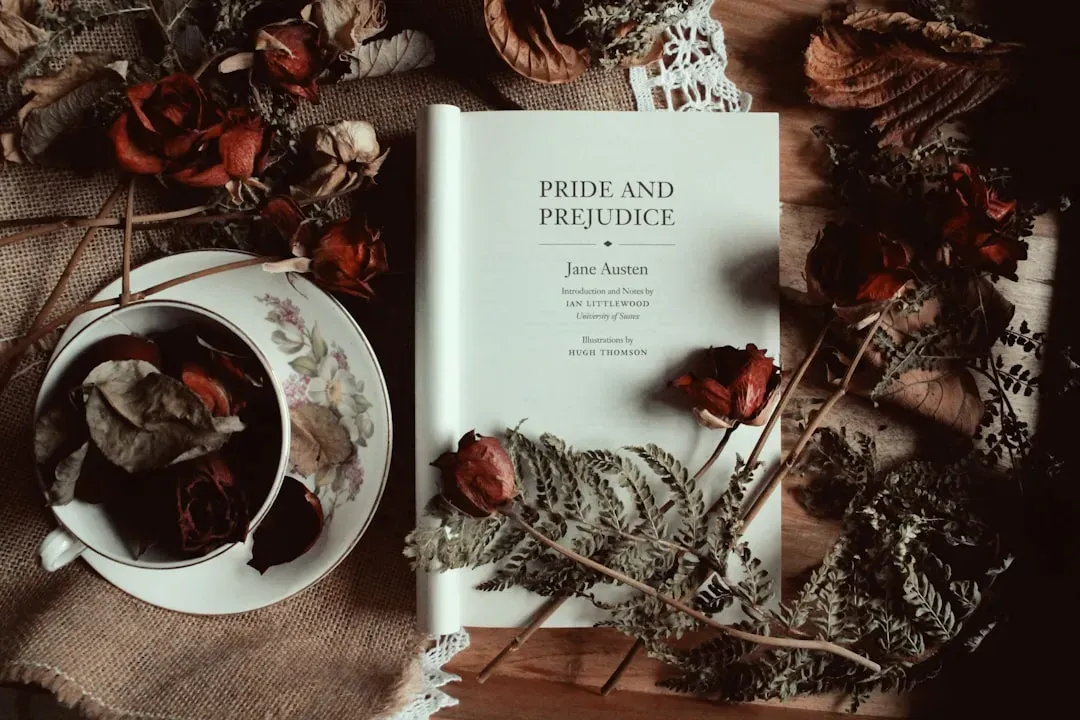
Every single romantic storyline where two people start off hating each other before falling in love owes a debt to Elizabeth Bennet and Mr. Darcy. Austen perfected this formula so completely that writers have been copying it for over two hundred years.
Think about it. The proud, seemingly arrogant guy who’s actually deeply sensitive underneath? The witty, independent woman who misjudges him at first? The slow burn where initial hostility transforms into electric attraction? That’s all Austen.
Modern rom-coms from “You’ve Got Mail” to “The Hating Game” follow this exact template. Even reality TV shows manufacture this dynamic between contestants because audiences find it irresistible. The tension, the misunderstandings, the moment when everything clicks into place – Austen wrote the blueprint.
What makes her version still work is that the conflict comes from genuine personality clashes and misunderstandings, not manufactured drama. The characters have to grow and change to deserve each other.
She Made Miscommunication Romantic Instead of Frustrating

In real life, miscommunication in relationships is annoying. In Austen’s novels, it became the engine driving romantic tension. She understood that what people don’t say often matters more than what they do.
Pride and Prejudice revolves around misunderstood intentions and incomplete information. Darcy’s proposal goes terribly because he assumes Elizabeth knows things she doesn’t. Emma completely misreads Mr. Knightley’s feelings because she’s too focused on matchmaking everyone else.
This narrative technique dominates modern romance. How many romantic comedies hinge on one character overhearing half a conversation or making assumptions based on limited information? Practically all of them.
Partner offer
Austen made us believe that misunderstandings could be charming rather than relationship-ending. She showed how initial friction could create sparks that lead to deeper understanding. Every “if they’d just talk to each other” moment in modern romance traces back to her storytelling style.
The Slow Burn Romance Became the Gold Standard

Austen had no interest in love at first sight. Her couples earn their happy endings through pages and pages of gradual realization, shifting perceptions, and slowly building attraction. This patience feels almost revolutionary in our instant-gratification culture.
Modern romance novels and films that prioritize slow development over quick passion are channeling Austen. The most beloved romantic storylines today – think of long-running TV shows where fans ship two characters for seasons – follow her model of delayed gratification.
She understood that watching two people slowly realize they’re perfect for each other creates more emotional investment than instant chemistry. The journey matters as much as the destination. Every “will they, won’t they” dynamic in television owes something to Austen’s narrative patience.
Dating culture in 2026 might favor quick swipes and instant connections, but the relationships people actually value still follow Austen’s template of gradual deepening attachment.
She Created the Witty Banter Template for Romance

Clever dialogue between romantic leads is everywhere in modern entertainment. Characters falling in love through verbal sparring feels natural and engaging. We have Austen to thank for establishing this as the language of romance.
Elizabeth and Darcy’s conversations crackle with intelligence and subtext. Emma and Mr. Knightley tease each other with affectionate barbs. Austen showed that intellectual equals make the best romantic partners, and that witty exchanges signal deeper compatibility.
Every romantic screenplay where characters demonstrate chemistry through rapid-fire dialogue follows this pattern. From screwball comedies to modern romantic dramas, verbal sparring indicates romantic potential. The “meet-cute” often involves some kind of argumentative first encounter full of clever comebacks.
Austen made us believe that people who can make each other laugh and think are destined for each other. The modern expectation that your partner should “get” your sense of humor? That’s pure Austen influence.
The Makeover Happened on the Inside, Not the Outside

Modern makeover stories typically involve physical transformation, but Austen’s makeovers were psychological and moral. Her characters had to genuinely become better people to earn their romantic rewards.
Darcy must overcome his pride and class prejudice. Emma has to recognize her own snobbery and stop meddling in others’ lives. These internal transformations matter more than any external change. The romance works because the characters deserve each other by the end in ways they didn’t at the beginning.
This idea that personal growth is sexy has become central to modern romance narratives. Characters who learn from their mistakes, who become more self-aware, who challenge their own assumptions – these are the protagonists we root for in contemporary stories.
The popular notion that you need to work on yourself before you’re ready for a serious relationship comes straight from Austen’s novels. She made self-improvement a prerequisite for romantic fulfillment.
Partner offer
Planning a trip to Vegas?
Compare hotel rates and show tickets on VEGAS.com.