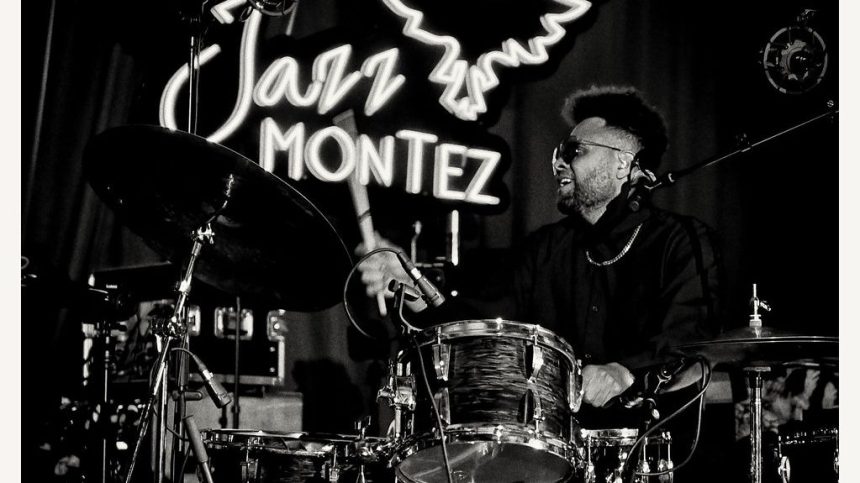
Most people think of jazz and as completely separate worlds. One lives in smoky clubs, the other in block parties and streaming playlists. But dig just a little deeper and the connection becomes impossible to ignore. and jazz are two branches of Black American music, and their essences have always swirled together. The influence is not always obvious, and that is precisely what makes it fascinating. Jazz has been shaping the sound, the spirit, and the structure of for decades, often in ways that neither artists nor listeners even consciously recognize.
The Vocal Roots: From Scat to Rap
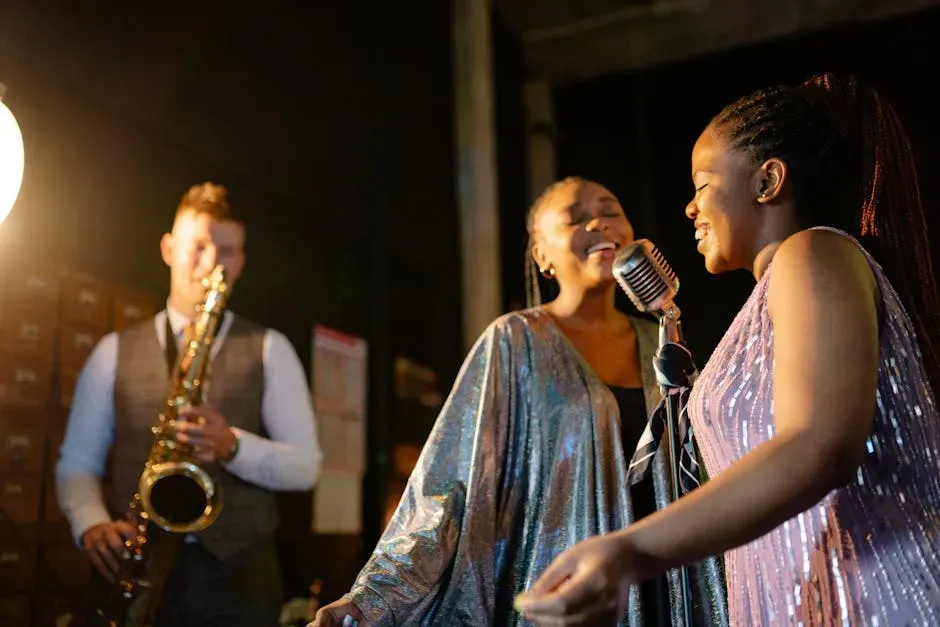
DJ Kool Herc is widely credited as the originator of , yet the true conceptual influence for rap came from scat solos by jazz musicians. That lineage stretches further back than most people realize. It can be traced all the way to the first scat solo on record, from Louis Armstrong and his Hot Five in 1926, a spontaneous improvised vocal solo that happened because Armstrong had dropped the sheet music for his trumpet melody. That accidental moment of vocal invention planted a seed that would bloom into an entirely new genre more than half a century later.
This association not only enriched the musical texture of but also provided a platform for social and political commentary, aligning with jazz’s historical role as a voice for African American experiences and struggles. Rap’s tradition of rhythmic, rapid-fire verbal delivery mirrors exactly the way bebop musicians used their instruments: as tools for commentary, storytelling, and virtuosity. Jazz is arguably second only to soul music in its influence on , and Quincy Jones once explained the shared roots clearly, noting that “few rappers realize the genre sprang from West African griots through Delta slave songs to jazz poetry and the comedic trash talk of ‘the dozens.'”
The Art of Sampling: Crate Digging as Cultural Archaeology
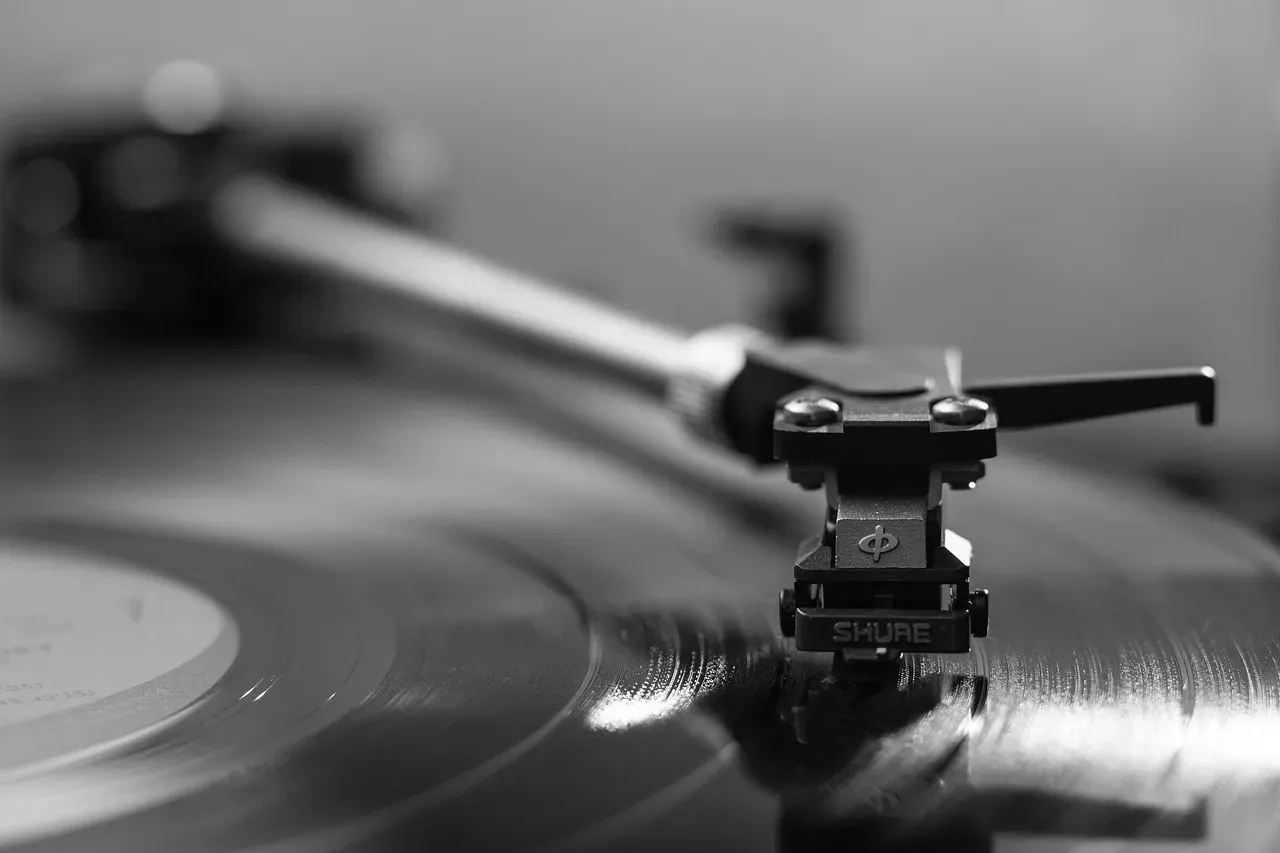
A large portion of early was built on taking pre-existing songs and recordings, created decades before, and presenting them in a new, different light. This process was known as sampling, named for the sampler, which could literally record chunks of time as digital audio and allow users to manipulate it at will. Jazz records became among the most prized sources for this practice. In the 1990s, music underwent a significant transformation as producers began incorporating jazz influences into their beats, primarily through samples taken from jazz records, which were lifted from vinyl and then manipulated to create new compositions.
According to data from Tracklib, in 2019 music in the genre was the most likely to contain samples, with roughly a third of songs in the U.S. top 100 containing a sample that year. Jazz records sat at the center of that practice. For many listeners, jazz is most evident in today’s music as a result of sampling, with people more accustomed to hearing sampled fragments of jazz tunes in the form of a catchy bass line or a well-worn drum break than sitting down to a full jazz recording. Sampling jazz records from vinyl also helped preserve the legacy of jazz itself. Many jazz records from the past were rediscovered by producers and reintroduced to a new generation of listeners, giving them an appreciation for jazz that may not have otherwise existed.
J Dilla, Madlib, and the Invisible Jazz Architecture
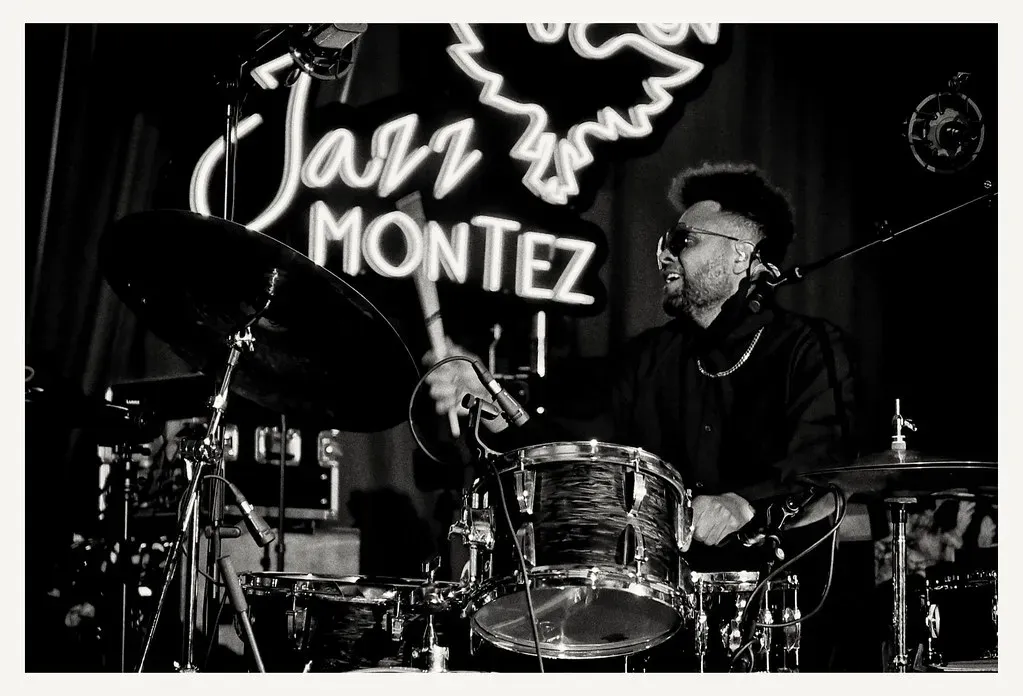
J Dilla’s distinctive production style was marked by his intricate layering of very short samples, often drawn from classic jazz recordings, and his use of hand-played drumbeats. Instead of utilizing quantization, which automatically subdivides beats into a standardized loop, Dilla often used a drum machine to perform his beats by hand. This process gave his beats a loose and flexible feeling that captured the attention of drummers in both and jazz. That looseness was not a flaw. It was a direct echo of jazz’s own rhythmic philosophy.
Producers like J Dilla and Madlib went extraordinarily deep in their source material, reaching into Eastern European psych rock and 1970s Japanese jazz fusion. Dilla might take a warped electric piano from an obscure jazz record, chop it up, and rearrange it into a whole new rhythm. The use of samples by producers such as J Dilla is part of a much longer tradition that goes back to the roots of jazz, when artists were bending popular music to fit their own needs. The techniques were different, the technology was different, but the underlying impulse to take something old and make it feel brand new was identical.
Robert Glasper: The Bridge Between Two Worlds
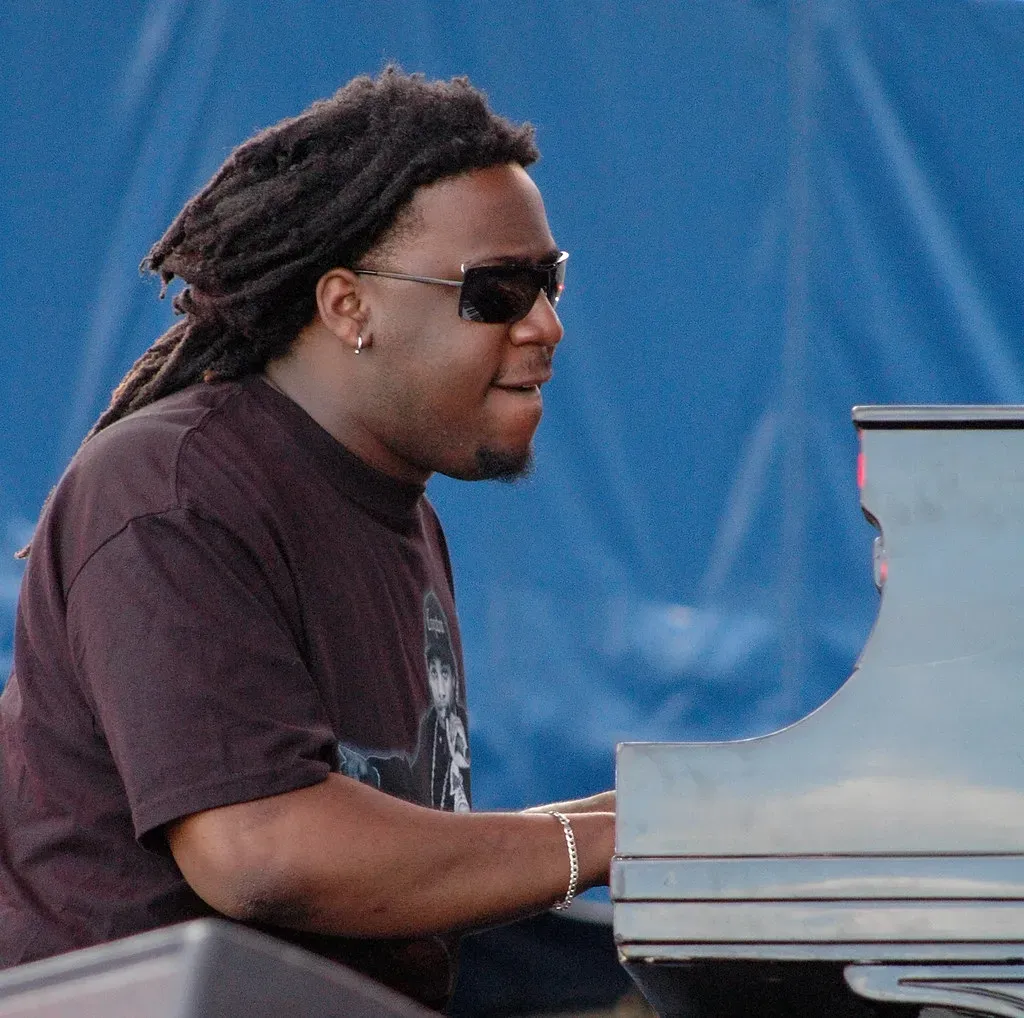
Robert Glasper is a genre-defying pianist, producer, and composer celebrated for blending jazz, R&B, and in groundbreaking ways. With a rich catalog that includes iconic albums like Black Radio and its sequels, Glasper has redefined contemporary jazz. His influence on the conversation between jazz and is hard to overstate. Glasper’s key contribution was adapting the distinctive beats and loops of production to the instrumentation of the jazz piano trio. That translation moved in both directions, bringing jazz structure into and bringing energy into jazz venues.
In 2015, Glasper played keyboards on Kendrick Lamar’s landmark album To Pimp a Butterfly. The collaboration was not incidental but deeply structural to the album’s whole sound. In 2024 and 2025, Glasper released four new albums including Let Go, Code Derivation, Keys to the City: Volume 1, and a holiday album, In December, continuing his streak of innovative music. While he prefers the term “musician” to “jazz musician,” Glasper is profoundly aware of jazz’s role as canon, foundation, and inspiration for today’s musical movements, particularly , and has said that “jazz and belong together.”
Kendrick Lamar and the Jazz Legacy Still Alive in 2024
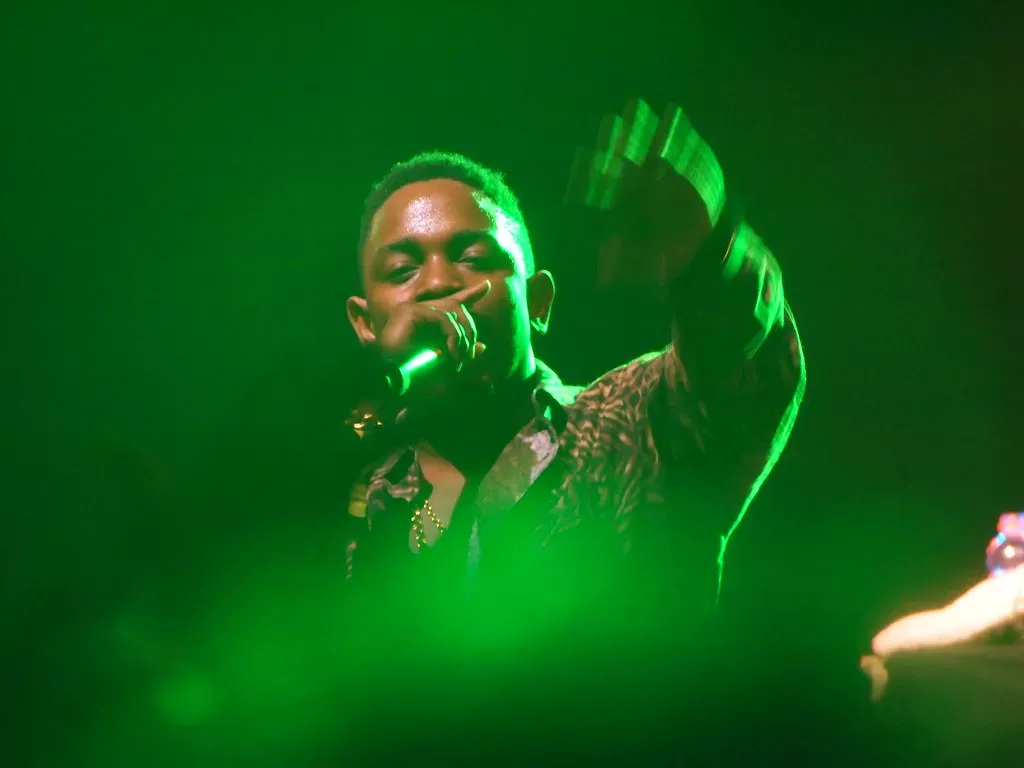
In 2015, Kendrick Lamar released To Pimp a Butterfly, which infused with historical African-American music genres such as jazz, funk, and soul, becoming his first of five consecutive number-one albums on the Billboard 200. That album is widely considered one of the most deliberate and successful fusions of jazz and in modern history. Critics described it as “the radical, jazz-immersed” centerpiece of Lamar’s catalog. The jazz elements were not decorative. They were architectural.
On Lamar’s 2024 album GNX, the track “TV Off” evolved from a single idea into a two-part composition with help from jazz virtuoso Kamasi Washington, who has worked on every Kendrick project since To Pimp a Butterfly. Lamar’s accolades now include 27 Grammy Awards, the most for any rapper, and jazz has been present at nearly every defining moment in his artistic journey. In 2018, he was awarded the Pulitzer Prize for Music, becoming the first musician outside of the classical and jazz genres to receive the award. That distinction alone speaks to how deeply his work, shaped by jazz, has been recognized as serious artistic expression.
‘s Dominant Status and Jazz as Its Invisible Foundation
In terms of volume, and rap artists are the biggest presence in modern music, and the all-time most dominant genres for tracks are and rap, rock, and pop. Jazz, by contrast, occupies a far smaller share of streaming numbers today. Yet its fingerprints are everywhere in the genre that dominates global culture. The connection between jazz and gave labels like Blue Note credibility with a younger audience, and this development led to Blue Note launching a long-running compilation series called Blue Note Break Beats, which featured the label’s most-sampled songs.
Today, sampling in is more versatile than ever. With digital tools like Serato Sample, stem splitters, and AI-assisted plugins, producers can chop, isolate, and flip audio in ways crate diggers from the 1990s could not have imagined. Yet even with all the technology, the core spirit has not changed: it is still about reimagining sound. The influence of jazz on is still evident today and continues to shape the sound of the genre. What began in New Orleans jazz clubs and speakeasies eventually rewired the DNA of the most dominant musical force on the planet.