Think about the last time someone from your favorite genre got acknowledged by institutions that typically ignore your world. Feels surreal, right? That’s exactly what happened on April 16, 2018, when the Pulitzer Prize board announced something nobody saw coming. Rap music and elite cultural institutions have always kept their distance from one another, until one album smashed through that invisible wall. Here’s the thing: this wasn’t just another rapper collecting another trophy. This was different, bigger, and honestly quite revolutionary.
Breaking Down Barriers: The First Hip-Hop Artist to Win
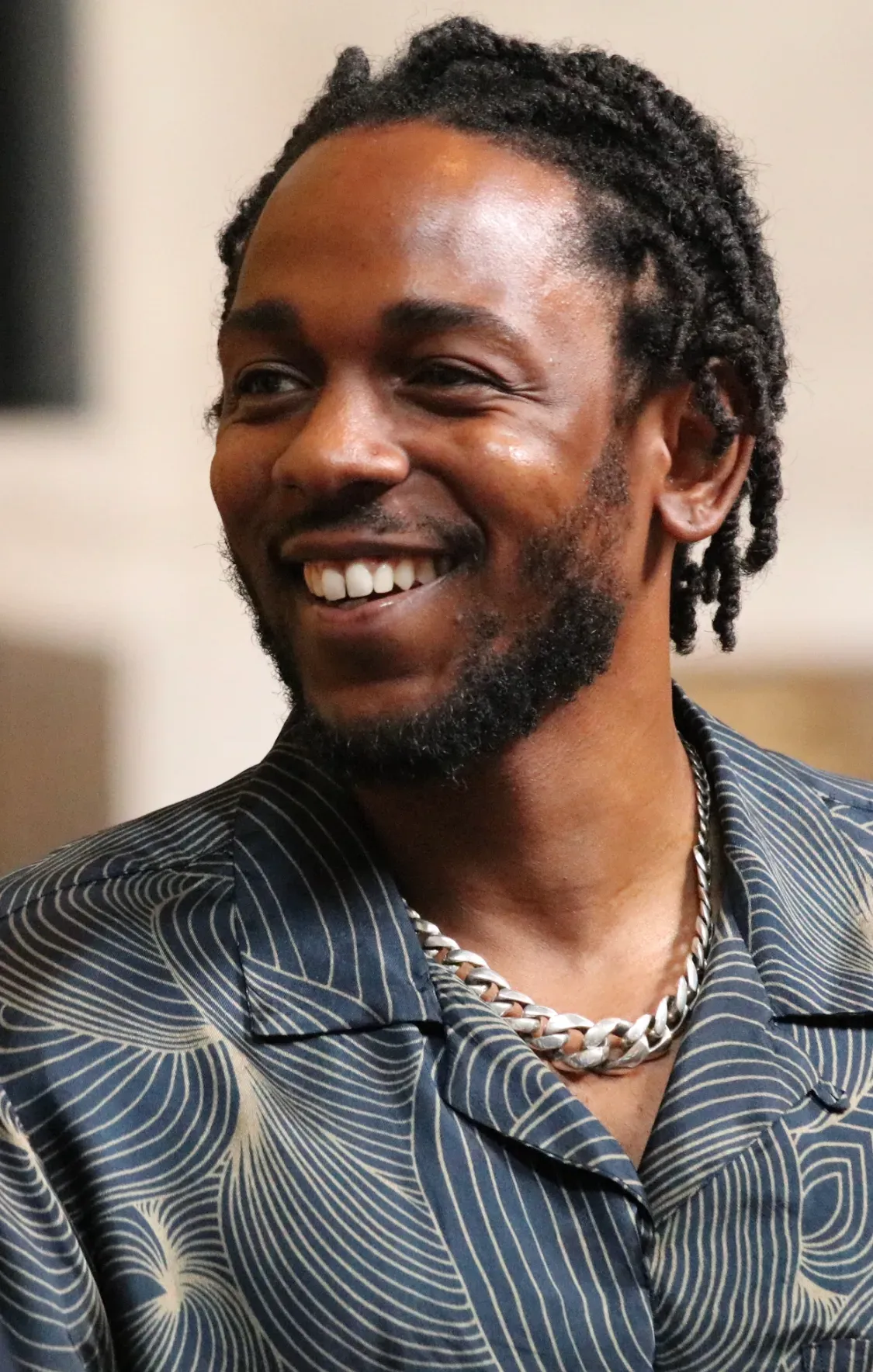
Kendrick Lamar earned the 2018 Pulitzer Prize for Music for his album DAMN., becoming the first time an artist outside of the classical and jazz genres received the honor. Let’s be real, this shocked everyone. It was a watershed moment for the Pulitzers and Lamar and a sign of the American cultural elite’s recognition of hip-hop as a legitimate artistic medium.
The Pulitzer Prize in Music, created in 1943, traditionally honored works based on classical and jazz music traditions, with the prize just starting to open up with Wynton Marsalis’s jazz oratorio Blood on the Fields in 1997. Before Lamar’s victory, the committee had rejected legendary figures like Duke Ellington back in 1965. That’s how closed these doors were. It was the first win for a non-classical or jazz musician since the awards began including music some 75 years ago, according to Variety.
Why DAMN. Deserved the Recognition

The Pulitzer board wasn’t handing out participation trophies here. The board deemed the album “a virtuosic song collection unified by its vernacular authenticity and rhythmic dynamism that offers affecting vignettes capturing the complexity of modern African-American life”. That’s quite a mouthful, yet it captures exactly what made this album special.
Released on April 14, 2017, by Top Dawg Entertainment, Aftermath Entertainment, and Interscope Records, DAMN. wasn’t just another rap album. It debuted at number one on the Billboard 200 with 603,000 album-equivalent units in its first week, selling 353,000 copies and accumulating over 340 million streams. The commercial success matched the artistic achievement, proving you don’t have to choose between reaching people and making something profound.
The Cultural Elite Finally Pays Attention

Look, I think the timing of this win mattered more than people realize. The recognition came on the heels of growing acceptance of hip-hop from reigning cultural institutions over the past year, including LL Cool J becoming the first hip-hop artist to be acknowledged by the Kennedy Center Honors and Jay-Z the first rapper to be inducted into the Songwriters Hall of Fame.
Something was shifting in the air. Administrator Dana Canedy said that the decision to give the award to Lamar was unanimous, adding that it was “a big moment for hip-hop music and a big moment for the Pulitzers”, according to the History Channel. The winner receives a $15,000 prize, though honestly, the prestige meant more than any check ever could.
Opening Academic Doors Worldwide

The ripple effects hit university campuses faster than anyone expected. Kendrick Lamar winning the Pulitzer Prize paved the way for institutions, universities, museums, and symphonies to explore and legitimize hip-hop as part of the academic and artistic canon, with institutions like Harvard, Yale, and the University of Cambridge incorporating hip-hop into their curriculum, analyzing it alongside Shakespeare, Tony Morrison and James Baldwin.
Temple University introduced a course titled “Kendrick Lamar and the Morale of M.A.A.D City” in Fall 2025, taught by Timothy Welbeck, an established educator in Africology and African American Studies who has previously taught classes on influential artists like Tupac Shakur and Beyoncé. Universities teaching rap like literature? That’s what a Pulitzer can do.
Impact on the Music Industry Itself

Industry attitudes shifted almost overnight. Following the Pulitzer win, there was a significant increase in purchases and streaming numbers of DAMN., demonstrating the commercial advantage of critical success. Money talks, and suddenly executives paid closer attention.
By June 2018, it became the first album by a rapper or solo artist to have every song featured earn a gold certification or higher from the Recording Industry Association of America. Every. Single. Track. The Damn Tour grossed $62.7 million in worldwide revenue, becoming one of the highest-grossing hip-hop tours in history, proving the win translated to serious business success.
Inspiring a New Generation of Artists

The precedent encouraged other artists from marginalized backgrounds to push for their work to be taken seriously in elite cultural spaces, serving as an inspiration for new generations of rappers, poets, and musicians to use their art as a tool for social commentary. Think about young artists watching this moment unfold. Suddenly, they saw a path nobody told them existed.
Lamar influenced artists across the world from African grios modernizing their storytelling traditions to Latin American and Middle Eastern rappers using hip-hop as a platform for resistance against oppression, with the themes he explores regarding racial injustice, spirituality, and personal struggles making his music relatable to oppressed communities worldwide. That’s global impact right there.
Kendrick’s Continued Evolution and Influence
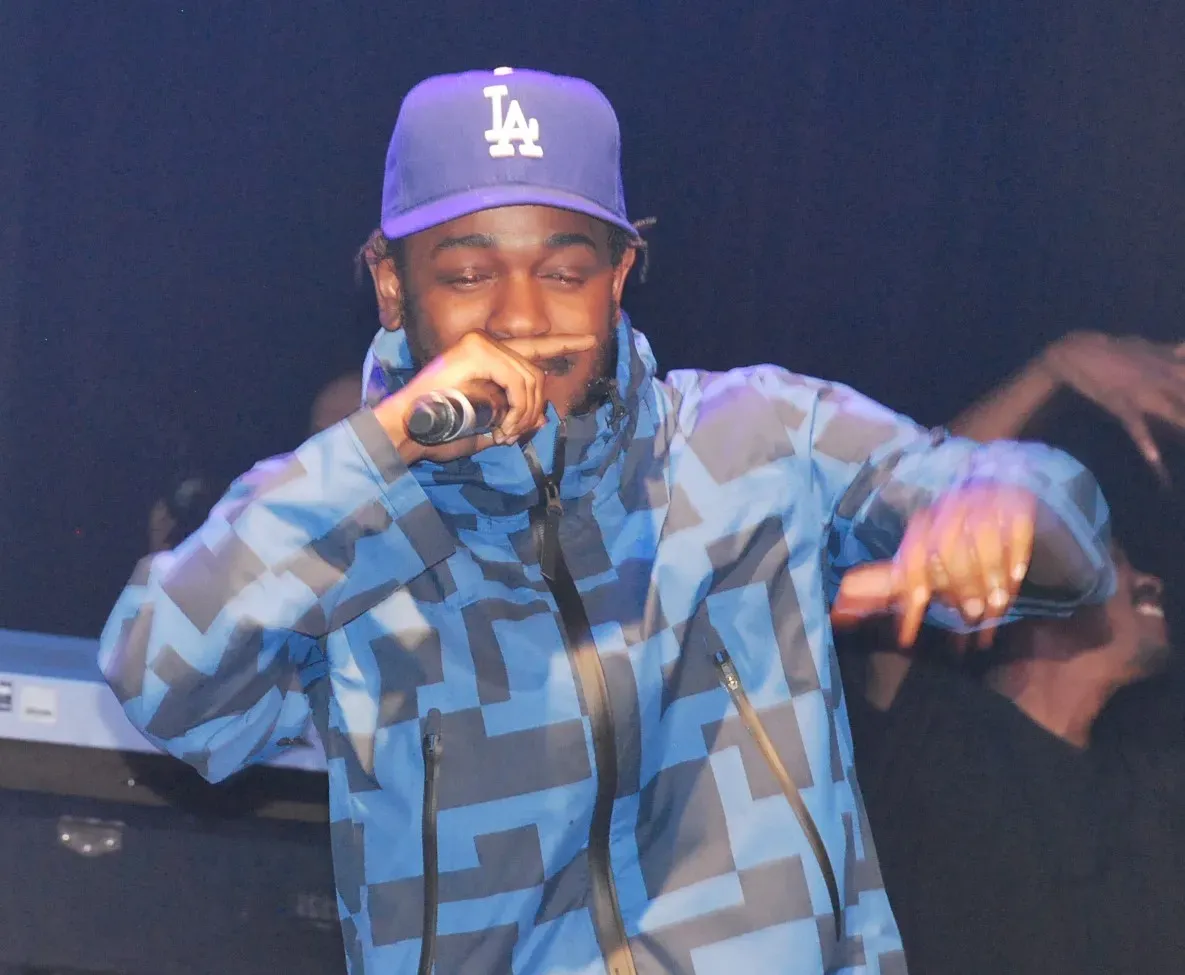
Lamar didn’t rest on his laurels after the win. His 2024 highly publicized feud with Drake and sixth album GNX spawned the Billboard Hot 100 number-one singles “Like That”, “Not Like Us”, “Squabble Up”, and “Luther”, with “Not Like Us” winning five Grammy Awards, including Song of the Year and Record of the Year.
His 2025 Grand National Tour with SZA is the highest-grossing co-headlining tour in history. The Pulitzer was a turning point, not a conclusion. For the 2026 GRAMMYs, three albums are nominated simultaneously in Album Of The Year and Best Rap Album for the first time ever, with Kendrick Lamar’s GNX landing him another first as the first solo artist to receive Album Of The Year nods for five consecutive studio albums. Some artists define an era; Kendrick is defining multiple eras at once.
The Pulitzer Prize board didn’t just honor one man or one album that April afternoon in 2018. They acknowledged decades of brilliant artistry that institutions had ignored, dismissed, or actively resisted. Hip-hop fought for legitimacy since its birth in the Bronx in the 1970s, battling every step of the way for respect. Kendrick Lamar’s win represented a tipping point where denial became impossible. Whether you love rap or hate it, you can’t pretend anymore that it’s anything less than a profound artistic medium capable of moving souls, challenging minds, and reshaping culture. That door he kicked open? It’s staying open. Did you expect that one album could shift centuries of institutional thinking? What does hip-hop’s recognition as high art mean for the next generation?