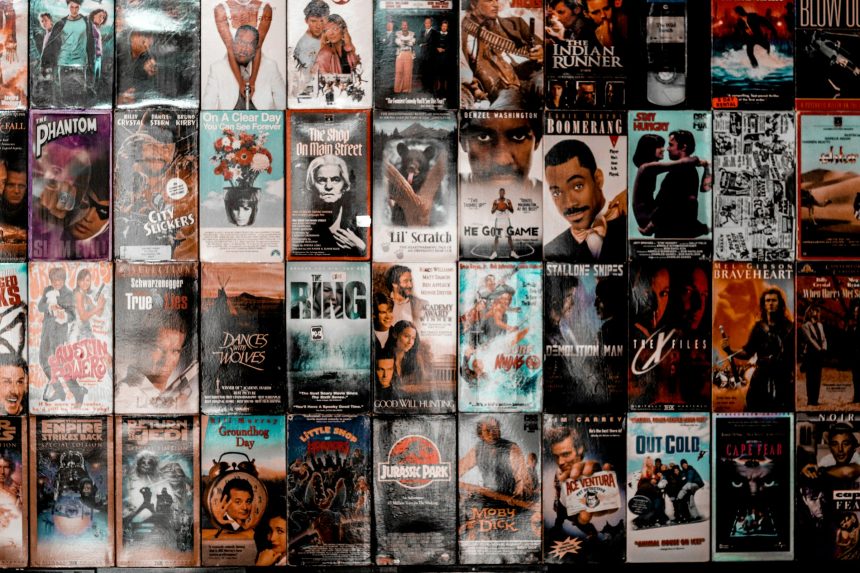
There’s something about the creak of saddle leather and a lone figure walking down a dusty main street that never quite loses its pull. Westerns shaped American cinema for decades, and the best ones still hold up as some of the finest filmmaking ever put to screen. This list rounds up ten essential titles that defined the genre, each one worth a watch if you haven’t already crossed it off.
1. The Searchers (1956)

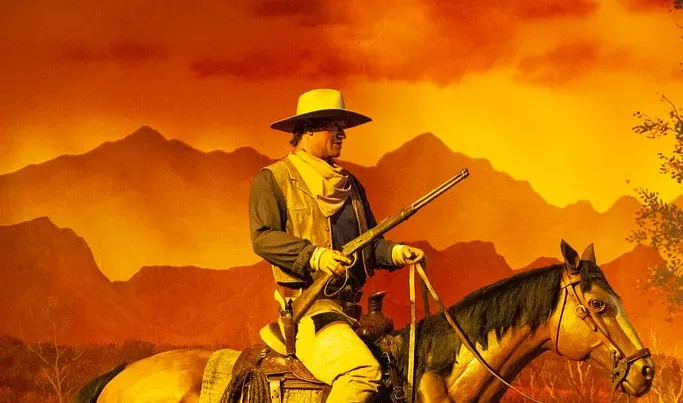
John Ford’s sweeping epic follows a Civil War veteran obsessed with finding his kidnapped niece across the harsh Texas frontier. John Wayne delivers what many critics consider his most complex performance, playing a man whose search is tangled up with prejudice and rage rather than simple heroism. The film’s use of Monument Valley as a backdrop became so iconic that the location is practically synonymous with the Western genre itself.
Directors from Martin Scorsese to George Lucas have cited it as a major influence, and its final shot of Wayne framed in a doorway is one of the most studied images in film history. It’s the kind of movie that rewards a second viewing, since the moral ambiguity only gets sharper the more you sit with it. If you’ve seen just one film on this list, there’s a good chance it’s this one.
2. High Noon (1952)

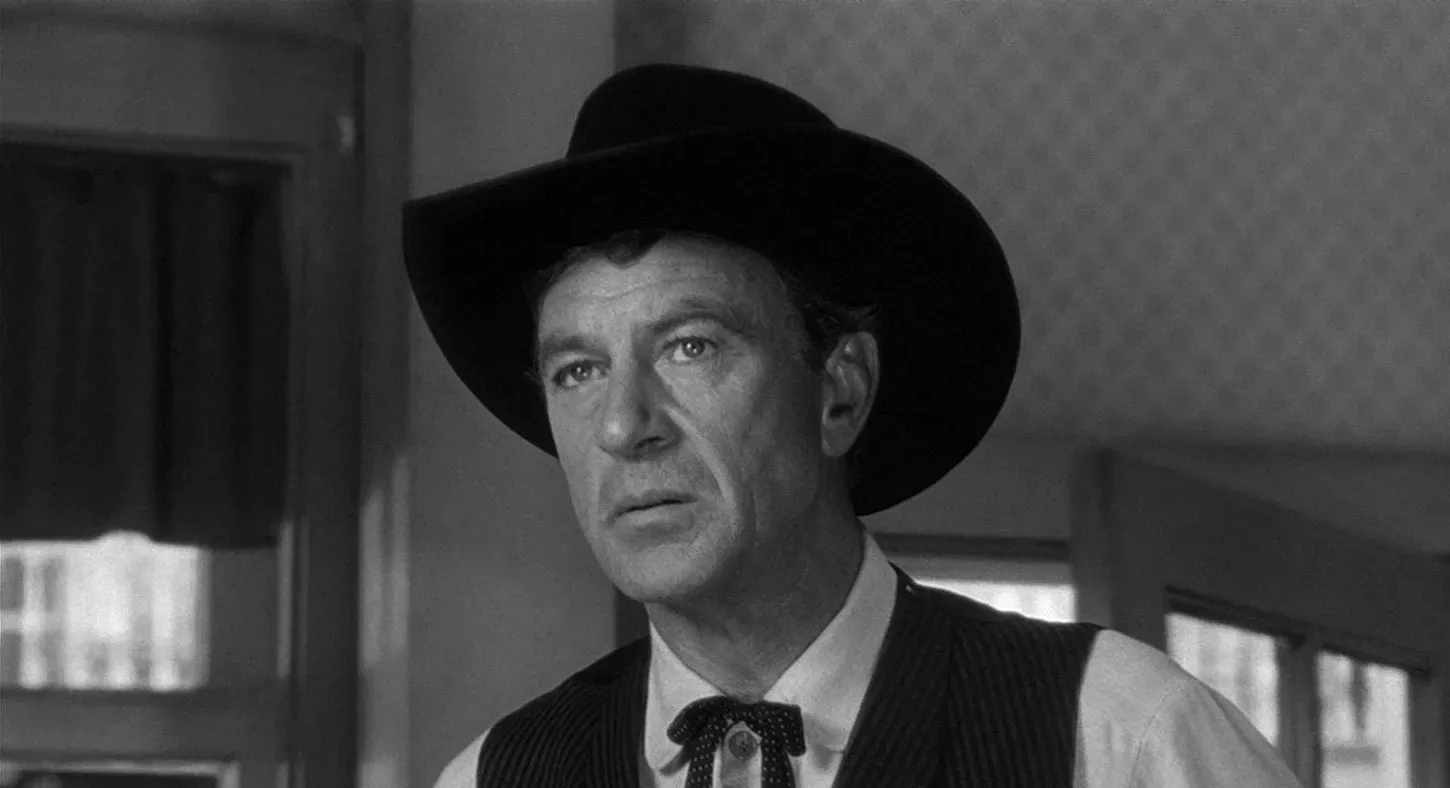
Gary Cooper plays a marshal abandoned by his town as he waits for a gang of killers to arrive on the noon train. The film unfolds in something close to real time, with clocks appearing throughout to ratchet up the tension minute by minute. It won four Academy Awards, including Best Actor for Cooper, and remains a favorite reference point for stories about standing alone against public cowardice.
Many have read the script as a commentary on the Hollywood blacklist era, since screenwriter Carl Foreman wrote it while facing pressure from the House Un-American Activities Committee. Whether or not you catch that subtext, the film works purely as a tense, stripped down thriller. Its sparse style influenced countless later Westerns that traded spectacle for psychological pressure.
3. Shane (1953)

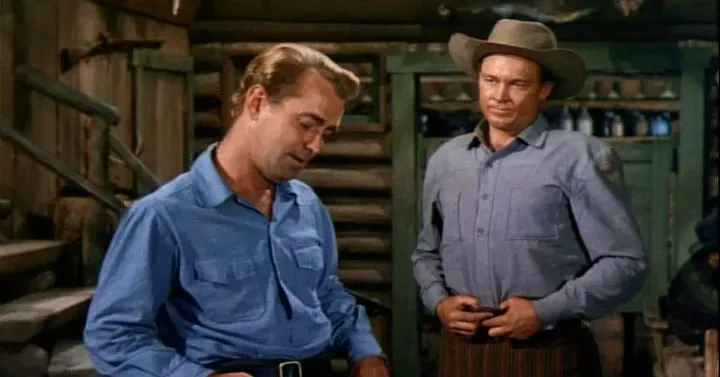
A mysterious gunfighter tries to leave his violent past behind by helping a family of homesteaders fend off a ruthless cattle baron. Alan Ladd’s quiet, weathered performance in the title role became a template for the reluctant hero archetype that shows up across countless later films. The Wyoming scenery, shot in vivid Technicolor, gives the movie a painterly quality that still looks striking decades later.
The film’s ending, with a wounded Shane riding off alone, is one of the most imitated closing images in Western history. It also captures a theme that runs through much of the genre: the idea that civilization and violence can’t quite coexist. Younger viewers who grew up on modern action films sometimes find its pacing slower, but the emotional payoff still lands.
4. The Good, the Bad and the Ugly (1966)

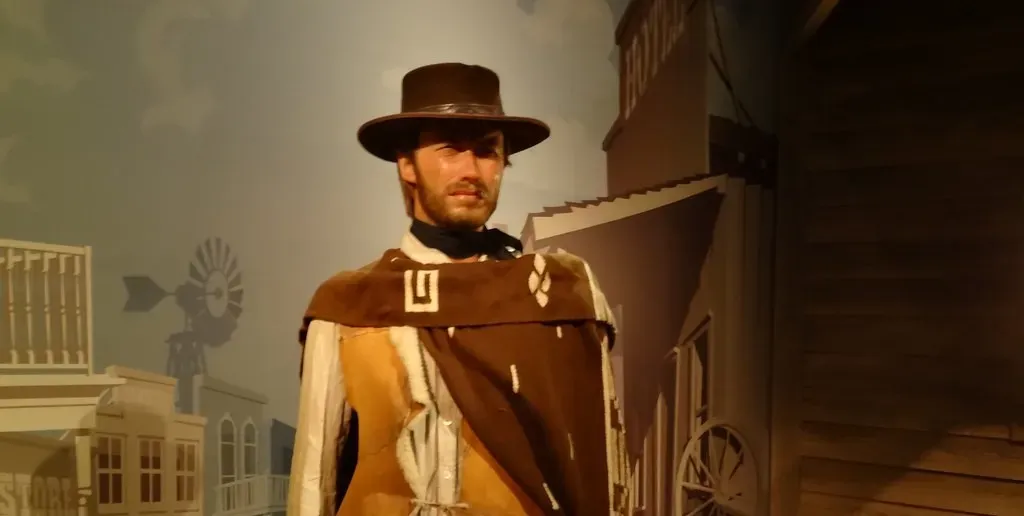
Sergio Leone’s operatic finale to the Dollars Trilogy stars Clint Eastwood, Lee Van Cleef, and Eli Wallach as three men chasing buried Confederate gold during the Civil War. Ennio Morricone’s score is instantly recognizable even to people who’ve never seen the film, which says something about how deeply it seeped into popular culture. The final three way standoff is often cited as one of the best sequences ever edited.
Leone’s approach to the genre, sometimes called the Spaghetti Western for its Italian production roots, favored extreme close ups and long stretches of silence over quick dialogue. That style felt radical at the time and still feels distinct today. Eastwood’s turn as the Man with No Name helped establish him as a global star well before his later directing career.
5. Butch Cassidy and the Sundance Kid (1969)

Paul Newman and Robert Redford play a pair of outlaws whose charm and camaraderie soften what is, underneath it all, a pretty bleak story about running out of road. The film mixes comedy and tragedy in a way that felt fresh for the genre at the time, and the chemistry between its two leads carries much of the movie. Its famous freeze frame ending has become a shorthand reference for doomed but stylish exits.
The film won four Oscars, including Best Original Screenplay for William Goldman, and its blend of wit and melancholy influenced buddy films well outside the Western genre. Burt Bacharach’s score, including the song written for the bicycle scene, gave the movie an unusually light musical touch for its time. It’s often recommended as an entry point for viewers who assume Westerns are all grim and humorless.
Partner offer

6. Unforgiven (1992)

Clint Eastwood both directed and starred in this later era Western, playing an aging former killer pulled back into violence for one last job. The film won Best Picture and Best Director at the Academy Awards, a rare honor for a genre that had largely faded from mainstream popularity by the early 1990s. It deliberately strips away the romanticism found in earlier Westerns, showing violence as messy and consequential rather than heroic.
Gene Hackman won Best Supporting Actor for his role as a sheriff whose brutality is presented without glamor. Eastwood reportedly held onto the script for years before making it, wanting to reach an age where he could believably play the weight of his character’s past. The result plays almost like a rebuttal to the genre Eastwood himself helped define decades earlier.
7. True Grit (1969)

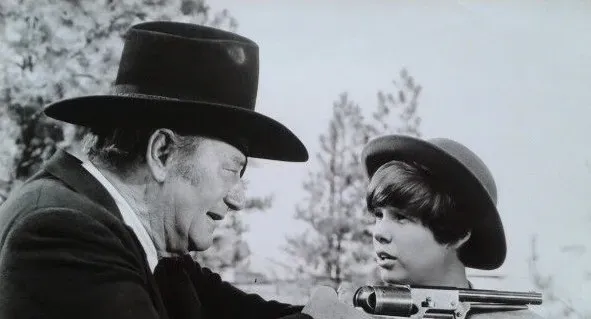
John Wayne finally won his only competitive Academy Award for playing Rooster Cogburn, a one eyed, hard drinking U.S. Marshal hired by a determined teenage girl to track her father’s killer. The film balances gritty violence with surprising warmth, largely thanks to the dynamic between Wayne and young actress Kim Darby. Wayne’s performance is looser and more self aware than much of his earlier work, poking gentle fun at his own screen persona.
The Coen brothers later remade the film in 2010 with Jeff Bridges in the lead role, sticking closer to the original novel by Charles Portis. Both versions have their admirers, but the 1969 original remains historically significant simply for finally rewarding Wayne’s decades long career with an Oscar. It’s a good pick for viewers who want a Western with a bit more humor mixed into the grit.
8. Stagecoach (1939)

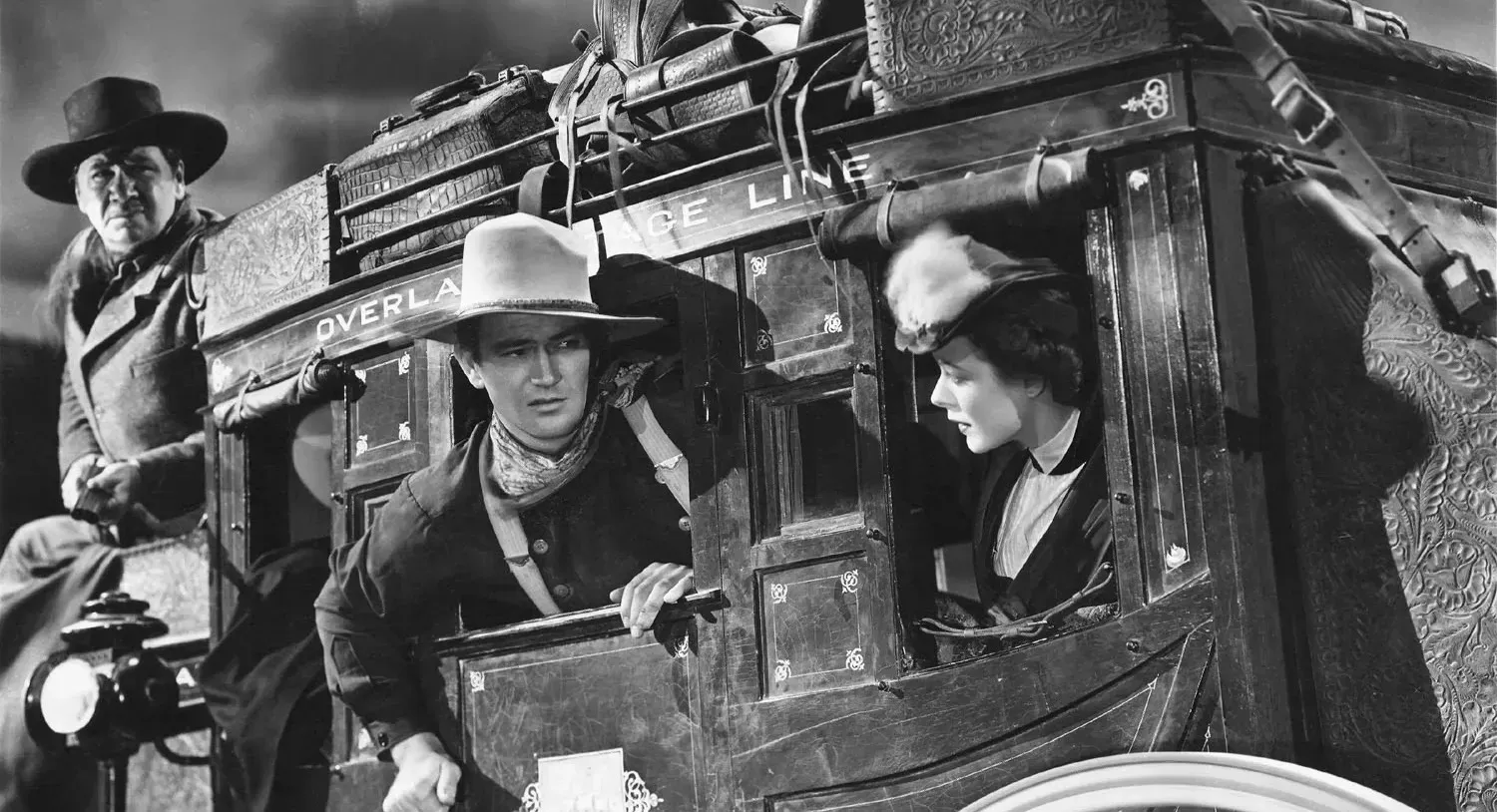
John Ford’s Stagecoach is often credited with elevating the Western from cheap matinee fare into serious, respected filmmaking. It also marked the role that made John Wayne a star after years of working in lower budget pictures. The plot follows a diverse group of passengers crossing dangerous Apache territory, using the confined stagecoach setting to build tension between characters from different backgrounds.
Orson Welles reportedly watched the film dozens of times while preparing to make Citizen Kane, studying Ford’s use of deep focus cinematography. The film’s Monument Valley locations set a visual standard that Ford himself would return to repeatedly throughout his career. For anyone curious about where the modern Western template actually started, this is close to ground zero.
9. Once Upon a Time in the West (1968)

Sergio Leone’s follow up to his Dollars Trilogy is a slower, more deliberate film that many critics consider his masterpiece. Henry Fonda plays sharply against type as a cold blooded villain, a casting choice meant to shock audiences familiar with his usual wholesome roles. Charles Bronson’s harmonica playing avenger gives the film its emotional and mysterious core.
The film opens with an almost wordless ten minute sequence at a train station that has become legendary among film students for its patience and sound design. Ennio Morricone again composed the score, reportedly writing much of the music before filming even began so Leone could shoot scenes to match it. Though it underperformed at the American box office initially, its reputation has only grown over the decades.
10. Dances with Wolves (1990)

Kevin Costner directed and starred in this sweeping story about a Civil War soldier who forms a bond with a Lakota community on the frontier. The film won seven Academy Awards, including Best Picture and Best Director, and was notable for its extensive use of the Lakota language with English subtitles. It marked a shift toward Westerns that tried to portray Native American characters and cultures with more depth and respect than earlier genre entries typically managed.
The film’s three hour runtime and deliberate pacing were unusual for a mainstream release at the time, yet audiences responded strongly, and it became a major box office success. Its influence extended beyond the Western genre, encouraging more nuanced portrayals of Indigenous characters in later films. Even three decades later, it remains a frequently cited touchstone for how the genre evolved past its earlier, less careful era.
Partner offer
Planning a trip to Vegas?
Compare hotel rates and show tickets on VEGAS.com.