Most of us can name a Nobel laureate in literature. Far fewer can say they’ve finished one of the books behind the prize. The Nobel often lands on writers who are respected, translated, and quietly intimidating on the shelf.
The last five years of winners are a good test. They span Canada, Hungary, South Korea, Norway, and France, and they write in very different registers. Here’s a look at one or two books from each that are worth knowing, and what the prize committees said about them.
Anne Carson, the 2026 Laureate Who Blurs Every Genre
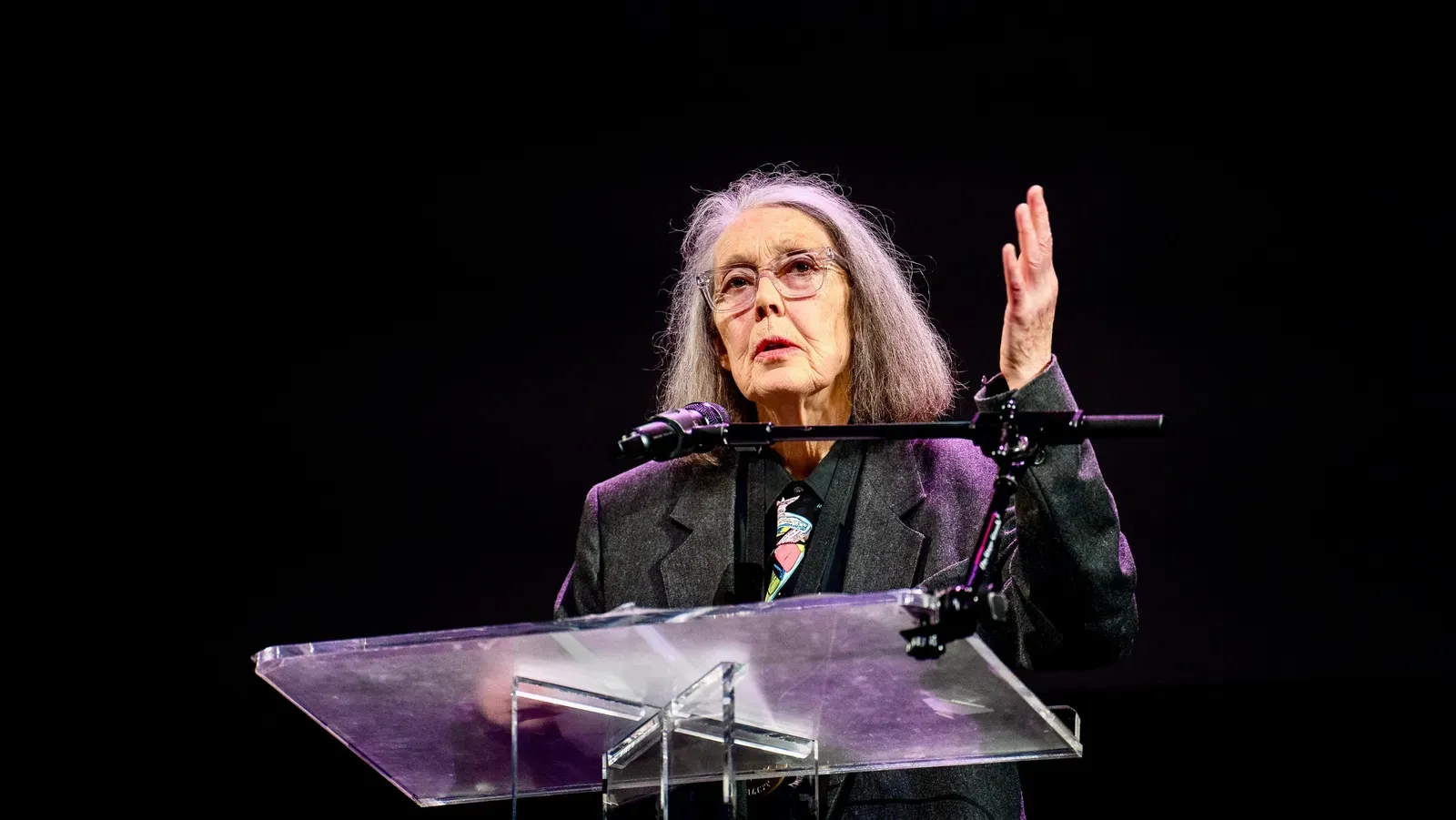
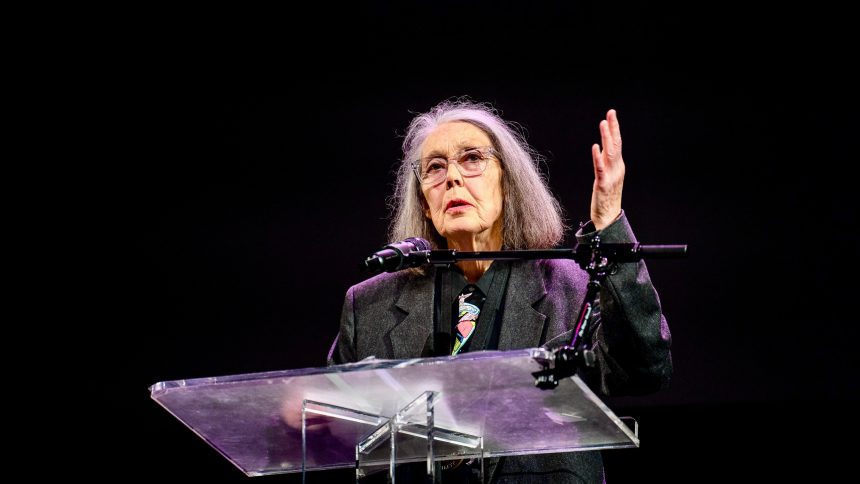
Anne Carson is the newest name on the list. The Swedish Academy awarded her the 2026 prize on October 8, 2026, and she has combined poetry, translation, and university teaching throughout her career. The academy credited her with creating new forms for contemporary literature through a playful dialogue with the classical tradition.
If you want a starting point, try Autobiography of Red, her 1998 retelling of the myth of Geryon as a novel in verse. Nox, from 2010, is a book shaped like a scroll, built around the death of her brother. She has described the etymology of words as the starting point for all her work, which explains why her pages can feel as much like philology as poetry.
László Krasznahorkai and the Sentence That Won’t Stop
Krasznahorkai took the 2025 prize, which Al Jazeera notes was the year before Carson’s win. The Hungarian writer is known for long, winding sentences that can run for pages. Reading him is less like following a plot and more like being pulled along by a current.
Satantango, his 1985 debut novel, is the usual entry point. Béla Tarr later turned it into a film of roughly seven hours in 1994, which says something about the book’s slow, hypnotic pace. The Melancholy of Resistance is another strong option if you’d like a second book to compare.
Han Kang and the Book That Made Her Famous Abroad

Han Kang won in 2024, cited for intense poetic prose that confronts historical traumas and exposes the fragility of human life. She was the first South Korean, and the first Asian woman, to win the literature prize. For many English readers, her name was already familiar well before that day.
The Vegetarian is the book most people know. It follows a woman who stops eating meat and the unsettling reaction from her family. Han Kang and her translator Deborah Smith shared the International Booker Prize for it in 2016. Human Acts, about the 1980 Gwangju uprising, shows the historical side of her work more directly.
Jon Fosse, Who Turned Quiet Into Drama

The Norwegian writer Jon Fosse received the 2023 prize, and the academy highlighted his plays and prose for giving voice to what is hard to say. He is among the most performed living playwrights in Europe. His fiction, though, is where many English readers meet him.
Septology is his large work, a seven part novel told in one continuous flow without full stops, published in English across three volumes. It follows an aging painter, and the repetition works almost like a prayer. Readers who find that daunting can try the shorter Aliss at the Fire, which is a far smaller commitment.
Annie Ernaux and the Memoir That Reads Like a Collective Diary

Annie Ernaux, the French author, won in 2022. Her books draw on her own life, yet they rarely feel self indulgent. She writes in a plain, precise style that treats personal memory as social history.
The Years, first published in French in 2008, tells the story of her generation through photographs, songs, and shifting everyday habits, mostly without using the word I. Shorter titles such as A Man’s Place, about her father, and Happening, about an illegal abortion in 1960s France, are quick reads. You can finish either in a single sitting.
Where to Start

Pick the writer whose style sounds least like your usual reading, and begin with the shortest book listed here. Carson’s Nox, Ernaux’s A Man’s Place, and Fosse’s Aliss at the Fire are all brief. Han Kang’s The Vegetarian and Krasznahorkai’s Satantango take a little more time.
Counting how many you’ve read is the easy part. The better result is finishing one you’d otherwise have skipped.