
Picture this. Thousands of people swaying to the beat under open skies, artists on massive stages delivering electrifying performances, and behind the scenes, something even more powerful taking shape. Money flowing into local schools, food banks restocking their shelves, healthcare facilities receiving vital equipment. Music festivals have quietly become one of the most effective engines for charitable giving in communities across the globe.
Let’s be real, we often think of festivals as just epic weekends packed with incredible music. The truth is, many of these events are now built on foundations of giving back. From major players like Glastonbury raising millions for humanitarian causes to smaller regional festivals funding local youth programs, the impact runs deep. It’s happening all around us, and the numbers tell a story that might surprise you.
Glastonbury’s Record-Breaking Charity Contributions in 2024

Glastonbury Festival donated over 5.9 million pounds to charitable causes and campaigns by the end of 2024, with 4.3 million pounds in direct donations including 2 million pounds to the NHS Somerset Charity and 126,000 pounds to support hospitals in Bristol and nursing staff across the UK. That’s a massive jump. This represented an increase of 2.2 million pounds from the previous year when 3.7 million pounds was raised.
Oxfam, WaterAid and Greenpeace are Glastonbury’s incredible joint charity partners, and the festival made payments of over 1.9 million pounds across the three organizations for 2024, both as donations and as payments for service provisions such as stewarding. These long-standing partnerships show how festivals can create reliable funding streams for organizations doing critical work around the world. Honestly, when you consider the festival’s reach and influence, turning profit into purpose becomes incredibly powerful.
When Charity Is Built Into the Festival’s DNA

Some festivals don’t just add charity as an afterthought. They’re built as nonprofits from day one. M3F Music Festival in Phoenix, Arizona is literally a nonprofit established to support a bevy of local and international charities. The festival structure itself exists to generate funds for causes.
Rock The Ocean’s Tortuga Music Festival operates as a program of Rock The Ocean Foundation, a nonprofit that focuses on turtle and shark conservation, coral reef degradation, overfishing, and marine pollution. Think about that for a moment. Festival tickets directly fund ocean conservation efforts while people enjoy incredible live music. CarFest was created in 2012 specifically to raise funds for UK children’s charities, and it’s raised 23 million pounds for UK partner charities since it started.
Direct Dollar Donations From Festival Ticket Sales

Electric Daisy Carnival’s company Insomniac launched a Charitable Giving Initiative which sets aside one dollar per ticket for charity, and through this the company has donated over 200,000 dollars to local and regional organizations in New York. It sounds simple, maybe even small. Yet when you multiply that across hundreds of thousands of attendees, the impact becomes substantial.
Bonnaroo Music Festival in Tennessee established the Bonnaroo Works Fund, a nonprofit that has distributed grants to local and national causes using festival-generated funds. In 2015, this fund made 200,000 dollars in grants to 40 organizations before the festival commenced. These dedicated funds ensure that charitable giving continues year after year, regardless of fluctuating budgets or priorities.
Supporting Emergency Relief and Humanitarian Crises
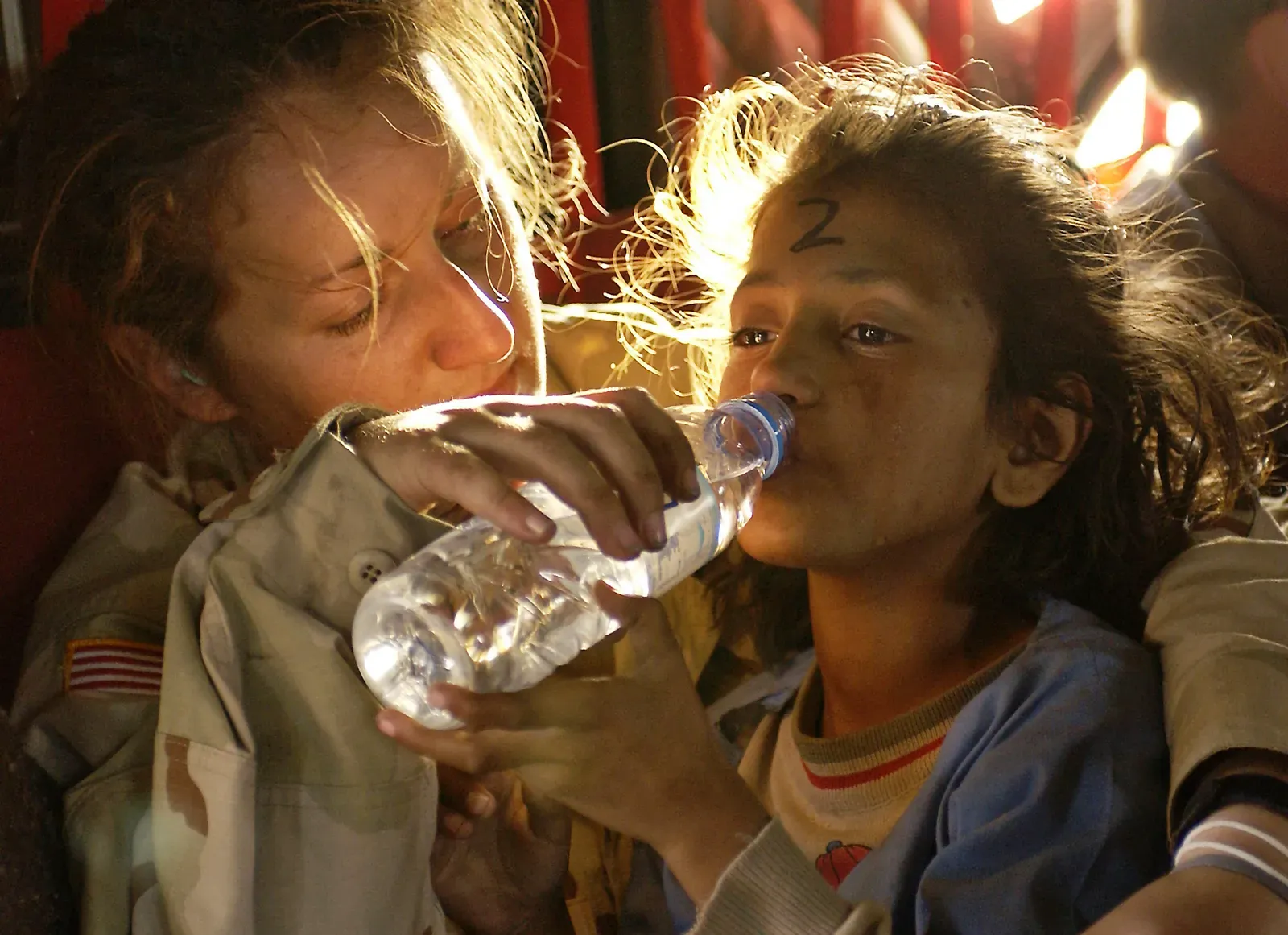
Festivals respond rapidly when global emergencies unfold. Glastonbury made donations to Oxfam, War Child, UNHCR and other charities to help fund their work in conflict regions, and an Emergency Fundraiser Crowdfunder appeal raised 639,000 pounds which the festival matched, bringing the total to over 1.27 million pounds for the British Red Cross, Oxfam and War Child. The matching approach doubles the impact of festival-goer generosity.
It’s hard to say for sure, but there’s something unique about the festival environment that inspires giving. People feel connected, part of something bigger than themselves. When organizers tap into that energy and direct it toward humanitarian causes, the results speak for themselves. Festivals become more than entertainment; they transform into platforms for real-world change.
Local Community Projects Get Direct Investment

Glastonbury donated to Bristol-based projects including the Bristol Children’s Charity, Youth Moves, Young Bristol and Black2Nature, while initiatives in Pilton and nearby towns received support for enrichment projects for local primary schools and vegetable growing for community food banks, plus donations towards the Somerset Carers’ network and organizations like the Food Forest Project and Somerset Wildlife Trust. The festival doesn’t just think globally. It invests right where it stands.
Galilee Center has been the official donation recipient of Coachella since 2019, and the organization’s mission is to fulfill the needs of the underserved and disadvantaged by providing food, clothing, and other basic needs. The festival donated leftover food from catering and food vendors to the Coachella Valley Rescue Mission, collecting 56,051 pounds of food in 2024. Reducing waste while feeding hungry community members? That’s smart, practical charity work.
Volunteer Programs That Benefit Hundreds of Charities
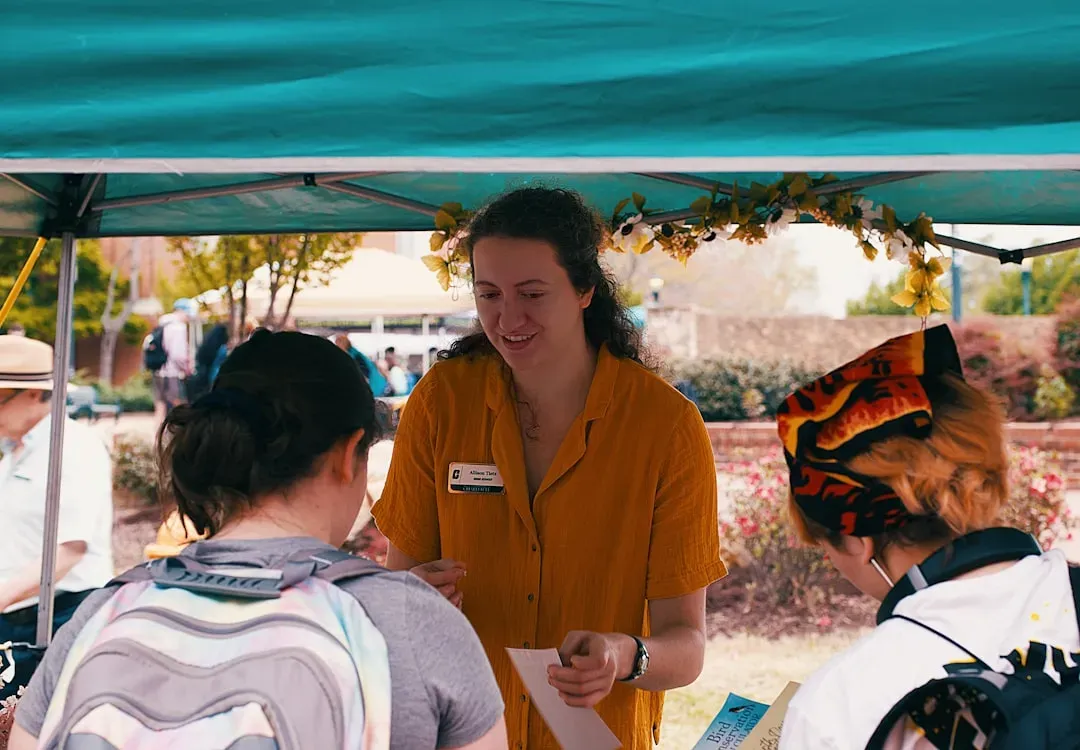
Each festival Glastonbury depends on thousands of incredible volunteers who donate their time supporting over 200 charities while providing essential services, including litter pickers, loo crew, stewards, campsite crew, and bar volunteers who raised much-needed funds for organizations including Oxfam, WaterAid, Shelter, Cancer Research UK as well as many local schools, community organizations, carnival clubs, and sports clubs. Volunteers work the festival, their labor generates donations for their chosen organizations, and attendees get a smoothly run event. Everyone wins.
Oxfam recruited campaigners for 17 festivals it attended, and in 2023 their campaigners helped spread their message to thousands of festival-goers, gathering an impressive 46,000 petition signatures. Festivals become advocacy platforms, raising awareness alongside raising funds.
Economic Ripple Effects Beyond Direct Donations
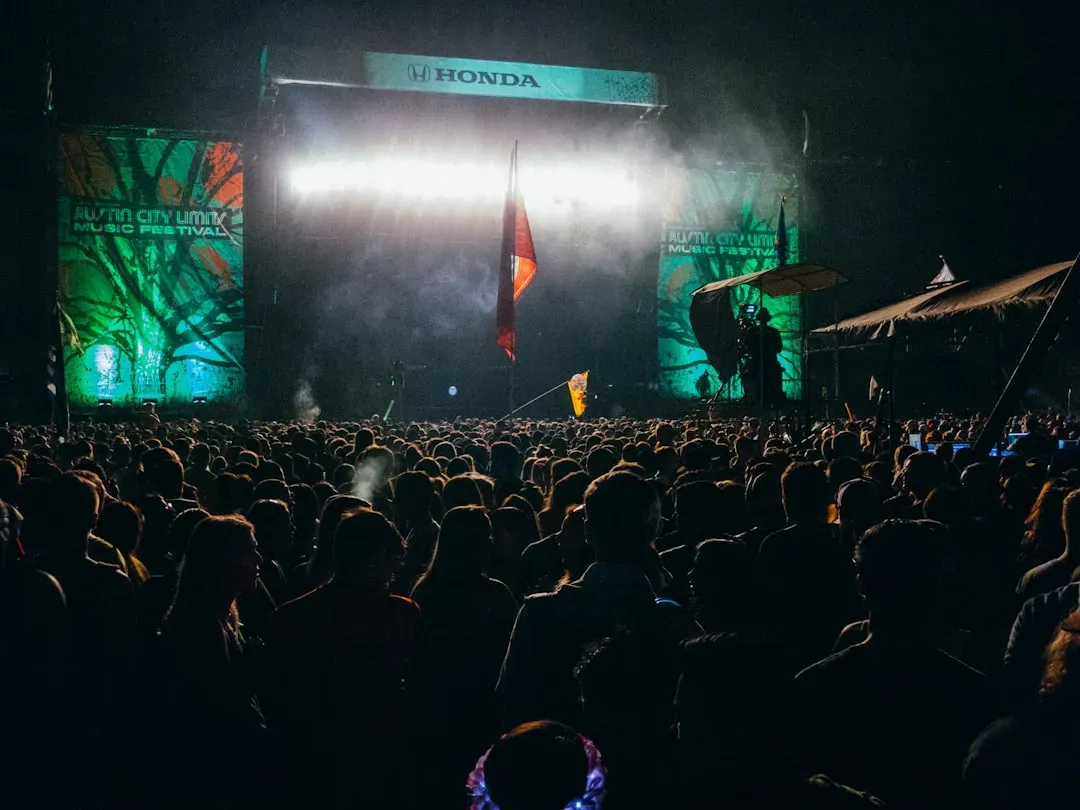
In 2024, Coachella generated more than 10,000 jobs alone, and this influx of temporary employment offers a short-term boost to the local labor market, especially for those seeking seasonal work. While not direct charity, job creation lifts communities economically. Austin City Limits Music Festival pumped 534.8 million dollars into Austin’s economy in 2024, the equivalent of creating over 3,600 full-time jobs, and ACL Fest has brought in over 4.1 billion dollars since 2006, nearly 40,000 jobs.
The festival is put on in partnership with the Austin Parks Foundation, and a portion of every ticket sold supports parks, trails and green spaces, with 8.4 million dollars raised from the festival helping pay for park improvements including a new playground at Rosewood Neighborhood Park and trail maintenance. Infrastructure improvements funded by festivals benefit communities for years.
Addressing Specific Community Needs Through Targeted Giving

Glastonbury introduced free period products to all those in need at the festival in 2024, and for every product given away on site, they donated an equal number to those living in poverty in the UK through the Hey Girls network and the charity Beauty Banks. Festivals can address surprisingly specific needs that traditional fundraising might overlook.
Glastonbury acknowledged difficulties faced by emerging artists and local music festivals, which it described as the cultural lifeblood of the festival, and made donations to the Music Venue Trust to help nationwide charities promoting access to music for emerging artists, grass roots music, audiences, promoters and venues. Supporting the ecosystem that creates festival talent ensures future generations of artists thrive.
Creating Sustainable Models for Festival Philanthropy
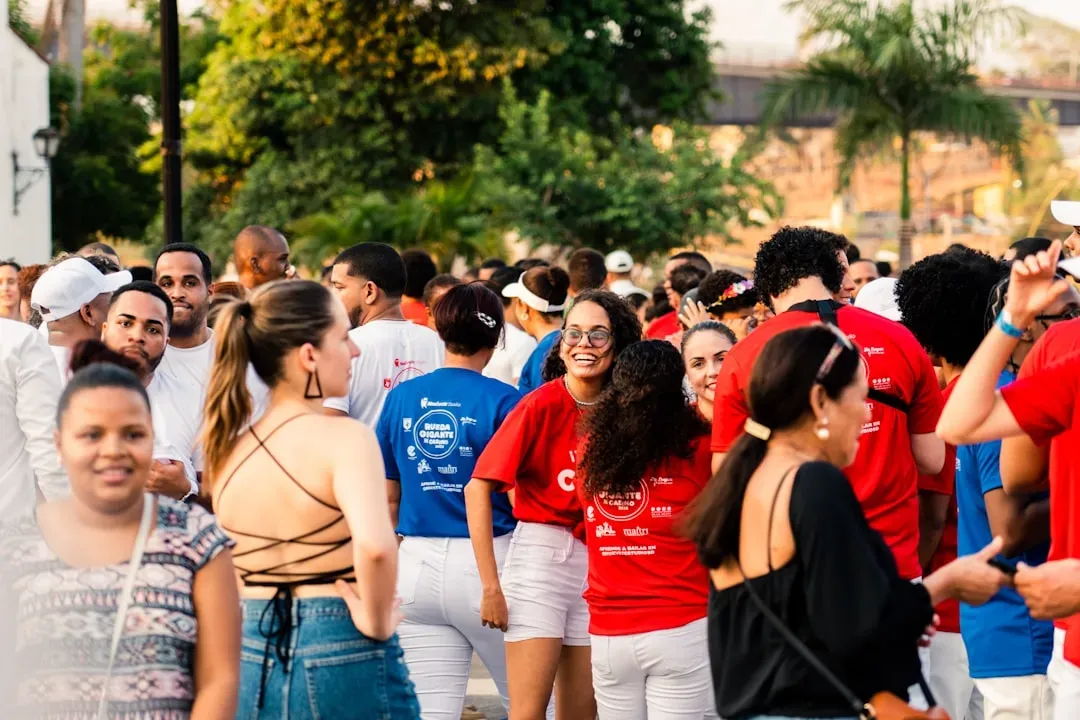
These festivals have a core dedicated to service, education and giving in a way that radiates from their local communities to the world, and this approach helps festivals build a legacy that endures beyond the event itself. It’s not about one-off gestures or publicity stunts. The most effective festival charity programs are woven into operations, becoming part of the organizational identity.
Success stories teach an important lesson that consistency and sincerity matter, and it’s not about one-off gestures but an ongoing commitment to contribute positively to the host community. Festival organizers have learned that sustainable giving strengthens community relationships, builds goodwill, and creates deeper connections with attendees who increasingly want their entertainment choices to align with their values.