Music has always been humanity’s way of processing the unimaginable. When the earth shakes, waters rise, or flames devour entire communities, we turn to sound as both refuge and record. Throughout history, catastrophic events have reshaped not just landscapes but the very fabric of musical evolution. From New Orleans jazz rising from flood-soaked streets to spirituals born from suffering, disasters have pushed artists to create sounds that capture both devastation and resilience. What you’re about to discover might change how you hear certain songs forever.
The Great Mississippi Flood and the Birth of the Blues
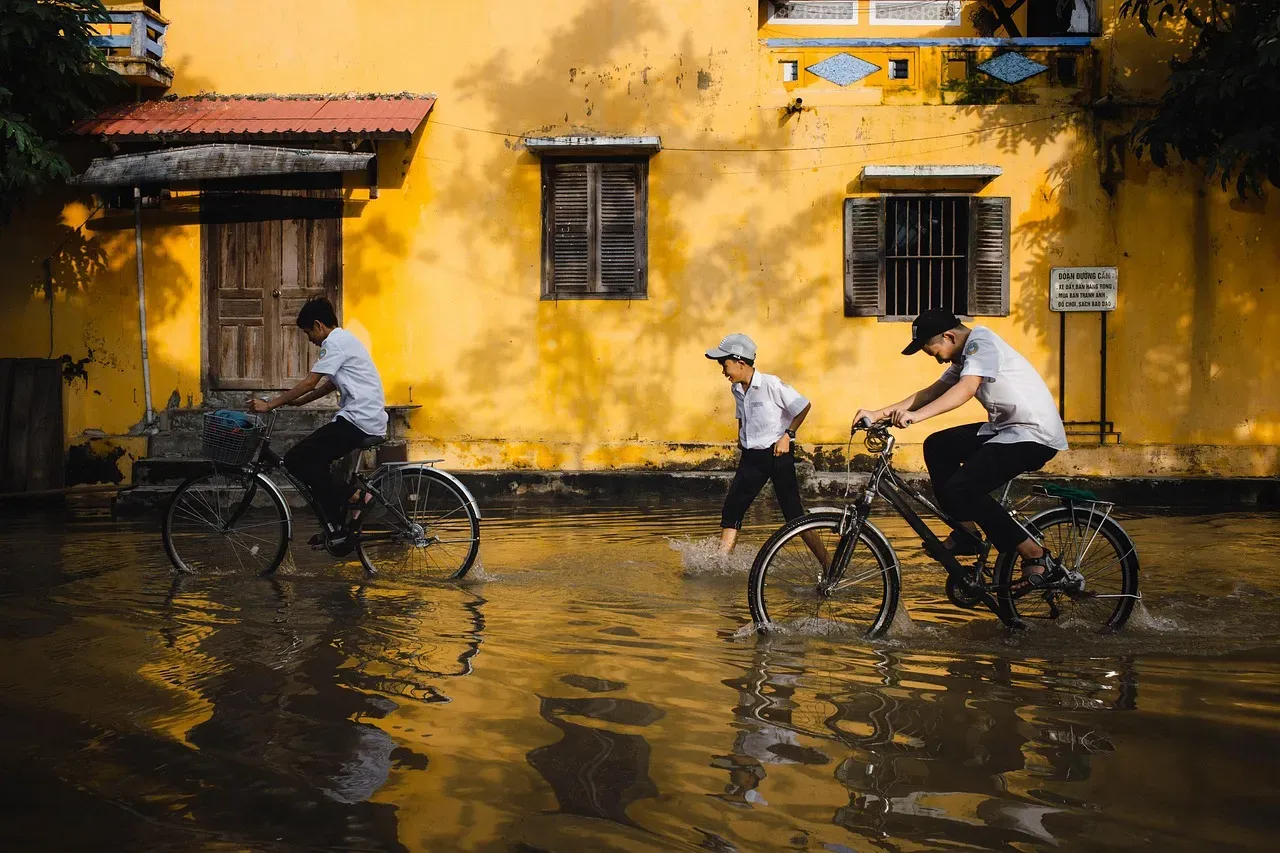
The 1927 Mississippi River flood submerged over 27,000 square miles across seven states, displacing hundreds of thousands of people. This wasn’t just a natural disaster. It was a cultural upheaval that fundamentally altered American music. The floodwaters forced African American communities into refugee camps where musicians gathered, shared songs, and developed what would become the modern blues sound.
Artists like Bessie Smith and Charley Patton documented the tragedy through their music. Patton’s “High Water Everywhere” became an oral history of the catastrophe, describing rising waters with haunting precision. The shared trauma created a musical language of displacement and longing that defined blues for generations.
The flood accelerated the Great Migration northward, carrying this new sound to Chicago, Detroit, and other urban centers. What began as disaster response became the foundation for rock and roll, rhythm and blues, and countless other genres that followed.
Hurricane Katrina’s Reshaping of New Orleans Music
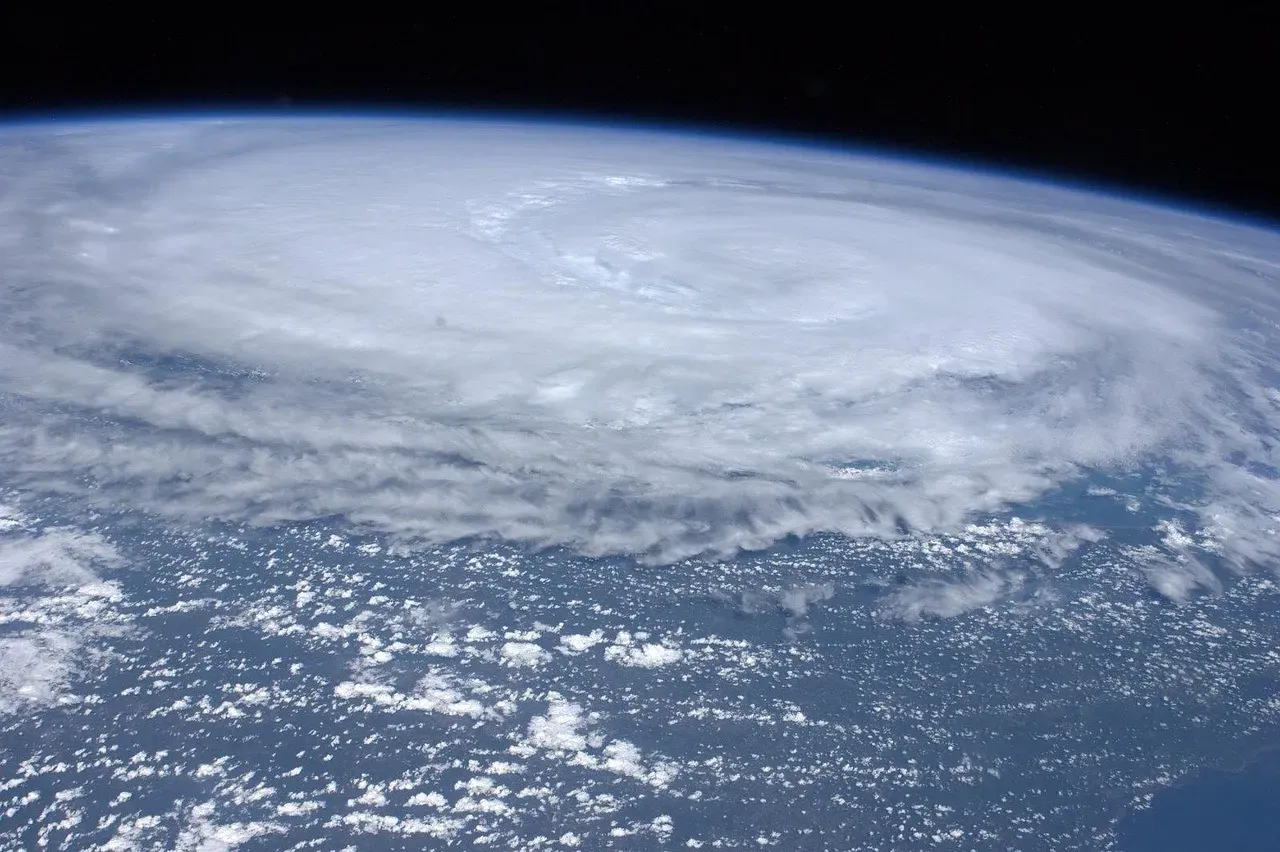
When Katrina hit in 2005, it didn’t just flood New Orleans. It scattered one of America’s most vibrant musical communities across the country. Jazz musicians, brass bands, and bounce artists found themselves rebuilding careers in Houston, Atlanta, and beyond. The diaspora created unexpected collaborations and fused New Orleans traditions with regional sounds.
The disaster forced a reckoning with musical heritage. Organizations scrambled to preserve instruments, recordings, and the oral traditions that had been passed down through neighborhoods now underwater. Musicians like Kermit Ruffins and Trombone Shorty became not just performers but cultural ambassadors fighting to keep their city’s sound alive.
Katrina’s influence shows up in post-2005 albums that wrestle with loss and recovery. The music got rawer, more urgent. Bounce music, already popular locally, exploded nationally as artists channeled their frustration into hyperkinetic beats that demanded attention. The storm didn’t kill New Orleans music, but it fundamentally transformed it into something simultaneously more painful and more defiant.
The Emotional Weight in Post-Katrina Recordings
Listen to albums released in the years following Katrina and you’ll hear something different. There’s a desperation in the horns, a weariness in the vocals that wasn’t there before. Artists weren’t just making music anymore. They were documenting survival.
Dr. John’s “City That Care Forgot” stands as a musical memorial to pre-Katrina New Orleans. The album captures both what was lost and what refused to die. Jazz funeral traditions, already central to New Orleans culture, took on new meaning as musicians processed collective grief through familiar rhythms.
The 1906 San Francisco Earthquake and Ragtime’s Evolution
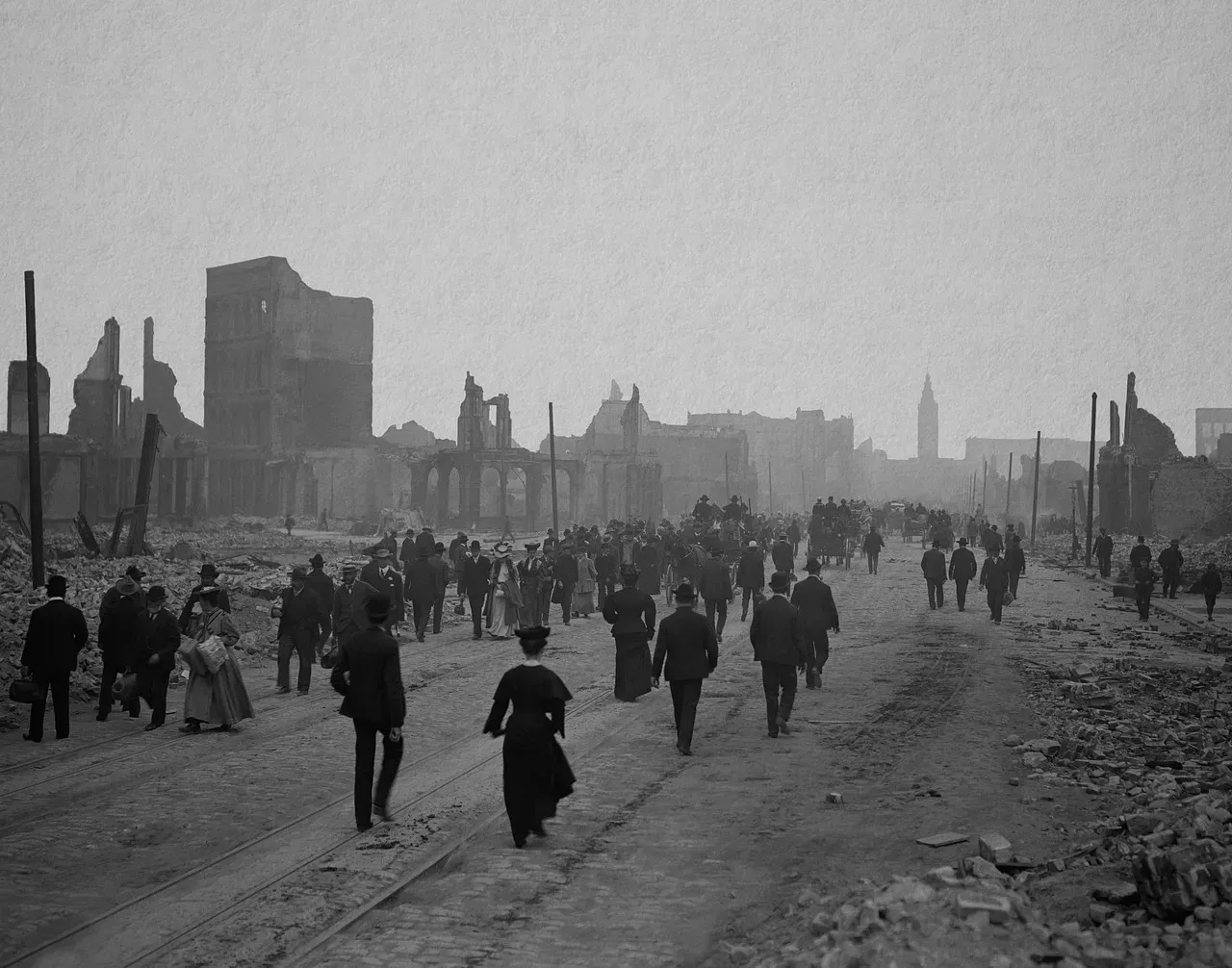
San Francisco’s 1906 earthquake and subsequent fires destroyed the Barbary Coast entertainment district, a crucial hub for early ragtime and jazz development. Musicians who survived scattered to other West Coast cities, carrying their innovative syncopated rhythms with them. This geographic spread accelerated ragtime’s evolution from regional novelty to national phenomenon.
The disaster also demolished music halls and theaters that had preserved older performance traditions. In their absence, a new generation of musicians experimented more freely. They weren’t bound by the expectations of venues that no longer existed or audiences that had dispersed.
Interestingly, the rebuilding period saw an explosion of portable instruments. Musicians needed gear they could grab quickly if disaster struck again. This practical consideration influenced the instrumentation of early West Coast jazz ensembles, favoring mobility over orchestral grandeur.
Volcanic Eruptions and the “Year Without a Summer” Musical Melancholy
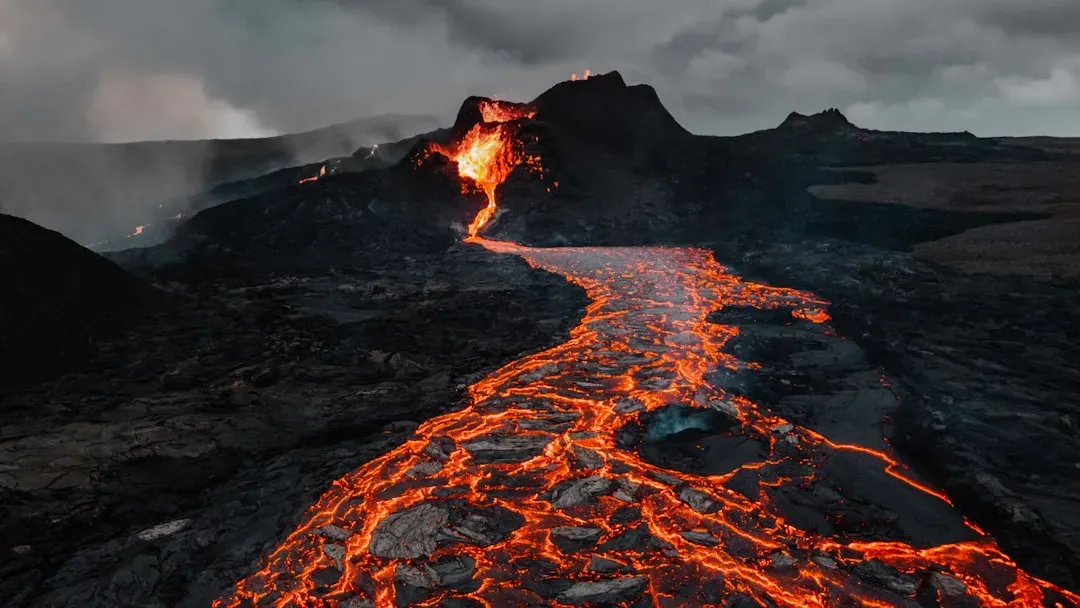
The 1815 eruption of Mount Tambora in Indonesia triggered global climate disruption. The following year, 1816, became known as the “Year Without a Summer” across Europe and North America. Crops failed, people starved, and a pervasive gloom settled over entire continents. This atmospheric catastrophe directly influenced Romantic-era music’s turn toward darker, more introspective compositions.
Composers like Franz Schubert were creating during this period of literal and metaphorical darkness. The minor keys, brooding melodies, and themes of mortality that define Romantic music weren’t just artistic choices. They reflected the very real despair of communities facing famine and uncertainty.
Lord Byron’s gathering at Villa Diodati during that miserable summer produced not just “Frankenstein” but also influenced musical settings of gothic poetry for decades. The disaster created an aesthetic that still resonates in everything from classical requiems to gothic rock.
Japanese Earthquakes and the Development of Warning Signal Music
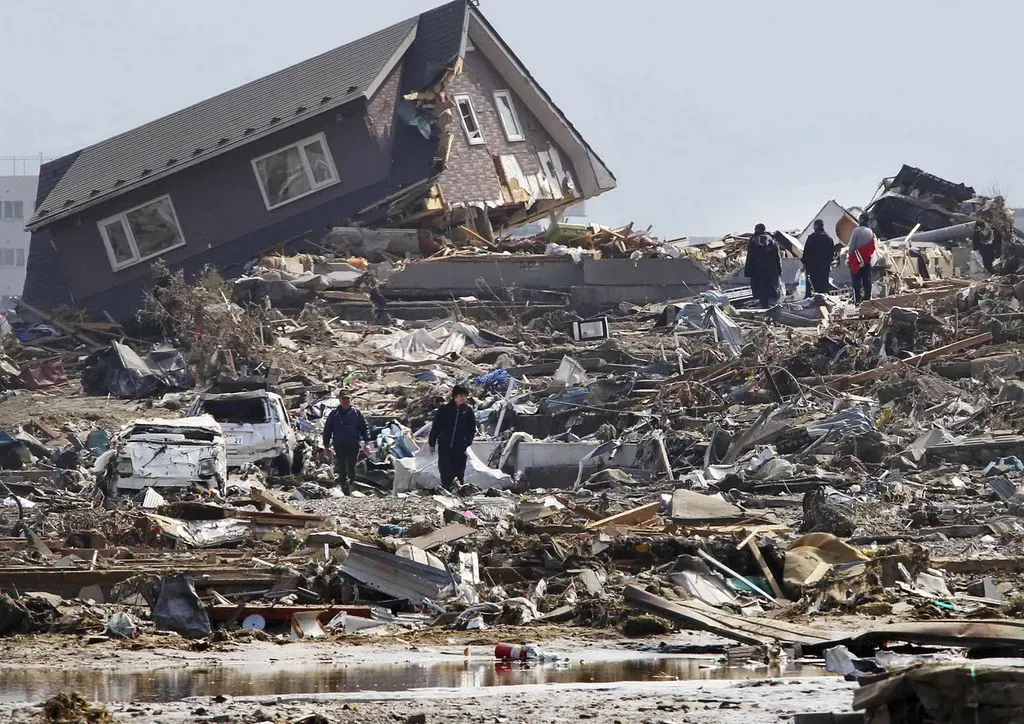
Japan’s long history with devastating earthquakes has created unique musical traditions centered on preparedness and warning. The country developed specific melodic patterns for tsunami warnings and evacuation signals, designed to be instantly recognizable even in chaos. These aren’t arbitrary sounds but carefully composed musical phrases that cut through panic.
The 2011 Tōhoku earthquake and tsunami profoundly impacted Japanese popular music. Artists wrestled with how to address unimaginable loss without exploiting it. Many musicians participated in benefit concerts, creating a new genre of disaster-response performance culture that balanced mourning with hope.
Traditional taiko drumming, already important in Japanese culture, took on renewed significance as communities used collective rhythmic performance for psychological healing. The drums became both memorial and meditation, helping survivors process trauma through physical musical engagement.
Dust Bowl Folk Music and American Protest Songs
The Dust Bowl wasn’t a single event but a prolonged ecological disaster throughout the 1930s. It created a generation of musicians who used song as both documentation and resistance. Woody Guthrie’s “Dust Bowl Ballads” weren’t just entertainment but oral history, preserving stories of displacement that might otherwise have been forgotten.
This disaster birthed the modern protest song tradition. Musicians realized their art could challenge the systems that left people vulnerable to catastrophe. The connection between environmental disaster and economic injustice became a recurring theme in American folk music.
The migration westward during the Dust Bowl years spread Oklahoman and Texan musical traditions to California, creating the foundation for what would become country music’s Bakersfield Sound. Disaster didn’t just inspire songs about hardship. It physically moved musicians who then cross-pollinated regional styles.
The Lisbon Earthquake and Baroque Music’s Theological Crisis
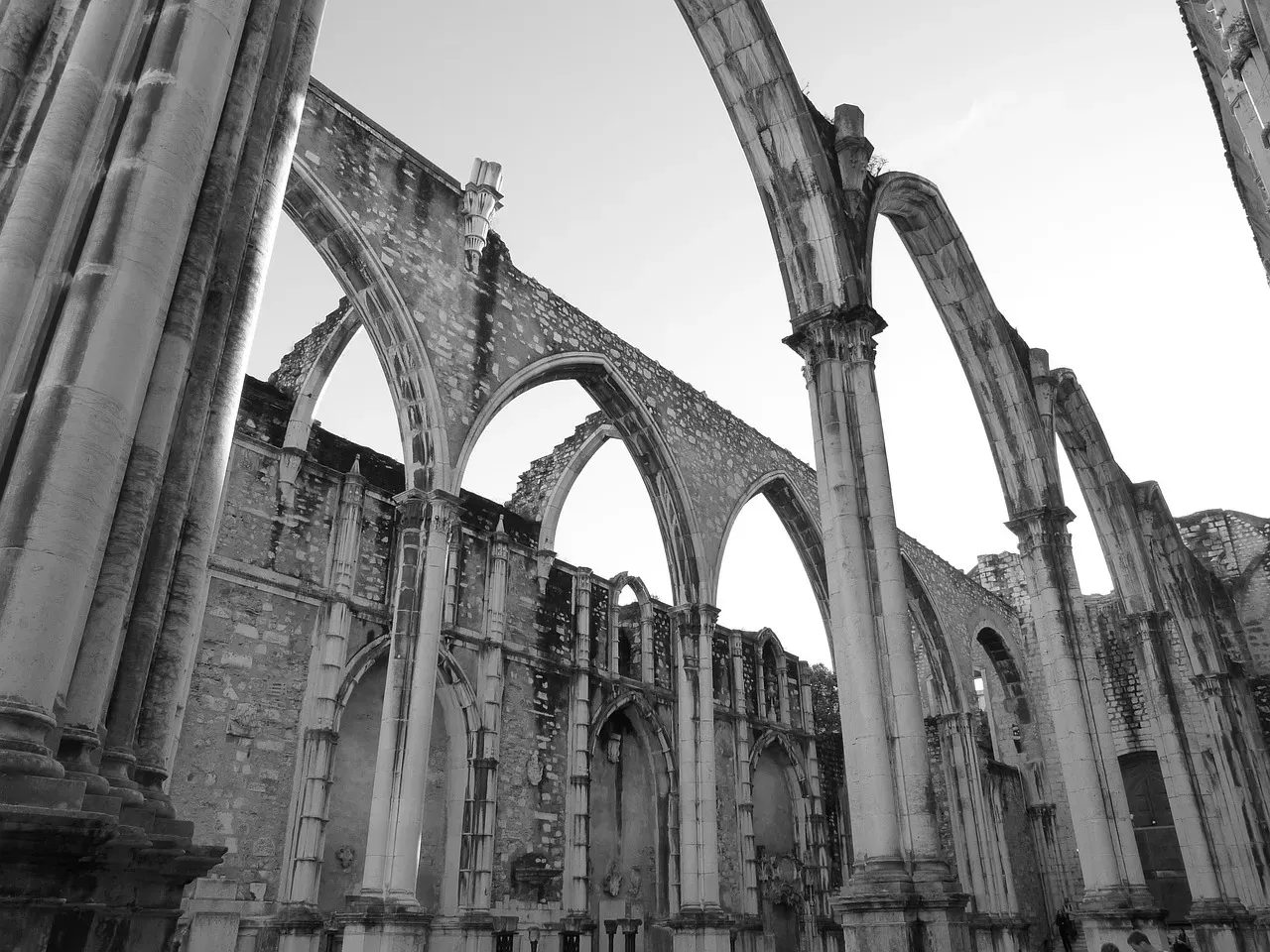
The 1755 Lisbon earthquake occurred on All Saints’ Day, killing tens of thousands as churches collapsed during services. This timing sparked an existential crisis throughout Europe. How could a benevolent God allow such devastation on a holy day? Baroque composers, previously comfortable writing overtly religious music, suddenly faced profound theological doubt.
You can hear this uncertainty in the sacred music that followed. Compositions became more questioning, less triumphant. The confident proclamations of earlier Baroque masses gave way to more introspective, searching musical treatments of faith.
The disaster also destroyed countless musical manuscripts and instruments in Lisbon, one of Europe’s major cultural centers. The loss of this artistic heritage created a void that other musical traditions rushed to fill, accelerating the transition from Baroque to Classical period sensibilities.
Droughts and Musical Minimalism
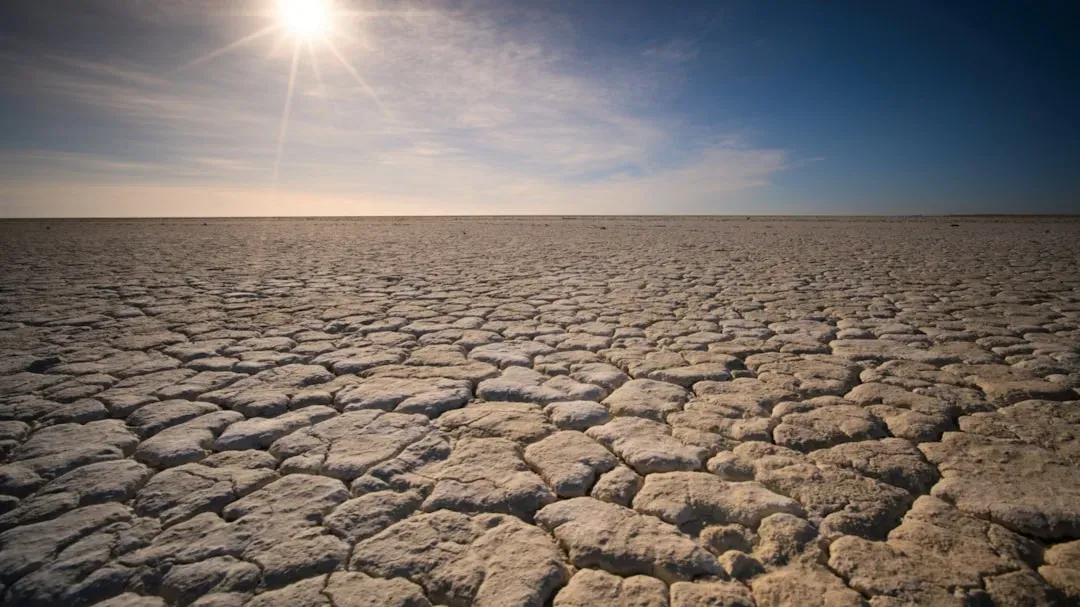
Extended droughts have influenced musical development in ways less obvious than dramatic disasters. In regions facing water scarcity, musical traditions often embrace minimalism, echoing the stripped-down existence drought enforces. West African music from drought-affected Sahel regions developed incredibly complex rhythms from limited instrumentation.
This scarcity-driven innovation influenced Western minimalist composers like Steve Reich, who studied West African drumming traditions. The drought’s fingerprints appear in music far from where the actual disaster occurred, transmitted through cultural exchange.
Contemporary musicians addressing climate change often adopt minimalist approaches, using sparse arrangements to sonically represent depleted resources. The form becomes message.
Conclusion: The Persistent Sound of Survival
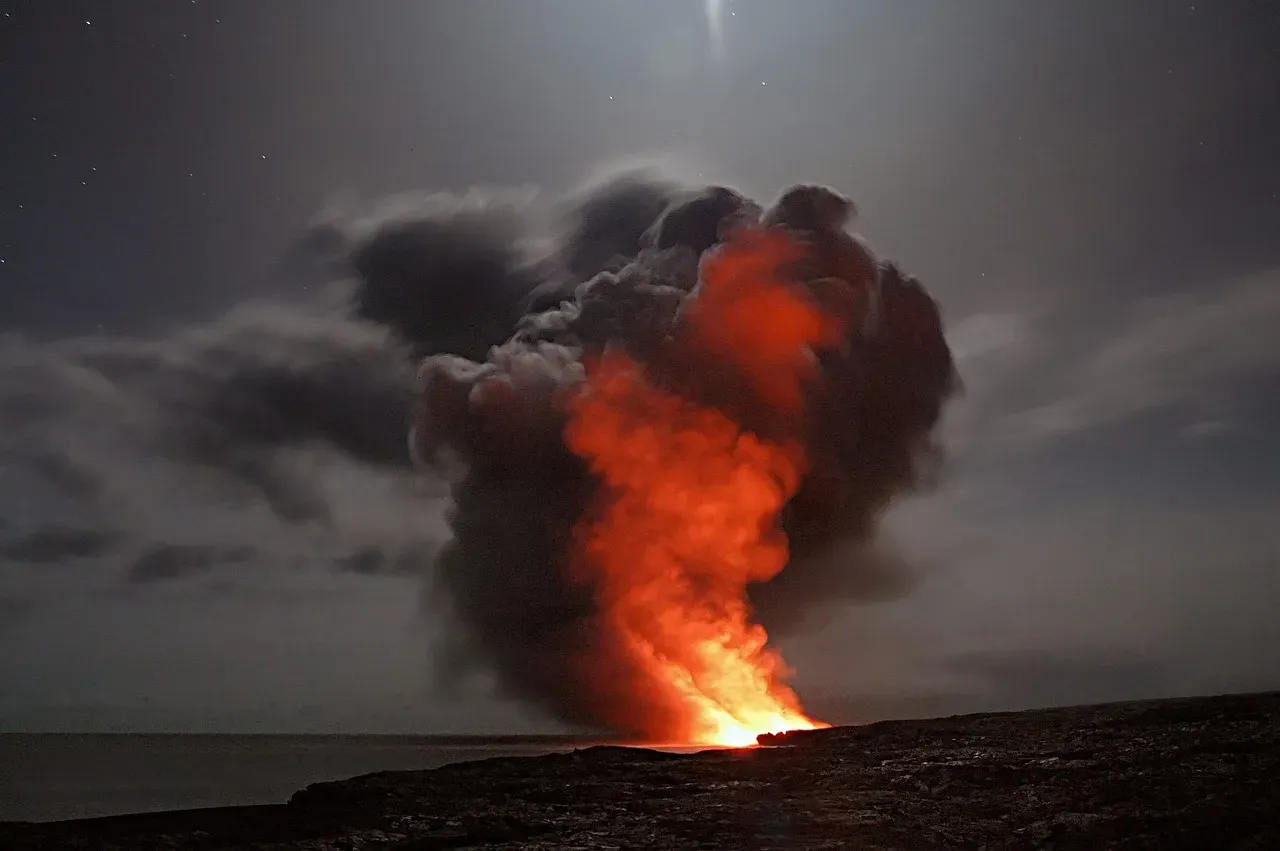
Natural disasters have always forced humanity to reinvent itself, and music documents every step of that transformation. From blues rising out of floodwaters to gospel born from tornado debris, catastrophe has consistently pushed musicians to create sounds that capture what words cannot. These aren’t just sad songs about hard times. They’re survival mechanisms, historical records, and innovation engines wrapped in melody and rhythm.
The connection between disaster and musical development reminds us that art isn’t separate from our material conditions. It grows directly from them, shaped by the very ground that sometimes shakes beneath our feet. Next time you hear a particularly moving piece of music, consider what disasters might have influenced its creation. What do you think? Have you ever noticed these connections in music you love? Tell us in the comments.