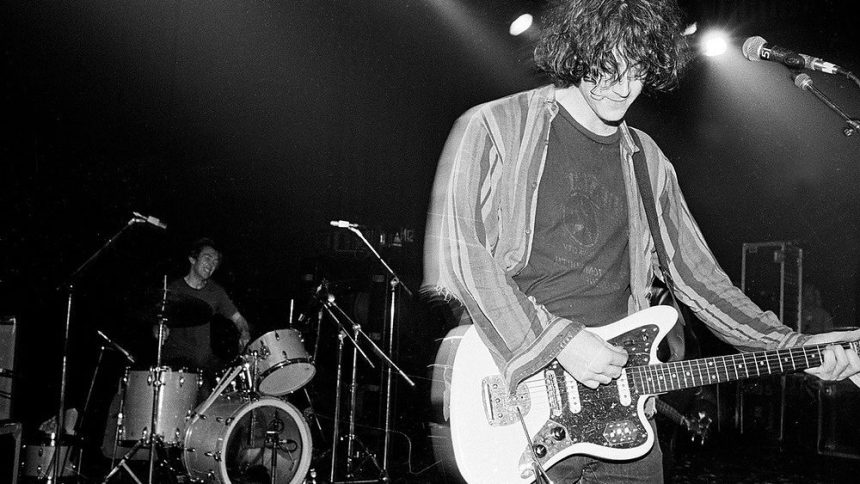
There is a moment in music history that sounds almost too simple to be revolutionary. Two notes. No major. No minor. Just raw, stripped-down electricity crackling through a torn amplifier speaker. It happened in a North London recording studio in the summer of 1964, and nothing in rock music was ever quite the same after it.
The power chord – technically called a fifth chord – is one of those things that looks laughably basic on paper but sounds absolutely massive in the real world. It rewired entire genres, inspired generations of teenagers to pick up guitars, and turned distortion from a defect into a superpower. So how did two notes shake the world? Let’s dive in.
What Even Is a Power Chord, and Why Does It Hit So Hard?

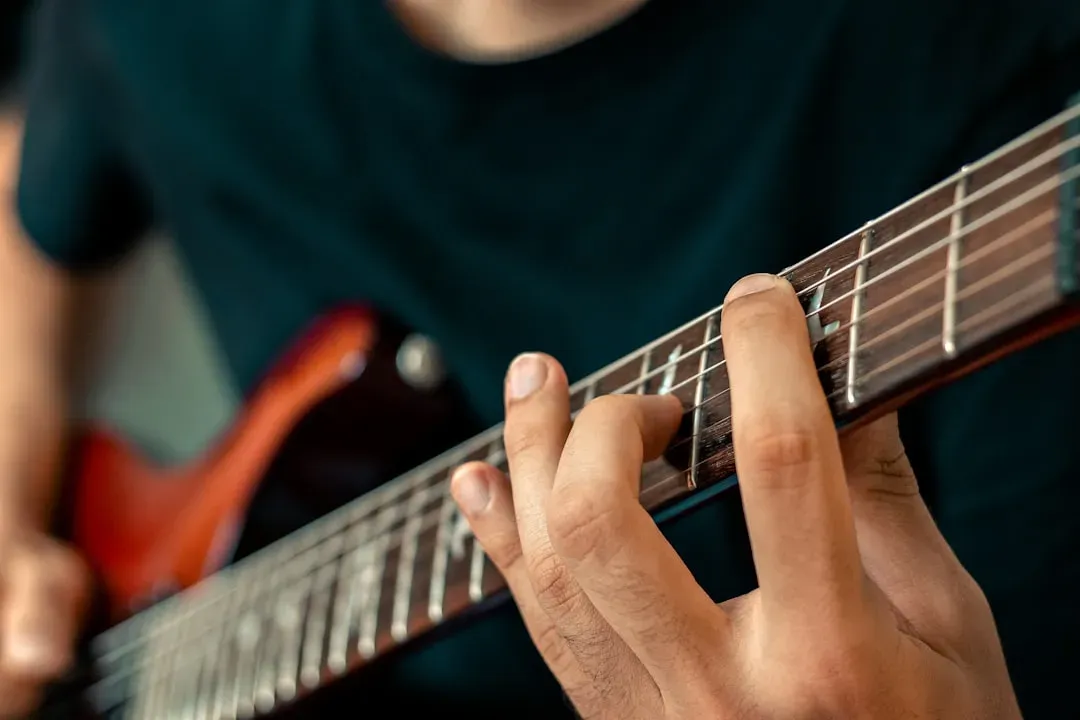
A power chord, also called a fifth chord, is a colloquial name for a chord on guitar – especially on electric guitar – that consists of the root note and the fifth, as well as possibly octaves of those notes. That’s it. No third. No complex voicings. Just a clean, brutal pairing of two pitches that somehow sounds bigger than most full chords ever could.
Power chords typically omit the third, which is responsible for whether a chord is major or minor, giving them a neutral, ambiguous sound. Honestly, that ambiguity is half the magic. You’re not committing to happy or sad – you’re just committing to loud. And when you push that neutrality through distortion, something wild happens on a physics level.
The Science Behind the Crunch
When two or more notes are played through a distortion process that non-linearly transforms the audio signal, additional partials are generated at the sums and differences of the harmonics of those notes. When a typical chord containing such intervals – for example, a major or minor chord – is played through distortion, the number of different frequencies generated, and the complex ratios between them, can make the resulting sound messy and indistinct.
In a power chord, the ratio between the frequencies of the root and fifth are very close to the just interval 3:2. When played through distortion, the intermodulation leads to the production of partials closely related in frequency to the harmonics of the original two notes, producing a more coherent sound. The intermodulation makes the spectrum of the sound expand in both directions, and with enough distortion, a new fundamental frequency component appears an octave lower than the root note of the chord, giving a richer, more bassy and more subjectively “powerful” sound. So paradoxically, playing fewer notes creates a fuller, heavier sound. That’s not an accident. That’s physics doing something genuinely beautiful.
The Forbidden Chord: Classical Music Said No

Power chords weren’t used before the electric guitar era. In fact, in classical music it was considered bad form to have “parallel fifths,” or to play two five-chords back-to-back. As they only consist of two notes, power chords sound hollow and wimpy on acoustic instruments. I find it almost poetic that a sound classical composers actively banned became the spine of an entirely new musical universe.
There are some interesting examples of proto-power chords that predate rock and roll and the electric guitar, going even as far back as the Middle Ages. Medieval church music started off strictly monophonic – a group of clerics singing in unison. After a while they had the idea to add boys to the mix, and they sang the melody an octave higher. The same interval structure that scandalized baroque music theorists was quietly humming through cathedral walls centuries earlier.
The Blues, the Electric Guitar, and the Birth of Something Raw
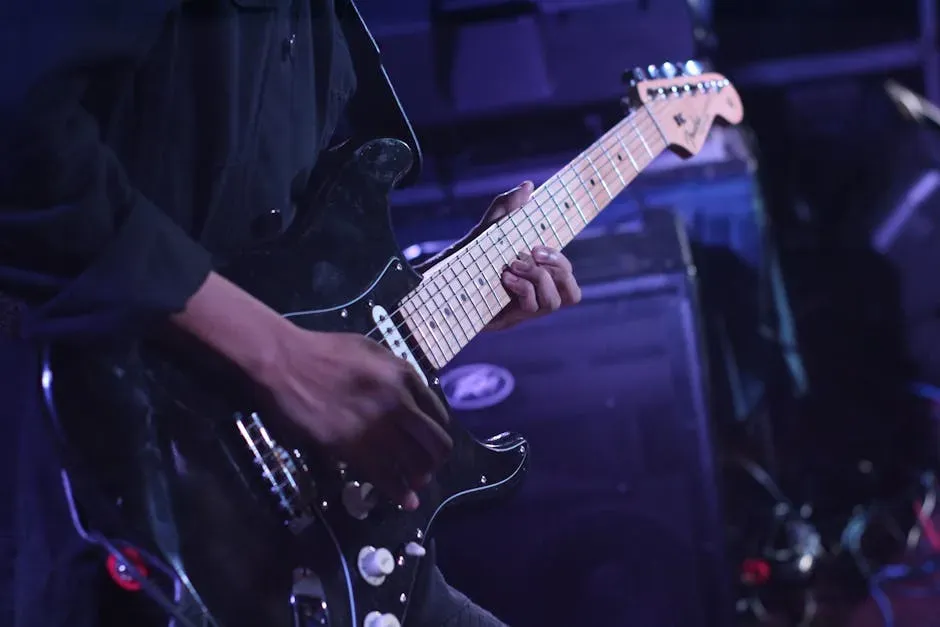
Throughout the 1950s, the power chord began popping up on recordings, with some pointing towards blues guitarists John Lee Hooker or Willie Johnson as the true originators. The blues was always a music built on tension and release, and the overdriven fifth chord captured that tension in its purest electric form.
By the late 1950s, Link Wray had released “Rumble,” which others cite as the first use of the power chord, yet on a close listen, this is not quite right either. Interestingly, the song was banned on some radio stations as broadcasters feared the rough sound of the track might inspire juvenile delinquency. A chord getting banned from the radio. Let that sink in for a second. Rock music hadn’t even fully arrived yet, and it was already making the establishment genuinely nervous.
The Kinks and the Song That Detonated Everything
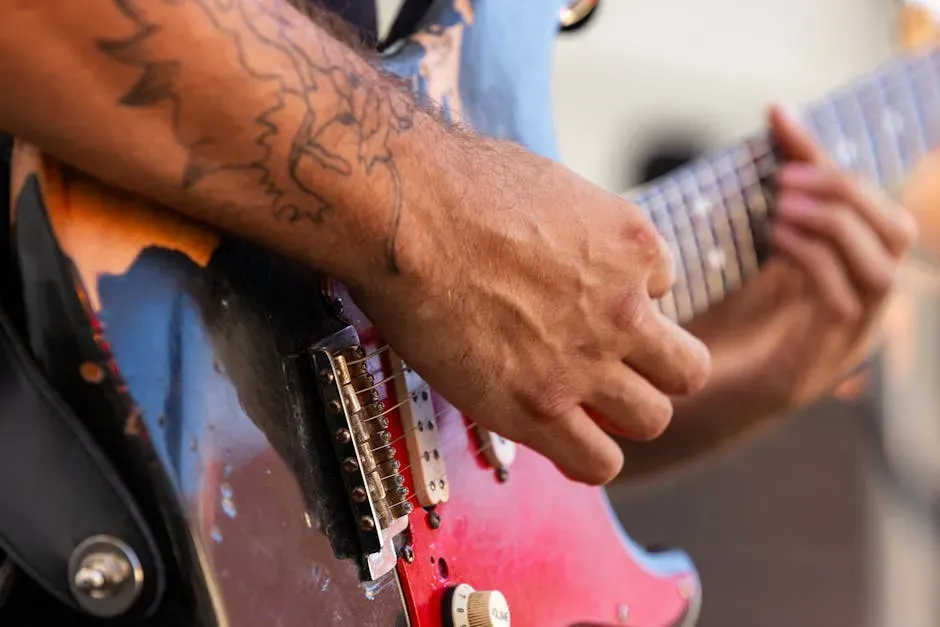
Written by frontman Ray Davies and released as the Kinks’ third single in 1964, “You Really Got Me” was the band’s breakthrough hit, establishing them as one of the top British Invasion acts in the United States. The song’s novel use of power chords and distortion heavily influenced later rock musicians, particularly in the heavy metal and punk rock genres. It arrived like a truck driving through a window – sudden, shocking, and completely impossible to ignore.
American musicologist Robert Walser described “You Really Got Me” as “the first hit song built around power chords.” The song has been labeled an early influence of the heavy metal genre, with critic Denise Sullivan of AllMusic writing that it “remains a blueprint song in the hard rock and heavy metal arsenal.” In 1999, the song was inducted into the Grammy Hall of Fame. Q magazine named it number nine on their list of 100 Greatest Guitar Tracks. Rolling Stone listed it number 82 on their list of 500 Greatest Songs of All Time and number 4 on their 100 Greatest Guitar Songs of All Time.
The Razorblade, the Amp, and Dave Davies’ Brilliant Accident

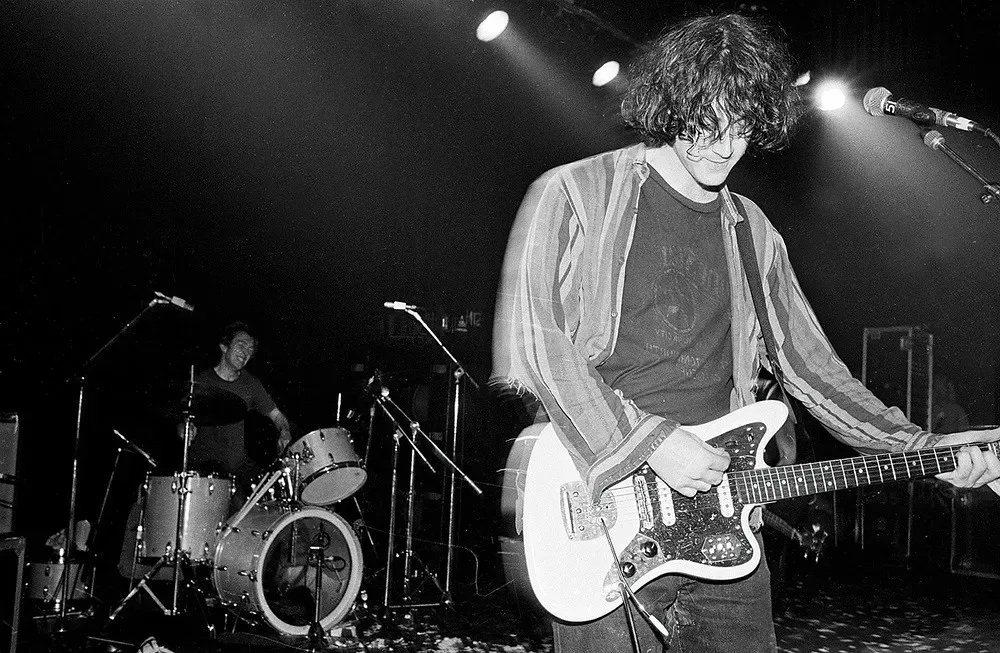
Before “You Really Got Me,” most guitarists played full bar chords or jazzy extensions. By stripping the chord down to its bare essentials and drenching it in distortion, The Kinks created a sonic wall. The sound itself was born out of an act of teenage destruction that sounds almost mythological in retrospect.
The song is played using power chords – chords consisting only of the root and fifth, omitting the third – in an aggressive, brutal style, and the guitars are distorted, having been played through a speaker whose cone had been slashed with a razor blade. What’s most remarkable is how accidental it all seems. The Kinks were broke, on the verge of being dropped by their label, and desperate for a hit. Ray Davies reworked “You Really Got Me” several times before settling on its final form. Dave’s amplifier sabotage was pure curiosity. The distorted tone wasn’t calculated – it was discovered.
The Ripple Effect: Hard Rock, Heavy Metal, and Punk

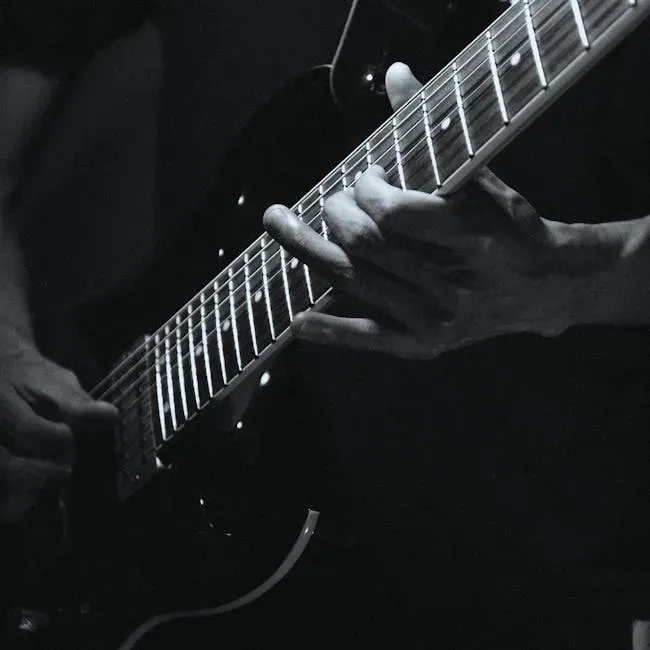
“You Really Got Me” was one of the first major hits to lean entirely on power chords and distortion, paving the way for the evolution of rock as a heavier, more visceral medium. The riff would become a staple of guitarists everywhere. It would echo through the riffs of Black Sabbath, the Ramones, Nirvana, and countless others. Think of the power chord as a master key. Once it existed, you could unlock an almost unlimited number of sonic doors.
Power chords are important in many forms of punk rock music, popularized in the genre by Ramones guitarist Johnny Ramone. Many punk guitarists used only power chords in their songs, most notably Billie Joe Armstrong and Doyle Wolfgang von Frankenstein. The song encouraged kids in garages everywhere to pick up guitars and start banging out chords. It told them they didn’t need fancy equipment, musical theory, or a polished sound. They just needed a riff, a voice, and something to scream about. That DIY spirit would carry into punk rock a decade later.
Nirvana and the 90s: The Chord’s Second Coming

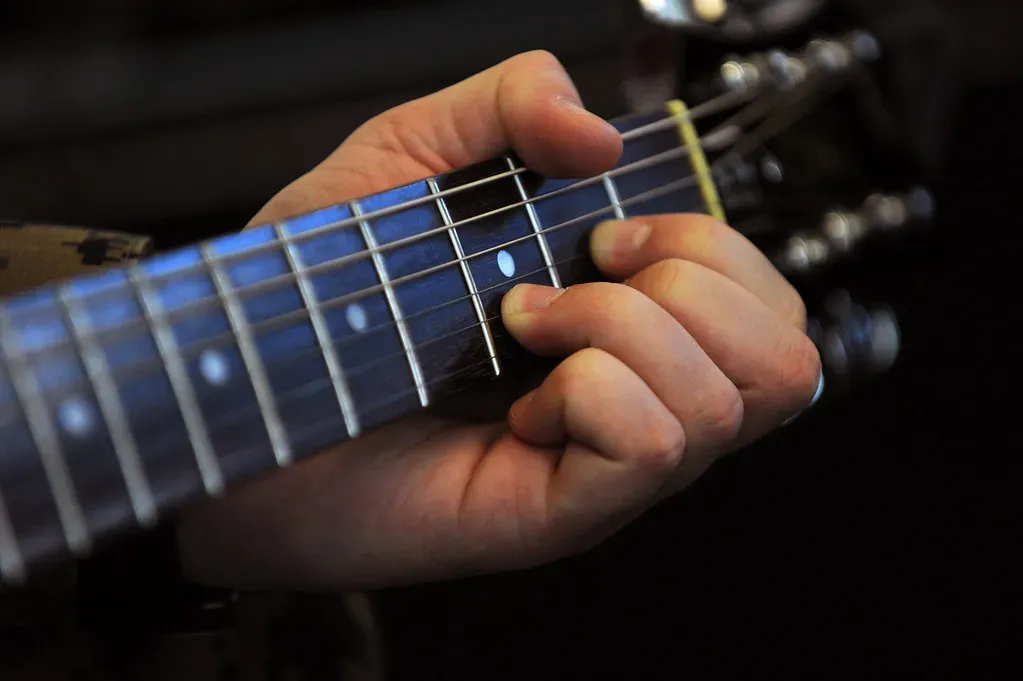
The power chord structure – using only the root and fifth of each chord, omitting the third that would define major or minor tonality – creates an ambiguous sound that contributes to the song’s raw energy and emotional openness. Kurt Cobain understood this instinctively, even without formal training. “Smells Like Teen Spirit” proved the chord still had earthquakes left in it, nearly three decades after “You Really Got Me”.
The track has been consistently ranked among the greatest songs of all time in various publications. In 2004, Rolling Stone placed it at number nine on their list of the 500 Greatest Songs of All Time, NME named it the number one song of the 1990s, and it was inducted into the Grammy Hall of Fame in 2017. Kurt Cobain wrote almost exclusively with power chords and, as a result, his songs use some very unusual chord progressions, often changing modes at the drop of a proverbial hat. The simplicity of the chord, it turns out, was actually a vehicle for harmonic freedom.
The Power Chord Today: Still Very Much Alive
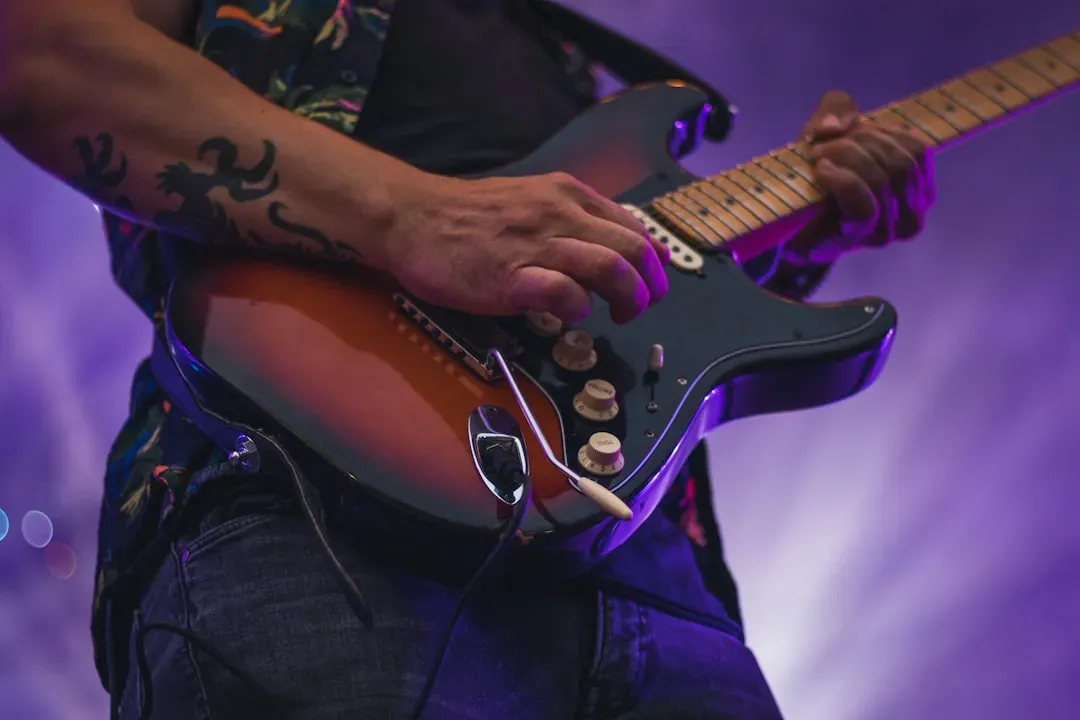
Power chords are still widely used in contemporary music, particularly in rock, punk, metal, and various other genres that incorporate electric guitar. They continue to be a staple in the repertoire of many guitarists due to their versatility, simplicity, and ability to create a powerful, driving sound. While music styles and trends evolve over time, power chords remain an essential element in modern guitar playing, and you can hear them in countless songs released today across different genres.
The power chord has been an undeniable mainstay over the past sixty years of popular music. Looking through some of the biggest rock songs of all time – such as “Smells Like Teen Spirit” or “Iron Man” – it’s easy to spot the familiar ring of the power chord. It’s a bit like asking why a hammer is still a useful tool. Because it works. Because it has always worked. Because sometimes the most direct path between idea and feeling is two notes, a wall of distortion, and the nerve to play loud.
Why Simplicity Is the Most Radical Thing in Music

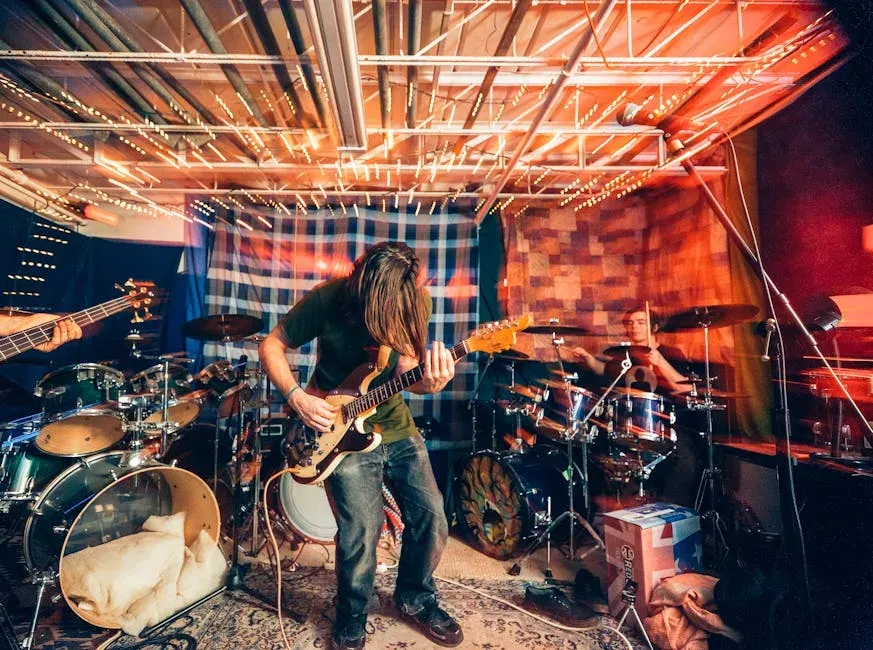
Here’s the thing nobody really says out loud: the most consequential moments in rock history weren’t usually moments of complexity. They were moments of reduction. Stripping something down to its core until what was left couldn’t be ignored. One of the main reasons power chords are so popular is their simplicity. They’re easy to learn and play, making them accessible for beginners. You can start rocking out with power chords almost as soon as you pick up the guitar.
The power chord gave birth to the idea that imperfection – like an amp’s torn speaker – could be powerful. It laid the groundwork for punk’s DIY ethos and helped dismantle the notion that music had to be polished to be powerful. In that way, it gave voice to a generation of outsiders and rebels. That might be the most enduring legacy of all – not just a chord, but a philosophy. A declaration that you don’t need permission, polish, or perfection to make something that moves people. You just need two notes, an honest feeling, and the courage to turn it up.
What other piece of music theory, stripped down to this level of simplicity, can claim to have launched entire genres and changed the course of popular culture? Did you expect that two notes could carry so much weight?