A screenplay page runs roughly one minute on screen, so a two-hour film starts from a script of about one hundred and twenty pages. A long novel can run five times that length, and sometimes more. The arithmetic alone tells you that something has to give.
What gives, and how the choice gets made, is the real craft of adaptation. Screenwriters rarely just trim. They rebuild, and the process follows a handful of habits that show up again and again across studio films and independent ones.
Starting With the Math of Screen Time

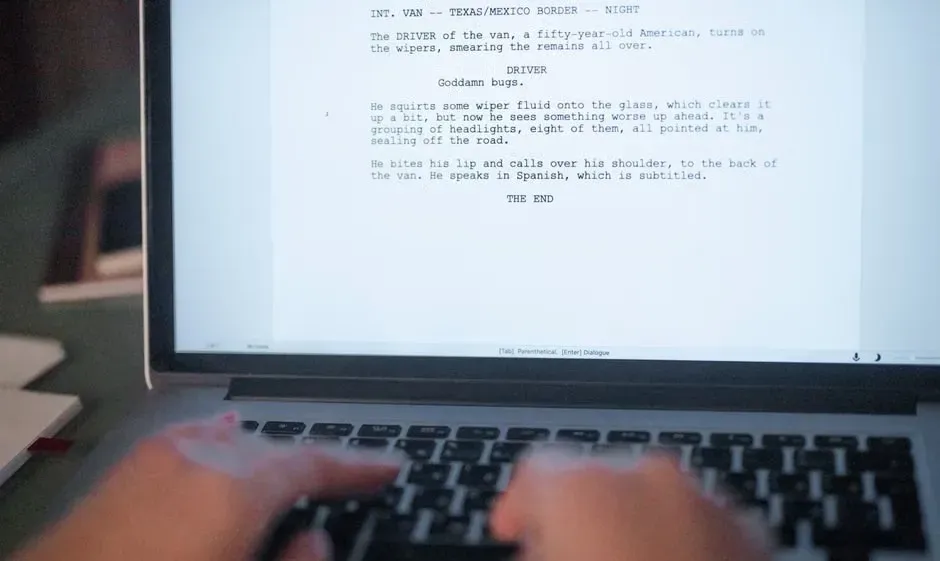
The page-per-minute rule is an old convention, and it still guides most professional scripts. A feature script usually lands somewhere near one hundred to one hundred and twenty pages. That means a 600-page book has to shrink to a fraction of its original bulk.
Novels also pack more words into each page than scripts do. A script page has plenty of white space, dialogue lines and short action descriptions. So the real compression is even steeper than the page counts suggest.
Finding the Spine of the Story

Before cutting anything, writers usually look for the central dramatic line. This is the main character’s want, the obstacle, and the change that follows. Everything that serves it stays on the table, and everything else has to justify itself.
Many adaptations begin with a short summary of what the story is really about. If a scene doesn’t push that line forward, it becomes a candidate for removal, however good the prose is.
Cutting Subplots Without Breaking the Plot

Subplots are the first casualties. A novel can sustain several storylines across hundreds of pages, but a film can usually carry only one or two secondary threads. Writers either drop the extras or fold them into the main action.
The risk is that a cut thread was holding something up. Good adaptors check what each subplot sets up later, then move that information somewhere else, often into a single line of dialogue.
Merging and Trimming the Cast
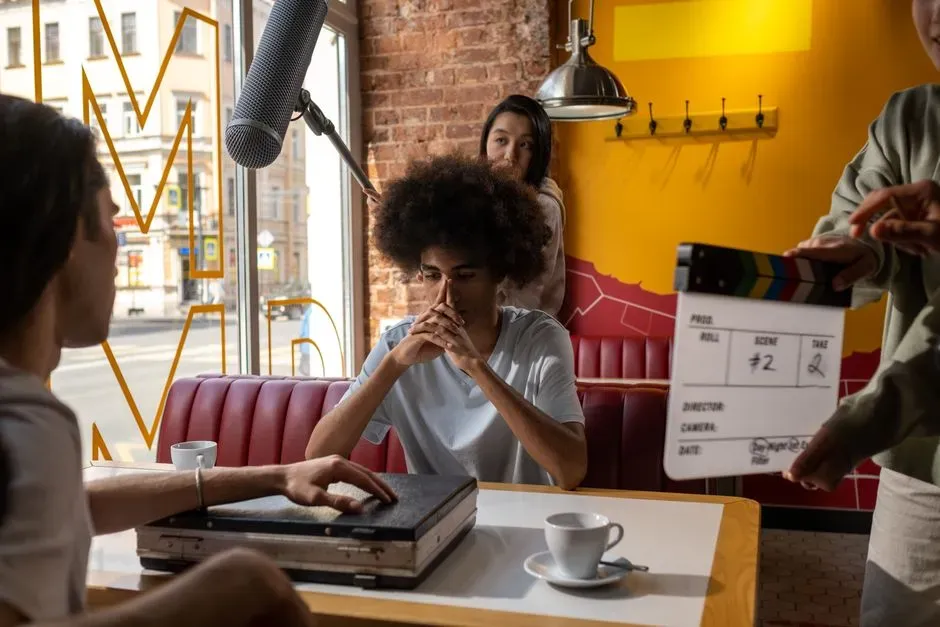
A big novel can have dozens of named characters. On screen, audiences need to recognize people quickly, so writers often combine several figures into one. A composite character can carry the functions of three minor ones.
Casting plays a part too. A familiar actor in a small role can signal who a person is in seconds, which saves exposition the book spent pages on.
Turning Interior Thought Into Visible Action

Novels live inside heads. Film mostly can’t, so writers translate thoughts into behavior, objects, images and dialogue. A character’s private worry might become a gesture or an argument with someone else.
Partner offer

Voiceover is an option, though many writers treat it cautiously. It can work well when the narration is itself part of the book’s charm, but it often reads as a shortcut.
Reshaping the Structure

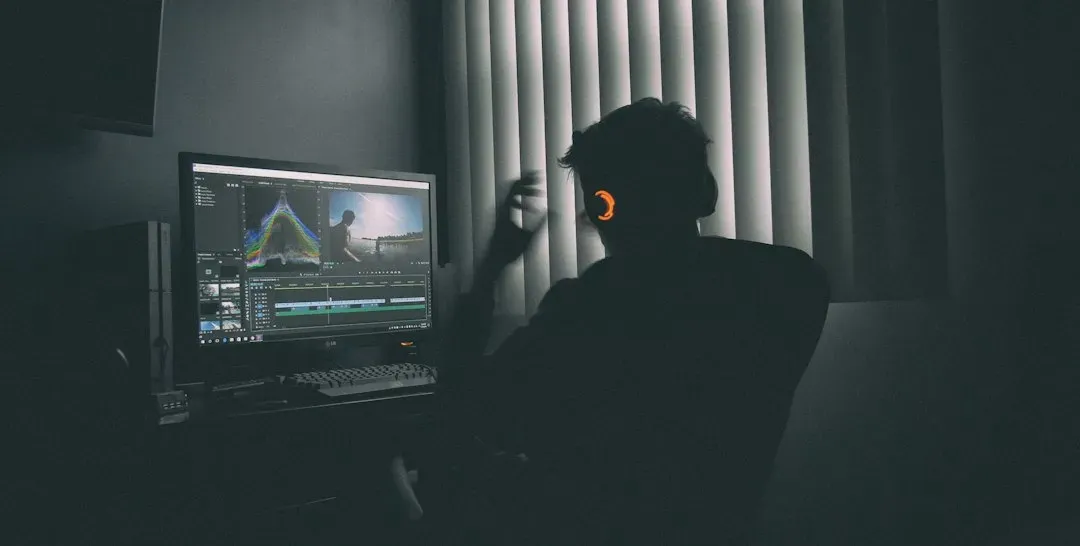
The order of events in a book rarely fits a film’s rhythm. Writers often compress timelines, move key reveals earlier, or reorder chapters so the second act builds tension properly. Films tend to need a clear turn near the middle and a firm escalation toward the end.
Novels can wander and still succeed. A film that wanders usually loses its audience, so structure gets tightened even when the story itself stays faithful.
Deciding What Fans Will Forgive


Beloved books come with expectations. Writers weigh which changes are acceptable and which would feel like a betrayal. Tone, theme and the emotional ending tend to matter more to readers than individual scenes.
Authors sometimes help with this. Some write the screenplay themselves or consult closely, while others hand the book over and let the filmmakers reinterpret it.
Splitting a Book Into More Than One Film

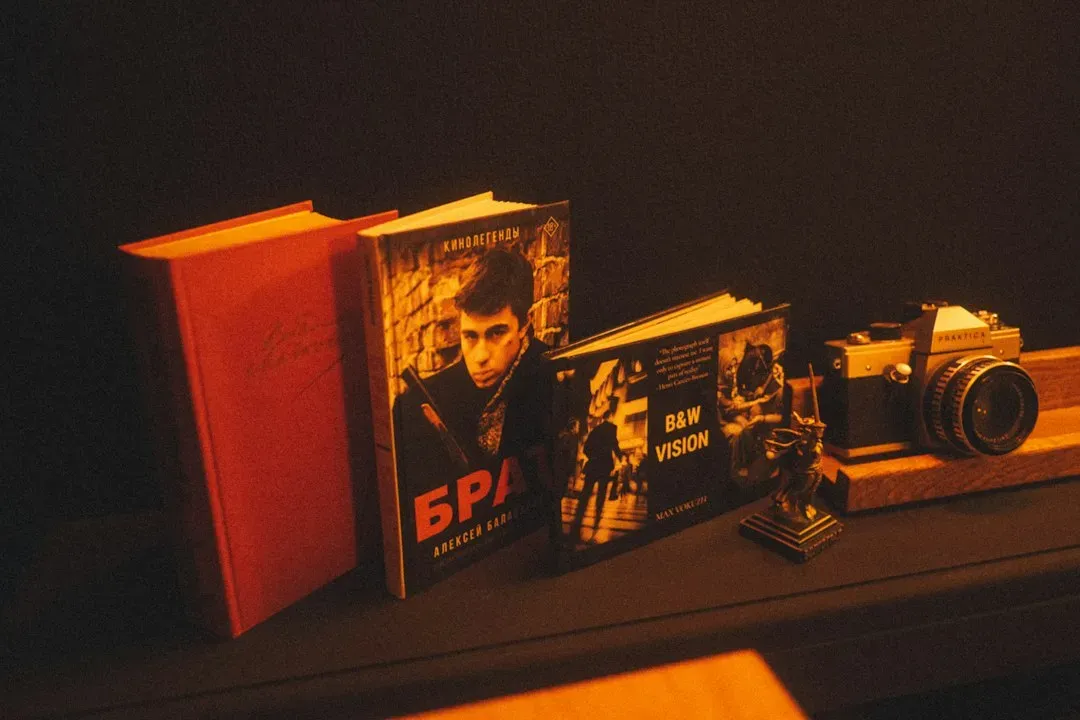
Sometimes two hours simply isn’t enough. Studios have divided large books into two films, as with the final Harry Potter and Hunger Games novels, and with Denis Villeneuve’s two part approach to Dune. The release of Dune: Part One in 2021 and Part Two in 2024 showed how a dense novel can be given room.
Another route is the limited series, which offers many hours rather than two. Streaming has made that format common for sprawling books.
Drafting, Testing and Rewriting
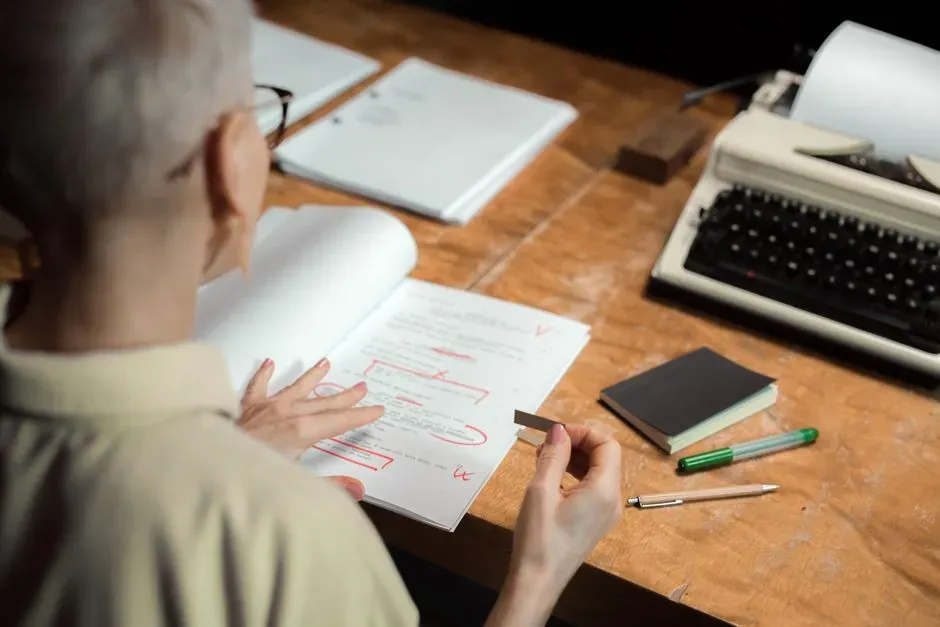
The first adaptation draft is almost never the last. Writers go through many revisions, often with input from directors, producers and script readers. Table reads help reveal where a long story drags.
Editing continues after filming. Scenes that worked on the page sometimes fall away in the cutting room, so the final film may be shorter than the shooting script implied.
What Gets Left Behind
Some of a novel’s best material never makes it to the screen. Digressions, side characters and long passages of reflection are common losses. Readers often miss them, and sometimes rightly so.
The book stays intact on the shelf, though. A film adaptation is a different version of the story, built for a different medium, and the best ones stand on their own.
Partner offer
Planning a trip to Vegas?
Compare hotel rates and show tickets on VEGAS.com.