
Fashion has always been about reinvention. What we wear tells a story, reflects our mood, and sometimes even predicts where culture is heading. These days, though, something bigger is happening. Technology isn’t just influencing fashion from the sidelines anymore. It’s driving the entire conversation, changing how clothes are designed, produced, and worn.
Walk through any shopping district in Las Vegas, and you’ll notice something different. Digital displays replacing mannequins. Apps offering virtual try-ons. Even the fabrics themselves feel evolved. The runway shows at major hotels now feature garments that light up, change color, or respond to movement. It’s hard to say where fashion ends and tech begins. That line keeps blurring, and honestly, that’s where things get interesting.
Virtual Fashion Shows Are Replacing Physical Runways

Remember when fashion weeks meant packed venues, champagne, and front-row celebrities? That world still exists, but it’s sharing space with something completely different now. Virtual fashion shows have exploded in popularity, especially since brands realized they could reach millions more people online than in any physical venue. Designers are streaming collections in immersive digital environments, sometimes using augmented reality to let viewers see garments from every angle.
Las Vegas has embraced this shift faster than most cities. Several luxury brands hosted hybrid shows on the Strip last year, blending live performances with digital overlays that audiences could experience through their phones. The Cosmopolitan even partnered with a tech startup to create a fully virtual runway experience where users could walk through collections as if they were physically there. What’s wild is how natural it feels now. A few years ago, watching a fashion show on your phone would’ve seemed like a compromise. Now it feels like an upgrade.
Smart Fabrics Are Making Clothes Do More Than Just Look Good

Fabrics that track your heart rate, change temperature based on weather, or charge your phone while you walk. These aren’t concepts anymore. They’re real products hitting stores, though admittedly still at premium prices. Smart textiles incorporate sensors, conductive threads, and tiny processors directly into the material. The result is clothing that interacts with your body and environment in ways that would’ve seemed like science fiction a decade ago.
Some jackets now include built-in heating elements controlled by a phone app. Athleisure brands are experimenting with compression wear that monitors muscle activity and provides feedback during workouts. One brand even released a line of dresses embedded with LEDs that respond to sound, turning the wearer into a walking light show. It’s hard to say if these will become everyday items or remain novelties, but the technology keeps improving and getting cheaper.
AI Is Designing Collections Now, and They’re Actually Good
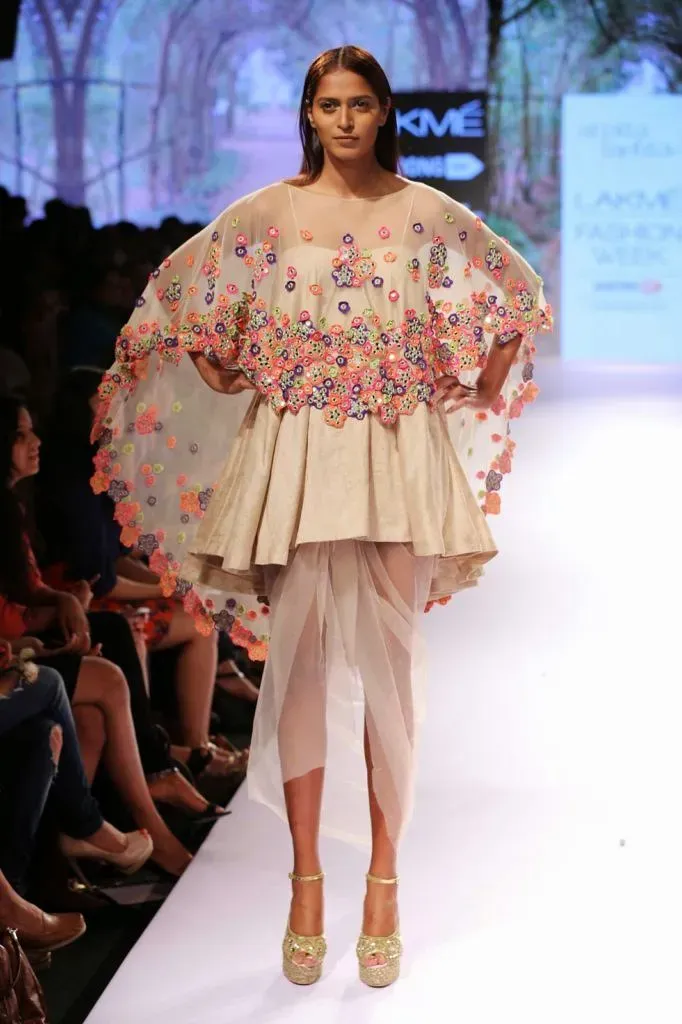
Artificial intelligence analyzing fashion trends and predicting what people will want to wear next season sounds reasonable enough. But AI actually designing the clothes? That felt like a step too far, at least until recently. Several major brands have started using machine learning algorithms to generate design concepts, and the results are surprisingly wearable. The AI studies thousands of existing designs, identifies patterns in what sells, and creates new pieces that blend those successful elements.
One luxury brand released an entire capsule collection designed primarily by AI last spring. The pieces looked contemporary, stylish, and completely indistinguishable from human-created designs. Critics argued the collection lacked soul or artistic vision, while others pointed out it sold out faster than many designer-led lines. The debate about creativity versus efficiency will probably rage for years. Meanwhile, AI-assisted design tools are becoming standard in many fashion houses, whether anyone wants to admit it or not.
3D Printing Is Personalizing Fashion in Ways We Never Imagined
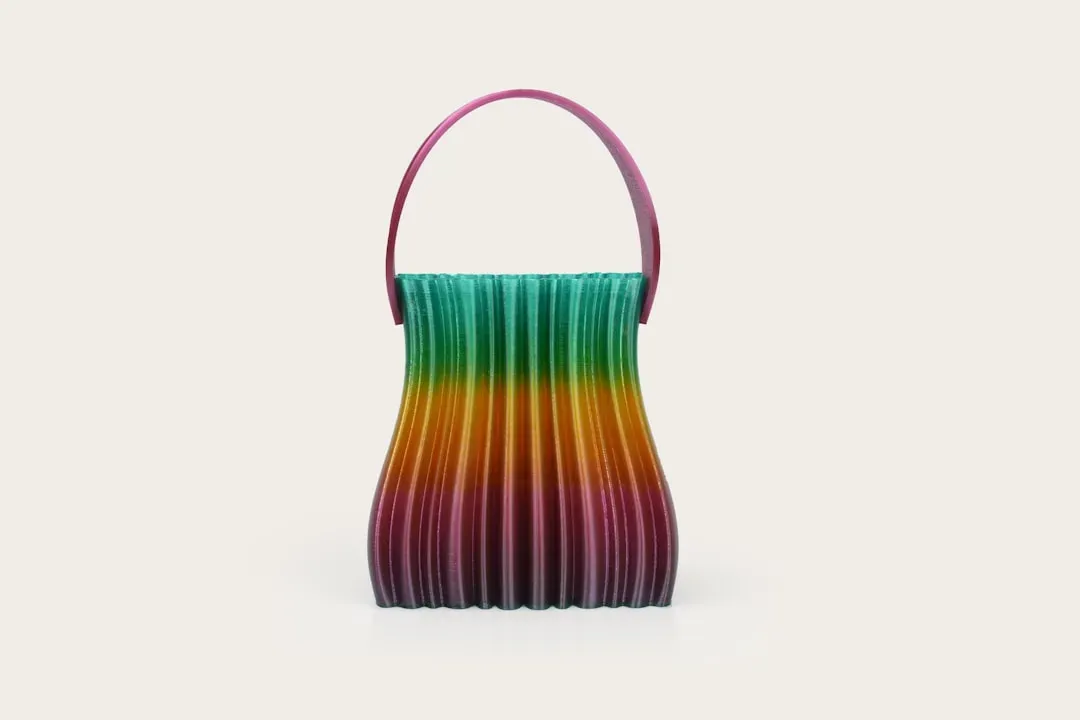
Custom-fitted clothing used to mean expensive tailoring or settling for alterations. 3D printing changed that equation completely. Designers can now create garments tailored precisely to individual body measurements, producing pieces that fit better than anything off the rack. The technology also allows for complex geometric shapes and structures impossible to achieve with traditional sewing methods.
Several boutiques in Las Vegas offer 3D-printed accessories, from intricate jewelry to avant-garde shoes. One designer created a line of lattice-structure dresses that weigh almost nothing but maintain their shape perfectly. The process is still slower than mass production, and the materials can feel different from conventional fabrics. Still, as printers get faster and materials improve, this technology could democratize custom fashion in ways that fundamentally challenge how the industry operates.
Virtual Wardrobes Are Becoming a Real Thing People Actually Use

Digital clothing exists only in photos and videos, yet people are spending real money on it. Virtual fashion items can be purchased, worn in social media posts, and collected like physical garments. This sounds absurd until you consider how much of our lives happen online. If you’re attending a virtual meeting or posting outfit photos on social media, does it matter if the clothes are real?
Gaming and virtual reality platforms have accelerated this trend. Users dress their avatars in designer pieces that cost less than physical versions but still carry brand prestige. Some fashion houses report their digital collections generate significant revenue with zero production costs or environmental impact. The concept feels strange, admittedly. Paying for clothes you can’t touch or physically wear challenges traditional notions of value. Yet the market keeps growing, especially among younger consumers who see digital and physical worlds as equally legitimate spaces for self-expression.
Blockchain Is Making Fashion More Transparent Whether Brands Like It or Not

Counterfeit luxury goods represent a massive problem for high-end brands. Blockchain technology offers a solution by creating permanent, tamper-proof records of a garment’s journey from production to purchase. Each item gets a digital certificate of authenticity that buyers can verify instantly. This technology also tracks where materials come from, which factories produced the garment, and whether ethical labor practices were followed.
Consumers increasingly demand this transparency. Brands that implement blockchain tracking can prove their sustainability claims rather than just making vague promises about eco-consciousness. Several luxury retailers in Las Vegas have started using blockchain verification for high-value items. Buyers scan a code on the garment and instantly access its complete history. It’s hard to fake or manipulate, which makes it genuinely useful rather than just a marketing gimmick. The technology adds costs, though, so it’s mostly limited to premium products for now.
Augmented Reality Shopping Is Finally Living Up to Its Promise

Trying on clothes virtually through your phone camera used to produce awkward, unconvincing results. The technology has improved dramatically in the past couple years. AR shopping apps now render garments with realistic texture, proper lighting, and accurate fit prediction. You can see how a dress looks from multiple angles, how fabric moves, and whether the color complements your skin tone, all without stepping into a dressing room.
Major retailers report that customers who use AR try-on features return items less frequently because they make better purchasing decisions upfront. The technology also allows stores to offer virtually unlimited inventory without physical space constraints. One boutique on the Strip recently opened with almost no physical inventory displayed. Customers browse collections through AR displays and only try on items they’ve already visualized on themselves. It sounds impersonal, but the experience is actually more efficient and somehow more focused than traditional shopping.
Sustainable Fashion Is Getting a Tech Boost It Desperately Needed

The fashion industry’s environmental impact has been scrutinized heavily in recent years. Technology is providing solutions beyond just good intentions. Fabric recycling processes have improved enormously, breaking down old garments into raw materials that match virgin fibers in quality. Dyeing techniques that use zero water or harmful chemicals are moving from experimental to commercial scale. Even leather alternatives grown from mushrooms or lab-cultivated cells are becoming viable options.
Las Vegas hosts several fashion-tech conferences where startups present innovations in sustainable production. One company developed a coating that makes any fabric stain-resistant and odor-free, dramatically extending how long garments stay wearable between washes. Another created a closed-loop system where old clothes get transformed into new fabric without any waste. These technologies aren’t cheap yet, but costs drop as adoption increases. The question isn’t whether sustainable fashion tech will become mainstream, but how fast it happens.
Wearable Tech Is Finally Looking Fashionable

Early wearable technology looked terrible. Clunky fitness trackers, awkward smart glasses, and watches that screamed tech nerd rather than style. That’s changed significantly. Fashion brands have partnered with tech companies to create devices that actually look good. Smart rings track health metrics while appearing indistinguishable from regular jewelry. Designer watches incorporate advanced sensors without sacrificing aesthetic appeal.
The shift happened when fashion designers started leading product development instead of just styling what engineers created. Form and function finally balanced in ways that make wearable tech desirable as fashion items, not just gadgets. Several high-end boutiques in Las Vegas now dedicate entire sections to fashionable wearables. These pieces cost more than purely functional alternatives, but they solve the fundamental problem that kept many people from adopting the technology: they look good enough to want to wear.
On-Demand Manufacturing Is Killing Traditional Inventory Models
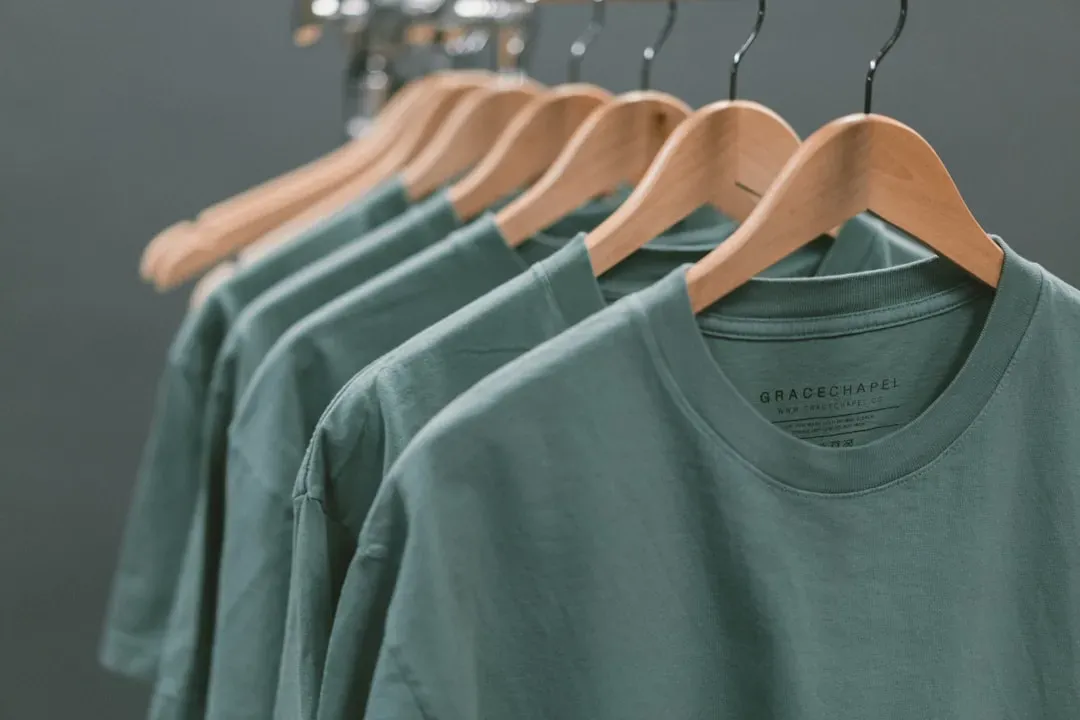
Fashion brands traditionally produce large quantities of garments hoping they sell, leading to massive waste when predictions miss the mark. On-demand manufacturing flips this model completely. Items get produced only after customers order them, eliminating unsold inventory and the environmental burden it creates. Advanced automation and small-batch production techniques make this economically viable in ways it never was before.
Several direct-to-consumer brands have built their entire business around this model. Customers order items online, factories produce them within days using automated cutting and sewing, and garments ship directly without ever sitting in a warehouse. The approach requires sophisticated supply chain technology and flexible manufacturing systems, but companies that implement it successfully gain enormous advantages. No clearance sales because nothing needs clearing. No predicting trends six months in advance. The fashion gets created when people want it, not before.
What’s Actually Coming Next

The pace of change keeps accelerating. Several technologies currently in development could make today’s innovations look primitive within just a few years. Clothes that repair themselves when torn, fabrics that generate power from body heat, garments that adapt their appearance based on location or occasion. These aren’t fantasies. They’re active research projects with functional prototypes.
The bigger shift might be cultural rather than technological. Fashion’s relationship with identity, status, and self-expression is evolving as digital and physical realities merge. Younger consumers already see digital fashion as equally valid as physical clothing. Traditional concepts of ownership, scarcity, and value are being redefined. Technology enables these changes, but ultimately people decide what fashion becomes. The tools are getting more sophisticated. How we choose to use them will shape whether fashion’s technological future is genuinely exciting or just more efficient consumption wearing a fancy disguise.
The convergence of fashion and technology has moved far beyond early experiments and tentative collaborations. It’s now the driving force reshaping every aspect of the industry, from how designers conceive collections to how consumers discover and purchase clothing. Las Vegas, with its embrace of innovation and spectacle, offers a perfect lens for observing these changes as they unfold in real time. What do you think about where fashion technology is heading? Are these changes making fashion better, or are we losing something important along the way?